Organising a conference or corporate gathering is a major undertaking, and the images that come out of it shape how your event is remembered long after the last delegate leaves. Strong photographs become your annual report visuals, social media content, donor updates and the foundation of next year’s marketing. If you are planning a corporate or development event, understanding how professional event photography in Uganda works will help you brief your photographer well and walk away with images that truly represent your organisation.
This guide explains what to expect when you commission a professional photographer for a conference, summit, launch or corporate function, from the planning conversation through to final delivery.
Start with Planning and a Clear Brief
The best event coverage begins well before the doors open. A short planning conversation with your photographer makes an enormous difference to the quality and relevance of the final images. During this discussion, you should share the running order, the venue layout, the timing of major sessions and the names and roles of the people who must be photographed.
It also helps to clarify your goals. Images destined for an annual report or donor presentation call for a different emphasis than content meant for quick social media posts. When you explain how the photographs will be used, your photographer can prioritise the right moments and frame them appropriately.
Key details worth confirming in advance include:
- The full schedule, including arrivals, keynotes, panels, breaks and any awards or signing ceremonies.
- VIPs, guests of honour, executives and partners who must appear in the gallery.
- Branding requirements, such as banners, backdrops and sponsor logos that need to be visible.
- Any sensitive moments or individuals who should not be photographed.
- Where and how the final images will be used.
Key Moments to Capture
A well-rounded set of event images tells the complete story of the day. Experienced photographers work to a mental checklist that balances formal coverage with the natural, human moments that make an event feel alive.
Keynotes and Speakers
Speakers on stage are the backbone of most conferences. Good coverage captures presenters mid-gesture, engaged and animated, rather than static or mid-blink. Clean shots of the podium, the screen content and the speaker in relation to the audience all help convey scale and authority.
Panels and Discussions
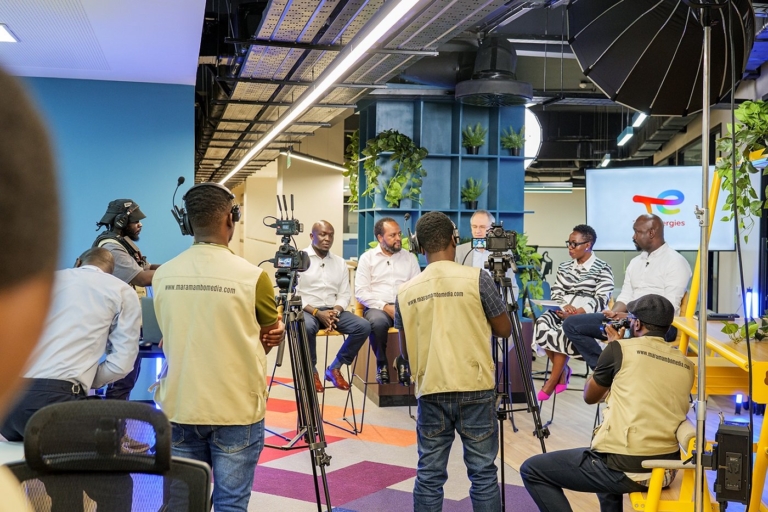
Panel sessions call for images that show interaction between participants, the moderator and the audience. Capturing a panellist making a point, alongside attentive listeners, communicates the depth of the conversation far better than a single posed line-up.
Networking and Candids
Some of the most valuable images come from the spaces between sessions. Delegates greeting one another, conversations over coffee and genuine laughter humanise your organisation and are often the most shared on social platforms. These candid moments require a patient, observant photographer who anticipates interactions before they happen.
Branding and Signage
For corporate and donor-funded events, visible branding matters. Photographs should deliberately feature banners, step-and-repeat backdrops, stage sets, sponsor logos and branded materials. These images demonstrate visibility to partners and sponsors and are frequently required for reporting and acquittals.
The Venue and Atmosphere
Wide establishing shots of a full hall, the registration desk, exhibition stands and decor set the scene and provide useful context. They are valuable for documenting attendance and the overall production quality of your event.
Coverage Timing and Duration
One of the most common questions organisers ask is how many hours of coverage they need. The honest answer is that it depends on your programme. A half-day workshop may need only a few hours, while a multi-day summit requires the photographer to be present from early setup through to the closing remarks.
It is wise to include some buffer before the official start time. Early arrivals, registration and the calm before proceedings often yield clean, uncluttered shots of your branding and venue. Agreeing on clear start and finish times in advance avoids confusion on the day and ensures the moments that matter most to you are covered.
Multiple Photographers for Large Events
For large conferences with parallel sessions, breakout rooms or several hundred attendees, a single photographer cannot be everywhere at once. Engaging two or more photographers ensures simultaneous coverage of concurrent activities, so a keynote in the main hall and a workshop next door are both documented.
Multiple shooters also allow one photographer to focus on formal stage coverage while another roams for candids and networking shots. For multi-day events, this approach maintains energy and consistency across the entire programme. Discuss the scale of your event early so the right team size can be planned.
Discreet, Professional Shooting
Professional event photographers understand that they are guests at your gathering, not the centre of attention. Discreet shooting means moving quietly, dressing appropriately for the setting and avoiding disruption during speeches, prayers or sensitive moments. The goal is to capture authentic scenes without delegates feeling watched or interrupted.
This sensitivity is especially important at government, NGO and development partner events, where protocol and decorum carry real weight. A seasoned photographer reads the room, respects formal proceedings and knows when to step back.
Same-Day and Highlight Edits
Many organisations now want images while the event is still generating interest online. A selection of edited highlights delivered on the same day, or shortly after, allows your communications team to post in real time and sustain momentum across social media.
These quick-turnaround highlights are typically a curated handful of the strongest frames, lightly edited and ready to share. The complete, fully edited gallery follows afterwards. If same-day delivery matters to you, raise it during planning so the workflow can be arranged in advance.
Delivery of Final Images
After the event, your photographer culls, edits and colour-corrects the images before delivering a complete gallery. Files are usually shared through a secure online gallery or cloud link, with high-resolution versions for print and reporting alongside web-optimised versions for digital use.
When agreeing on delivery, it is worth clarifying the expected turnaround time, the approximate number of final images, the file formats provided and any usage rights. Clear expectations here prevent surprises and ensure your team receives exactly what it needs.
Putting It All Together
Excellent event coverage is the result of preparation, professionalism and clear communication. From the first planning call to the final gallery, a skilled photographer works to document your event in a way that reflects your organisation’s standards. Whether you are running an intimate corporate breakfast or a regional summit, the same principles apply: brief thoroughly, capture the full story, shoot discreetly and deliver on time.
Mara Mambo Media provides professional photography services for organisations across Uganda and East Africa, with specialist experience in conference photography and corporate events. We understand the expectations of corporates, NGOs, government bodies and development partners, and we tailor our coverage to your programme and goals.
If you are planning a conference, summit, launch or corporate function, get in touch to book event coverage and let us help you capture every important moment with clarity and care.