There is a quiet responsibility that comes with pointing a camera at a wild animal. The footage we gather can shape how the world understands a species, a landscape, or a community living alongside both. Done well, it inspires protection. Done carelessly, it can disturb wildlife, mislead audiences, or exploit the very people and places it claims to celebrate. At Mara Mambo Media, we believe wildlife conservation filming is as much an ethical practice as it is a creative one. This article sets out the principles that guide responsible filmmakers and why they matter for everyone who tells conservation stories across Uganda and East Africa.
Animal Welfare Comes First, Always
No shot is worth harming the subject. This is the foundational rule of ethical wildlife and conservation media, and every other principle flows from it. Wild animals are not performers, and their behaviour should never be altered for the sake of a more dramatic frame.
In practice, putting welfare first means reading the signs an animal gives us. Raised heads, fixed stares, repeated movement away from us, or a mother positioning herself between us and her young are all signals to ease off. A genuinely good wildlife filmmaker is willing to lose the shot rather than push an animal into stress, flight, or the abandonment of feeding, mating, or nesting.
Keeping a Respectful Distance
Distance is the simplest form of respect. Long lenses exist precisely so that we can fill the frame without filling the animal’s space. Crowding wildlife to capture a close-up changes its behaviour and can put both subject and crew at risk.
Keeping back also protects the integrity of the footage. An animal that is unaware of us behaves naturally, and natural behaviour is what makes conservation storytelling honest and compelling. The moment a creature reacts to the camera, the story shifts from observation to intrusion.
No Baiting, No Staging, No Manipulation
Some of the most damaging practices in wildlife media are also the most tempting, because they make difficult footage easier to get. Baiting predators with food, using calls to lure animals into the open, restraining or relocating creatures for a scene, or staging a “wild” encounter that never happened all cross a clear ethical line.
These shortcuts harm animals by conditioning them to humans, drawing them toward roads and people, or interrupting natural cycles. They also deceive audiences. When viewers later learn that a moment was manufactured, trust in conservation media as a whole erodes. We would rather wait days for a real moment than fabricate one in an afternoon.
Following Park Rules and Ranger Guidance
Protected areas have rules for good reason, shaped by people who know the land and its wildlife far better than any visiting crew. Staying on designated tracks, observing speed limits, respecting minimum approach distances, and honouring restricted zones are not bureaucratic hurdles. They are the accumulated wisdom of those who protect these places year-round.
Rangers and guides are partners, not obstacles. When a ranger says an animal has had enough, or that a particular area is off-limits during breeding season, that guidance overrides any creative ambition. Some core habits we hold to on every shoot include:
- Securing the correct permits and filming permissions before arrival
- Briefing the whole crew on park rules and expected conduct
- Deferring to rangers and guides on all matters of animal proximity and safety
- Leaving no trace, including litter, noise, and disturbance to vegetation
- Never feeding, touching, or attempting to handle wildlife
Honest Storytelling Over Sensationalism
Conservation stories are powerful because they are true. The temptation to sensationalise, to imply danger that was not there, to compress timelines, or to frame an animal as a villain or a victim for dramatic effect, undermines that power.
Honest documentary photography and film resist the urge to exaggerate. A herd is not always under threat; a predator is not always a monster; a community is not always a problem to be solved. Nature is compelling enough on its own terms, and audiences deserve to understand what they are actually seeing.
This honesty extends to the edit. Sound design, pacing, and narration should clarify reality, not invent it. When we represent a behaviour, a place, or a relationship between people and wildlife, we aim to represent it as it genuinely is.
Respecting Communities and Consent
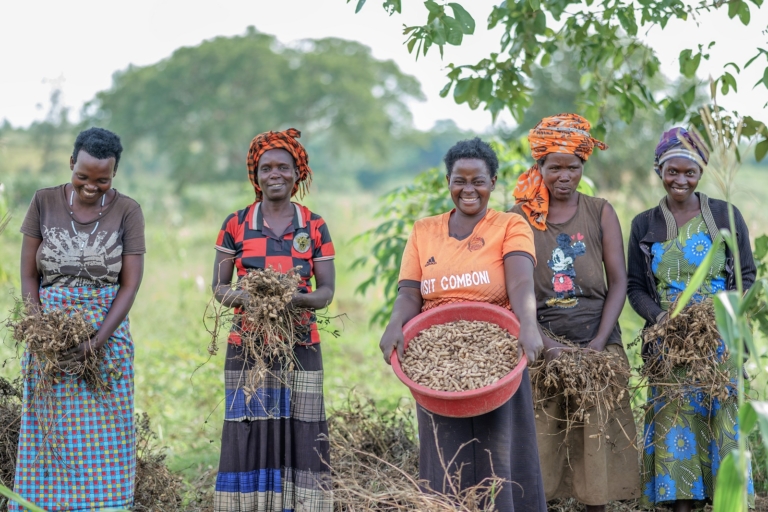
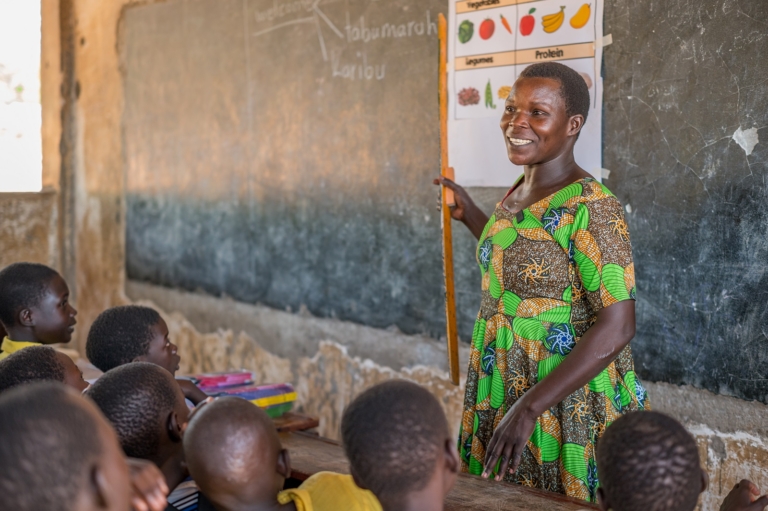
Conservation does not happen in a vacuum. Across East Africa, people live alongside wildlife, often bearing real costs and contributing enormous knowledge. Ethical filming treats these communities as collaborators and rights-holders, not as background scenery.
That means seeking genuine, informed consent before filming people, explaining clearly how footage will be used, and being willing to stop when someone declines. It means listening to local voices rather than speaking over them, crediting knowledge where it is shared, and being mindful of cultural sensitivities. The story of a landscape is incomplete without the people who shape and share it, and they deserve agency in how they are portrayed.
Working With Conservation Partners and Authorities
The strongest conservation films are made in partnership. Wildlife authorities, researchers, conservancies, and local organisations bring context that a camera alone can never capture, and they often rely on responsible media to advance their work.
Collaborating well involves a few simple commitments:
- Engaging partners early, so their goals and concerns shape the project from the start
- Being transparent about intentions, audiences, and how the final work will be distributed
- Sharing footage or findings where it can support research, education, or advocacy
- Respecting sensitive information, such as the locations of vulnerable or targeted species
This last point matters more than it might seem. Revealing the precise whereabouts of rare animals can expose them to poaching or disturbance, so responsible filmmakers think carefully about what they disclose.
The Filmmaker’s Responsibility
Ultimately, ethics in wildlife media cannot be delegated to a checklist. They live in the countless small decisions a crew makes when no one is watching: whether to creep a little closer, whether to keep rolling when an animal grows uneasy, whether to let a misleading shot survive the edit because it looks impressive.
We hold ourselves accountable to the animals, the places, the people, and the audiences we serve. The privilege of telling these stories carries a duty to tell them well and to do no harm in the telling. That is the standard we measure ourselves against, image by image and frame by frame.
Telling Conservation Stories the Right Way
Ethical wildlife conservation filming is not a constraint on great storytelling; it is the foundation of it. When welfare, honesty, and respect guide the work, the result is media that genuinely serves the cause it depicts.
If you are working to protect a species, a landscape, or a way of life, we would be honoured to help you tell your conservation story with the care, craft, and integrity it deserves. Reach out to Mara Mambo Media to start the conversation.