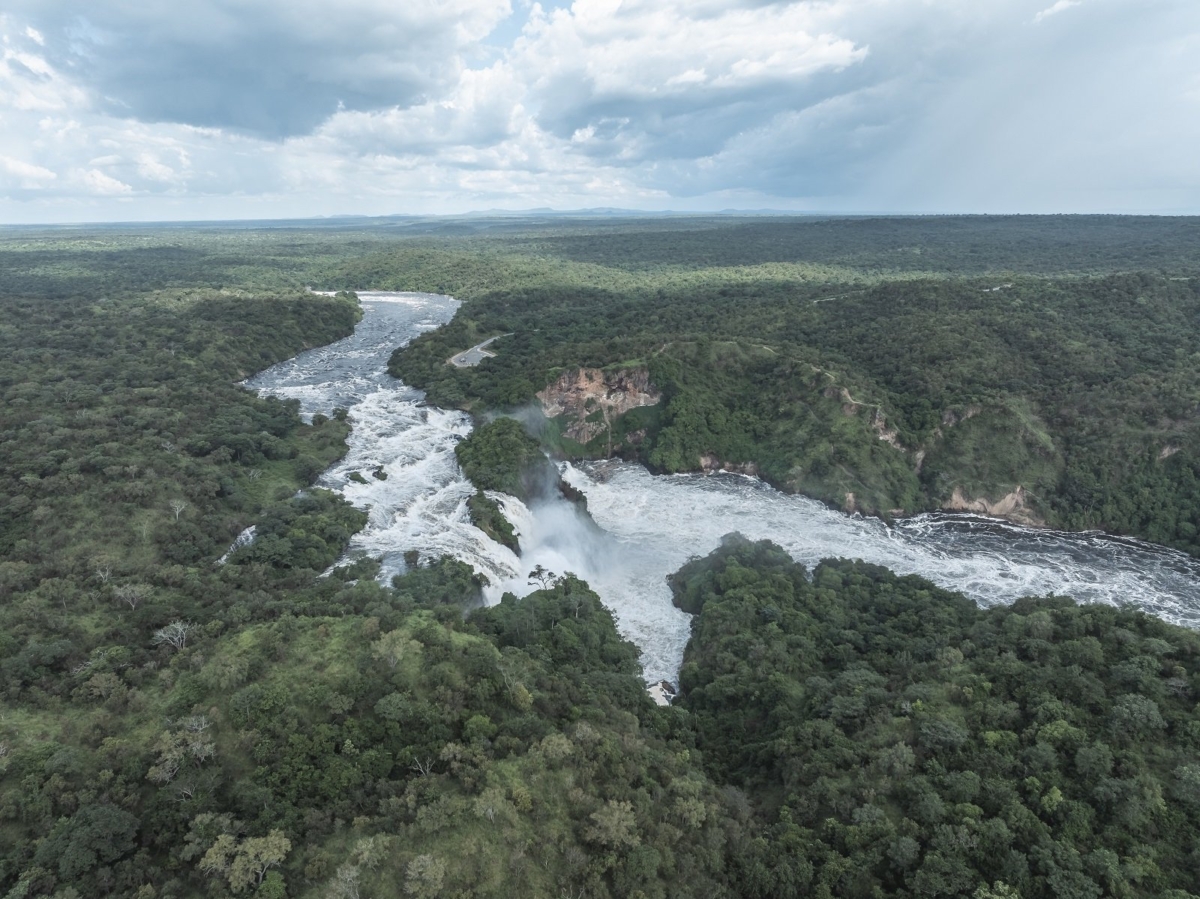
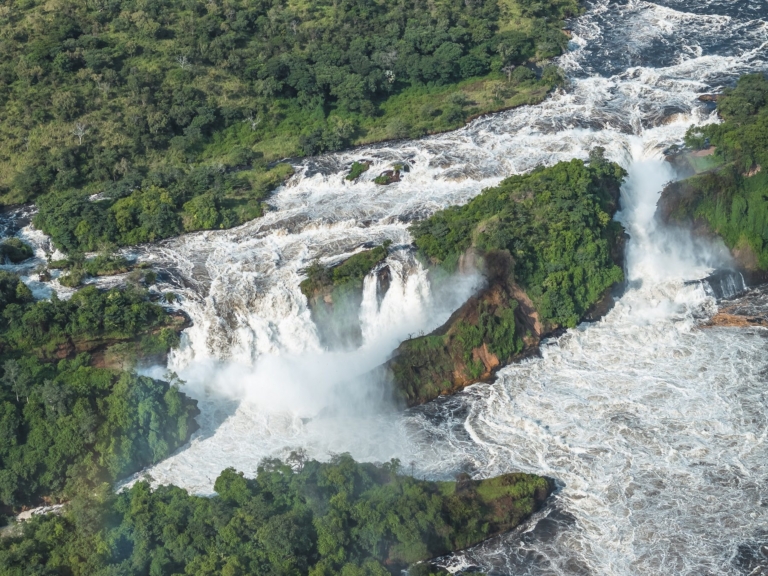
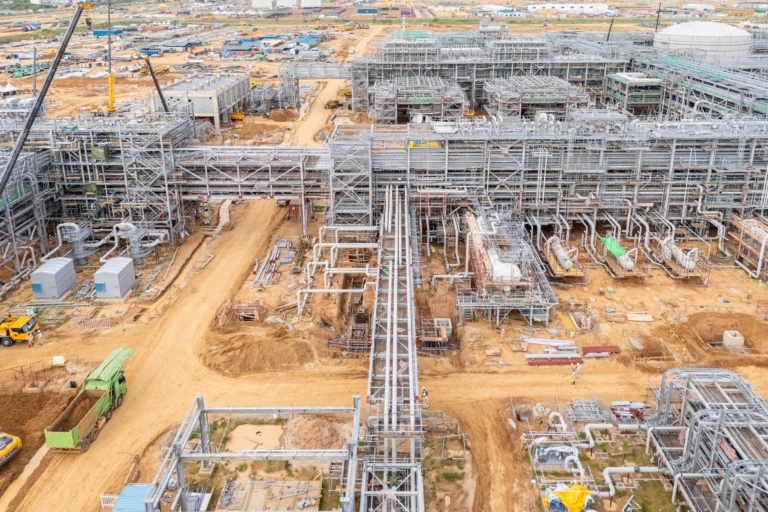
We can’t count on two hands the number of times a client has passively said, “Can we also get some drone shots?” as the pre-production meeting concludes.
That is usually the moment when everyone imagines the final film. The camera rises above the trees, a winding road stretches into the distance, a construction project reveals its full scale, or a fishing community comes alive from above, with the sun rays lightly touching the water.
Drone footage doesn’t simply make videos beautiful- it provides context, reveals relationships between people and places, and helps audiences understand scale and impact.
At Mara Mambo Media, we’ve seen firsthand how aerial cinematography transforms documentaries, corporate films, tourism campaigns, environmental storytelling, infrastructure projects, and development communication. But before any drone takes to the sky, one important question has to be answered:
Can we legally fly here?
Drone operations in Uganda are regulated by the Uganda Civil Aviation Authority (UCAA) under the Civil Aviation (Unmanned Aircraft Systems) Regulations, 2022. These regulations exist to protect air traffic, public safety, national security, privacy and property.
Do I need permission?
For almost every professional production, yes. Commercial aerial filming, photography, mapping, inspections and documentary work require authorization before operations begin. Professional drone filming often starts days- or even weeks- before the camera takes off.
Understanding the categories
Category A (Basic Operations): Low-risk operations requiring approval, an application form, drone specifications and a map of the operating area.
Category B (Standard Operations): The category most commercial filming projects fall under. Requirements include Form AC-UAS 001, a Letter of No Objection from the relevant line ministry, remote pilot authorization, Class III medical certificate, third-party insurance, drone specifications, a safety risk assessment and a map of the operation area. Supporting guidance also requires security clearance and other supporting documentation where applicable.
Category C (Complex Operations): High-risk operations requiring a UAS Operator Certificate together with an operations manual, safety management system, security programme, training programme, insurance and additional documentation.
Before filming begins, operators may be required to submit project information including the project owner, project duration, purpose of the flight, drone manufacturer and serial number, flight characteristics, emergency procedures, pilot qualifications, communication methods and insurance documentation.
Drone approval may involve several agencies. Depending on the project, operators may obtain a Letter of No Objection from the relevant line ministry, submit an application to UCAA, undergo security clearance, pay the prescribed authorization fee and receive safety approval before operations commence.
Some locations require extra planning
Additional permissions or restrictions may apply when filming near airports, military installations, government facilities, strategic infrastructure, schools, hospitals, police stations, prisons, courts of law and large public gatherings.
Professional drone operations involve site assessments, weather monitoring, emergency planning, risk assessments, communication procedures and equipment checks before every flight.
What we wish every client knew
Those ten minutes of drone flying often represent days of planning. Early engagement allows time to review airspace restrictions, obtain approvals where required, prepare documentation and complete safety planning, helping projects stay on schedule.
Here is why it is important to work with professionals
Professional aerial filmmaking combines aviation knowledge, regulatory compliance, risk management, flight planning, cinematography and storytelling. It’s about far more than owning a drone.
Your Great Story Deserves the Right Perspective
At Mara Mambo Media, we believe the most powerful and stunning aerial shots are earned through thoughtful planning, respect for the communities we film, compliance with Uganda’s aviation regulations and a passion for visual storytelling.