One of the first questions every business, NGO or development partner asks when planning a film is simple: how much will it cost? It is a fair question, but the honest answer is rarely a single number. Corporate video is not an off-the-shelf product with a fixed price tag; it is a tailored service shaped by what you want to achieve, how you want it to look, and where and how it will be filmed. Understanding the factors behind corporate video production cost in Uganda helps you plan a realistic budget, compare proposals fairly, and get genuine value for your investment.
At Mara Mambo Media, we believe in transparency about why prices differ rather than pretending there is a universal rate. Below, we break down the main drivers of cost so you can approach your next project with confidence.
Project Scope and Objectives
Everything starts with scope. A short social media clip, a polished brand film, a multi-part training series and a documentary about a conservation programme are entirely different undertakings, even though all of them are “videos.” Before any figure can be discussed, we need to understand your objectives: who the audience is, where the video will be shown, how long it should be, and what action you want viewers to take.
A clear brief almost always leads to a more accurate and efficient quote. When goals are vague, productions tend to expand mid-project, which adds time and cost. Defining the scope early is the single most effective way to keep a budget under control.
Shoot Days and Scheduling
The number of filming days is one of the largest cost factors in any production. Each shoot day involves crew time, equipment, transport, and often catering and logistics. A single-day interview shoot at one office is far simpler than a five-day schedule covering multiple districts, field sites and stakeholder interviews.
Scheduling complexity matters too. Filming across several locations, coordinating with busy executives, or capturing time-sensitive events such as conferences and field activities all influence how many days are required and how tightly they must be planned.
Crew Size and Expertise
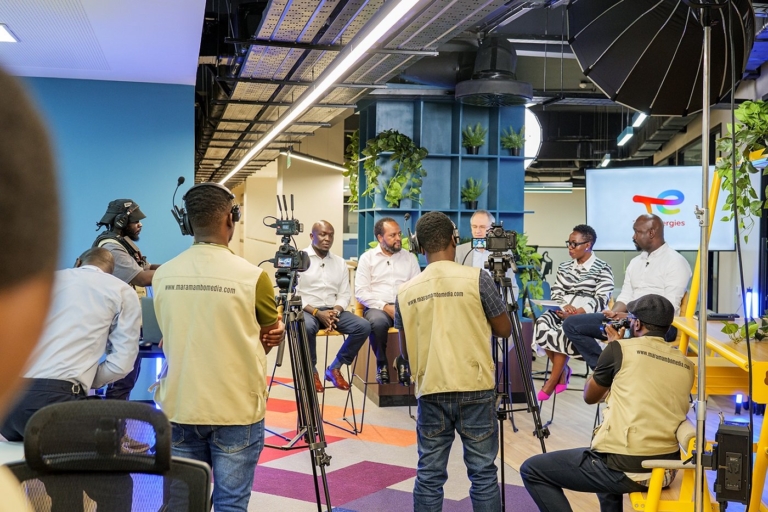
A lean production might involve a single videographer who also handles sound and lighting. A larger corporate or broadcast-quality project may require a director, camera operators, a sound engineer, lighting technicians, a production assistant and a drone pilot. Each role adds value and cost.
Experience also plays a part. Seasoned professionals work faster, anticipate problems, and consistently deliver a higher standard, which often reduces costly reshoots. You can learn more about the range of capabilities we offer on our video production services page.
Equipment and Technical Requirements
The gear a project demands has a direct impact on price. Considerations include:
- Cameras and lenses — from compact setups to cinema-grade systems.
- Lighting — essential for interviews, indoor scenes and a professional look.
- Audio equipment — clean sound is non-negotiable for corporate and interview content.
- Aerial filming — drones add stunning perspectives but require specialist equipment and licensed operators.
- Stabilisers and specialist rigs — for smooth movement and dynamic shots.
Higher production values require more sophisticated equipment, which is reflected in the overall investment.
Location and Travel
Where filming takes place matters enormously in a country as geographically varied as Uganda. A shoot within Kampala carries different logistics from one in a national park, a remote rural community or across the border in the wider East African region. Travel time, fuel, accommodation, per diems and permits all factor in.
Conservation and development projects often involve hard-to-reach field sites, which require careful planning around access, weather and safety. These considerations are part of delivering quality work in challenging environments, and they legitimately affect cost.
Scripting, Concept and Pre-Production
Strong videos are built long before the camera rolls. Scripting, storyboarding, concept development, casting, location scouting and scheduling all form part of pre-production. A clear creative plan saves time on set and produces a sharper final film.
Projects that need original scripting, professional voiceover, presenters or actors will carry more pre-production cost than a straightforward interview-led piece. Investing here usually pays off in a more compelling result. You can see how we approach this in our production process.
Animation, Graphics and Motion Design
Many corporate and NGO videos benefit from motion graphics, animated explainers, data visualisations, lower-thirds and branded titles. Animation is highly effective for explaining complex ideas, presenting statistics, or telling a story when live footage is not available.
However, animation and custom graphics are labour-intensive and specialised. The more detailed and bespoke the visuals, the more design time they require. A few simple titles are inexpensive; a fully animated explainer is a significant creative undertaking in its own right.
Post-Production and Editing
Editing is where raw footage becomes a finished story, and it is often underestimated. Post-production can include:
- Logging and selecting footage
- Story editing and pacing
- Colour grading
- Sound design, mixing and music licensing
- Subtitles, captions and translation
- Graphics and final delivery formatting
The complexity of the edit, the volume of footage, and the level of polish required all shape how much time this phase takes.
Number of Deliverables and Revisions
A common misunderstanding is that a project produces just one video. In reality, many clients need a main film plus several adaptations: shorter cuts for social media, vertical versions for mobile, trailers, and clips tailored to different platforms. Each deliverable involves additional editing time.
The number of revision rounds also matters. A reasonable number of edits is standard, but extensive changes beyond the agreed scope add work. Clarifying deliverables and revisions upfront keeps expectations and budgets aligned.
Licensing, Usage and Rights
How and where you intend to use a video can affect cost. Licensed music, stock footage, professional voiceover talent and on-screen presenters may all carry usage rights. Broad usage — such as paid advertising, broadcast or long-term campaigns — sometimes requires wider licensing than internal or single-platform use.
Why a Tailored Quote Is the Only Honest Answer
Because every project combines these factors differently, any company quoting a flat price without understanding your needs is guessing. A tailored quote reflects your specific objectives, locations, timeline and deliverables, ensuring you pay for exactly what your project requires — no more, no less.
A good production partner will take time to understand your goals, suggest the most cost-effective approach, and be transparent about where your budget is going. That conversation is the real starting point for any successful film.
Let’s Plan Your Project
If you are budgeting for a corporate, NGO, government or conservation video in Uganda or across East Africa, the best next step is a simple conversation about what you want to achieve. Tell us your goals, audience and timeline, and we will help you shape a realistic plan. Request a tailored quote from Mara Mambo Media today, and let us bring your story to life.