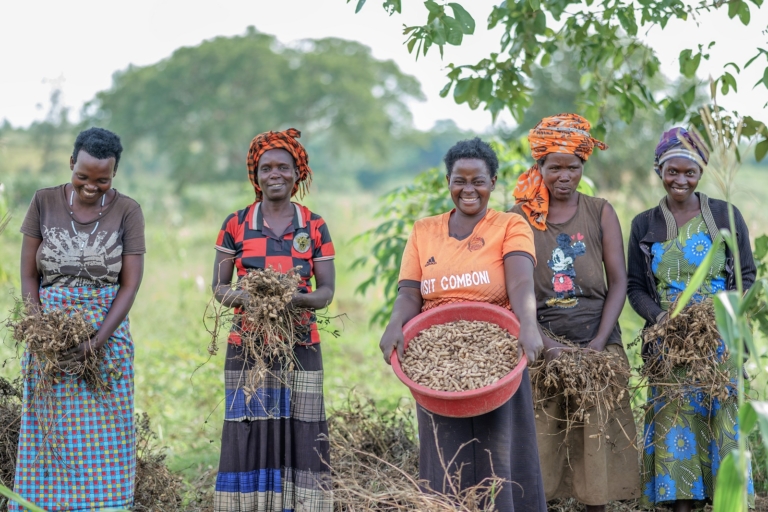
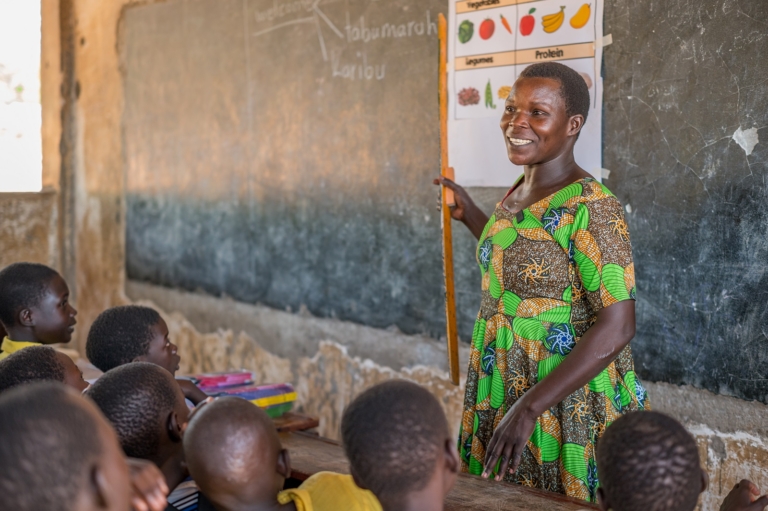
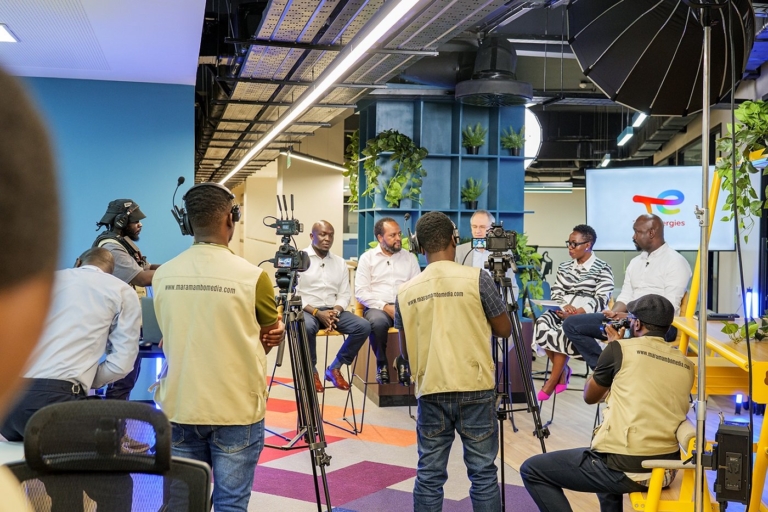
For non-profits and development partners, communicating impact is one of the hardest parts of the work. Reports and spreadsheets capture results, but they rarely capture the human reality behind those numbers. This is where video changes everything. Thoughtful video production lets donors see, hear, and feel the difference their support makes, turning abstract outcomes into stories they remember and want to keep funding.
At Mara Mambo Media in Ntinda, Kampala, we work alongside NGOs and development organisations across Uganda and East Africa to produce content that respects beneficiaries and speaks clearly to funders. This guide explains how NGO video production in Uganda works in practice, and how to do it well.
Why Video Beats Text for Showing Impact
Donors are people first. They respond to faces, voices, places, and movement in ways that written reports cannot replicate. Video carries emotional truth alongside factual evidence, and that combination is persuasive.
- It builds trust. Seeing a real beneficiary in their own environment is far more credible than a paragraph describing them.
- It compresses complexity. A short film can show a programme’s context, activity, and outcome in a few minutes, where text might take many pages.
- It travels. The same footage can move across a website, a donor presentation, a social feed, and an annual gathering.
- It lasts. A well-made film keeps working for years, introducing your mission to new supporters long after it was shot.
The Main Types of NGO Impact Video
Different goals call for different formats. Most organisations end up using a mix, often produced from a single field shoot.
Impact stories
Short narrative films that follow one person, family, or community through a problem and the change your programme helped create. These are your flagship pieces for fundraising and donor reporting.
Beneficiary testimonials
Direct, first-person accounts from the people your work serves. Honest and unscripted, they offer evidence that your interventions matter to the people they are designed for.
Field documentaries
Longer-form documentary photography and film that explores a programme, region, or issue in depth. These suit major donors, advocacy campaigns, and milestone moments where context and nuance matter.
Annual-report videos
A concise summary of a year’s work, mapped to your goals and results. These pair naturally with written reports and give boards and funders a clear, engaging overview.
Social cuts
Short vertical edits built for mobile feeds. They extend the reach of a single shoot, drawing new audiences toward your fuller stories and campaigns.
Planning Around Your Results Framework
The strongest NGO videos are planned, not improvised. Before any camera is switched on, we align the production with your logframe, theory of change, or results framework so the footage actually evidences what you need to report.
- Define the message. What single outcome or change should a viewer understand and feel?
- Map to indicators. Identify which activities, outputs, and outcomes the video should make visible.
- Choose contributors. Decide who can speak credibly to that change, from beneficiaries to field staff and local partners.
- Agree the deliverables. Confirm the formats and lengths up front so one shoot serves several needs.
This discipline keeps the final film tightly connected to your reporting obligations rather than producing footage that looks good but proves little.
Ethical, Dignified Storytelling
How you tell a story matters as much as the story itself. The people in your films are not props for fundraising; they are partners whose dignity comes first. We hold to a few firm principles.
- Informed consent always. Every contributor should understand who will see the video, where it will appear, and how it may be used, and should agree freely before filming. Consent can be withdrawn, and that choice must be respected.
- Agency over portrayal. People should be shown as active participants in their own lives, not passive recipients of charity. Avoid imagery that reduces a person to their hardship.
- Accuracy without exploitation. Tell the truth of a situation without exaggerating suffering for effect. Honest stories are more powerful and more responsible.
- Care with children and sensitive subjects. Filming children, survivors, or people in vulnerable circumstances calls for extra safeguards, guardian consent, and a willingness to step back when filming is not appropriate.
Dignified storytelling is not only the right thing to do; it protects your organisation’s reputation and reflects the values donors expect you to uphold.
Working in the Field
Filming in real communities brings practical and human challenges. Good field production is built on respect, preparation, and flexibility.
- Work through trusted relationships. Coordinating with local staff and community leaders builds rapport and helps people feel comfortable on camera.
- Plan for the conditions. Travel times, power, weather, and language all shape what is achievable in a day, so realistic scheduling matters.
- Capture sound and detail. Clear audio, ambient texture, and observational moments are what make a film feel alive and authentic.
- Be a respectful guest. Move at the community’s pace, explain what you are doing, and never let the camera get in the way of someone’s daily life.
Repurposing Footage for Long-Term Value
A single field shoot is a significant investment, and it should keep paying off. From one production you can build a flagship impact story, several testimonials, social cuts, an annual-report segment, and a library of clips and stills for future use.
Planning for this from the start means capturing extra interviews, broader coverage, and clean B-roll while the team is on location. Months later, that material becomes new content for campaigns, proposals, and reports without the cost of returning to the field. Treating footage as a long-term asset is one of the most cost-effective decisions an NGO can make.
Turning Impact Into Stories Donors Remember
Video gives your work a voice and a face. Done with care, it honours the people you serve, evidences the change you create, and gives donors a reason to stay invested in your mission. The result is communication that informs, moves, and endures.
If your organisation is ready to show donors the real difference their support makes, our team in Kampala is here to help you plan, film, and craft it with skill and integrity. Commission an impact film with Mara Mambo Media and let us help you tell your story honestly and powerfully.