Event and Conference Photography in Uganda: What to Expect

Conference Photography photos

Organising a conference or corporate gathering is a major undertaking, and the images that come out of it shape how your event is remembered long after the last delegate leaves. Strong photographs become your annual report visuals, social media content, donor updates and the foundation of next year’s marketing. If you are planning a corporate or development event, understanding how professional event photography in Uganda works will help you brief your photographer well and walk away with images that truly represent your organisation.

This guide explains what to expect when you commission a professional photographer for a conference, summit, launch or corporate function, from the planning conversation through to final delivery.

Start with Planning and a Clear Brief

The best event coverage begins well before the doors open. A short planning conversation with your photographer makes an enormous difference to the quality and relevance of the final images. During this discussion, you should share the running order, the venue layout, the timing of major sessions and the names and roles of the people who must be photographed.

It also helps to clarify your goals. Images destined for an annual report or donor presentation call for a different emphasis than content meant for quick social media posts. When you explain how the photographs will be used, your photographer can prioritise the right moments and frame them appropriately.

Key details worth confirming in advance include:

  • The full schedule, including arrivals, keynotes, panels, breaks and any awards or signing ceremonies.
  • VIPs, guests of honour, executives and partners who must appear in the gallery.
  • Branding requirements, such as banners, backdrops and sponsor logos that need to be visible.
  • Any sensitive moments or individuals who should not be photographed.
  • Where and how the final images will be used.

Key Moments to Capture

A well-rounded set of event images tells the complete story of the day. Experienced photographers work to a mental checklist that balances formal coverage with the natural, human moments that make an event feel alive.

Keynotes and Speakers

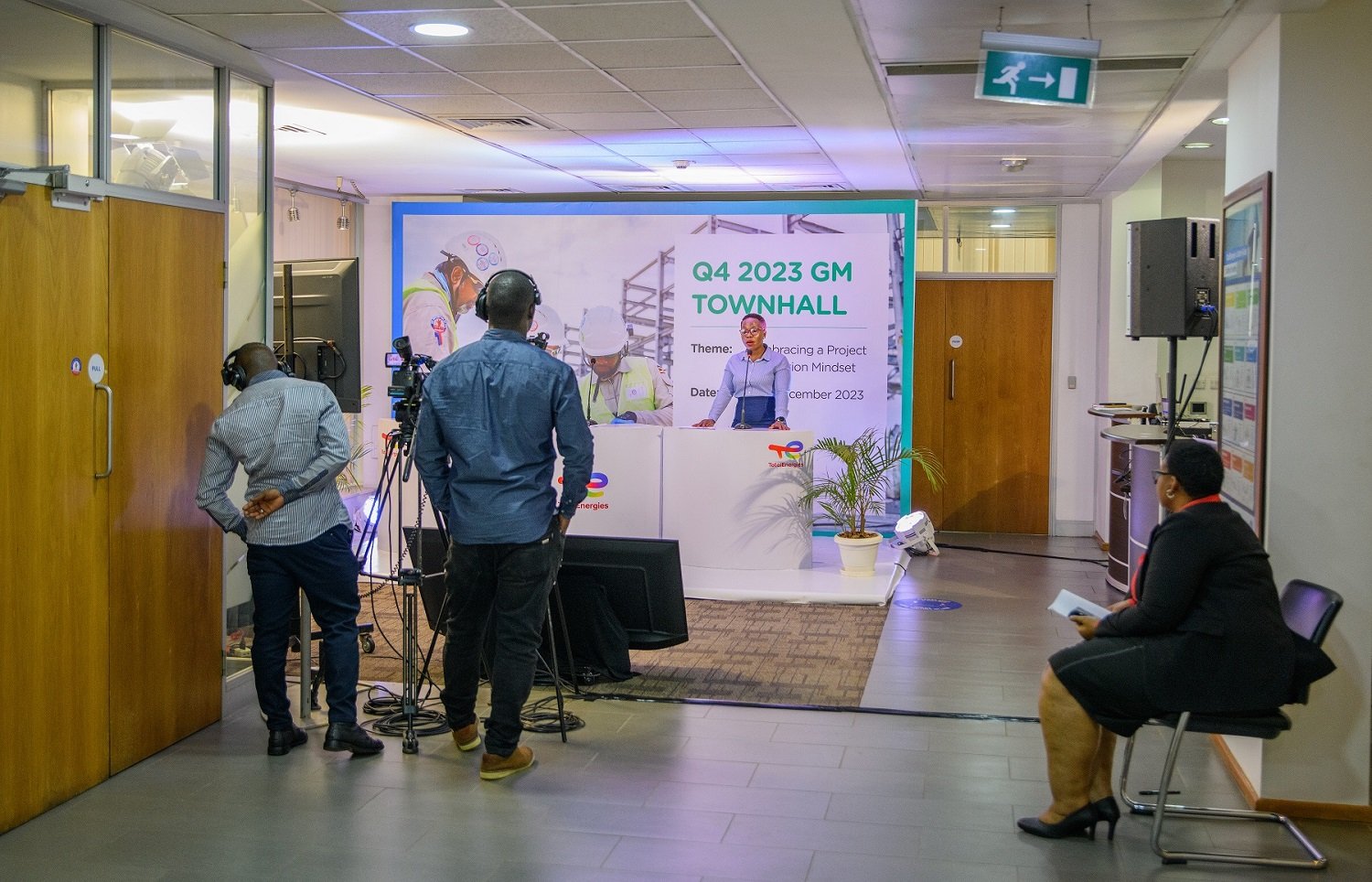
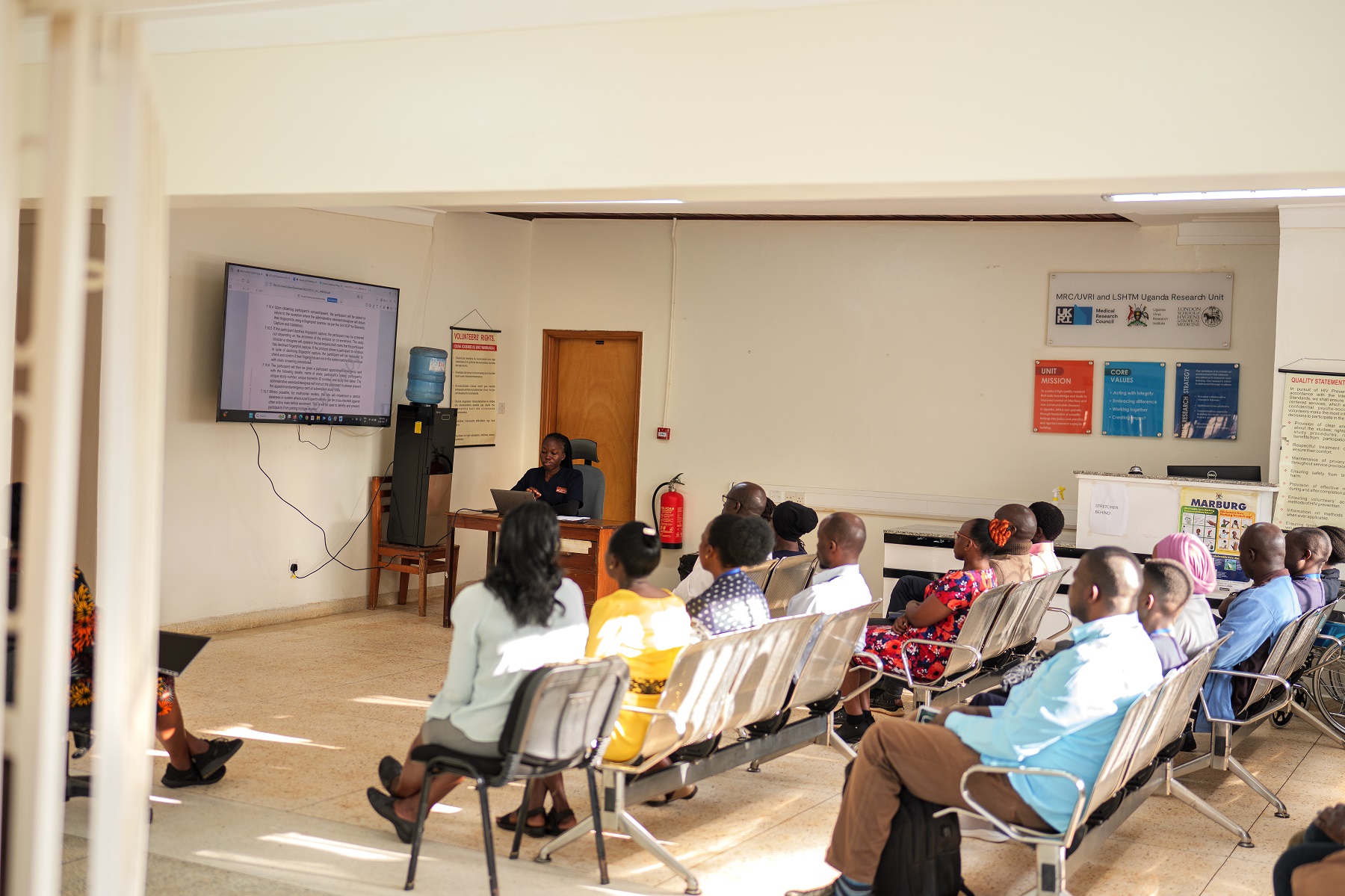
Speakers on stage are the backbone of most conferences. Good coverage captures presenters mid-gesture, engaged and animated, rather than static or mid-blink. Clean shots of the podium, the screen content and the speaker in relation to the audience all help convey scale and authority.

Panels and Discussions

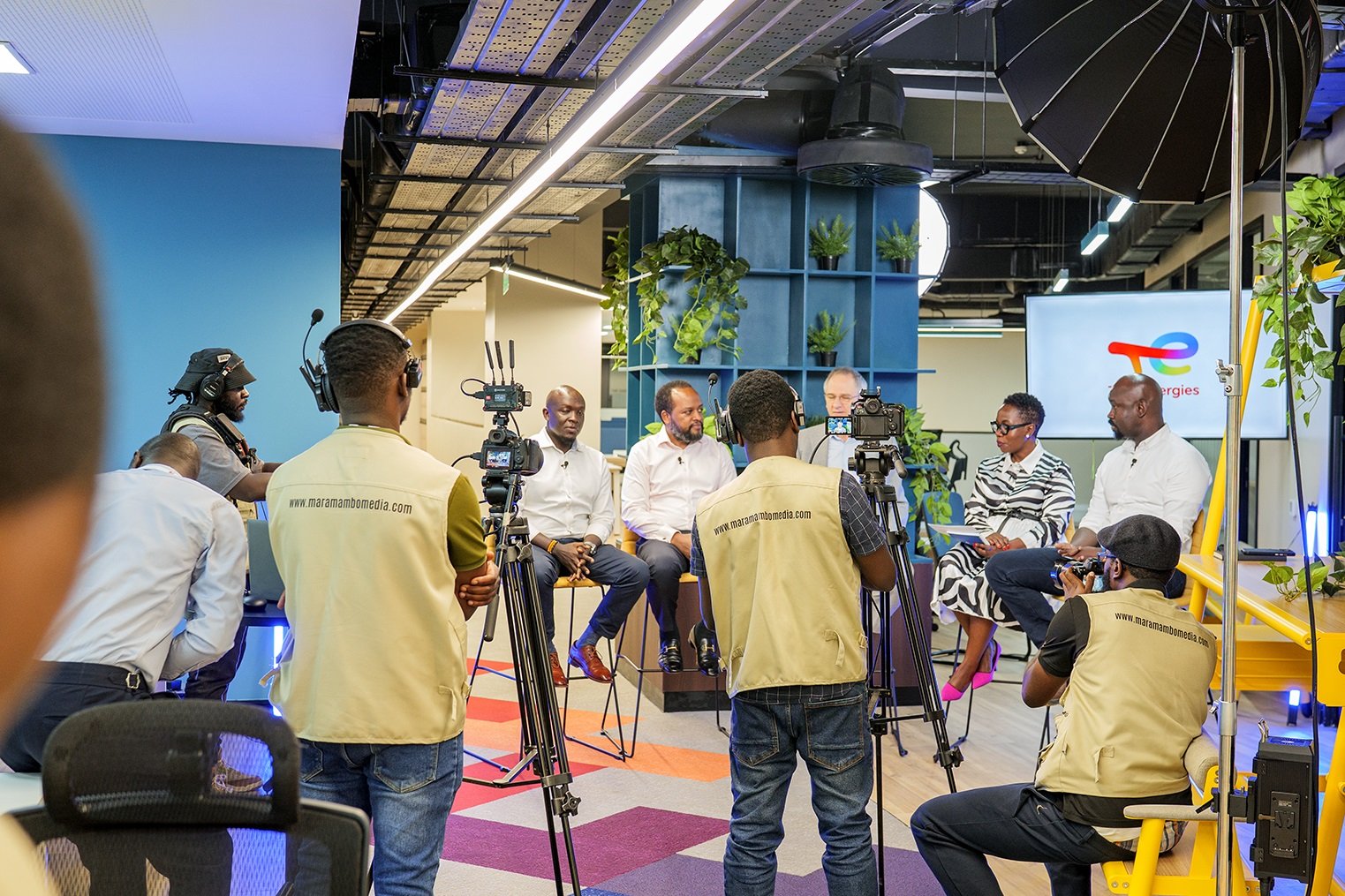
Panel sessions call for images that show interaction between participants, the moderator and the audience. Capturing a panellist making a point, alongside attentive listeners, communicates the depth of the conversation far better than a single posed line-up.

Networking and Candids

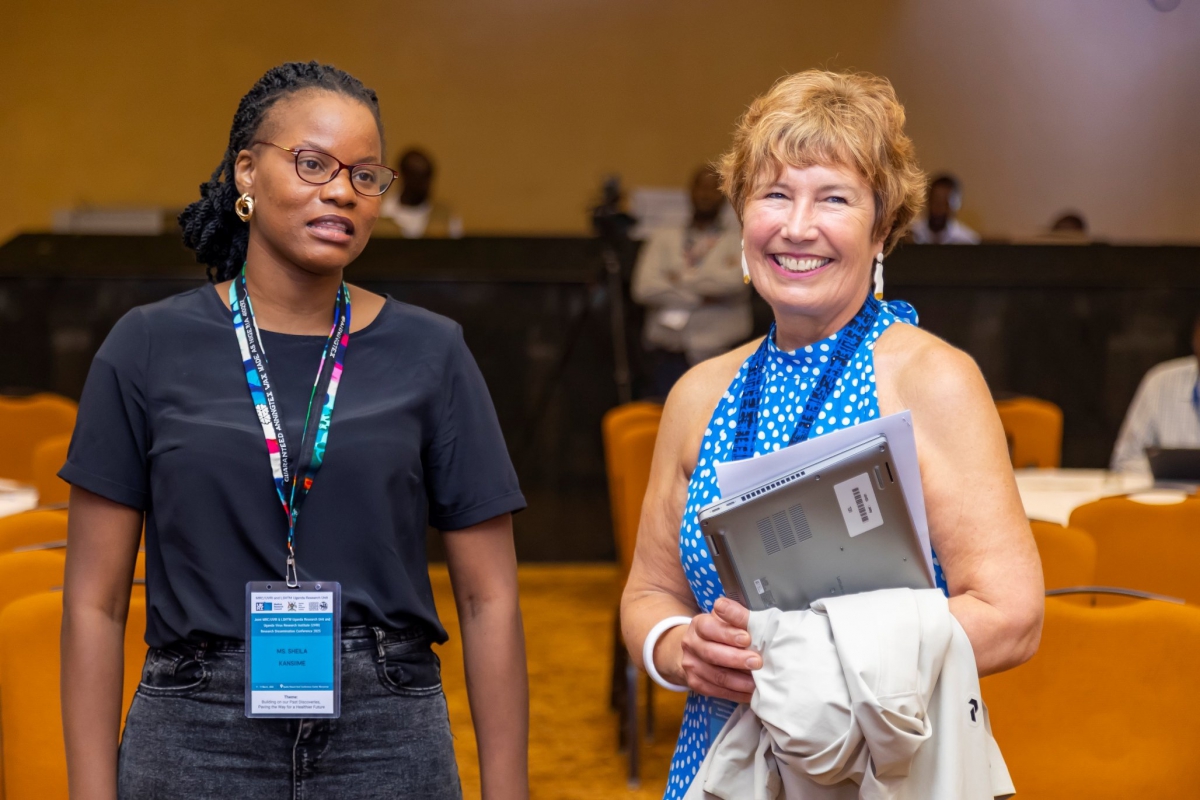
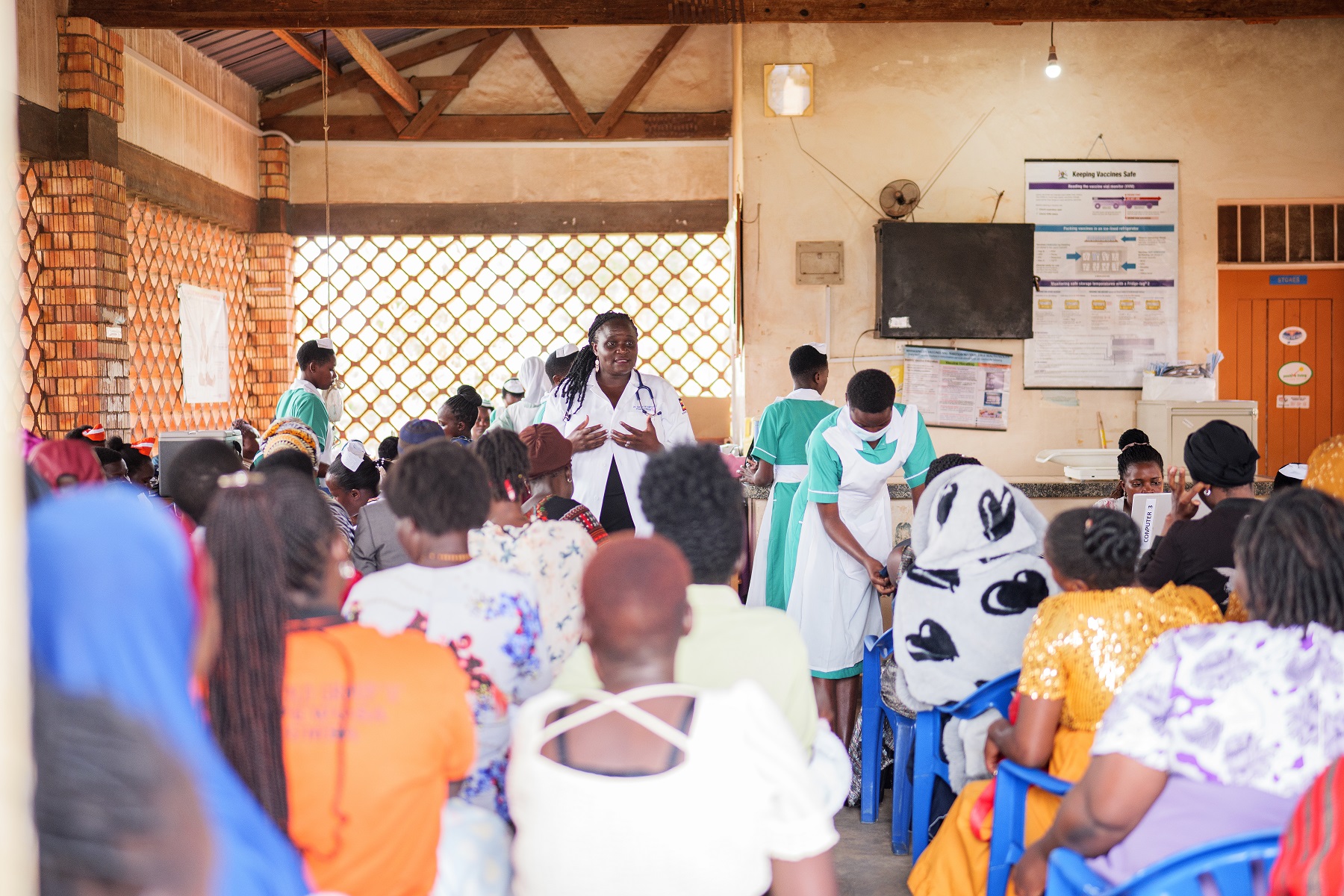
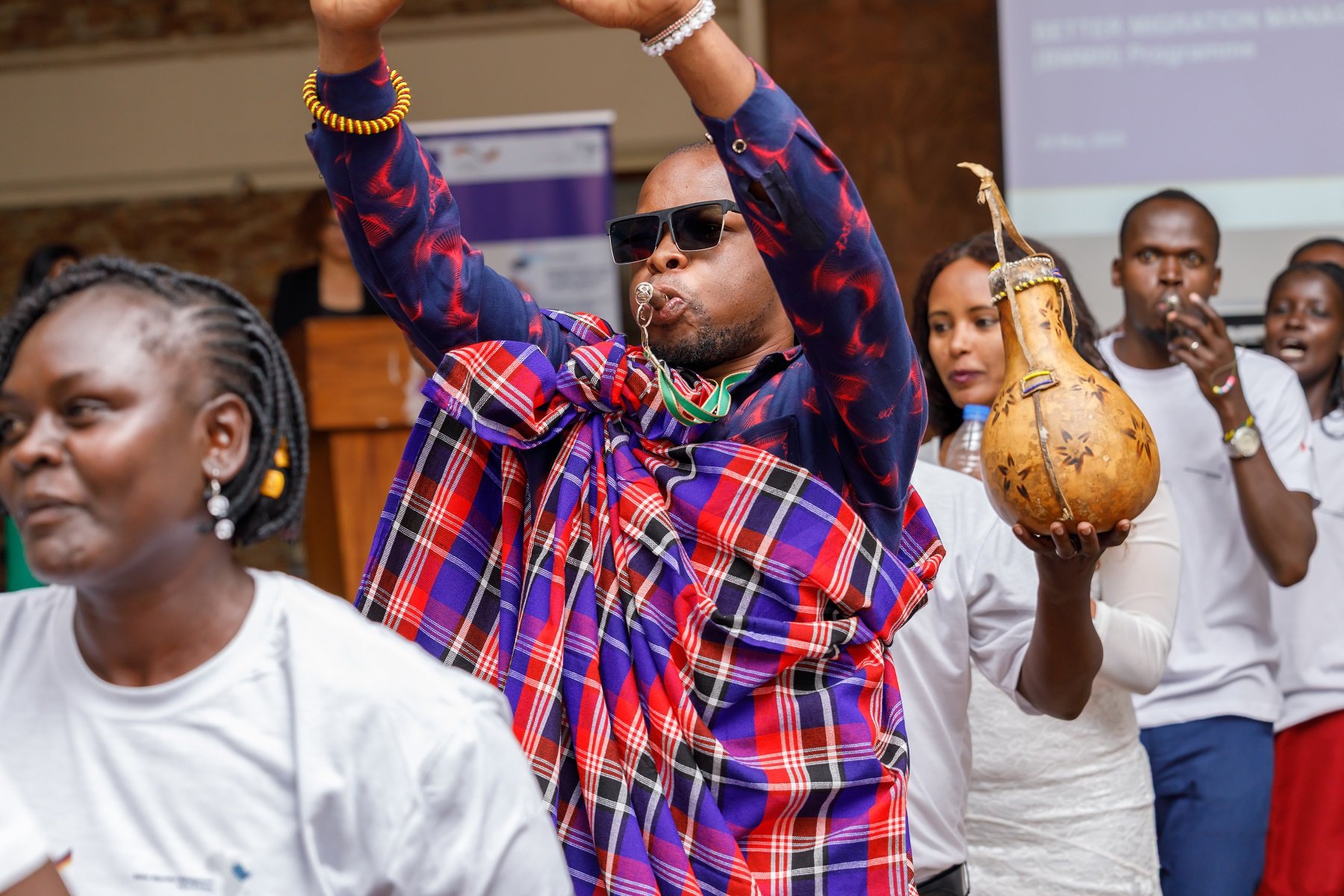
Some of the most valuable images come from the spaces between sessions. Delegates greeting one another, conversations over coffee and genuine laughter humanise your organisation and are often the most shared on social platforms. These candid moments require a patient, observant photographer who anticipates interactions before they happen.

Branding and Signage

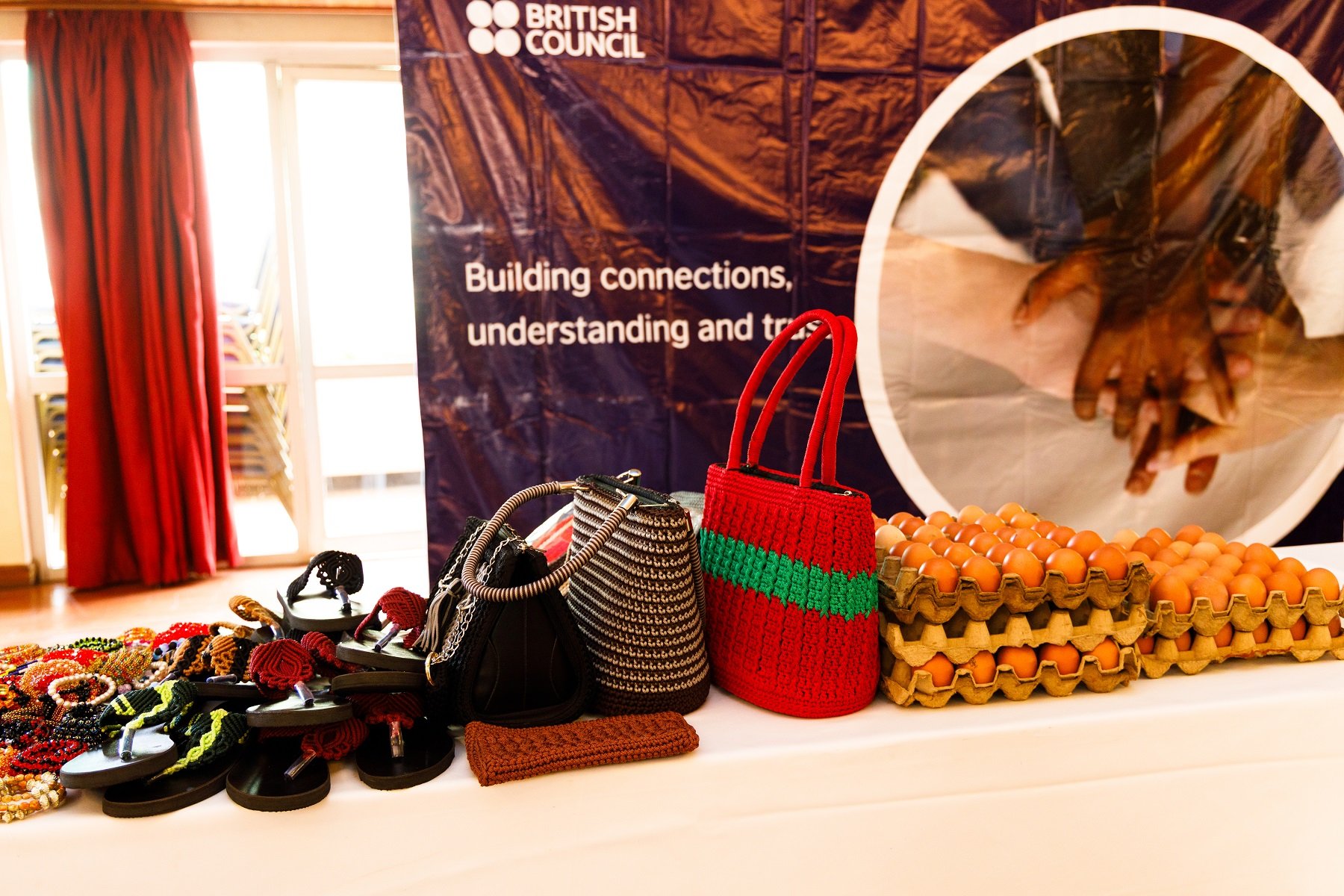
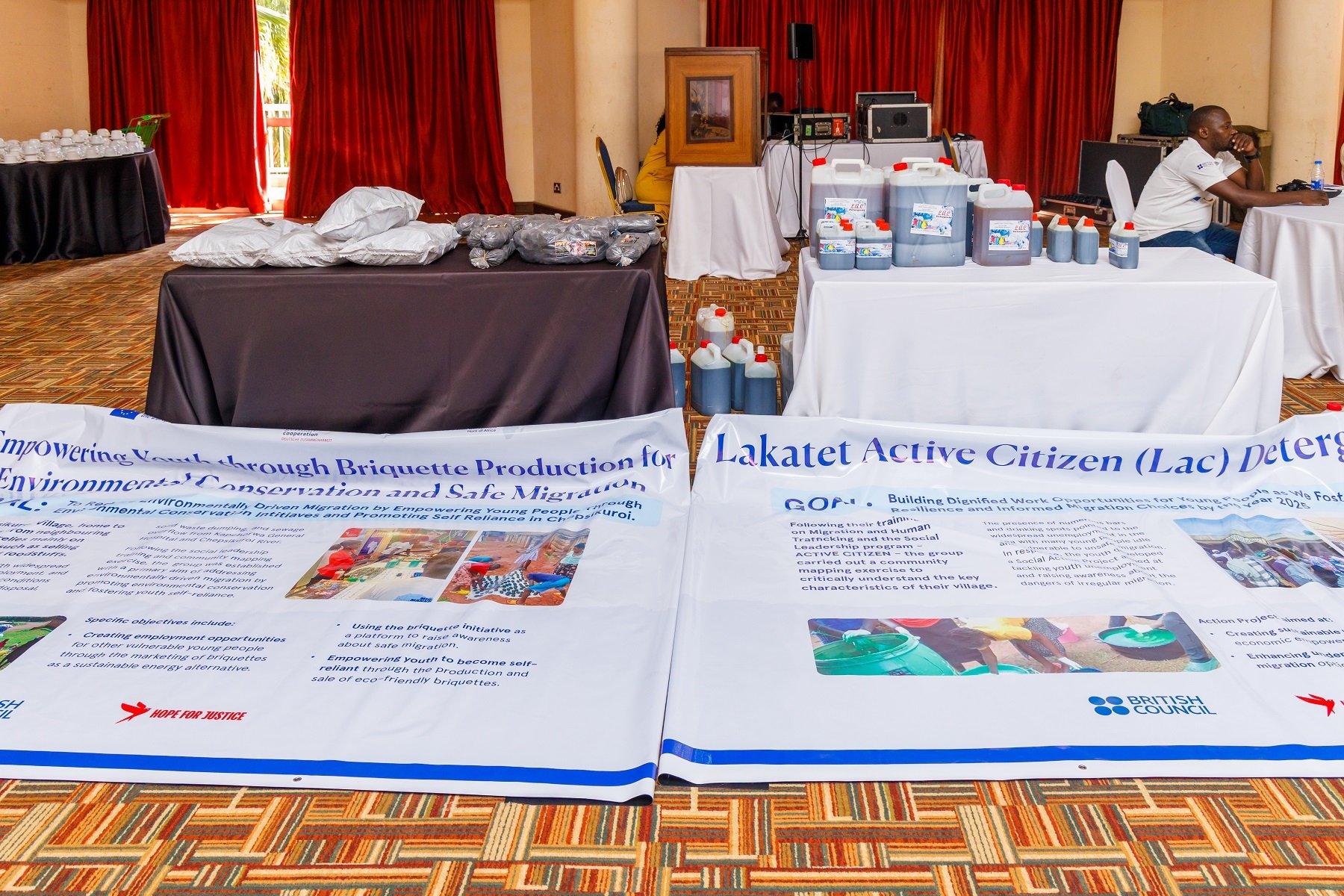
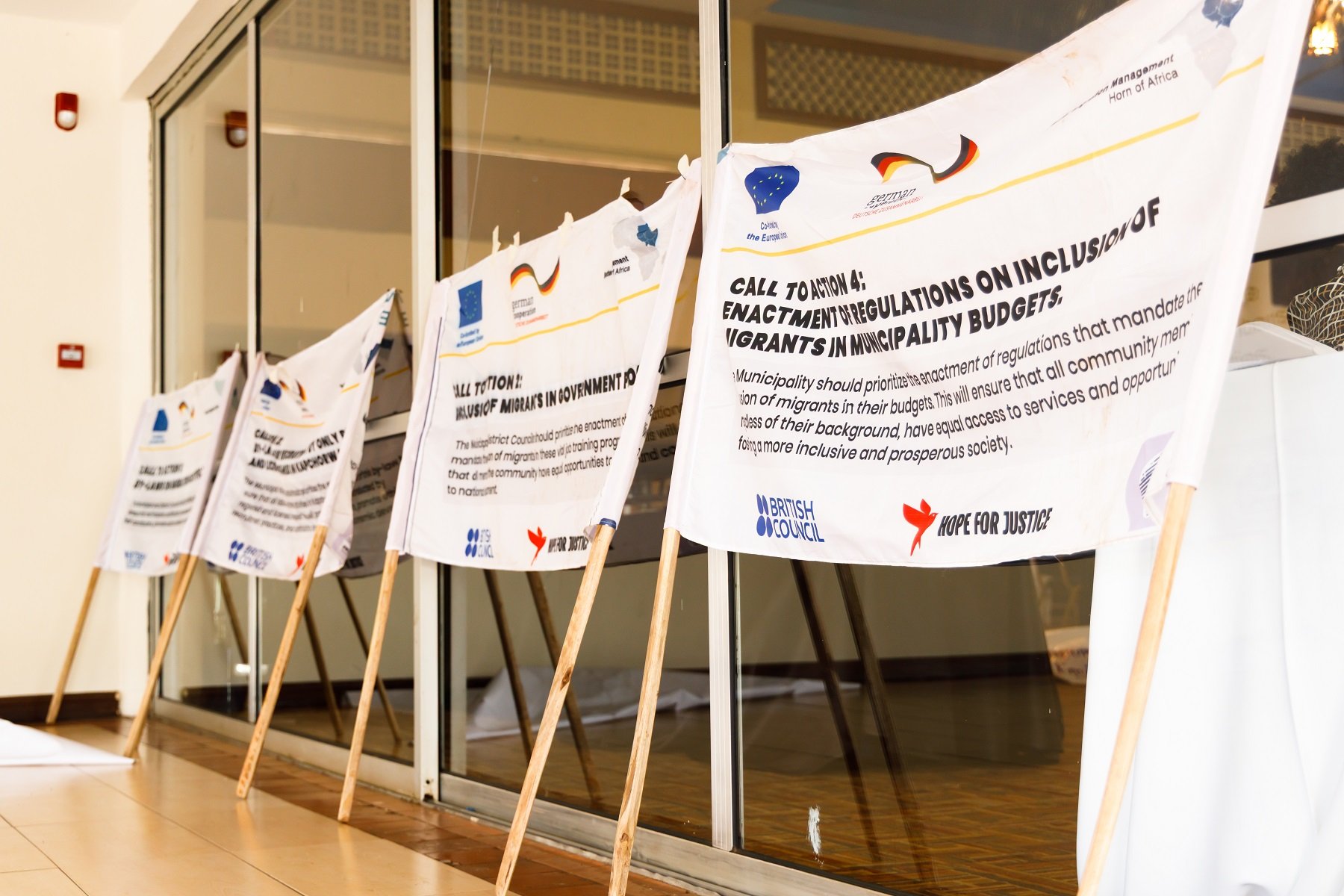
For corporate and donor-funded events, visible branding matters. Photographs should deliberately feature banners, step-and-repeat backdrops, stage sets, sponsor logos and branded materials. These images demonstrate visibility to partners and sponsors and are frequently required for reporting and acquittals.

The Venue and Atmosphere

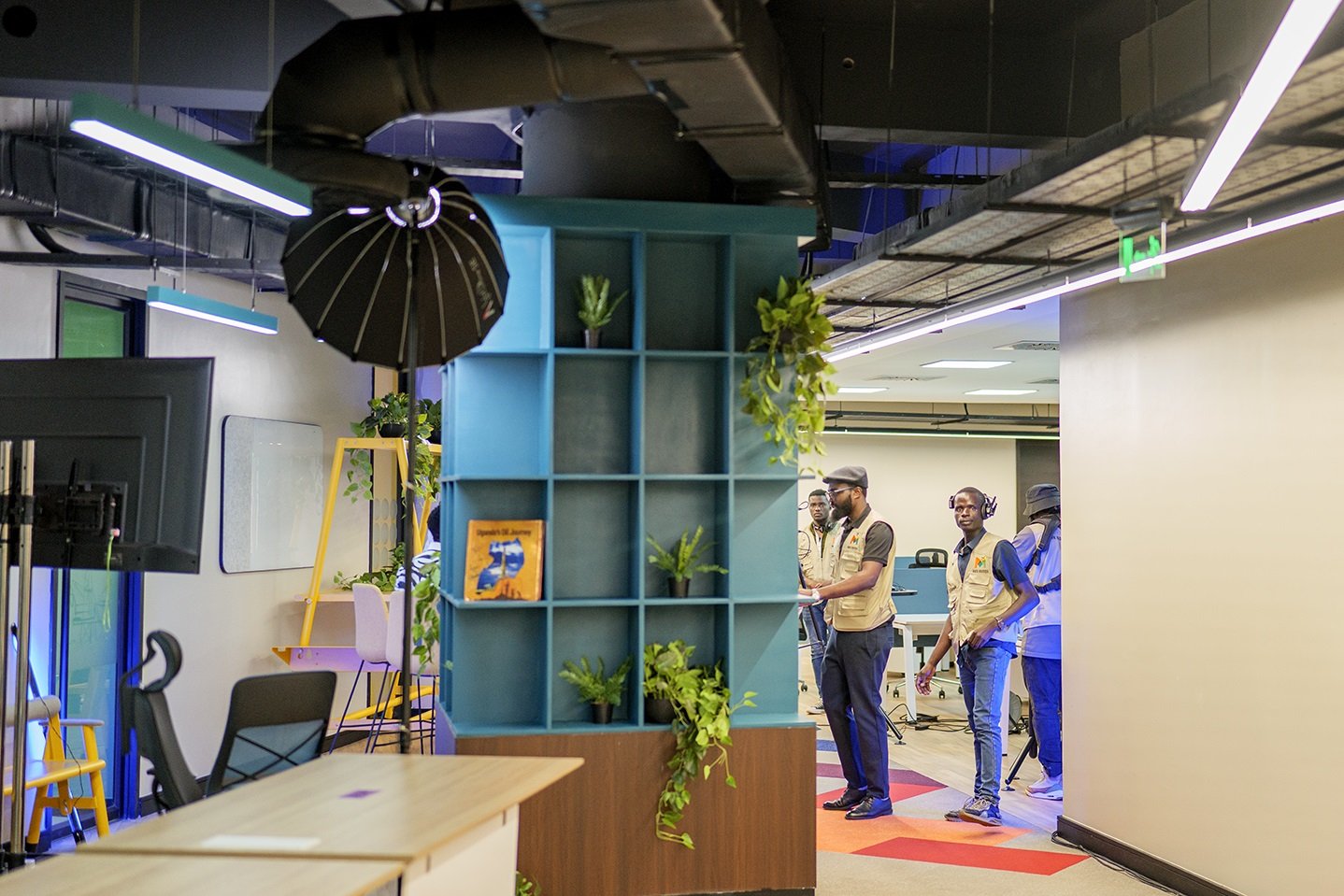
Wide establishing shots of a full hall, the registration desk, exhibition stands and decor set the scene and provide useful context. They are valuable for documenting attendance and the overall production quality of your event.

Coverage Timing and Duration

One of the most common questions organisers ask is how many hours of coverage they need. The honest answer is that it depends on your programme. A half-day workshop may need only a few hours, while a multi-day summit requires the photographer to be present from early setup through to the closing remarks.

It is wise to include some buffer before the official start time. Early arrivals, registration and the calm before proceedings often yield clean, uncluttered shots of your branding and venue. Agreeing on clear start and finish times in advance avoids confusion on the day and ensures the moments that matter most to you are covered.

Multiple Photographers for Large Events

For large conferences with parallel sessions, breakout rooms or several hundred attendees, a single photographer cannot be everywhere at once. Engaging two or more photographers ensures simultaneous coverage of concurrent activities, so a keynote in the main hall and a workshop next door are both documented.

Multiple shooters also allow one photographer to focus on formal stage coverage while another roams for candids and networking shots. For multi-day events, this approach maintains energy and consistency across the entire programme. Discuss the scale of your event early so the right team size can be planned.

Discreet, Professional Shooting

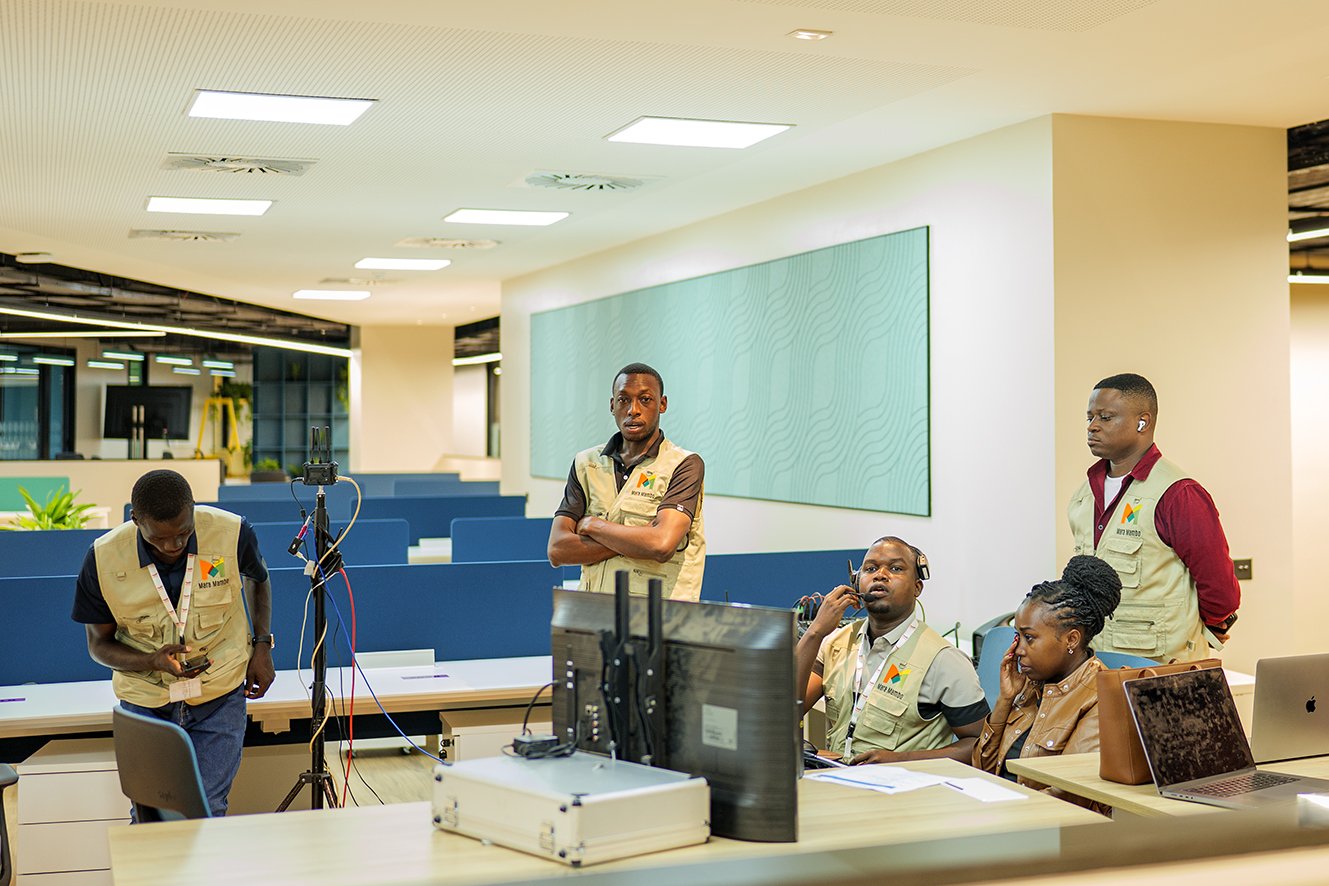
Professional event photographers understand that they are guests at your gathering, not the centre of attention. Discreet shooting means moving quietly, dressing appropriately for the setting and avoiding disruption during speeches, prayers or sensitive moments. The goal is to capture authentic scenes without delegates feeling watched or interrupted.

This sensitivity is especially important at government, NGO and development partner events, where protocol and decorum carry real weight. A seasoned photographer reads the room, respects formal proceedings and knows when to step back.

Same-Day and Highlight Edits

Many organisations now want images while the event is still generating interest online. A selection of edited highlights delivered on the same day, or shortly after, allows your communications team to post in real time and sustain momentum across social media.

These quick-turnaround highlights are typically a curated handful of the strongest frames, lightly edited and ready to share. The complete, fully edited gallery follows afterwards. If same-day delivery matters to you, raise it during planning so the workflow can be arranged in advance.

Delivery of Final Images

After the event, your photographer culls, edits and colour-corrects the images before delivering a complete gallery. Files are usually shared through a secure online gallery or cloud link, with high-resolution versions for print and reporting alongside web-optimised versions for digital use.

When agreeing on delivery, it is worth clarifying the expected turnaround time, the approximate number of final images, the file formats provided and any usage rights. Clear expectations here prevent surprises and ensure your team receives exactly what it needs.

Putting It All Together

Excellent event coverage is the result of preparation, professionalism and clear communication. From the first planning call to the final gallery, a skilled photographer works to document your event in a way that reflects your organisation’s standards. Whether you are running an intimate corporate breakfast or a regional summit, the same principles apply: brief thoroughly, capture the full story, shoot discreetly and deliver on time.

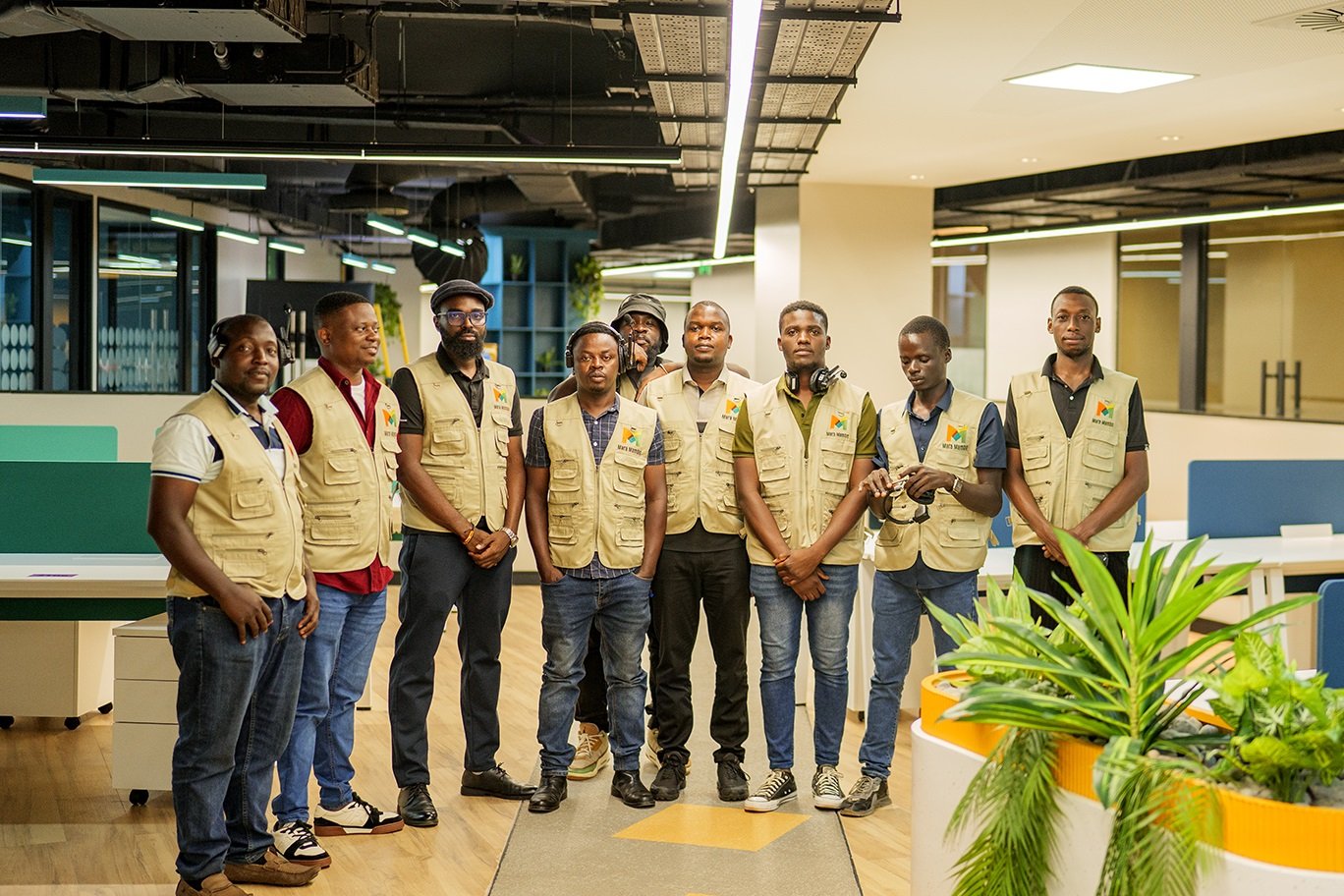
Mara Mambo Media provides professional photography services for organisations across Uganda and East Africa, with specialist experience in conference photography and corporate events. We understand the expectations of corporates, NGOs, government bodies and development partners, and we tailor our coverage to your programme and goals.

If you are planning a conference, summit, launch or corporate function, get in touch to book event coverage and let us help you capture every important moment with clarity and care.

How to Brief a Corporate Photographer for Better Results

2O5A3189

Great corporate images rarely happen by chance. The difference between a photo set you use for years and one that gathers dust on a shared drive usually comes down to one thing: the brief. A clear corporate photography brief tells your photographer exactly what you need, why you need it, and how it will be used — so the final images are on-brand, practical and ready to work across your website, reports and social channels. For organisations in Uganda and across East Africa, where time, budgets and stakeholder schedules are tight, a strong brief is the single most reliable way to protect your investment.

This guide walks you through everything to include, in plain terms, so you can hand your corporate photography partner a document that leaves nothing to guesswork.

Start With Purpose and Usage

Before you discuss cameras or locations, answer one question: what are these photographs for? The intended use shapes almost every other decision — framing, orientation, resolution and even how people are styled.

Be specific. “Photos for the company” is too vague. Instead, list the actual destinations:

  • Website banners and team pages
  • Annual reports or donor and investor documents
  • LinkedIn, Instagram and other social profiles
  • Press releases and media kits
  • Printed brochures, billboards or roll-up banners

Each use has different requirements. A website hero needs wide, horizontal compositions with space for text. Social posts often need square or vertical crops. Print demands high resolution. When your photographer knows the destination, they can shoot with the right framing and leave deliberate negative space for headlines and logos.

Share Your Brand Guidelines

Your images should look like they belong to your organisation, not like generic stock. If you have a brand guide, share it. If you do not, summarise the essentials in a few lines.

Useful details to include:

  • Colour palette — primary and secondary brand colours, so wardrobe, props and backdrops can complement rather than clash
  • Tone and mood — formal and polished, warm and human, energetic and modern
  • Reference images — three to five examples you admire, with a note on what you like about each
  • What to avoid — competitor styles, clichés, or visual treatments that feel off-brand

Reference images are especially powerful. A photographer can match a look far more reliably from examples than from adjectives alone.

Build a Shot List and Mark the Must-Haves

A shot list is the backbone of any good brief. It turns intentions into a checklist everyone can work from on the day. Group your shots into categories so nothing is forgotten:

  1. Leadership and team portraits — individual headshots, plus group shots of departments or the whole organisation
  2. Candid working moments — people in meetings, on calls, collaborating, or out in the field
  3. Environment and premises — your offices, signage, reception and workspaces
  4. Products, services or programmes — whatever your organisation actually delivers
  5. Detail shots — hands at work, equipment, documents, textures that add depth to a layout

Within that list, clearly flag the non-negotiables — the moments that absolutely must be captured, such as a CEO portrait, a signing ceremony, or a guest of honour. These are the shots that cannot be re-staged later, so they take priority if time runs short.

Plan Location and Timing

Location affects light, logistics and mood. Tell your photographer where the shoot will happen and what each space is like — indoors or outdoors, large or cramped, bright or dim. If a site visit is possible beforehand, it almost always pays off.

Timing matters just as much:

  • Natural light changes through the day; morning and late afternoon are often kinder than harsh midday sun, which is worth remembering for outdoor shoots in Kampala and beyond
  • Staff availability — block calendars for portraits so people are not pulled away mid-session
  • Quiet windows — schedule disruptive shots for when offices are calmest
  • Travel time — factor in Kampala traffic and any movement between sites

A realistic schedule with buffer time prevents the rushed, stressed feeling that shows up in people’s faces.

Brief Wardrobe and Setup

People want to know what to wear, and clear guidance saves everyone awkwardness. Share simple wardrobe notes ahead of time: whether the look is formal or smart-casual, which colours photograph well together, and what to avoid, such as busy patterns or logos from other brands.

For setups, confirm practical points in advance — power outlets for lighting, a private room for headshots, a tidy backdrop, and someone on your side designated to coordinate people and answer questions during the shoot. A named point of contact keeps the day moving.

Handle Consent Properly

Anyone who is clearly identifiable in a photograph intended for marketing or publication should know how their image will be used and agree to it. This protects both your organisation and the people you work with.

Good practice includes:

  • Informing staff in advance that a shoot is taking place and where images may appear
  • Using a simple written consent or model release form, particularly for community members, beneficiaries or event guests
  • Being especially careful with vulnerable groups and children, where written guardian consent and your own safeguarding policies should guide what is appropriate
  • Respecting anyone who prefers not to be photographed

For NGOs and development partners especially, dignified, consent-led imagery is not just ethical — it strengthens trust with the communities you serve.

Specify Deliverables and Turnaround

Spell out exactly what you expect to receive so there are no surprises. A clear deliverables section covers:

  • Formats — high-resolution files for print and optimised, web-ready versions for digital use
  • Quantity — roughly how many final, edited images you expect
  • Editing level — colour correction and retouching versus light adjustments only
  • Crops and orientations — if you need both horizontal and square versions, say so
  • Delivery method — a download link, gallery or drive
  • Turnaround — agree a realistic deadline, and flag any urgent images you need first

Agreeing these details in writing keeps expectations aligned and the project on schedule.

Agree on Licensing and Usage Rights

This is the detail most often overlooked, and the one that causes the most friction later. Clarify upfront who owns the images and how widely you are allowed to use them. Discuss whether your agreement covers unlimited internal and marketing use, how long the rights last, and whether the photographer may also use the work in their own portfolio.

Putting usage rights in writing means you can confidently reuse your images across campaigns, reports and platforms for years without revisiting the question. A reputable provider of photography services will set this out clearly from the start.

Bringing the Brief Together

You do not need a long document — a single, well-organised page covering purpose, brand, shot list, location and timing, wardrobe, consent, deliverables and rights will transform your results. The clearer your brief, the more your photographer can focus on what they do best: capturing images that tell your organisation’s story with confidence and care.

Ready to plan your next shoot? Share your goals with us and we will help you shape a brief that delivers exactly the images you need. Brief our team today and let us turn your vision into a polished, on-brand library of corporate imagery.

Mara Mambo Media

Mara Mambo Media is a team of young, creative, and versatile production professionals driven by passion and precision. We stand among Uganda’s leading media production companies, mastering the art and trade of videography, photography, and 3D animation.

At our core, we are storytellers. We believe in the power of human narratives — stories that inform, entertain, educate, and inspire. Every idea we craft begins with your story. From that story, we design compelling visual experiences that move people and meet the unique purpose of your brand or audience.

Mara Mambo Media was founded on a simple yet profound belief:
that media — whether visual, audio, or artistic — needed a new lens, a fresh perspective, and a deeper purpose. We represent that shift. Our work embodies transformation, creativity, and authenticity.
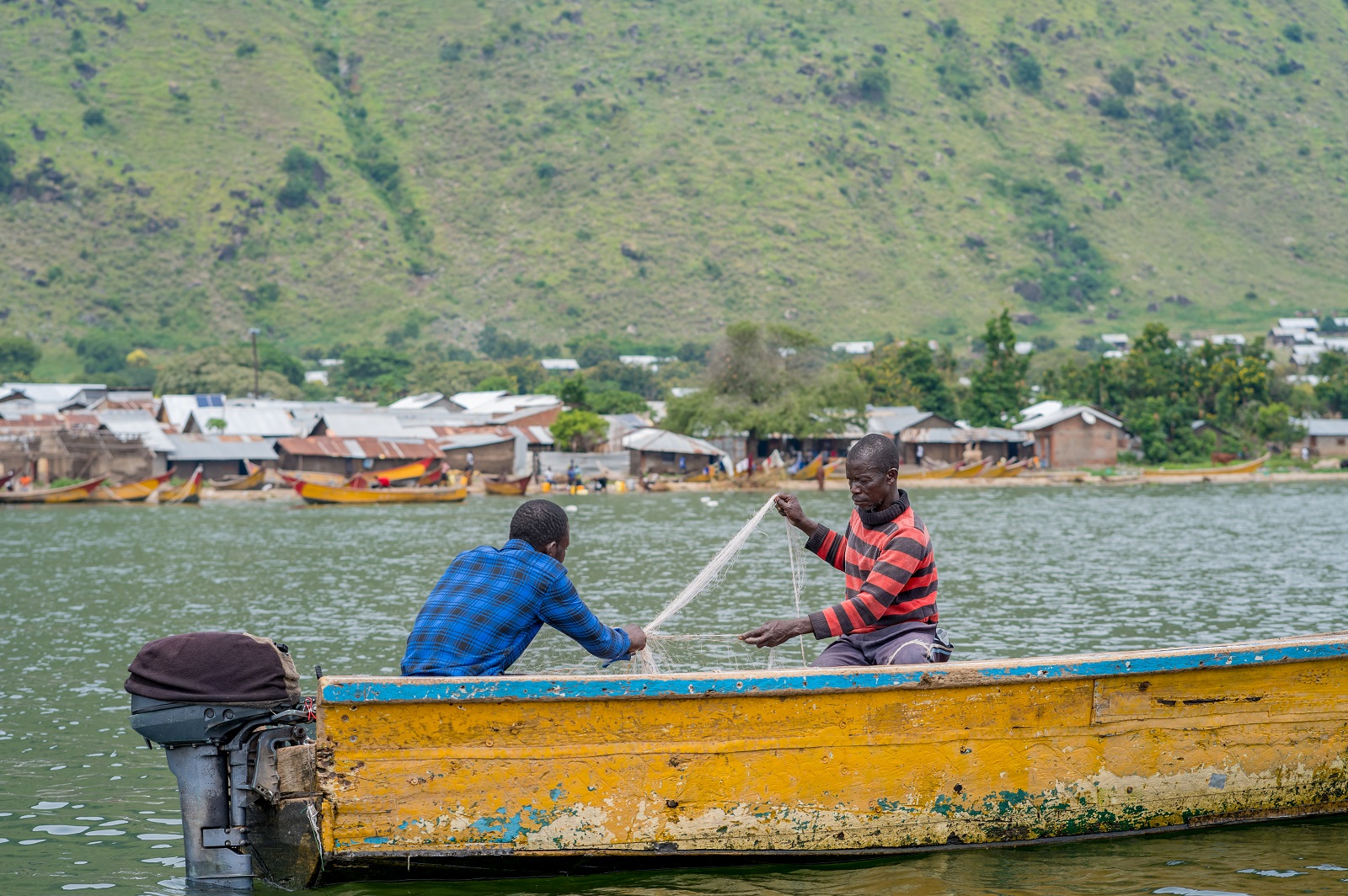
Our name, Mara Mambo, draws inspiration from the breathtaking beauty of the Masai Mara — a place of color, wonder, and life. From that inspiration, we visualize stories that mirror the magic of our clients’ ambitions.
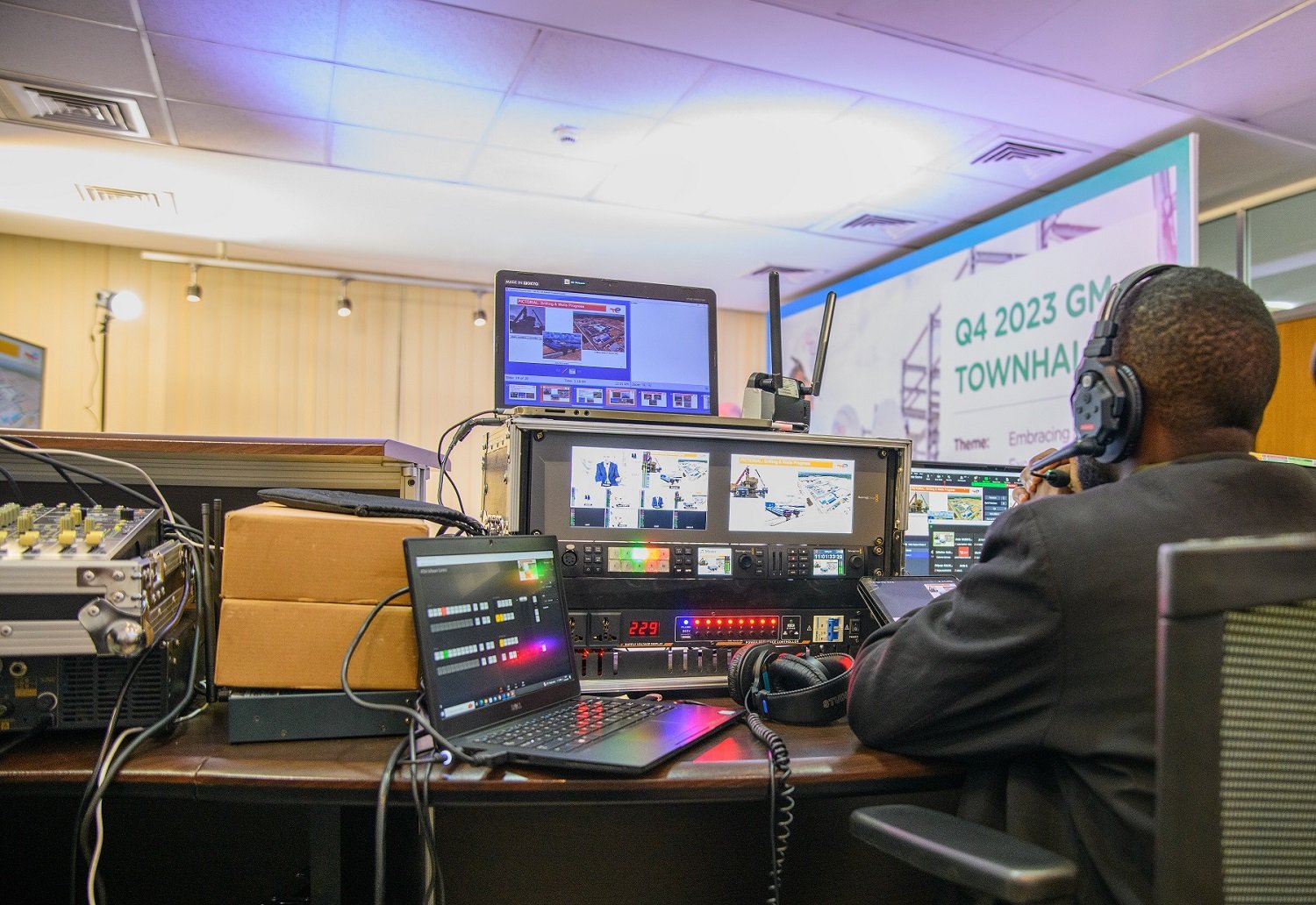
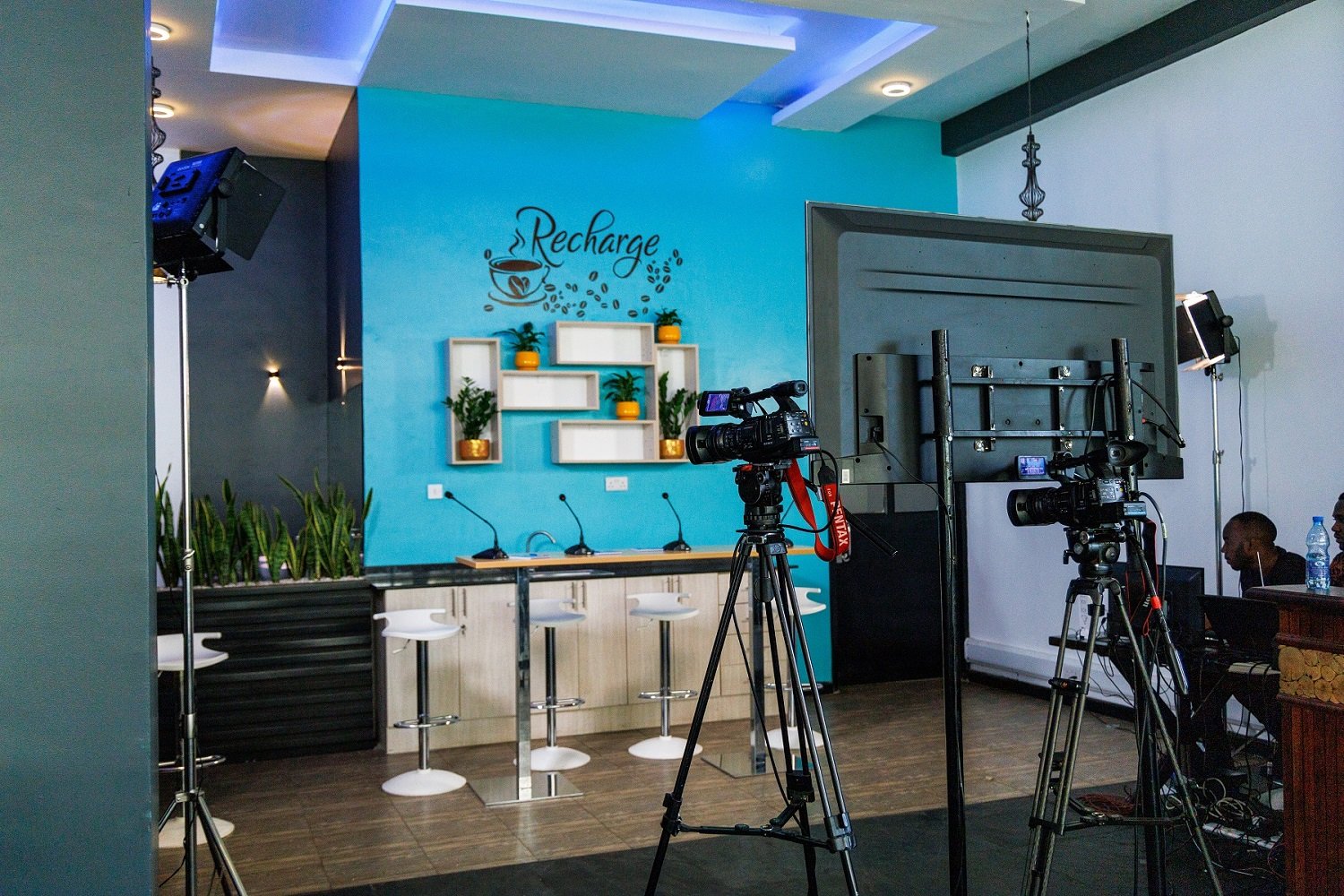
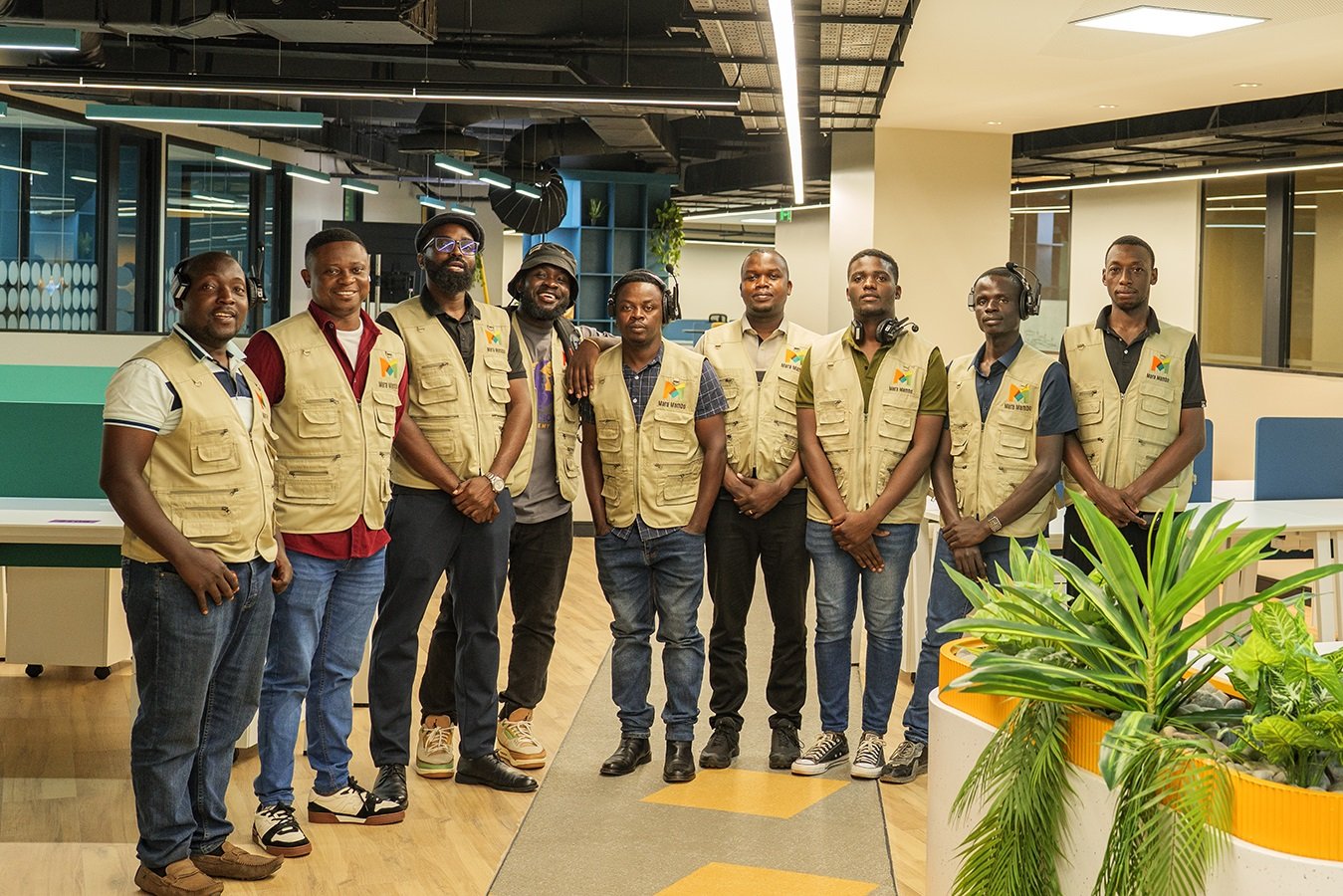
Our team combines over eight years of professional experience across multiple disciplines. We bring together diverse talents — men and women who are qualified, imaginative, and relentlessly committed to quality. For every project, we invest time in strategic planning, detailed execution, and uncompromised standards. We never cut corners. We go beyond expectations.

Through every production — big or small — we deliver value, creativity, and reliability. We work longer, think deeper, and move faster because we care about our clients’ stories and the impact they make.

At Mara Mambo Media, we don’t just produce content — we craft experiences that change, transform, and connect.