How to Live-Stream a Conference in Kampala: A Planning Guide

Streaming Live

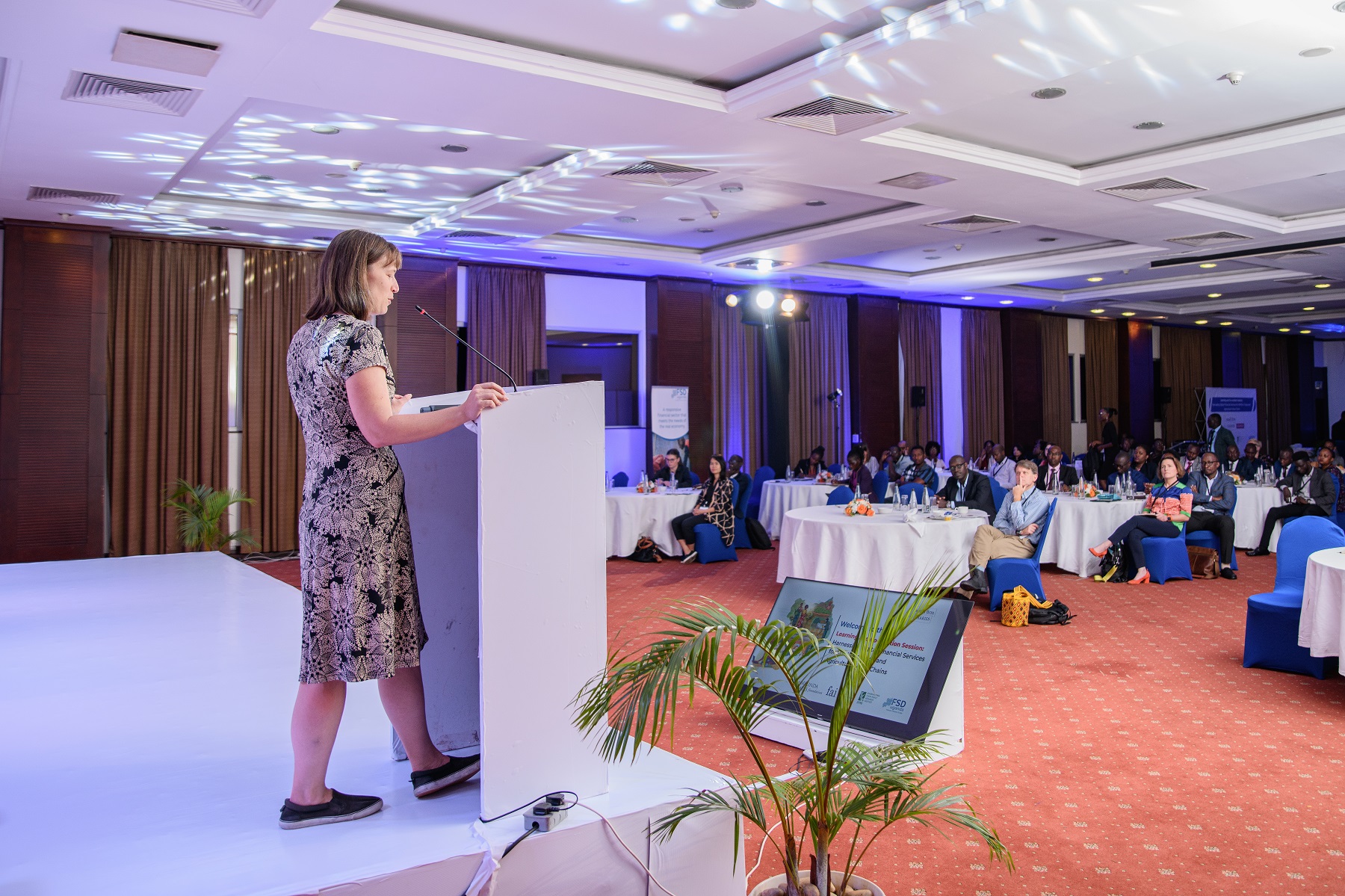
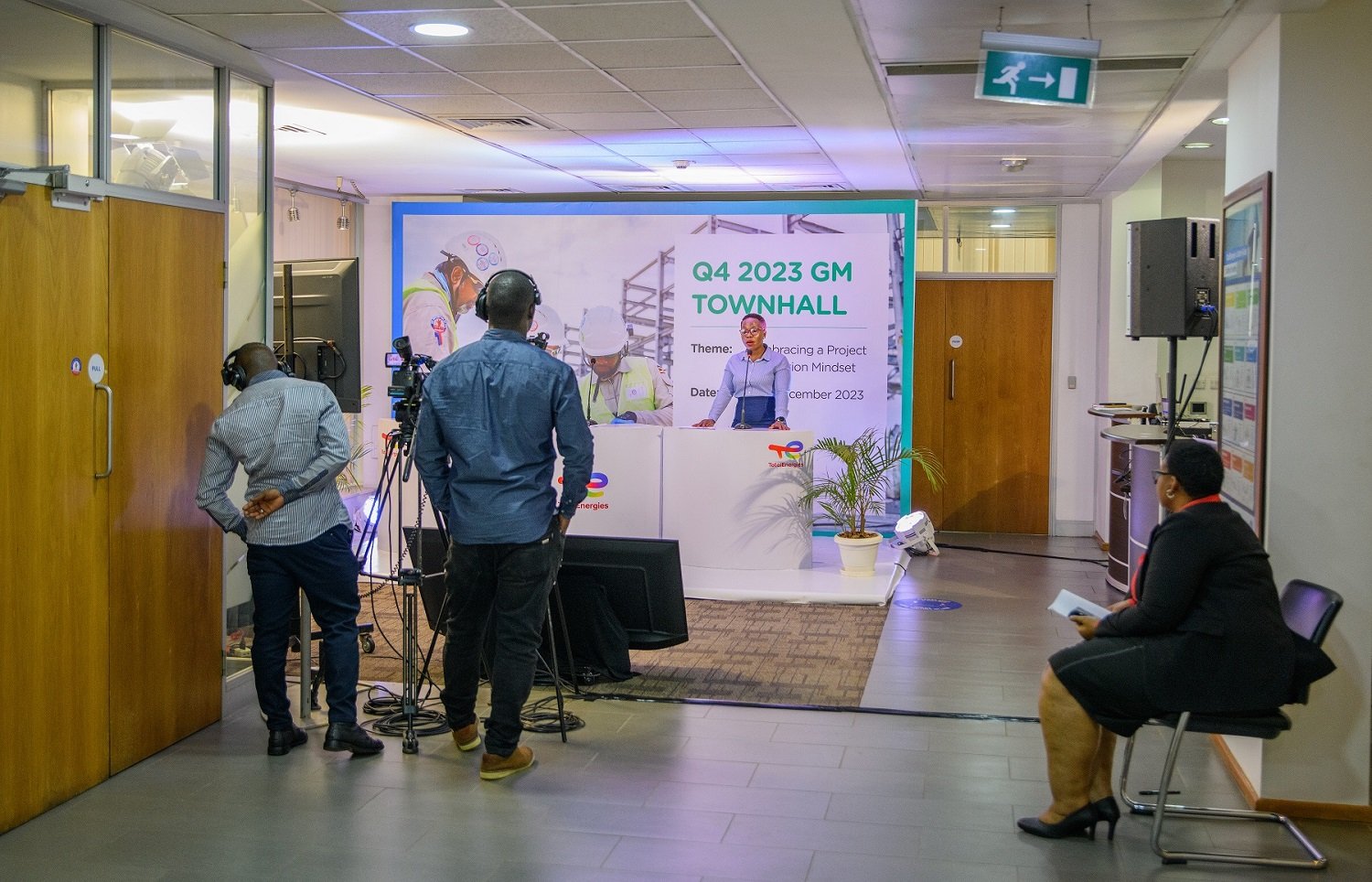
Live-streaming a conference has become one of the most effective ways to extend the reach of an event far beyond the room it happens in. For organisers in Kampala, a well-produced stream means your speakers, partners and delegates across Uganda, East Africa and the diaspora can take part in real time. But a professional broadcast is the result of careful planning, not luck. This guide walks you through everything you need to consider, from goals and platforms to the local realities of live streaming services in Uganda.

Start With Your Goals and Audience

Before you think about cameras or platforms, define what success looks like. Are you broadcasting to maximise public reach, or hosting a private, registration-only session for a select audience? Do you want viewers simply to watch, or to interact, ask questions and download materials? Your answers shape every technical decision that follows.

Consider who your audience is and where they are. A stream aimed at Ugandan delegates who could not travel to Kampala has different needs from one targeting international partners in another time zone. Clarifying the purpose early prevents expensive changes later and helps you measure whether the stream actually delivered value.

Choosing the Right Platform

The platform you stream to should match your goals, not the other way around. Each option has strengths:

  • YouTube Live is excellent for public reach, offers a reliable player, archives your recording automatically and embeds easily on your website.
  • Facebook Live works well when your audience already follows your organisation’s page and you want social sharing and comments built in.
  • Zoom or a dedicated webinar platform suits private, interactive sessions where registration, polls and structured Q&A matter more than open reach.
  • Hybrid setups stream simultaneously to several destinations, or combine an in-person audience with remote viewers and remote speakers joining live.

For many conferences, a hybrid approach delivers the best of both worlds, but it also demands the most planning. Decide early, because the platform affects your encoder settings, branding and engagement strategy.

Internet and Redundancy: The Make-or-Break Factor

In Uganda, connectivity is the single biggest risk to any live broadcast, and it deserves more attention than any other technical element. A dropped stream at the keynote moment undoes months of planning. Plan as if your primary connection will fail, because one day it will.

  • Test the venue’s bandwidth in advance. A speed test on the actual event network, at a time of day similar to your event, tells you far more than a promise from the venue.
  • Always carry a backup connection. A second internet source on a different provider, ideally a different technology such as a separate fibre line or a 4G connection, protects you if the main link drops.
  • Use a bonding or automatic failover device where possible, so the stream switches connections seamlessly without viewers noticing.
  • Reserve generous headroom. Streaming needs stable upload speed, not just download. Never plan to use every last megabit of the available bandwidth.

Treat power the same way. Pair your connectivity plan with a backup power source so a brief outage does not end your broadcast.

Multi-Camera Setups

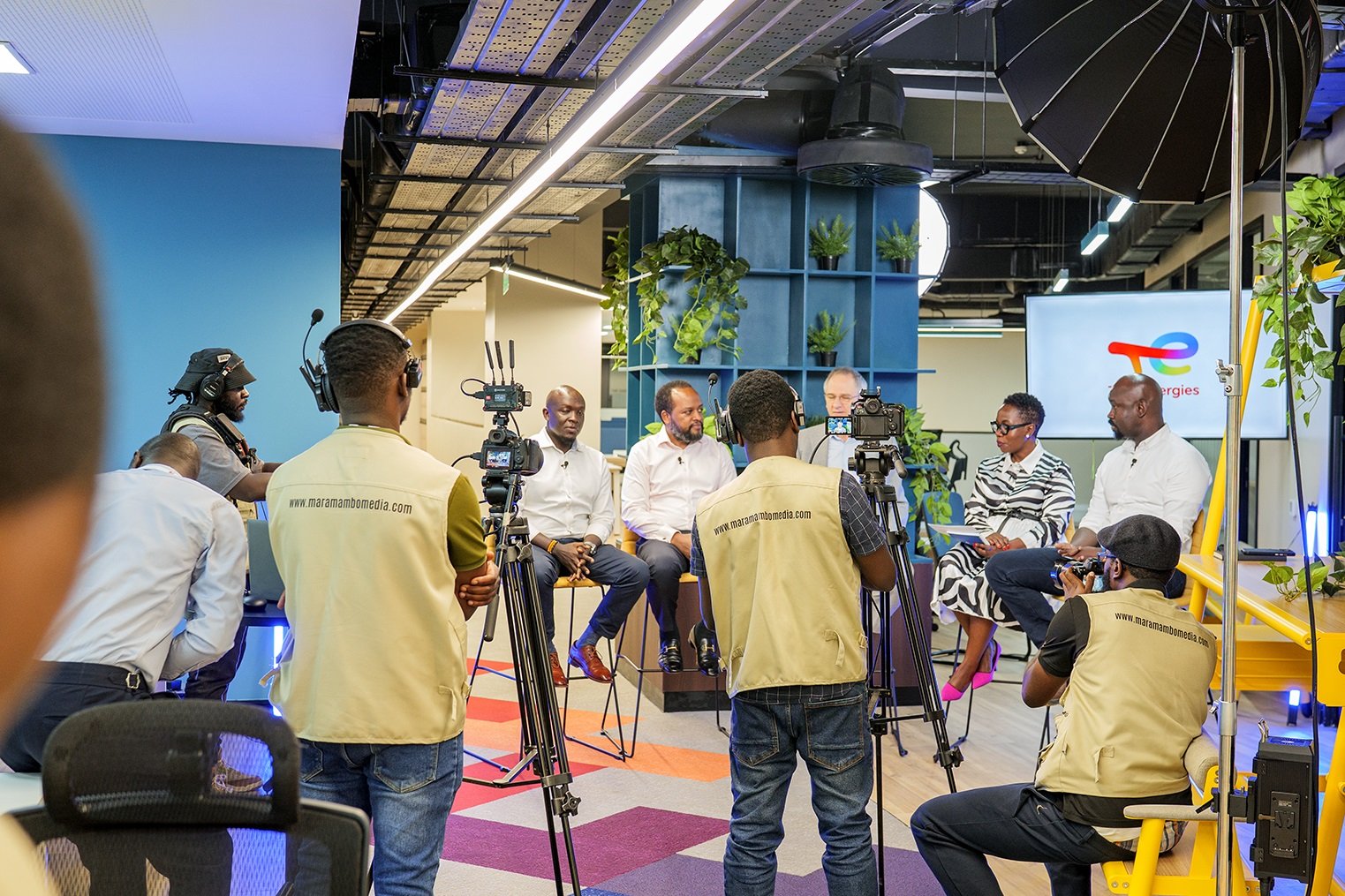
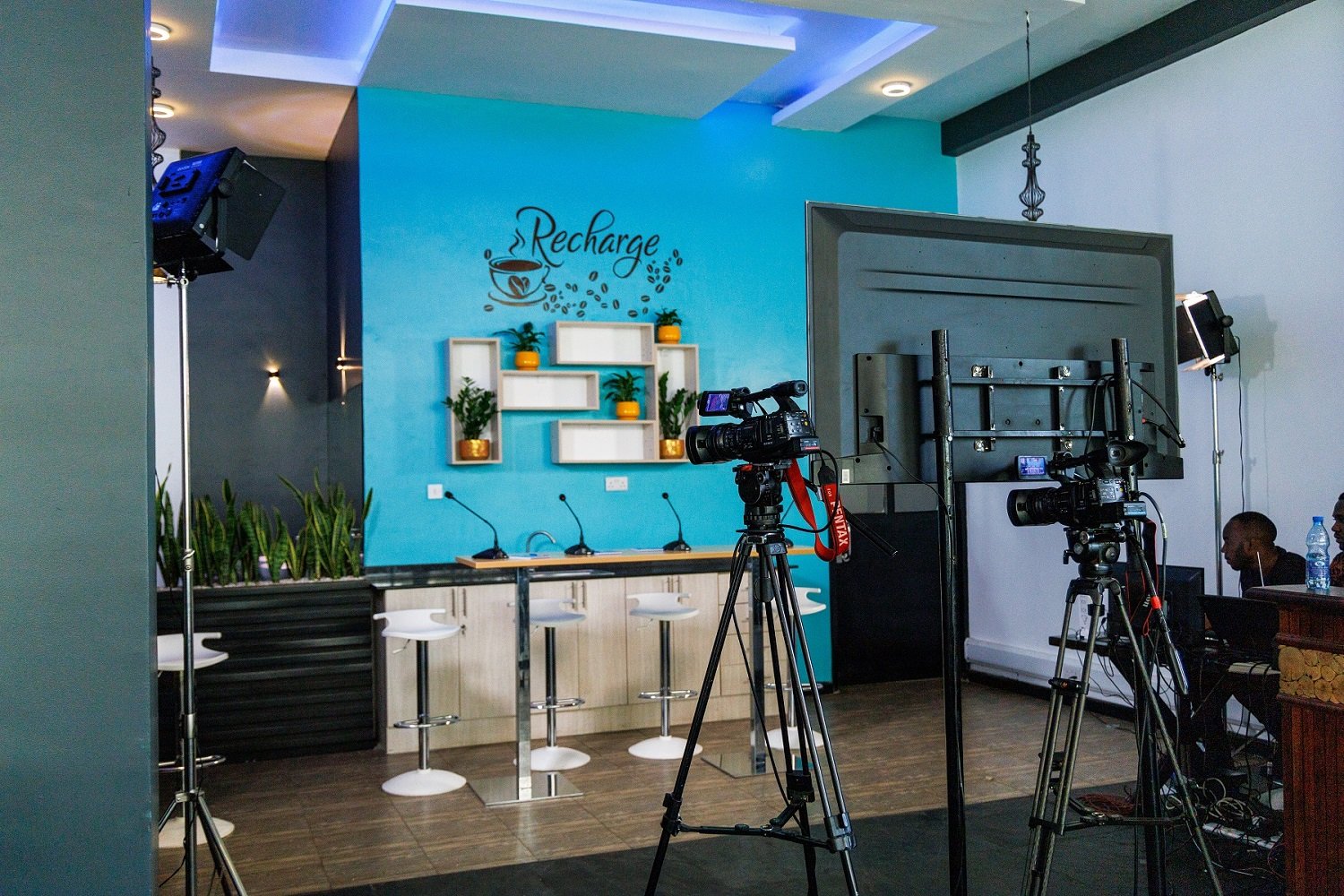
A single static camera can work for a short talk, but a conference deserves more. A multi-camera setup keeps the broadcast visually engaging and lets you cut between a wide stage shot, a close-up of the speaker and a view of the slides or panel.

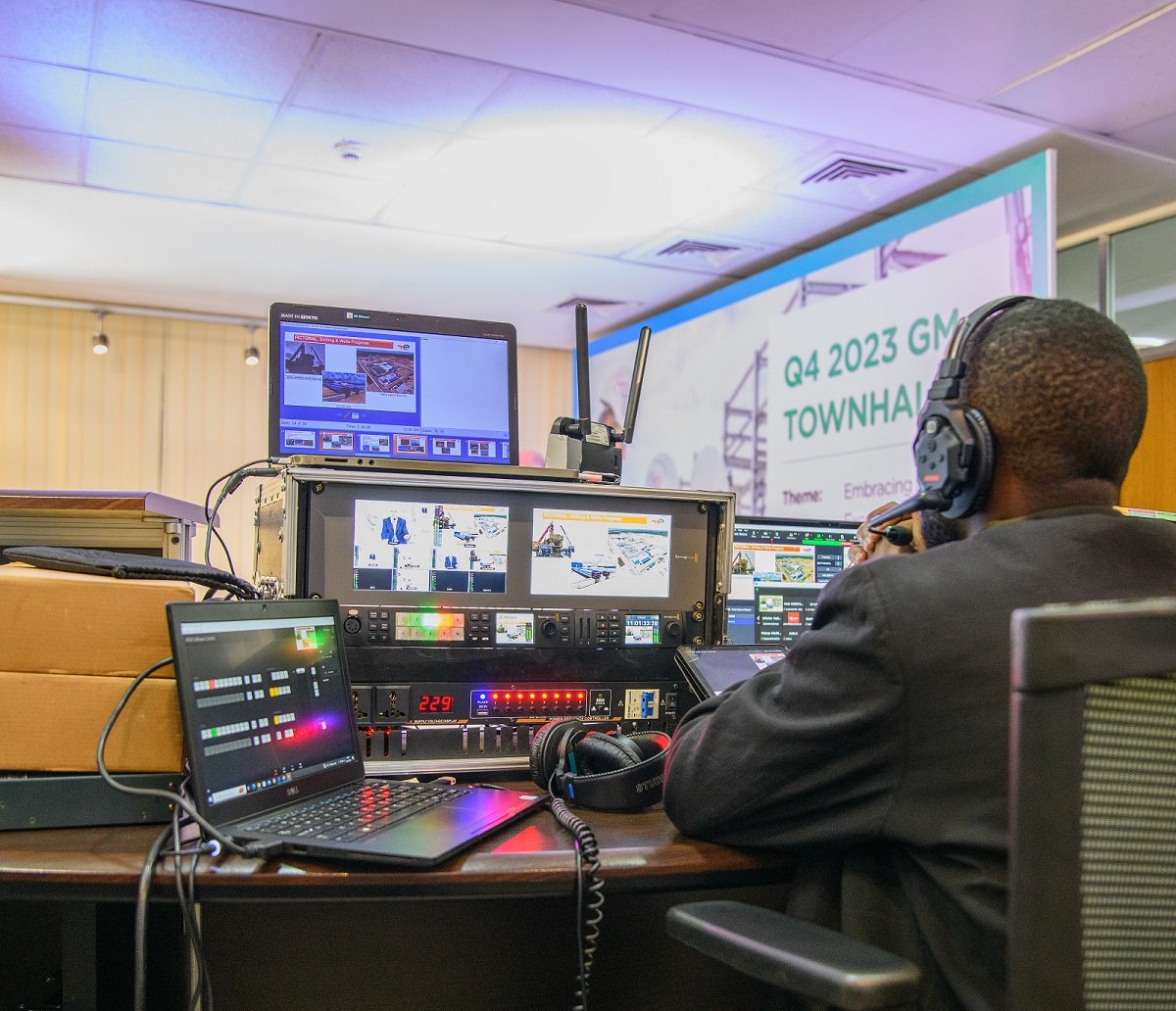
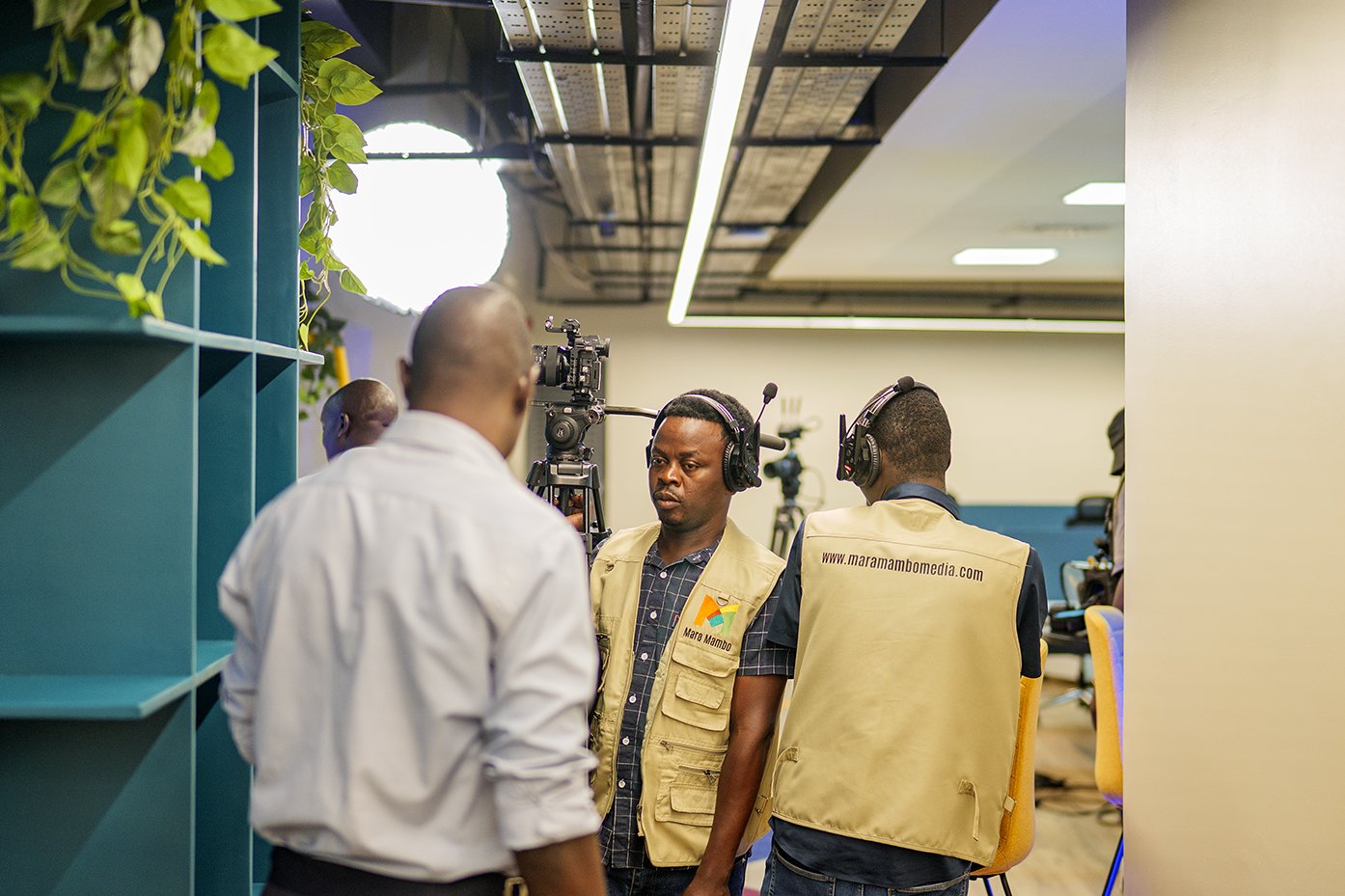
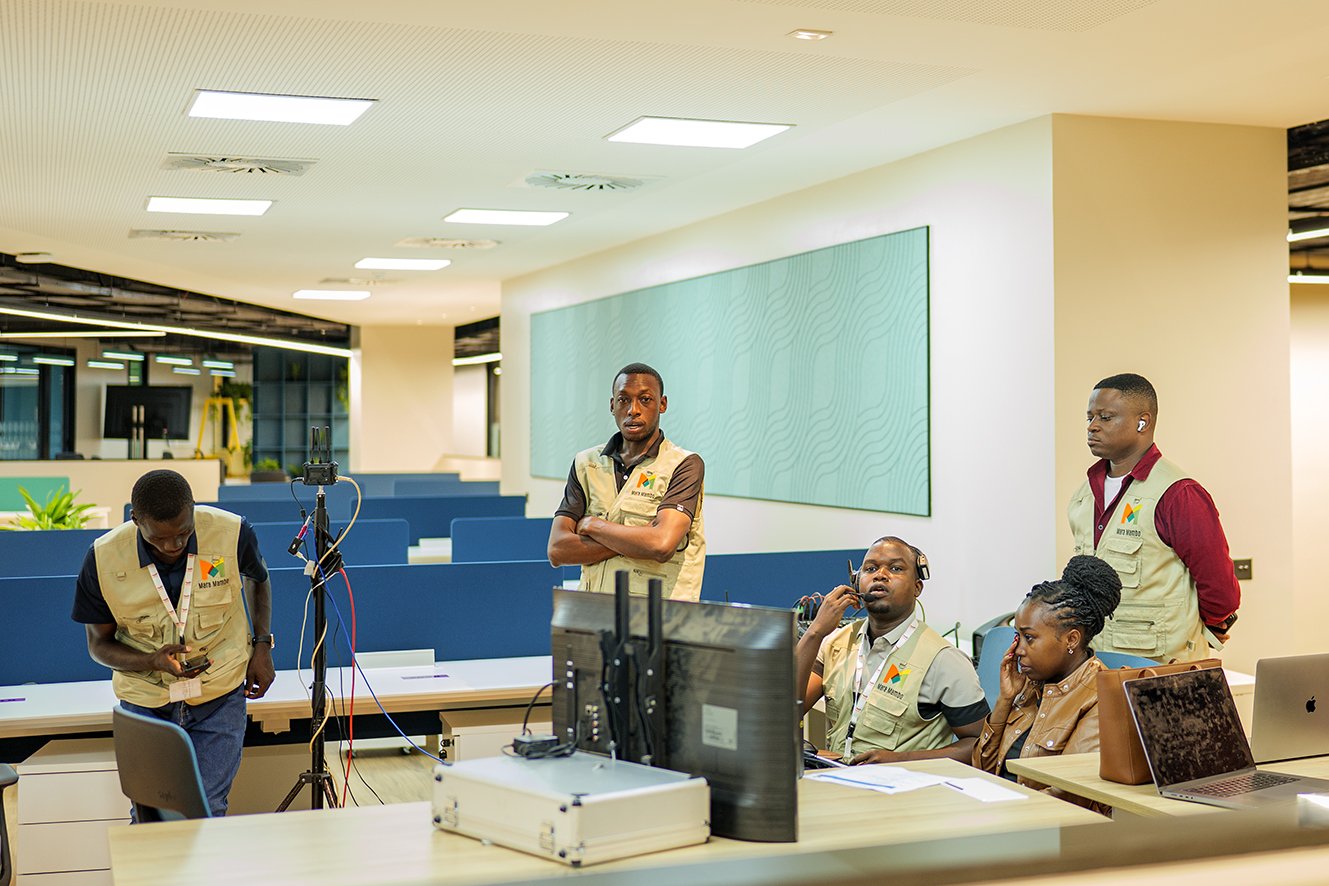
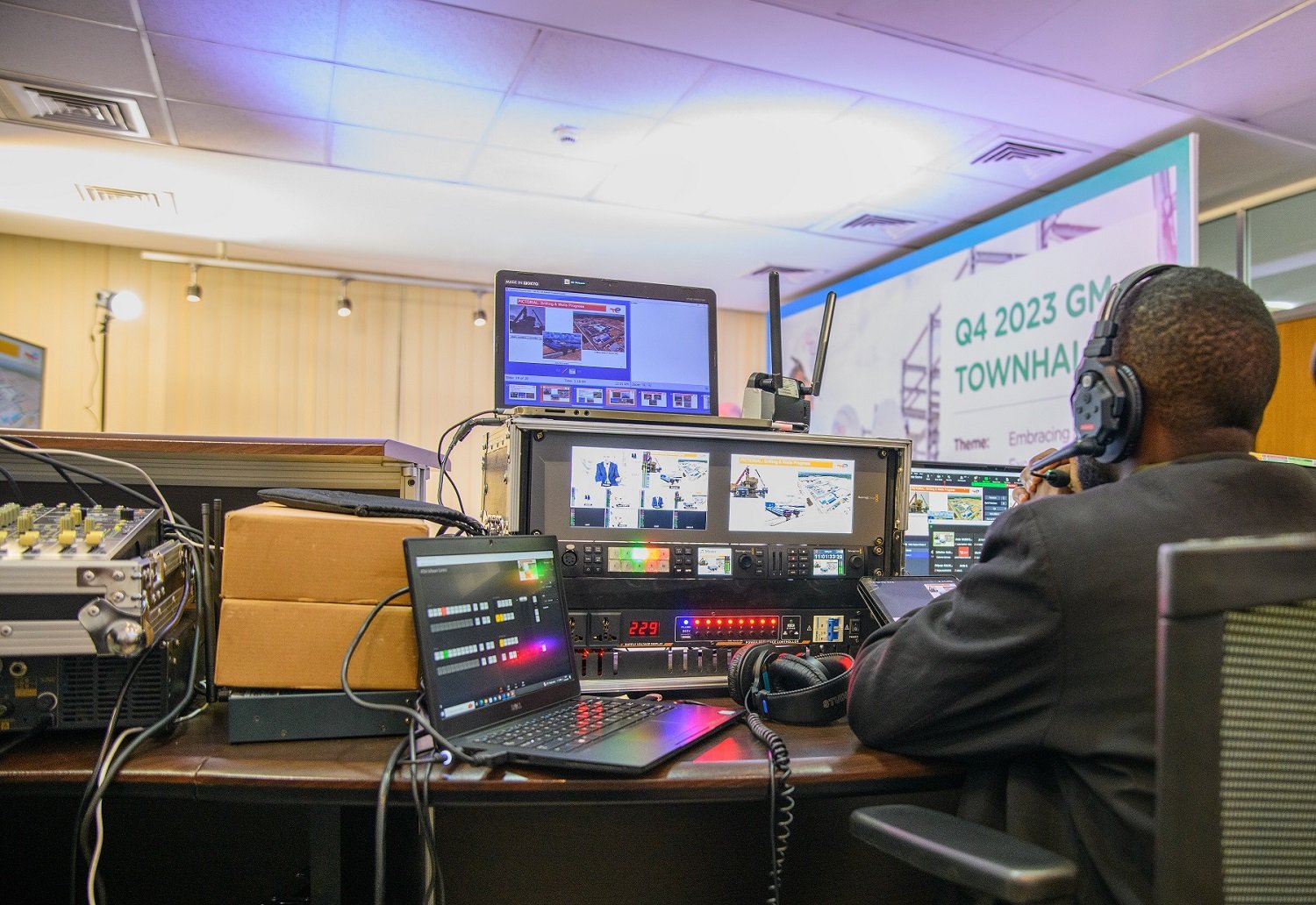
At a minimum, consider a wide shot of the stage, a tighter shot on the speaker and a dedicated feed for presentation slides captured directly from the laptop rather than filmed off a screen. A vision mixer or switcher lets an operator cut between these sources live, producing a polished result that holds viewers’ attention far better than a single angle.

Audio: The Most Common Point of Failure

Audiences will forgive imperfect video, but they will leave a stream with poor sound within seconds. Audio is the most common failure point in live broadcasts, so give it the attention it deserves.

Take your audio feed directly from the venue’s sound desk or dedicated microphones rather than relying on a camera’s built-in microphone, which picks up room echo and crowd noise. Use proper lapel or handheld microphones for speakers, monitor the audio with headphones throughout, and always have spare microphones and fresh batteries on hand. Clean, clear sound is what makes a stream feel professional.

Branding, Graphics and Lower-Thirds

Professional graphics turn a raw camera feed into a branded broadcast. Lower-thirds that introduce each speaker by name and title, your organisation’s logo, holding slides for breaks and a tidy opening title all signal quality and reinforce your brand throughout the event.

Prepare these assets before the event day, with correct names, titles and spellings confirmed in advance. Consistent, on-brand graphics are especially valuable for corporate events where presentation reflects directly on the organisation hosting the gathering.

Build a Run-of-Show and Rehearse

A run-of-show is a minute-by-minute document mapping out the entire broadcast: when the stream goes live, the opening titles, each speaker and session, planned breaks, and the close. It keeps the production team, the venue crew and the event organisers working from the same script.

Rehearsal is non-negotiable. A technical run-through on the actual equipment and venue network lets you catch problems while there is still time to fix them. Test every camera, every microphone, the graphics, the failover connection and the stream itself to your chosen platform. The confidence a rehearsal brings on event day is well worth the time it takes.

Record Everything for Repurposing

Your live broadcast should not be a one-time event. Always capture a high-quality local recording in addition to the stream, ideally an isolated recording of each camera and the clean audio feed. This footage becomes a library you can edit into highlight reels, individual speaker sessions, social media clips and on-demand content long after the event ends, extending its value for months.

Engagement: Q&A and Chat Moderation

Interaction is what separates a passive video from a genuine event experience. Decide how remote viewers will ask questions, whether through the platform’s chat, a dedicated form or a moderated Q&A tool. Assign a person to moderate the chat, surface the best questions to your host and keep the conversation respectful and on topic.

Good moderation makes remote attendees feel as involved as those in the room, and it gives your speakers a steady flow of relevant questions to respond to. It is a small role with a big impact on how your audience remembers the event.

Bringing It All Together

A successful conference stream in Kampala comes down to disciplined planning: clear goals, the right platform, redundant internet and power, a thoughtful multi-camera setup, flawless audio, professional branding, a rehearsed run-of-show and active audience engagement. Get these right and your event reaches and resonates with an audience many times larger than the room.

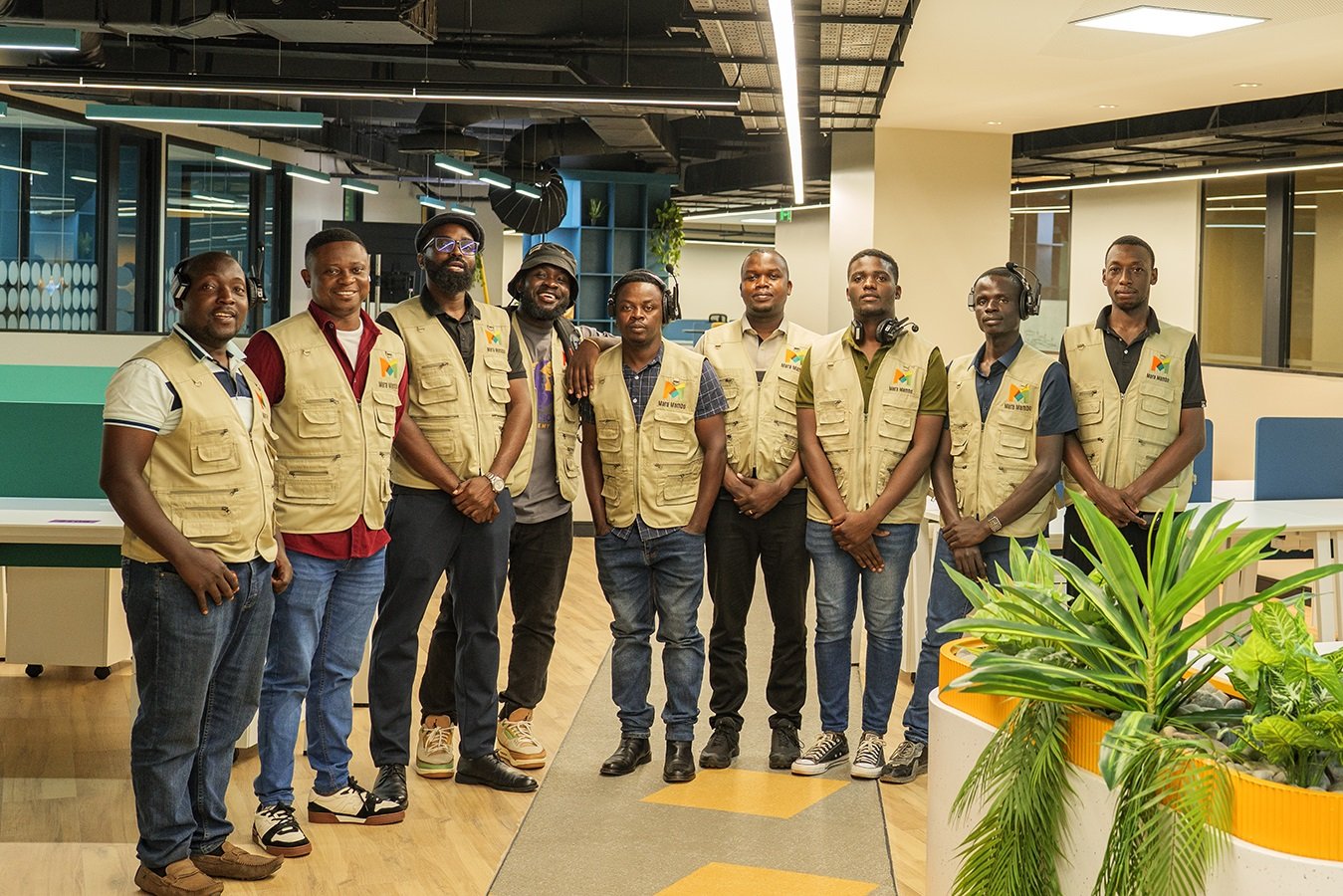
Mara Mambo Media plans and produces professional live broadcasts for conferences and events across Kampala, Uganda and the wider East African region. If you are ready to reach an audience beyond the room, stream your next event with a team that handles the technical detail so you can focus on the message.

When to Use Drone Footage in Your Project

default

Aerial perspectives have transformed the way stories are told on screen. A single sweeping shot can establish a location, convey scale, and lend a production the kind of polish that once required helicopters and large budgets. Yet not every project benefits from going airborne. Knowing when to lift off — and when to keep your camera grounded — is what separates footage that elevates a project from footage that merely fills time. This guide walks through the strongest use cases for drone videography Uganda clients ask us about, the moments when aerial work is the wrong tool, and the creative, technical and safety considerations that shape every flight.

Where Aerial Footage Genuinely Adds Value

Drones shine when height, scale or movement reveals something the eye cannot otherwise grasp. If an aerial shot answers a question your audience is already asking — where is this? how big is it? how does it all connect? — it is usually worth flying.

Establishing shots

The classic use case. An opening aerial frame orients viewers instantly, setting the geography and mood before a single word is spoken. A slow rise over Kampala’s rooftops or a gentle push across a rural landscape gives a film context and a sense of place that ground-level footage struggles to match.

Real estate and infrastructure

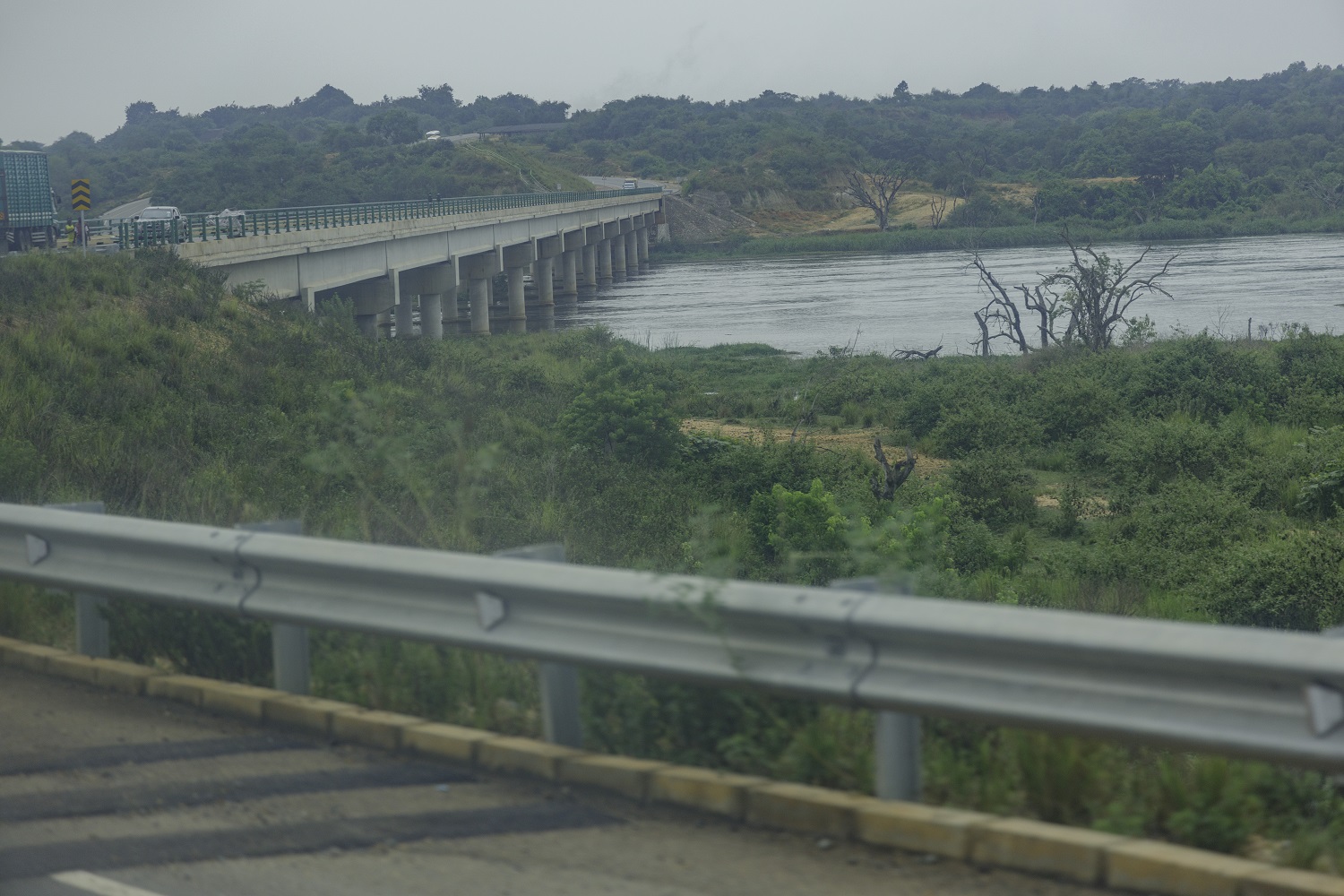
Property and infrastructure are among the most reliable beneficiaries of aerial coverage. Drones show a home’s full plot, its proximity to roads and amenities, and the surrounding neighbourhood in a way listing photos cannot. For developments, bridges, roads and large facilities, an overhead view communicates scope and layout to investors and stakeholders at a glance.

Events

Festivals, conferences and sporting occasions all gain energy from a wide aerial reveal. A drone can capture the scale of a crowd, the sweep of a venue, or a couple framed against a dramatic backdrop. Used sparingly, these shots become the memorable bookends of an event film.

Conservation and landscape

Uganda’s wetlands, forests, lakes and rolling hills are made for aerial storytelling. For conservation campaigns, tourism promotion and documentary work, the drone reveals patterns in the land — the curve of a river, the boundary of a forest, the texture of a tea estate — that ground cameras simply cannot frame.

Agriculture

Farms and plantations benefit from both the beauty and the utility of aerial work. A high vantage point documents crop coverage, field boundaries and irrigation layout, supporting everything from promotional material to practical assessment of how land is being used.

Construction progress

For ongoing builds, periodic aerial captures create a clear visual record of progress over time. Repeating the same flight path across weeks or months produces a consistent series that is invaluable for reporting to clients, documenting milestones, and marketing the finished project.

When Not to Use Drone Footage

Aerial footage is a tool, not a default. Reaching for it reflexively can waste budget and weaken a film. Consider keeping the drone in its case when:

  • The story is intimate. Interviews, product close-ups, portraits and emotional moments live at human eye level. An aerial cutaway here breaks the connection rather than building it.
  • The location is visually flat. If there is no scale, pattern or movement to reveal from above, an aerial shot adds nothing and can look like filler.
  • The environment is restricted or unsafe. Crowded indoor spaces, sensitive sites, or areas where flight is not permitted are non-starters, regardless of how good the shot might look.
  • Conditions work against you. High wind, rain or poor light will compromise quality, and forcing a flight risks both equipment and footage.
  • Ground coverage tells it better. Sometimes a well-composed handheld or tripod shot simply communicates more clearly. Use the drone to complement, not replace, strong ground work.

Creative Considerations

Great aerial footage is intentional. Before flying, we plan how each shot serves the edit. A few principles guide that planning:

  • Motivation. Every aerial move should have a reason — to reveal, to transition, to establish. Movement for its own sake quickly feels gimmicky.
  • Pace. Slow, deliberate movements read as cinematic; fast, jerky ones read as amateur. Matching the pace of a flight to the tone of the project matters enormously.
  • Composition. The rules of framing still apply at altitude. Leading lines, symmetry and the rule of thirds are often more powerful from above.
  • Integration. Aerial shots should sit naturally alongside ground footage. Planning the two together, rather than treating the drone as an afterthought, produces a seamless final film.

This thinking sits at the heart of our drone photography and videography work, where each flight is designed around the story rather than the other way round.

Technical and Site Considerations

The conditions on the ground — and in the air — determine what is achievable on any given day. We assess each of these before committing to a shoot.

Weather and light

Wind is the single biggest variable for aerial work; gusty conditions affect stability and footage quality. Rain and heavy cloud limit both safety and visibility, while the soft light of early morning and late afternoon flatters landscapes far more than harsh midday sun. Building flexibility into the schedule lets us fly when conditions are right.

Site and access

Every location brings its own constraints: proximity to buildings, trees and people, available take-off and landing space, and the presence of obstacles such as power lines. A short site assessment ahead of the shoot helps us plan flight paths that are both safe and productive.

Coordinating with ground work

Aerial and ground capture share time, light and crew attention. Scheduling them thoughtfully — and pairing drone coverage with our broader photography services — ensures one discipline never compromises the other and that the final project feels cohesive.

Safety and Authorisation

Responsible aerial work begins long before the propellers spin. Drone and UAV operations in Uganda require proper authorisation, and operators should hold the necessary permits from the Uganda Civil Aviation Authority (UCAA). Because requirements can change, we always advise confirming the current regulations directly with the authority before any flight is planned.

Beyond paperwork, safe operation means respecting people and property on the ground, maintaining clear sightlines, avoiding sensitive areas, and being willing to call off a flight when conditions or surroundings make it unwise. Professional operators treat safety as a precondition, not an inconvenience — and that discipline protects your project, your people and the public.

Bringing It Together

The best aerial footage feels inevitable: it shows you something you needed to see, at exactly the right moment, and then steps aside. Use the drone when scale, geography or movement strengthens the story; leave it grounded when intimacy, restriction or weather argue against it. Combined with thoughtful planning and disciplined safety, that judgement is what turns a striking shot into a meaningful one.

Thinking about an aerial perspective for your next production? We would love to help you decide whether — and how — to add aerial coverage that genuinely elevates your project. Get in touch and let us plan something memorable together.

Planning a Documentary Shoot in Remote Uganda

Documentary Photography Uganda

Few things test a film crew like a remote shoot. The light is extraordinary, the stories are rich, and the landscapes are unforgettable, but the conditions are unforgiving. Roads disappear in the rains, power is scarce, and the nearest hardware shop may be a day’s drive away. Successful documentary film production in Uganda depends less on luck and more on careful preparation. This guide walks through how we plan and execute a documentary shoot in the field, from the first research notes to the final backup drive.

Start with research and story development

Every strong documentary begins long before the camera rolls. Spend time understanding the subject, the place and the people. Read what has already been written, speak to people who know the area, and shape a clear central question your film intends to explore. A documentary without a spine becomes a collection of pretty shots, so define the story you want to tell while staying open to what the field reveals.

Build a realistic shot list and a loose narrative outline, but treat both as living documents. Remote stories rarely unfold as planned, and the best moments are often unscripted. Knowing your story well enough to recognise those moments, and to let go of the ones that no longer serve it, is the heart of good documentary photography and film.

Plan the recce carefully

A recce, or location scout, is the single most valuable investment you can make before a remote shoot. Whenever budget allows, visit the location in advance. Note the direction and quality of light at different times of day, identify where you can position equipment, and check for noise, crowds and other practical obstacles.

If a physical recce is impossible, conduct a thorough remote one. Speak to local contacts, study maps and satellite imagery, and gather as much detail as you can about access routes, distances and seasonal conditions. A recce also helps you anticipate the logistics that follow, from how many vehicles you need to where the crew will sleep.

Permissions and community engagement

Filming in remote areas almost always requires permission, and the requirements vary by location and subject. Protected areas, cultural sites and certain public spaces may call for permits, so research the relevant authorities early and allow plenty of time for approvals. Arriving without the right paperwork can stop a shoot before it starts.

Equally important is community engagement. When you film in someone’s home, village or place of work, you are a guest. Introduce yourself, explain your project honestly, and seek consent from the people you intend to film. Working respectfully with local leaders builds trust, opens doors and produces more authentic footage. Treat the relationship as ongoing rather than transactional, and the community will often become your greatest ally.

Logistics: the make-or-break details

Remote logistics are where good intentions meet hard reality. Plan each element deliberately.

  • Transport: Choose vehicles suited to the terrain and carry recovery equipment, spare fuel and basic spares. Build extra travel time into the schedule for poor roads and delays.
  • Power: Assume you cannot rely on mains electricity. Carry enough charged batteries for several days, plus power banks, a reliable inverter and, where practical, a portable generator or solar charging.
  • Connectivity: Mobile coverage can be patchy or absent. Download offline maps, share a detailed itinerary with someone outside the team, and consider a satellite communicator for genuinely remote work.
  • Weather: Conditions can shift quickly. Track forecasts, protect gear from dust and rain, and keep your schedule flexible enough to chase good light or wait out a storm.
  • Accommodation and supplies: Confirm where the crew will rest and eat. Carry sufficient water, food and a well-stocked first-aid kit, and never assume resupply will be easy.

Gear resilience and backups

In the field, redundancy is not a luxury. Pack with the assumption that something will fail. Carry backup bodies and lenses where you can, along with duplicate cables, batteries, memory cards and chargers. Dust, humidity and vibration are constant threats, so use sealed cases, rain covers and silica gel, and clean equipment regularly.

Keep your kit lean enough to move quickly but complete enough to recover from a failure. The same discipline applies to specialised coverage: if your film calls for aerial and drone coverage, pack spare propellers and batteries and confirm any flight permissions in advance, as restrictions can apply near borders, airports and protected areas.

Work with fixers and local guides

A good fixer is worth their weight in gold. Local guides know the roads, the languages, the customs and the people, and they can solve problems that would stall an outside crew for days. They help arrange access, translate conversations, smooth introductions with communities, and keep you safe by reading situations you cannot.

Engage your fixer early, brief them fully on your goals, and treat them as a genuine member of the team. Their local knowledge often shapes the film as much as any creative decision, and the trust they carry within a community is something no amount of budget can buy.

Data management and backup in the field

Footage you cannot recover may as well never have been shot. Establish a strict backup routine and follow it every single day. Offload cards to at least two separate drives, keep those drives in different bags or locations, and never format a card until the material is safely copied and verified.

Label files clearly, log what you shoot, and note any consent or release details alongside the footage. Power your drives carefully, since interrupted transfers can corrupt data, and protect everything from heat and moisture. A disciplined data workflow is the quiet backbone of professional video production services in challenging conditions.

Safety first, always

No shot is worth an injury. Assess risks honestly before you travel and again on location. Share your plans and check-in times with someone off-site, carry comprehensive first aid, and know where the nearest medical help is. Respect wildlife, water and terrain, and stay alert to changing weather and security conditions. A calm, prepared crew makes better decisions and better films.

Plan for post-production from the start

Post-production begins in the field. Detailed shot logs, clear file naming and well-organised footage save days of work in the edit. Think about how scenes will cut together while you are still shooting, and capture the connective material an editor needs: establishing shots, cutaways, ambient sound and quiet moments between the action.

Back home, build a structured editing workflow, secure your archive with redundant storage, and protect your masters. The care you take on location pays off directly in a smoother, faster and stronger edit.

Ready to tell your story

Planning a documentary shoot in remote Uganda rewards those who prepare thoroughly and stay adaptable in the field. With solid research, careful logistics, trusted local partners and disciplined data handling, even the most demanding locations become an opportunity rather than an obstacle. If you are ready to bring your project to life, our team would be glad to help you plan your documentary from first concept to final cut.

How NGOs Use Video to Show Donors Real Impact

Education Sector Photography 8

For non-profits and development partners, communicating impact is one of the hardest parts of the work. Reports and spreadsheets capture results, but they rarely capture the human reality behind those numbers. This is where video changes everything. Thoughtful video production lets donors see, hear, and feel the difference their support makes, turning abstract outcomes into stories they remember and want to keep funding.

At Mara Mambo Media in Ntinda, Kampala, we work alongside NGOs and development organisations across Uganda and East Africa to produce content that respects beneficiaries and speaks clearly to funders. This guide explains how NGO video production in Uganda works in practice, and how to do it well.

Why Video Beats Text for Showing Impact

Donors are people first. They respond to faces, voices, places, and movement in ways that written reports cannot replicate. Video carries emotional truth alongside factual evidence, and that combination is persuasive.

  • It builds trust. Seeing a real beneficiary in their own environment is far more credible than a paragraph describing them.
  • It compresses complexity. A short film can show a programme’s context, activity, and outcome in a few minutes, where text might take many pages.
  • It travels. The same footage can move across a website, a donor presentation, a social feed, and an annual gathering.
  • It lasts. A well-made film keeps working for years, introducing your mission to new supporters long after it was shot.

The Main Types of NGO Impact Video

Different goals call for different formats. Most organisations end up using a mix, often produced from a single field shoot.

Impact stories

Short narrative films that follow one person, family, or community through a problem and the change your programme helped create. These are your flagship pieces for fundraising and donor reporting.

Beneficiary testimonials

Direct, first-person accounts from the people your work serves. Honest and unscripted, they offer evidence that your interventions matter to the people they are designed for.

Field documentaries

Longer-form documentary photography and film that explores a programme, region, or issue in depth. These suit major donors, advocacy campaigns, and milestone moments where context and nuance matter.

Annual-report videos

A concise summary of a year’s work, mapped to your goals and results. These pair naturally with written reports and give boards and funders a clear, engaging overview.

Social cuts

Short vertical edits built for mobile feeds. They extend the reach of a single shoot, drawing new audiences toward your fuller stories and campaigns.

Planning Around Your Results Framework

The strongest NGO videos are planned, not improvised. Before any camera is switched on, we align the production with your logframe, theory of change, or results framework so the footage actually evidences what you need to report.

  1. Define the message. What single outcome or change should a viewer understand and feel?
  2. Map to indicators. Identify which activities, outputs, and outcomes the video should make visible.
  3. Choose contributors. Decide who can speak credibly to that change, from beneficiaries to field staff and local partners.
  4. Agree the deliverables. Confirm the formats and lengths up front so one shoot serves several needs.

This discipline keeps the final film tightly connected to your reporting obligations rather than producing footage that looks good but proves little.

Ethical, Dignified Storytelling

How you tell a story matters as much as the story itself. The people in your films are not props for fundraising; they are partners whose dignity comes first. We hold to a few firm principles.

  • Informed consent always. Every contributor should understand who will see the video, where it will appear, and how it may be used, and should agree freely before filming. Consent can be withdrawn, and that choice must be respected.
  • Agency over portrayal. People should be shown as active participants in their own lives, not passive recipients of charity. Avoid imagery that reduces a person to their hardship.
  • Accuracy without exploitation. Tell the truth of a situation without exaggerating suffering for effect. Honest stories are more powerful and more responsible.
  • Care with children and sensitive subjects. Filming children, survivors, or people in vulnerable circumstances calls for extra safeguards, guardian consent, and a willingness to step back when filming is not appropriate.

Dignified storytelling is not only the right thing to do; it protects your organisation’s reputation and reflects the values donors expect you to uphold.

Working in the Field

Filming in real communities brings practical and human challenges. Good field production is built on respect, preparation, and flexibility.

  • Work through trusted relationships. Coordinating with local staff and community leaders builds rapport and helps people feel comfortable on camera.
  • Plan for the conditions. Travel times, power, weather, and language all shape what is achievable in a day, so realistic scheduling matters.
  • Capture sound and detail. Clear audio, ambient texture, and observational moments are what make a film feel alive and authentic.
  • Be a respectful guest. Move at the community’s pace, explain what you are doing, and never let the camera get in the way of someone’s daily life.

Repurposing Footage for Long-Term Value

A single field shoot is a significant investment, and it should keep paying off. From one production you can build a flagship impact story, several testimonials, social cuts, an annual-report segment, and a library of clips and stills for future use.

Planning for this from the start means capturing extra interviews, broader coverage, and clean B-roll while the team is on location. Months later, that material becomes new content for campaigns, proposals, and reports without the cost of returning to the field. Treating footage as a long-term asset is one of the most cost-effective decisions an NGO can make.

Turning Impact Into Stories Donors Remember

Video gives your work a voice and a face. Done with care, it honours the people you serve, evidences the change you create, and gives donors a reason to stay invested in your mission. The result is communication that informs, moves, and endures.

If your organisation is ready to show donors the real difference their support makes, our team in Kampala is here to help you plan, film, and craft it with skill and integrity. Commission an impact film with Mara Mambo Media and let us help you tell your story honestly and powerfully.

The Ethics of Wildlife and Conservation Filming

Best documentary photographer in Uganda (7)

There is a quiet responsibility that comes with pointing a camera at a wild animal. The footage we gather can shape how the world understands a species, a landscape, or a community living alongside both. Done well, it inspires protection. Done carelessly, it can disturb wildlife, mislead audiences, or exploit the very people and places it claims to celebrate. At Mara Mambo Media, we believe wildlife conservation filming is as much an ethical practice as it is a creative one. This article sets out the principles that guide responsible filmmakers and why they matter for everyone who tells conservation stories across Uganda and East Africa.

Animal Welfare Comes First, Always

No shot is worth harming the subject. This is the foundational rule of ethical wildlife and conservation media, and every other principle flows from it. Wild animals are not performers, and their behaviour should never be altered for the sake of a more dramatic frame.

In practice, putting welfare first means reading the signs an animal gives us. Raised heads, fixed stares, repeated movement away from us, or a mother positioning herself between us and her young are all signals to ease off. A genuinely good wildlife filmmaker is willing to lose the shot rather than push an animal into stress, flight, or the abandonment of feeding, mating, or nesting.

Keeping a Respectful Distance

Distance is the simplest form of respect. Long lenses exist precisely so that we can fill the frame without filling the animal’s space. Crowding wildlife to capture a close-up changes its behaviour and can put both subject and crew at risk.

Keeping back also protects the integrity of the footage. An animal that is unaware of us behaves naturally, and natural behaviour is what makes conservation storytelling honest and compelling. The moment a creature reacts to the camera, the story shifts from observation to intrusion.

No Baiting, No Staging, No Manipulation

Some of the most damaging practices in wildlife media are also the most tempting, because they make difficult footage easier to get. Baiting predators with food, using calls to lure animals into the open, restraining or relocating creatures for a scene, or staging a “wild” encounter that never happened all cross a clear ethical line.

These shortcuts harm animals by conditioning them to humans, drawing them toward roads and people, or interrupting natural cycles. They also deceive audiences. When viewers later learn that a moment was manufactured, trust in conservation media as a whole erodes. We would rather wait days for a real moment than fabricate one in an afternoon.

Following Park Rules and Ranger Guidance

Protected areas have rules for good reason, shaped by people who know the land and its wildlife far better than any visiting crew. Staying on designated tracks, observing speed limits, respecting minimum approach distances, and honouring restricted zones are not bureaucratic hurdles. They are the accumulated wisdom of those who protect these places year-round.

Rangers and guides are partners, not obstacles. When a ranger says an animal has had enough, or that a particular area is off-limits during breeding season, that guidance overrides any creative ambition. Some core habits we hold to on every shoot include:

  • Securing the correct permits and filming permissions before arrival
  • Briefing the whole crew on park rules and expected conduct
  • Deferring to rangers and guides on all matters of animal proximity and safety
  • Leaving no trace, including litter, noise, and disturbance to vegetation
  • Never feeding, touching, or attempting to handle wildlife

Honest Storytelling Over Sensationalism

Conservation stories are powerful because they are true. The temptation to sensationalise, to imply danger that was not there, to compress timelines, or to frame an animal as a villain or a victim for dramatic effect, undermines that power.

Honest documentary photography and film resist the urge to exaggerate. A herd is not always under threat; a predator is not always a monster; a community is not always a problem to be solved. Nature is compelling enough on its own terms, and audiences deserve to understand what they are actually seeing.

This honesty extends to the edit. Sound design, pacing, and narration should clarify reality, not invent it. When we represent a behaviour, a place, or a relationship between people and wildlife, we aim to represent it as it genuinely is.

Respecting Communities and Consent

Conservation does not happen in a vacuum. Across East Africa, people live alongside wildlife, often bearing real costs and contributing enormous knowledge. Ethical filming treats these communities as collaborators and rights-holders, not as background scenery.

That means seeking genuine, informed consent before filming people, explaining clearly how footage will be used, and being willing to stop when someone declines. It means listening to local voices rather than speaking over them, crediting knowledge where it is shared, and being mindful of cultural sensitivities. The story of a landscape is incomplete without the people who shape and share it, and they deserve agency in how they are portrayed.

Working With Conservation Partners and Authorities

The strongest conservation films are made in partnership. Wildlife authorities, researchers, conservancies, and local organisations bring context that a camera alone can never capture, and they often rely on responsible media to advance their work.

Collaborating well involves a few simple commitments:

  1. Engaging partners early, so their goals and concerns shape the project from the start
  2. Being transparent about intentions, audiences, and how the final work will be distributed
  3. Sharing footage or findings where it can support research, education, or advocacy
  4. Respecting sensitive information, such as the locations of vulnerable or targeted species

This last point matters more than it might seem. Revealing the precise whereabouts of rare animals can expose them to poaching or disturbance, so responsible filmmakers think carefully about what they disclose.

The Filmmaker’s Responsibility

Ultimately, ethics in wildlife media cannot be delegated to a checklist. They live in the countless small decisions a crew makes when no one is watching: whether to creep a little closer, whether to keep rolling when an animal grows uneasy, whether to let a misleading shot survive the edit because it looks impressive.

We hold ourselves accountable to the animals, the places, the people, and the audiences we serve. The privilege of telling these stories carries a duty to tell them well and to do no harm in the telling. That is the standard we measure ourselves against, image by image and frame by frame.

Telling Conservation Stories the Right Way

Ethical wildlife conservation filming is not a constraint on great storytelling; it is the foundation of it. When welfare, honesty, and respect guide the work, the result is media that genuinely serves the cause it depicts.

If you are working to protect a species, a landscape, or a way of life, we would be honoured to help you tell your conservation story with the care, craft, and integrity it deserves. Reach out to Mara Mambo Media to start the conversation.

The Best Places for Wildlife Photography in Uganda

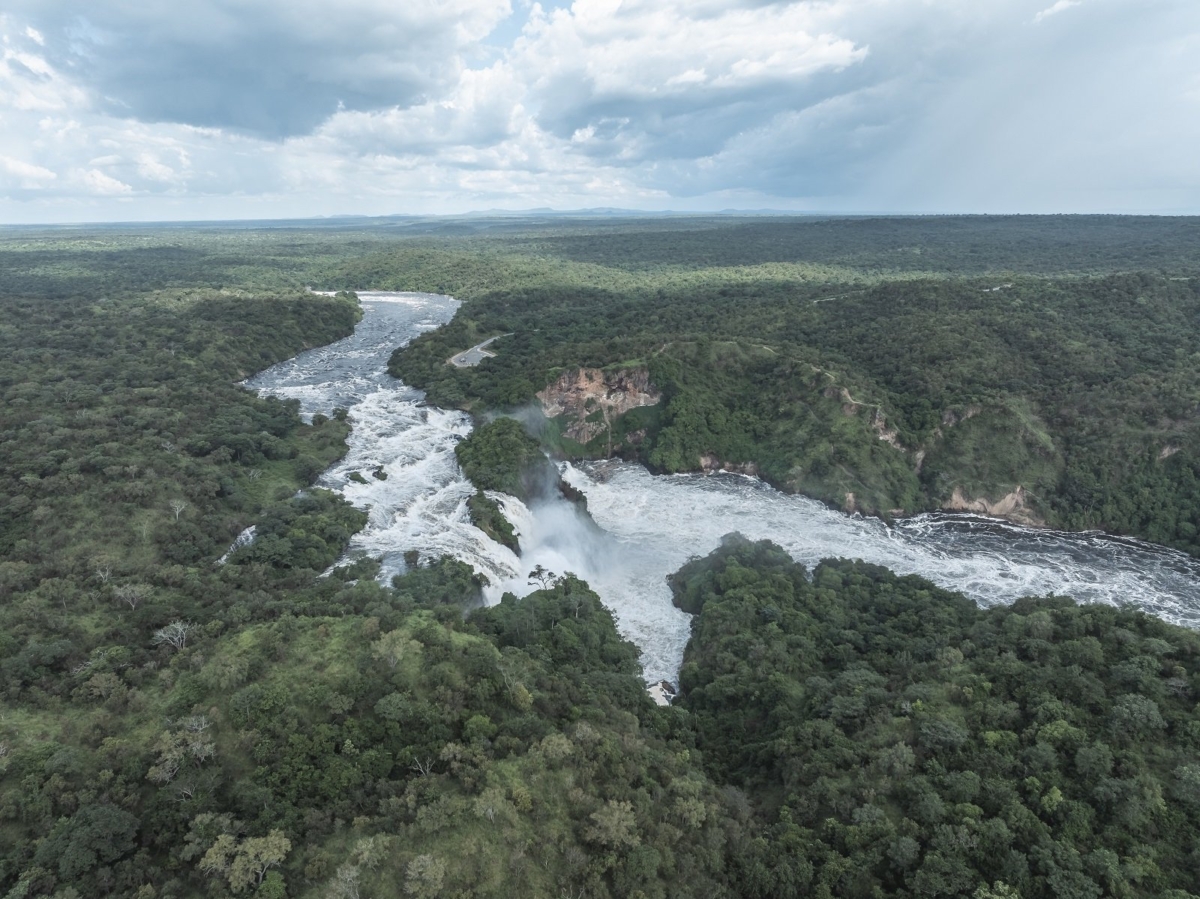
Murchison Falls National Park Mara Mambo Media

Uganda is one of Africa’s most rewarding destinations for anyone holding a camera. Within a single country you can move from open savannah plains to misty mountain forests, from papyrus-lined waterways to wide acacia valleys. For photographers and organisations looking to document the natural world, wildlife photography in Uganda offers a depth and variety that is genuinely hard to match. At Mara Mambo Media we have spent years working across these landscapes, and this guide shares the places and practices that consistently produce powerful images.

Why Uganda Stands Out for Wildlife Photography

What makes Uganda special is its diversity packed into manageable distances. The country sits where East African savannah meets the great forests of Central Africa, which means the range of species and habitats is remarkable. You will find dramatic light, varied backdrops and a mix of iconic and lesser-photographed subjects. For storytellers focused on wildlife and conservation photography and film, this variety allows you to build a body of work that feels rich and complete rather than repetitive.

The Best Places for Wildlife Photography in Uganda

Murchison Falls National Park

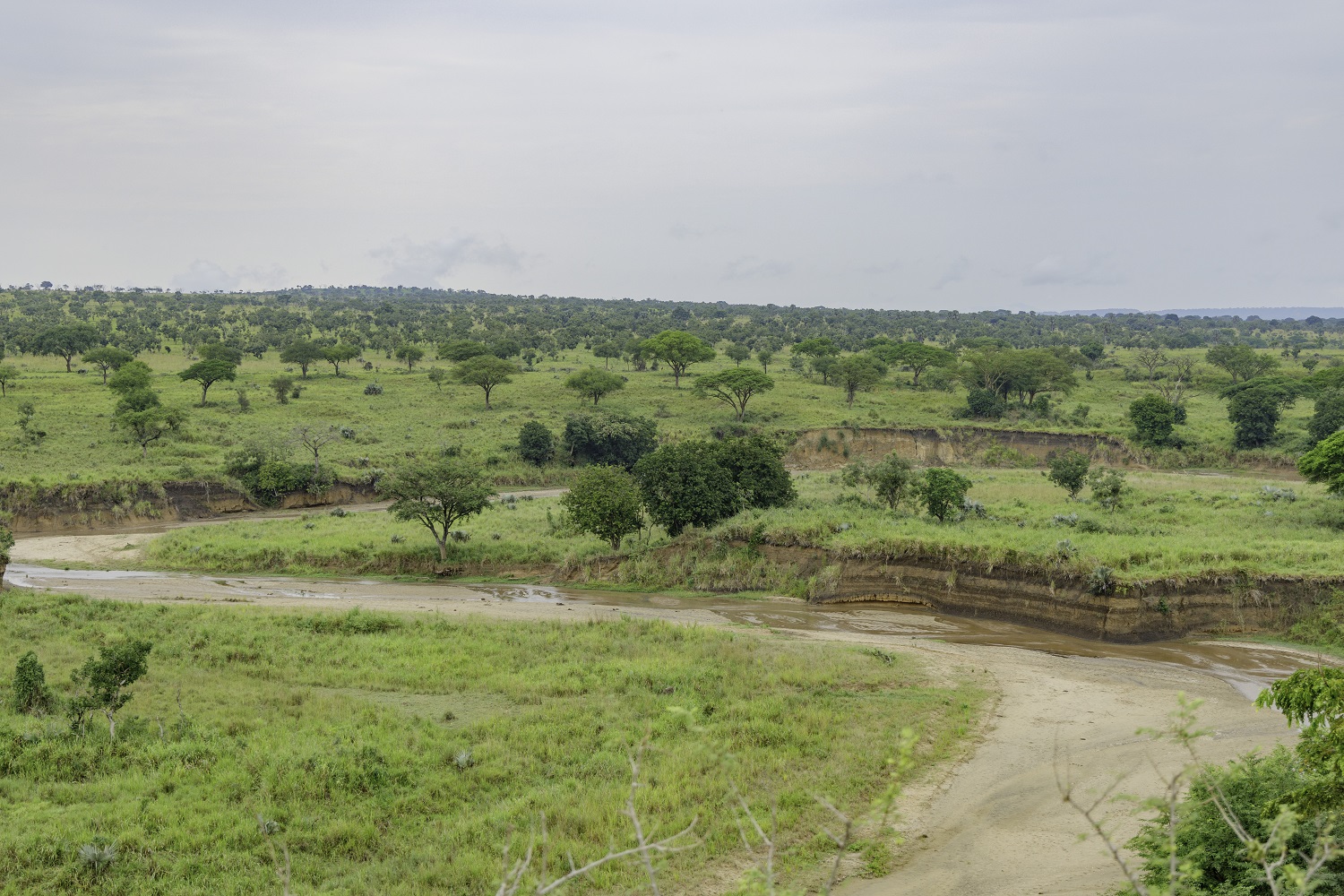
Murchison Falls is one of the country’s most celebrated parks, built around the point where the Nile is forced through a narrow gorge. The combination of river, falls and surrounding savannah creates layered compositions you simply cannot stage. Boat cruises along the Nile bring you close to riverbank wildlife and waterbirds, offering eye-level perspectives that are difficult to achieve on land. The open plains are ideal for classic savannah portraits in golden light.

Queen Elizabeth National Park

Queen Elizabeth is known for its scenic variety, from grassland and wetlands to crater lakes and the channel linking two larger lakes. This diversity makes it a strong choice when you want different looks in a single trip. Water-based game viewing here is excellent for photographing animals gathering near the shoreline, and the broad horizons reward patient landscape-and-wildlife compositions.

Kidepo Valley National Park

Tucked into Uganda’s remote north-east, Kidepo Valley is prized for its rugged, cinematic scenery and genuine sense of wilderness. Because it sees fewer visitors, you often have scenes to yourself, which suits photographers who value patience and uninterrupted time with a subject. The mountain-framed valleys and seasonal riverbeds give your images a strong sense of place.

Bwindi Impenetrable Forest

Bwindi is world-renowned for mountain gorillas, and photographing these primates in their dense forest home is an unforgettable experience. The conditions are challenging: low light, thick vegetation and limited, carefully managed time with the animals. This is a place where preparation and respect matter enormously. Following your guides and the park’s rules is not optional, and the images you come away with carry real conservation weight.

Lake Mburo National Park

Lake Mburo is compact and accessible, which makes it an excellent option for shorter trips or for warming up before a longer expedition. Its mix of open country and wetland supports species you may not see as easily elsewhere, and the smaller scale means you can work scenes thoughtfully without long transfers between sightings.

Ethical Wildlife Photography: Putting the Animal First

Great wildlife images are never worth disturbing the subject. Ethical practice is the foundation of credible photography services in this field, and it is something we hold ourselves to on every assignment.

  • Keep your distance. Let animals behave naturally. A respectful distance protects both the wildlife and you, and longer lenses exist precisely so you do not have to crowd a subject.
  • Follow park rules and guides. Rangers and guides understand the terrain and the animals far better than any visitor. Their instructions exist for safety and conservation, so treat them as non-negotiable.
  • Never bait, lure or feed wildlife. Manipulating behaviour for a shot is harmful and unethical. The best images come from genuine moments.
  • Minimise your footprint. Stay on designated tracks, keep noise low, and leave habitats exactly as you found them.

Practical Tips for Stronger Images

Patience Is Your Most Important Tool

The most memorable wildlife photographs usually come to those who wait. Animals move on their own schedule, and the difference between a record shot and a striking one is often the willingness to stay with a scene, anticipate behaviour and be ready when the moment arrives.

Work With the Light

Early morning and late afternoon offer the warm, directional light that gives wildlife images depth and atmosphere. The hours around sunrise and sunset also tend to be when many animals are most active. Harsh midday light is harder to work with, so use those quieter hours to scout, rest or photograph in shade.

Think About Gear, Generally

You do not need the most expensive kit to make compelling images, but a few principles help. A longer telephoto lens lets you keep a safe, respectful distance while still filling the frame. A camera that handles low light well is valuable for forest interiors and dawn or dusk shooting. Bring more storage and battery capacity than you think you need, protect your equipment from dust and moisture, and consider a beanbag or monopod for stability in a vehicle.

Tell a Story, Not Just a Portrait

Individual animal portraits are wonderful, but the strongest projects show context: the habitat, the behaviour, the relationships between species and their environment. This narrative approach is especially important for conservation work, where the goal is to move audiences as well as document them.

Bringing It All Together

Uganda rewards photographers who arrive prepared, patient and respectful. Each park offers something distinct, and the richest results often come from combining several locations into a considered itinerary rather than rushing through them. Whether you are an individual photographer building a portfolio or an organisation commissioning conservation-focused visuals, the country gives you the raw material for truly memorable work. The rest comes down to time in the field, an ethical approach and a clear creative vision.

At Mara Mambo Media, we bring local knowledge and professional experience to wildlife and conservation projects across Uganda. If you are planning a shoot, a campaign or a longer documentary project and want a team that understands both the craft and the responsibility involved, we would love to hear from you. Get in touch and let us help you capture Uganda’s wild beauty with care and impact.

Event and Conference Photography in Uganda: What to Expect

Conference Photography photos

Organising a conference or corporate gathering is a major undertaking, and the images that come out of it shape how your event is remembered long after the last delegate leaves. Strong photographs become your annual report visuals, social media content, donor updates and the foundation of next year’s marketing. If you are planning a corporate or development event, understanding how professional event photography in Uganda works will help you brief your photographer well and walk away with images that truly represent your organisation.

This guide explains what to expect when you commission a professional photographer for a conference, summit, launch or corporate function, from the planning conversation through to final delivery.

Start with Planning and a Clear Brief

The best event coverage begins well before the doors open. A short planning conversation with your photographer makes an enormous difference to the quality and relevance of the final images. During this discussion, you should share the running order, the venue layout, the timing of major sessions and the names and roles of the people who must be photographed.

It also helps to clarify your goals. Images destined for an annual report or donor presentation call for a different emphasis than content meant for quick social media posts. When you explain how the photographs will be used, your photographer can prioritise the right moments and frame them appropriately.

Key details worth confirming in advance include:

  • The full schedule, including arrivals, keynotes, panels, breaks and any awards or signing ceremonies.
  • VIPs, guests of honour, executives and partners who must appear in the gallery.
  • Branding requirements, such as banners, backdrops and sponsor logos that need to be visible.
  • Any sensitive moments or individuals who should not be photographed.
  • Where and how the final images will be used.

Key Moments to Capture

A well-rounded set of event images tells the complete story of the day. Experienced photographers work to a mental checklist that balances formal coverage with the natural, human moments that make an event feel alive.

Keynotes and Speakers

Speakers on stage are the backbone of most conferences. Good coverage captures presenters mid-gesture, engaged and animated, rather than static or mid-blink. Clean shots of the podium, the screen content and the speaker in relation to the audience all help convey scale and authority.

Panels and Discussions

Panel sessions call for images that show interaction between participants, the moderator and the audience. Capturing a panellist making a point, alongside attentive listeners, communicates the depth of the conversation far better than a single posed line-up.

Networking and Candids

Some of the most valuable images come from the spaces between sessions. Delegates greeting one another, conversations over coffee and genuine laughter humanise your organisation and are often the most shared on social platforms. These candid moments require a patient, observant photographer who anticipates interactions before they happen.

Branding and Signage

For corporate and donor-funded events, visible branding matters. Photographs should deliberately feature banners, step-and-repeat backdrops, stage sets, sponsor logos and branded materials. These images demonstrate visibility to partners and sponsors and are frequently required for reporting and acquittals.

The Venue and Atmosphere

Wide establishing shots of a full hall, the registration desk, exhibition stands and decor set the scene and provide useful context. They are valuable for documenting attendance and the overall production quality of your event.

Coverage Timing and Duration

One of the most common questions organisers ask is how many hours of coverage they need. The honest answer is that it depends on your programme. A half-day workshop may need only a few hours, while a multi-day summit requires the photographer to be present from early setup through to the closing remarks.

It is wise to include some buffer before the official start time. Early arrivals, registration and the calm before proceedings often yield clean, uncluttered shots of your branding and venue. Agreeing on clear start and finish times in advance avoids confusion on the day and ensures the moments that matter most to you are covered.

Multiple Photographers for Large Events

For large conferences with parallel sessions, breakout rooms or several hundred attendees, a single photographer cannot be everywhere at once. Engaging two or more photographers ensures simultaneous coverage of concurrent activities, so a keynote in the main hall and a workshop next door are both documented.

Multiple shooters also allow one photographer to focus on formal stage coverage while another roams for candids and networking shots. For multi-day events, this approach maintains energy and consistency across the entire programme. Discuss the scale of your event early so the right team size can be planned.

Discreet, Professional Shooting

Professional event photographers understand that they are guests at your gathering, not the centre of attention. Discreet shooting means moving quietly, dressing appropriately for the setting and avoiding disruption during speeches, prayers or sensitive moments. The goal is to capture authentic scenes without delegates feeling watched or interrupted.

This sensitivity is especially important at government, NGO and development partner events, where protocol and decorum carry real weight. A seasoned photographer reads the room, respects formal proceedings and knows when to step back.

Same-Day and Highlight Edits

Many organisations now want images while the event is still generating interest online. A selection of edited highlights delivered on the same day, or shortly after, allows your communications team to post in real time and sustain momentum across social media.

These quick-turnaround highlights are typically a curated handful of the strongest frames, lightly edited and ready to share. The complete, fully edited gallery follows afterwards. If same-day delivery matters to you, raise it during planning so the workflow can be arranged in advance.

Delivery of Final Images

After the event, your photographer culls, edits and colour-corrects the images before delivering a complete gallery. Files are usually shared through a secure online gallery or cloud link, with high-resolution versions for print and reporting alongside web-optimised versions for digital use.

When agreeing on delivery, it is worth clarifying the expected turnaround time, the approximate number of final images, the file formats provided and any usage rights. Clear expectations here prevent surprises and ensure your team receives exactly what it needs.

Putting It All Together

Excellent event coverage is the result of preparation, professionalism and clear communication. From the first planning call to the final gallery, a skilled photographer works to document your event in a way that reflects your organisation’s standards. Whether you are running an intimate corporate breakfast or a regional summit, the same principles apply: brief thoroughly, capture the full story, shoot discreetly and deliver on time.

Mara Mambo Media provides professional photography services for organisations across Uganda and East Africa, with specialist experience in conference photography and corporate events. We understand the expectations of corporates, NGOs, government bodies and development partners, and we tailor our coverage to your programme and goals.

If you are planning a conference, summit, launch or corporate function, get in touch to book event coverage and let us help you capture every important moment with clarity and care.

How to Brief a Corporate Photographer for Better Results

2O5A3189

Great corporate images rarely happen by chance. The difference between a photo set you use for years and one that gathers dust on a shared drive usually comes down to one thing: the brief. A clear corporate photography brief tells your photographer exactly what you need, why you need it, and how it will be used — so the final images are on-brand, practical and ready to work across your website, reports and social channels. For organisations in Uganda and across East Africa, where time, budgets and stakeholder schedules are tight, a strong brief is the single most reliable way to protect your investment.

This guide walks you through everything to include, in plain terms, so you can hand your corporate photography partner a document that leaves nothing to guesswork.

Start With Purpose and Usage

Before you discuss cameras or locations, answer one question: what are these photographs for? The intended use shapes almost every other decision — framing, orientation, resolution and even how people are styled.

Be specific. “Photos for the company” is too vague. Instead, list the actual destinations:

  • Website banners and team pages
  • Annual reports or donor and investor documents
  • LinkedIn, Instagram and other social profiles
  • Press releases and media kits
  • Printed brochures, billboards or roll-up banners

Each use has different requirements. A website hero needs wide, horizontal compositions with space for text. Social posts often need square or vertical crops. Print demands high resolution. When your photographer knows the destination, they can shoot with the right framing and leave deliberate negative space for headlines and logos.

Share Your Brand Guidelines

Your images should look like they belong to your organisation, not like generic stock. If you have a brand guide, share it. If you do not, summarise the essentials in a few lines.

Useful details to include:

  • Colour palette — primary and secondary brand colours, so wardrobe, props and backdrops can complement rather than clash
  • Tone and mood — formal and polished, warm and human, energetic and modern
  • Reference images — three to five examples you admire, with a note on what you like about each
  • What to avoid — competitor styles, clichés, or visual treatments that feel off-brand

Reference images are especially powerful. A photographer can match a look far more reliably from examples than from adjectives alone.

Build a Shot List and Mark the Must-Haves

A shot list is the backbone of any good brief. It turns intentions into a checklist everyone can work from on the day. Group your shots into categories so nothing is forgotten:

  1. Leadership and team portraits — individual headshots, plus group shots of departments or the whole organisation
  2. Candid working moments — people in meetings, on calls, collaborating, or out in the field
  3. Environment and premises — your offices, signage, reception and workspaces
  4. Products, services or programmes — whatever your organisation actually delivers
  5. Detail shots — hands at work, equipment, documents, textures that add depth to a layout

Within that list, clearly flag the non-negotiables — the moments that absolutely must be captured, such as a CEO portrait, a signing ceremony, or a guest of honour. These are the shots that cannot be re-staged later, so they take priority if time runs short.

Plan Location and Timing

Location affects light, logistics and mood. Tell your photographer where the shoot will happen and what each space is like — indoors or outdoors, large or cramped, bright or dim. If a site visit is possible beforehand, it almost always pays off.

Timing matters just as much:

  • Natural light changes through the day; morning and late afternoon are often kinder than harsh midday sun, which is worth remembering for outdoor shoots in Kampala and beyond
  • Staff availability — block calendars for portraits so people are not pulled away mid-session
  • Quiet windows — schedule disruptive shots for when offices are calmest
  • Travel time — factor in Kampala traffic and any movement between sites

A realistic schedule with buffer time prevents the rushed, stressed feeling that shows up in people’s faces.

Brief Wardrobe and Setup

People want to know what to wear, and clear guidance saves everyone awkwardness. Share simple wardrobe notes ahead of time: whether the look is formal or smart-casual, which colours photograph well together, and what to avoid, such as busy patterns or logos from other brands.

For setups, confirm practical points in advance — power outlets for lighting, a private room for headshots, a tidy backdrop, and someone on your side designated to coordinate people and answer questions during the shoot. A named point of contact keeps the day moving.

Handle Consent Properly

Anyone who is clearly identifiable in a photograph intended for marketing or publication should know how their image will be used and agree to it. This protects both your organisation and the people you work with.

Good practice includes:

  • Informing staff in advance that a shoot is taking place and where images may appear
  • Using a simple written consent or model release form, particularly for community members, beneficiaries or event guests
  • Being especially careful with vulnerable groups and children, where written guardian consent and your own safeguarding policies should guide what is appropriate
  • Respecting anyone who prefers not to be photographed

For NGOs and development partners especially, dignified, consent-led imagery is not just ethical — it strengthens trust with the communities you serve.

Specify Deliverables and Turnaround

Spell out exactly what you expect to receive so there are no surprises. A clear deliverables section covers:

  • Formats — high-resolution files for print and optimised, web-ready versions for digital use
  • Quantity — roughly how many final, edited images you expect
  • Editing level — colour correction and retouching versus light adjustments only
  • Crops and orientations — if you need both horizontal and square versions, say so
  • Delivery method — a download link, gallery or drive
  • Turnaround — agree a realistic deadline, and flag any urgent images you need first

Agreeing these details in writing keeps expectations aligned and the project on schedule.

Agree on Licensing and Usage Rights

This is the detail most often overlooked, and the one that causes the most friction later. Clarify upfront who owns the images and how widely you are allowed to use them. Discuss whether your agreement covers unlimited internal and marketing use, how long the rights last, and whether the photographer may also use the work in their own portfolio.

Putting usage rights in writing means you can confidently reuse your images across campaigns, reports and platforms for years without revisiting the question. A reputable provider of photography services will set this out clearly from the start.

Bringing the Brief Together

You do not need a long document — a single, well-organised page covering purpose, brand, shot list, location and timing, wardrobe, consent, deliverables and rights will transform your results. The clearer your brief, the more your photographer can focus on what they do best: capturing images that tell your organisation’s story with confidence and care.

Ready to plan your next shoot? Share your goals with us and we will help you shape a brief that delivers exactly the images you need. Brief our team today and let us turn your vision into a polished, on-brand library of corporate imagery.

A Pre-Production Checklist for a Great Brand Film

Mara Mambo Team

A brand film rarely succeeds or fails on the day of the shoot. It succeeds or fails in the weeks before, when the goals are clarified, the message is sharpened and the logistics are nailed down. The most polished footage in the world cannot rescue a video that was never clear about what it wanted to say or who it wanted to reach. That is why thoughtful preparation matters so much, and why every organisation we work with benefits from a structured video pre-production checklist before a single camera is switched on.

This guide walks you through the essential planning steps for a corporate or brand film, drawing on the way we prepare projects for corporates, NGOs and development partners across Uganda and East Africa. Use it as a working document. Tick items off as you go, and you will arrive at your shoot calm, organised and ready.

Start With the Goal and the Brief

Before anything else, agree on why the film exists. A brand film for an investor pitch is very different from a recruitment video, a donor report or a social media teaser. Get the purpose in writing so everyone shares the same destination.

  • State the single most important outcome you want the film to achieve.
  • Define one primary call to action for viewers, whether that is to donate, apply, visit or enquire.
  • Note where the film will live: website, YouTube, conference screens, social platforms or internal channels.
  • Decide on the final running length and the formats and aspect ratios you will need.
  • Agree who the final decision-maker is, so approvals do not stall later.

Define Your Audience and Core Message

A film that speaks to everyone usually moves no one. Picture the specific people you want to reach and shape the message around them.

  • Describe your primary audience: their role, their priorities and what they already think about your organisation.
  • Write the one sentence you want a viewer to remember afterwards.
  • List up to three supporting points, and be ruthless about cutting the rest.
  • Decide on the tone: warm and human, confident and corporate, urgent and mission-driven.

Align the Budget Early

Budget is not the enemy of creativity; it is the boundary that makes good decisions possible. Settle it early so the creative plan is realistic from the start.

  • Confirm the total available budget and what it must cover, including post-production and revisions.
  • Identify the costs that move the needle most for your story, such as filming days, talent or locations.
  • Set aside a contingency for weather, travel and the unexpected.
  • Clarify what is included in your quote and what would count as an additional cost.

Develop the Script and Storyboard

This is where the abstract becomes concrete. A script and a simple storyboard let you see the film before you spend money making it, and they are far cheaper to change on paper than on location.

Scripting

  • Draft the narration or interview structure that carries your core message.
  • Keep sentences short and natural; people watch films, they do not read essays aloud.
  • Mark where music, captions or on-screen text will reinforce key points.

Storyboarding

  • Sketch the key scenes in sequence, even rough boxes will do.
  • Note the type of shot for each scene: wide establishing shots, mid shots, close-ups or cutaways.
  • Identify the b-roll you will need to illustrate the narration.

Scout Locations and Secure Permissions

Locations carry meaning, and they also carry practical risks. Visit them in advance wherever possible rather than discovering problems on the shoot day.

  • Check natural light at the time of day you plan to film, and note any harsh midday sun or fading evening light.
  • Listen for background noise such as traffic, generators, air conditioning or nearby construction.
  • Confirm access to power, parking, shade and a quiet space for interviews.
  • Obtain written permission from property owners or facility managers, and ask about any filming rules on site.
  • For public spaces, confirm whether a permit is required and allow time to arrange it.

Build the Schedule

A clear schedule protects your budget and everyone’s energy. Film days are long, so plan them with care.

  • Set the shoot date with a backup option in case of rain or illness.
  • Block out the day hour by hour, including setup, breaks and travel between locations.
  • Sequence scenes to minimise moving heavy equipment back and forth.
  • Build in buffer time, because interviews and setups almost always run longer than expected.

Prepare Talent and Interviewees

The people on camera carry your story. A little preparation turns nervous participants into confident, natural contributors.

  • Confirm who will appear and brief them on the topics, never the exact words.
  • Share guidance on what to wear, favouring solid colours over busy patterns.
  • Collect signed consent and release forms from everyone who appears on camera.
  • Prepare interview questions in advance and share themes so people can gather their thoughts.
  • Plan a quiet warm-up chat to settle nerves before recording begins.

Create the Shot List

The shot list is your insurance against arriving home with gaps. It translates the storyboard into a checklist your crew can work through methodically.

  1. List every shot you must capture, marking the essential ones as priorities.
  2. Group shots by location and setup to film efficiently.
  3. Note any specific angles, movements or details the client has requested.
  4. Leave room for spontaneous moments, which often become the most memorable footage.

Confirm the Logistics

Small oversights cause big delays on a shoot day. Run through the practical details so nothing is left to chance.

  • Check and pack all equipment, with spare batteries, memory cards and audio kit.
  • Arrange transport, catering and water for the crew and participants.
  • Share contact details and a call sheet with everyone involved.
  • Confirm data backup plans so footage is safe before you leave the location.
  • Review safety considerations, especially when filming near roads, machinery or crowds.

Lock Down Approvals

Approvals decided early prevent painful reshoots and budget overruns later. Make sure everyone with a say has given it before filming.

  • Get sign-off on the script, storyboard and shot list from your decision-maker.
  • Agree the number of revision rounds included in the project.
  • Confirm brand assets such as logos, colours, fonts and approved messaging.
  • Clarify how and when feedback will be given during editing.

Turning the Checklist Into a Great Film

A pre-production checklist is not bureaucracy for its own sake. It is the quiet, unglamorous work that makes the shoot day feel effortless and the finished film feel inevitable. When the brief is clear, the message is sharp and the logistics are settled, your video production team can focus entirely on capturing the moments that matter rather than firefighting avoidable problems.

If you would like to see how this planning fits into the bigger picture, take a look at our production process, which carries a project from first conversation through to final delivery. Each stage builds on the careful groundwork laid in pre-production, and the result is a brand film that genuinely reflects your organisation and speaks to the people you most want to reach.

Ready to bring your brand story to life? Whether you are planning a corporate profile, a donor report or a recruitment film, our team in Ntinda, Kampala is here to help you plan every detail with confidence. Plan your project with us and let us turn your goals into a film your audience will remember.

How Much Does Corporate Video Production Cost in Uganda?

Corporate video production cost uganda — Mara Mambo Media

One of the first questions every business, NGO or development partner asks when planning a film is simple: how much will it cost? It is a fair question, but the honest answer is rarely a single number. Corporate video is not an off-the-shelf product with a fixed price tag; it is a tailored service shaped by what you want to achieve, how you want it to look, and where and how it will be filmed. Understanding the factors behind corporate video production cost in Uganda helps you plan a realistic budget, compare proposals fairly, and get genuine value for your investment.

At Mara Mambo Media, we believe in transparency about why prices differ rather than pretending there is a universal rate. Below, we break down the main drivers of cost so you can approach your next project with confidence.

Project Scope and Objectives

Everything starts with scope. A short social media clip, a polished brand film, a multi-part training series and a documentary about a conservation programme are entirely different undertakings, even though all of them are “videos.” Before any figure can be discussed, we need to understand your objectives: who the audience is, where the video will be shown, how long it should be, and what action you want viewers to take.

A clear brief almost always leads to a more accurate and efficient quote. When goals are vague, productions tend to expand mid-project, which adds time and cost. Defining the scope early is the single most effective way to keep a budget under control.

Shoot Days and Scheduling

The number of filming days is one of the largest cost factors in any production. Each shoot day involves crew time, equipment, transport, and often catering and logistics. A single-day interview shoot at one office is far simpler than a five-day schedule covering multiple districts, field sites and stakeholder interviews.

Scheduling complexity matters too. Filming across several locations, coordinating with busy executives, or capturing time-sensitive events such as conferences and field activities all influence how many days are required and how tightly they must be planned.

Crew Size and Expertise

A lean production might involve a single videographer who also handles sound and lighting. A larger corporate or broadcast-quality project may require a director, camera operators, a sound engineer, lighting technicians, a production assistant and a drone pilot. Each role adds value and cost.

Experience also plays a part. Seasoned professionals work faster, anticipate problems, and consistently deliver a higher standard, which often reduces costly reshoots. You can learn more about the range of capabilities we offer on our video production services page.

Equipment and Technical Requirements

The gear a project demands has a direct impact on price. Considerations include:

  • Cameras and lenses — from compact setups to cinema-grade systems.
  • Lighting — essential for interviews, indoor scenes and a professional look.
  • Audio equipment — clean sound is non-negotiable for corporate and interview content.
  • Aerial filming — drones add stunning perspectives but require specialist equipment and licensed operators.
  • Stabilisers and specialist rigs — for smooth movement and dynamic shots.

Higher production values require more sophisticated equipment, which is reflected in the overall investment.

Location and Travel

Where filming takes place matters enormously in a country as geographically varied as Uganda. A shoot within Kampala carries different logistics from one in a national park, a remote rural community or across the border in the wider East African region. Travel time, fuel, accommodation, per diems and permits all factor in.

Conservation and development projects often involve hard-to-reach field sites, which require careful planning around access, weather and safety. These considerations are part of delivering quality work in challenging environments, and they legitimately affect cost.

Scripting, Concept and Pre-Production

Strong videos are built long before the camera rolls. Scripting, storyboarding, concept development, casting, location scouting and scheduling all form part of pre-production. A clear creative plan saves time on set and produces a sharper final film.

Projects that need original scripting, professional voiceover, presenters or actors will carry more pre-production cost than a straightforward interview-led piece. Investing here usually pays off in a more compelling result. You can see how we approach this in our production process.

Animation, Graphics and Motion Design

Many corporate and NGO videos benefit from motion graphics, animated explainers, data visualisations, lower-thirds and branded titles. Animation is highly effective for explaining complex ideas, presenting statistics, or telling a story when live footage is not available.

However, animation and custom graphics are labour-intensive and specialised. The more detailed and bespoke the visuals, the more design time they require. A few simple titles are inexpensive; a fully animated explainer is a significant creative undertaking in its own right.

Post-Production and Editing

Editing is where raw footage becomes a finished story, and it is often underestimated. Post-production can include:

  • Logging and selecting footage
  • Story editing and pacing
  • Colour grading
  • Sound design, mixing and music licensing
  • Subtitles, captions and translation
  • Graphics and final delivery formatting

The complexity of the edit, the volume of footage, and the level of polish required all shape how much time this phase takes.

Number of Deliverables and Revisions

A common misunderstanding is that a project produces just one video. In reality, many clients need a main film plus several adaptations: shorter cuts for social media, vertical versions for mobile, trailers, and clips tailored to different platforms. Each deliverable involves additional editing time.

The number of revision rounds also matters. A reasonable number of edits is standard, but extensive changes beyond the agreed scope add work. Clarifying deliverables and revisions upfront keeps expectations and budgets aligned.

Licensing, Usage and Rights

How and where you intend to use a video can affect cost. Licensed music, stock footage, professional voiceover talent and on-screen presenters may all carry usage rights. Broad usage — such as paid advertising, broadcast or long-term campaigns — sometimes requires wider licensing than internal or single-platform use.

Why a Tailored Quote Is the Only Honest Answer

Because every project combines these factors differently, any company quoting a flat price without understanding your needs is guessing. A tailored quote reflects your specific objectives, locations, timeline and deliverables, ensuring you pay for exactly what your project requires — no more, no less.

A good production partner will take time to understand your goals, suggest the most cost-effective approach, and be transparent about where your budget is going. That conversation is the real starting point for any successful film.

Let’s Plan Your Project

If you are budgeting for a corporate, NGO, government or conservation video in Uganda or across East Africa, the best next step is a simple conversation about what you want to achieve. Tell us your goals, audience and timeline, and we will help you shape a realistic plan. Request a tailored quote from Mara Mambo Media today, and let us bring your story to life.

Documenting Elephant Collaring in Murchison Falls National Park: Mitigating Human-Wildlife Conflict and Influencing Conservation Policy

elephant trouble

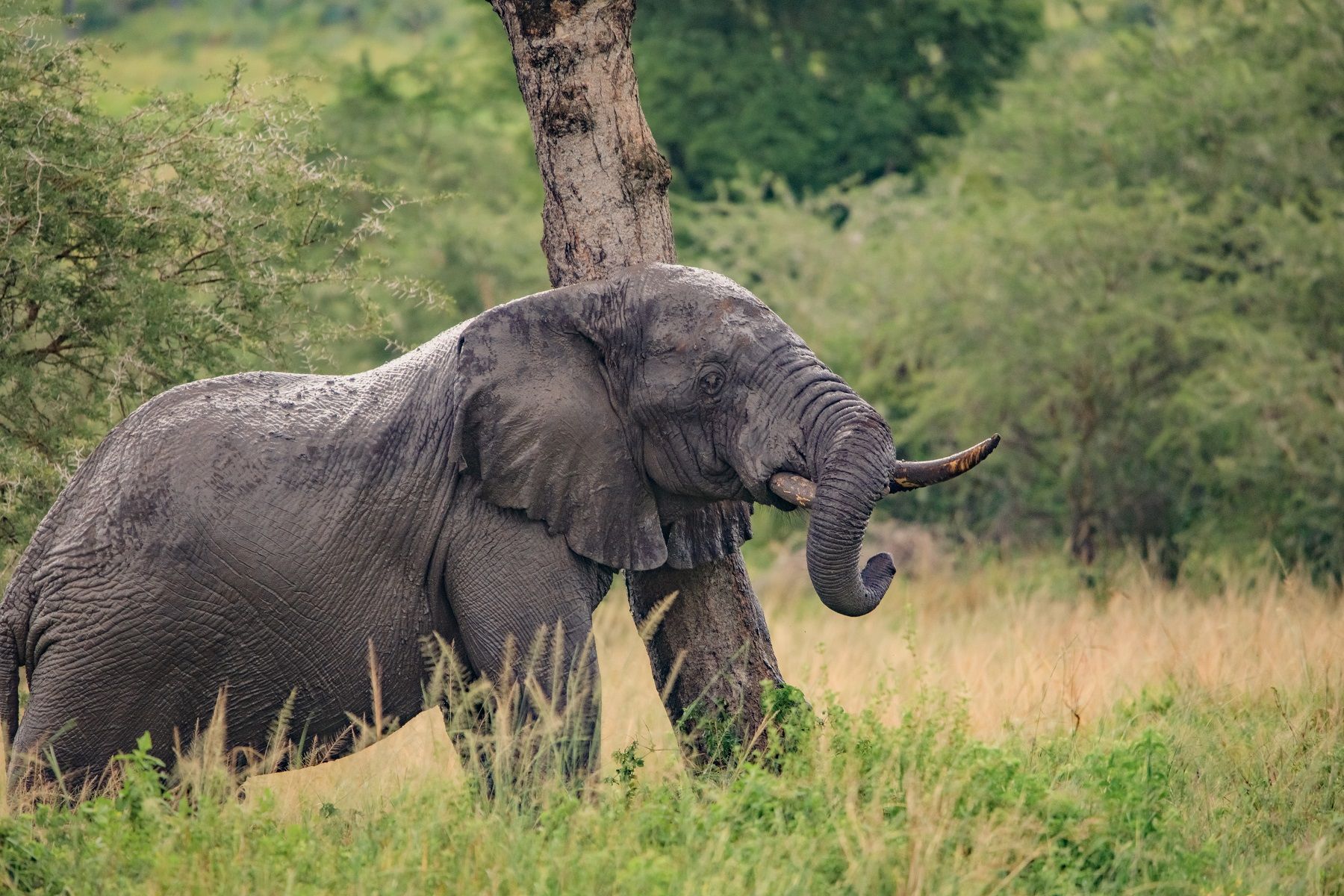
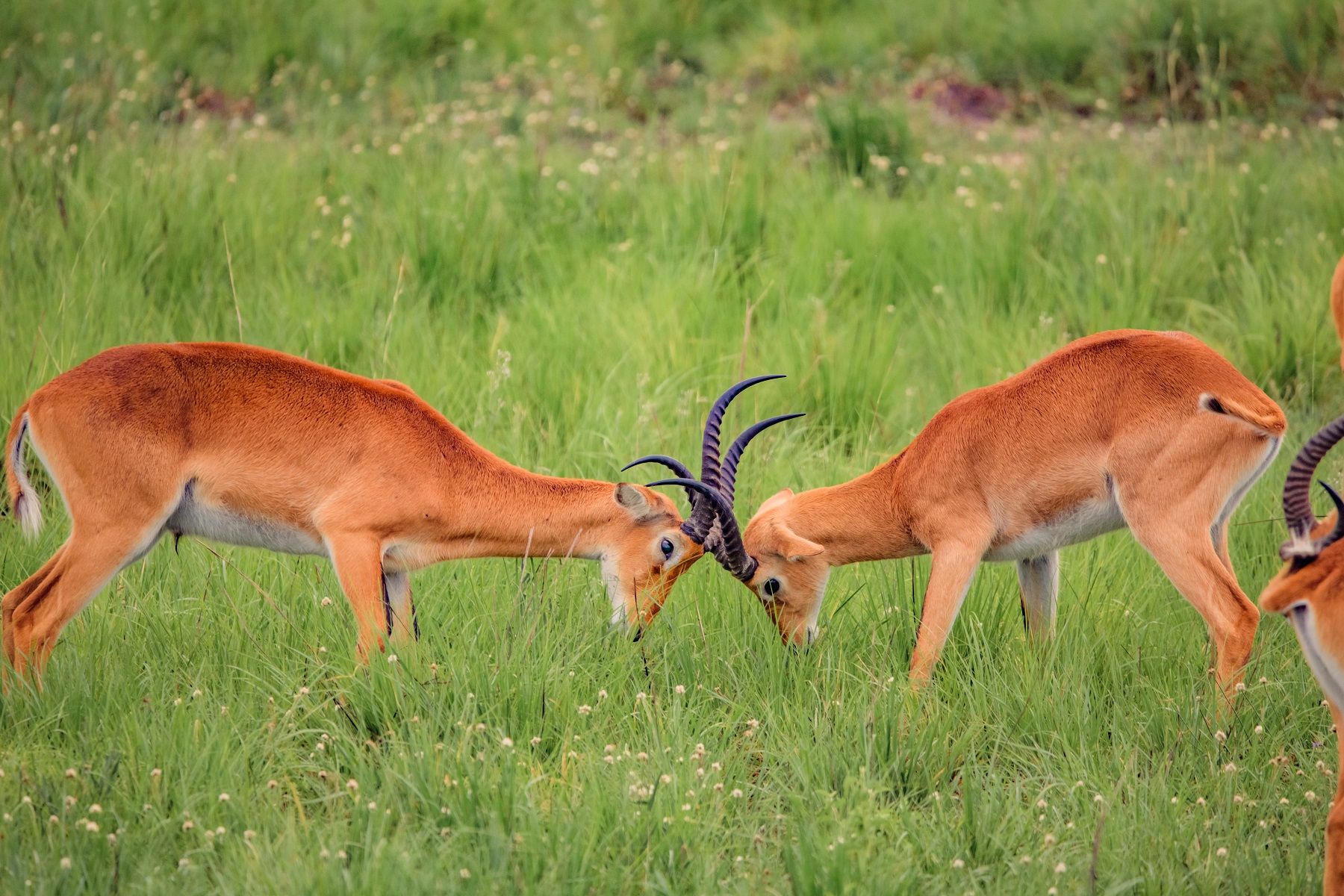
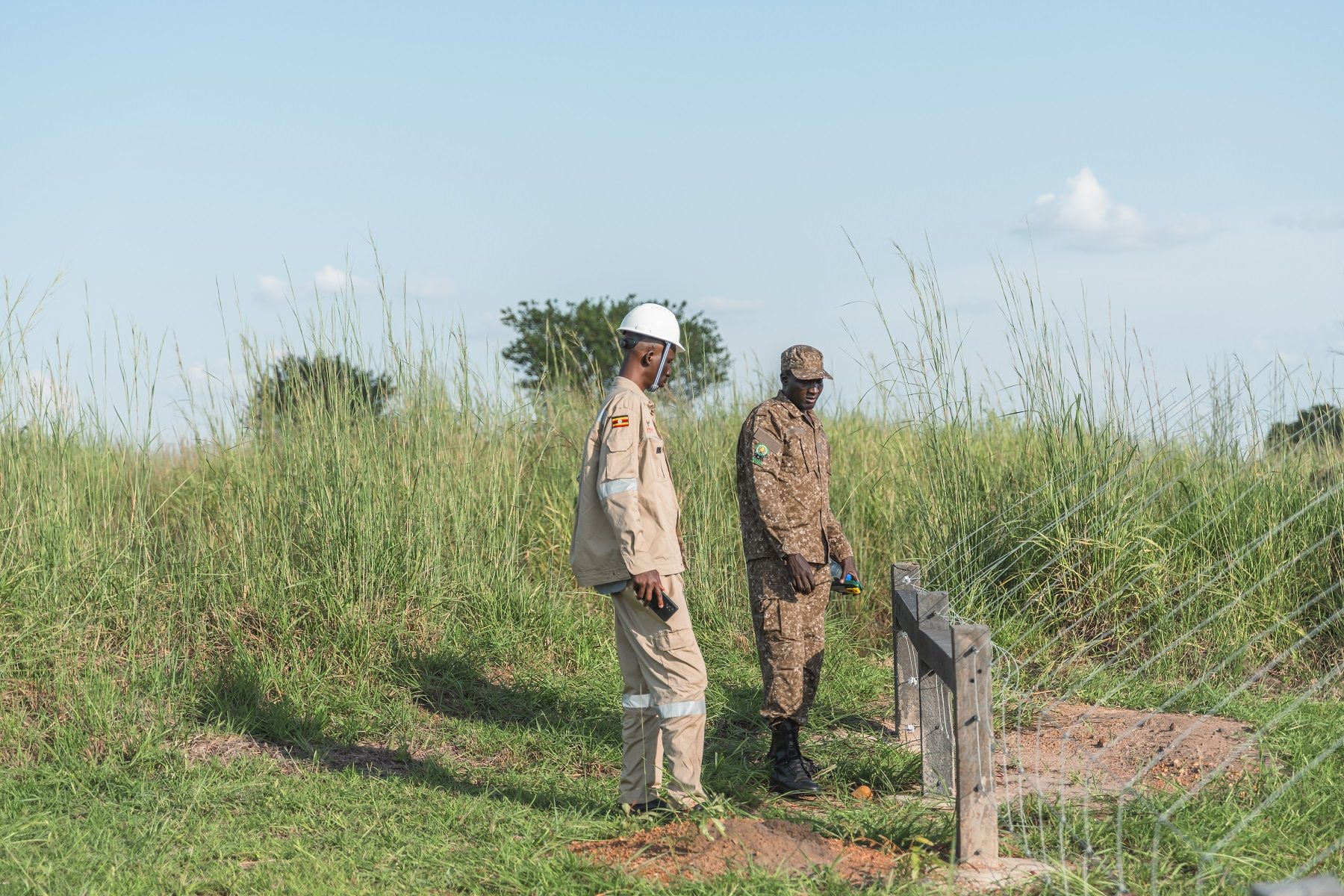
The Murchison Falls National Park (MFNP) in Uganda is a conservation haven, home to a diverse range of wildlife, including the African elephant (Loxodonta africana). However, the park has long faced the challenge of human-elephant conflict, where agricultural activities and human settlements encroach on elephant habitats. This conflict has stimulated the need for innovative conservation strategies, among which elephant collaring has emerged as a critical tool. This article examines the implementation of light GPS collars on elephants in MFNP, its role in reducing human-wildlife conflict, and its influence on conservation policies.

Elephant collaring involves fitting elephants with GPS-enabled collars, allowing researchers and park authorities to track their movements in real-time. In MFNP, the deployment of lighter, more efficient collars has enhanced the monitoring process. These collars are designed to minimise discomfort for the elephants, ensuring their natural behaviours remain largely unaffected.

The data collected from the collars is pivotal in understanding elephant migration patterns, habitat utilisation, and interactions with human settlements. This information is crucial for developing targeted strategies to mitigate conflict and promote coexistence.

One of the primary benefits of elephant collaring in MFNP is its role in reducing human-wildlife conflict. By tracking elephant movements, park authorities can predict and prevent potential encounters between elephants and local communities.

For instance, when elephants approach farmlands or settlements, alerts can be sent to rangers and local stakeholders, allowing for timely intervention. This proactive approach has significantly decreased incidents of crop raiding and property damage, fostering a more harmonious relationship between humans and elephants.

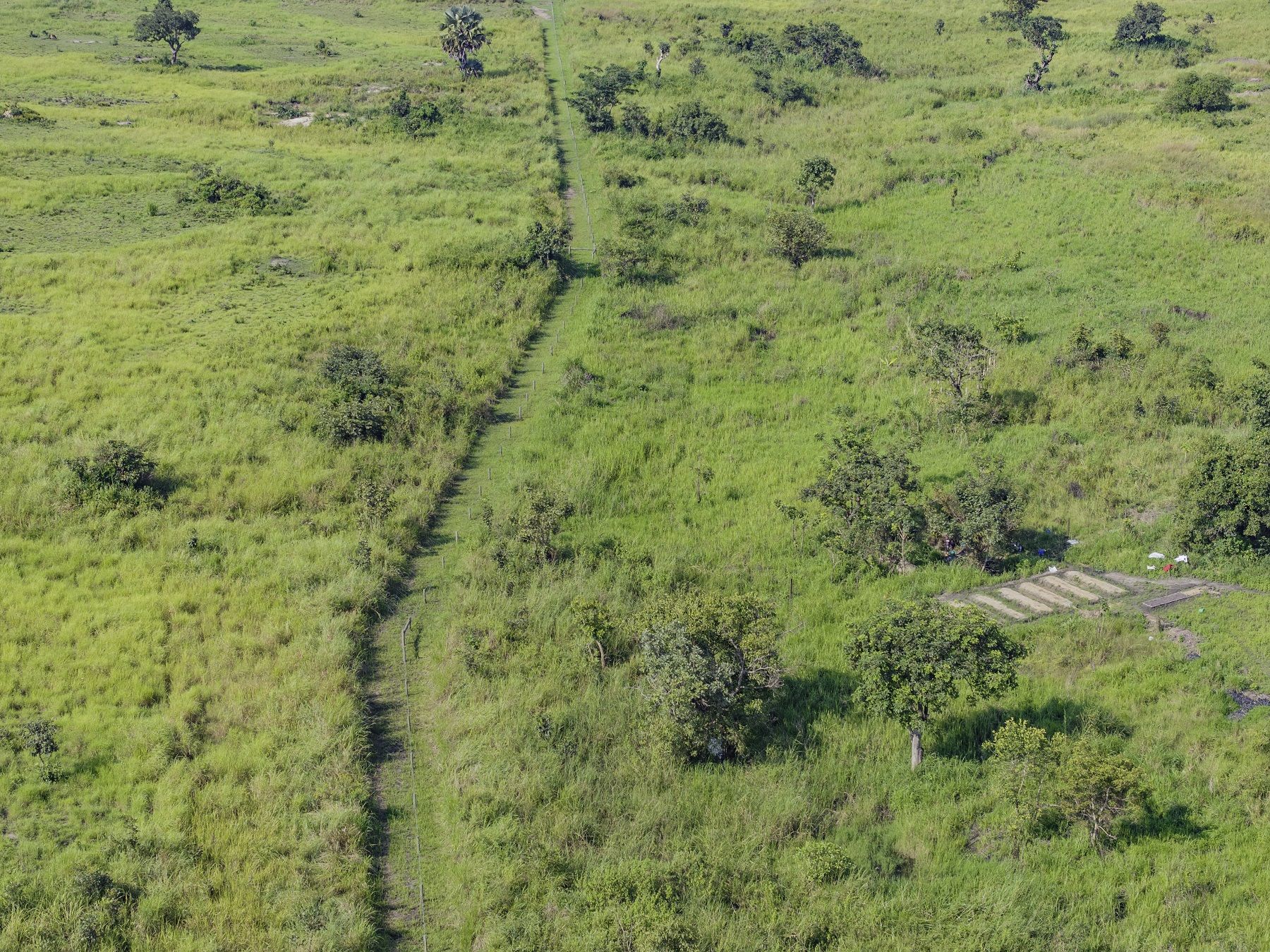
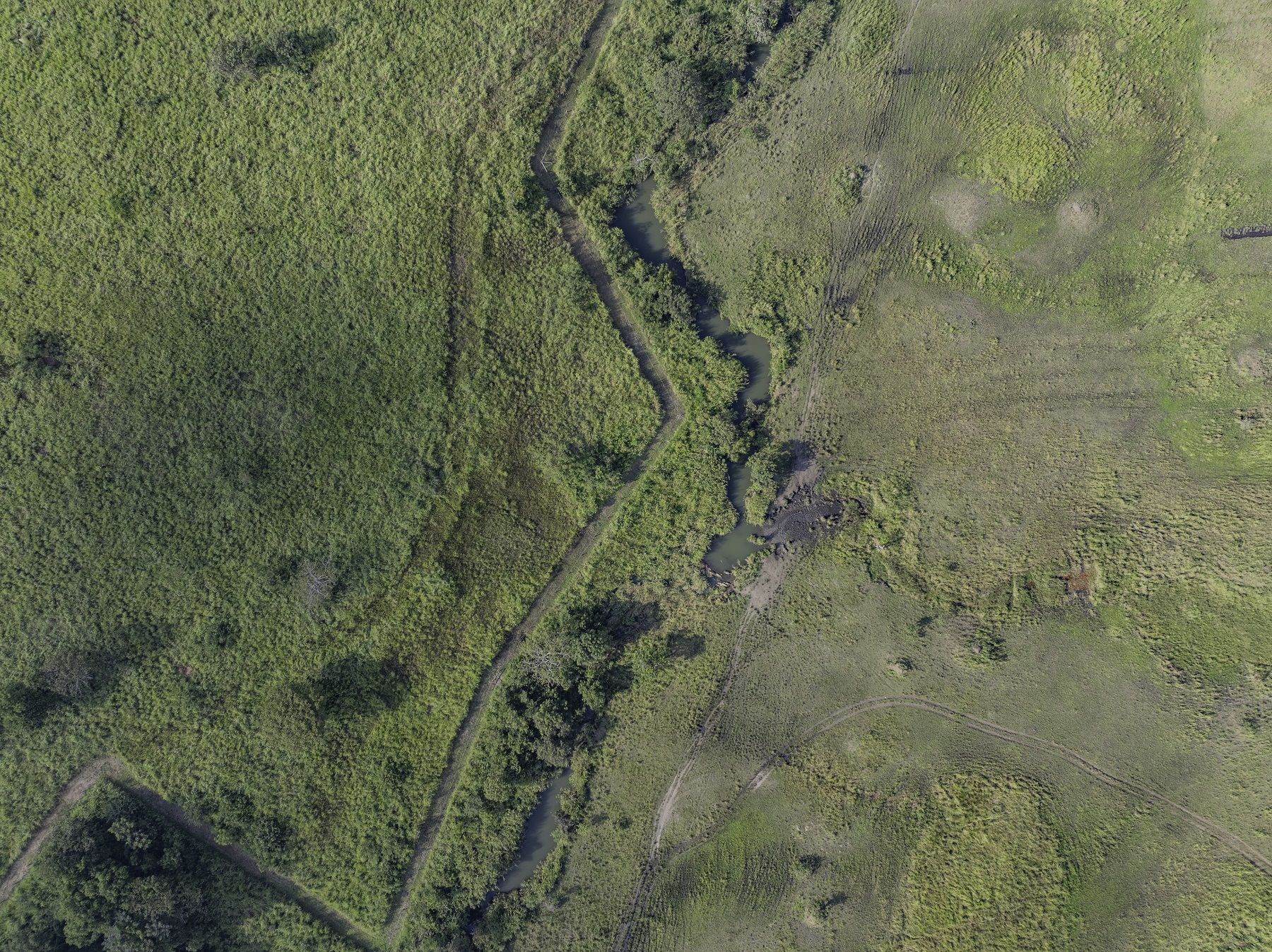
Moreover, collaring helps in identifying critical corridors and habitats that need protection, guiding conservation efforts to areas most vulnerable to human encroachment. This ensures that elephants have safe passage and access to essential resources without venturing into human-dominated landscapes.

Elephant Collars at Murchison Falls National Park. (photo by Raymond Kagumire)

The insights gained from elephant collaring extend beyond immediate conflict mitigation; they influence broader conservation policies and land-use planning. The real-time data provides empirical evidence for policymakers, supporting the formulation of evidence-based conservation strategies.

For example, the data can inform the creation of buffer zones around protected areas, ensuring that agricultural expansion does not infringe upon elephant habitats. Additionally, it aids in the development of community-based initiatives that promote sustainable agriculture and wildlife-friendly practices, aligning local economic activities with conservation goals.

Collaring also plays a role in transboundary conservation efforts, as elephant movements often span beyond national borders. By collaborating with neighbouring countries, Uganda can develop cohesive policies that address the needs of migratory elephant populations across the region.

The implementation of elephant collaring in MFNP has yielded significant conservation and community benefits. It has enhanced the capacity of park authorities to manage elephant populations effectively, ensuring their conservation while minimising adverse impacts on local communities.

UWA staff and other collaborating partners placing collars on an elephant in Murchison Falls National Park (Photo by Raymond Kagumire

The data-driven insights from collaring also contribute to global conservation knowledge, providing valuable case studies for similar initiatives worldwide. This exchange of information promotes best practices in wildlife management and encourages the adoption of innovative technologies in conservation.

Elephant collaring in Murchison Falls National Park represents a pivotal advancement in the effort to mitigate human-wildlife conflict and enhance conservation practices. By providing real-time data on elephant movements, collaring enables proactive measures to prevent conflict, informs evidence-based policy making, and fosters community engagement. As a model for integrating technology and conservation, it highlights the potential for innovative approaches to harmonise human and wildlife interests, ensuring a sustainable future for both elephants and local communities.

Mara Mambo Media documents conservation and wildlife stories across Uganda. Explore our wildlife & conservation photography and film and documentary photography services.

A Call to Safeguard Wildlife from Snares and Poaching: Protecting the Wild from Man

animal snared

Recently, while documenting wildlife conservation efforts at Murchison Falls National Park, I witnessed an upsetting sight that left a lasting impression: a Lelwel Hartebeest entangled in a painful wire snare. This unfortunate encounter served as a stark reminder of the grave threats faced by these creatures due to poaching—a practice that not only harms animals in the wild but also disrupts our ecosystem.

Wire snares are a prevalent tool among poachers due to their low cost, easy availability, and simplicity in setting up. However, their impact on wildlife is devastating and complex. These snares do not target specific animals, meaning any creature that walks into a snare’s path is at risk, leading to unintended casualties among various species, including those not sought by poachers. The inhumane suffering inflicted by these traps cannot be overstated; animals caught in snares often endure prolonged pain as the snares tighten with their struggles, causing severe injuries, deep wounds, and a slow, painful death.

The ecological imbalance caused by the removal of key species like the Lelwel Hartebeest from their natural habitats can disrupt the balance of the ecosystem. Predators lose their prey, and plant life can become overgrown without herbivores to manage it. Furthermore, wildlife tourism, a significant source of revenue for many regions including Uganda, is jeopardized by the decline in wildlife populations due to poaching, ultimately impacting local economies.

Efforts to combat poaching and preserve the Lelwel Hartebeest are not merely about saving one species but about protecting the natural balance that supports all life on our planet. By eliminating the destructive practice of poaching, we can secure a brighter future not only for these animals but for the generations to come. Imagine the next generation learning about the Lelwel Hartebeest only by visiting a museum when these animals could still freely roam the earth as they have a right to.

wire snare removal
A Uganda Wildlife Authority (UWA) ranger removes a wire snare left by a poacher. (Photo by Raymond Kagumire)

To combat this challenge, stricter enforcement of anti-poaching laws with severe penalties is essential to deter poachers. Governments and wildlife authorities must take a firm stand against these illegal activities. Community engagement is equally important; local communities should be educated and involved in conservation efforts. Providing alternative livelihoods can reduce the dependency on poaching for income, thereby protecting wildlife.

Technological advancements offer promising solutions. Utilizing technology such as drones and GPS tracking can help monitor wildlife and detect poaching activities in real time. Additionally, increased patrols and surveillance in national parks and wildlife reserves can prevent poachers from setting snares, thus protecting the animals.

Snares Community Sensitization
Uganda Wildlife Authority Official Sensitizes the Community on the Dangers of Snares at Murchison Falls National Park near Packwach. Photo by Raymond Kagumire.

Raising public awareness about the impact of poaching on wildlife and ecosystems can encourage public support for conservation efforts.
We must stand united in our commitment to protect these beautiful creatures and the diverse wildlife of Murchison Falls National Park.

Protecting wildlife starts with telling its story. See Mara Mambo Media’s wildlife & conservation media and environmental storytelling work in Uganda.

Mara Mambo Media

Mara Mambo Media is a team of young, creative, and versatile production professionals driven by passion and precision. We stand among Uganda’s leading media production companies, mastering the art and trade of videography, photography, and 3D animation.

At our core, we are storytellers. We believe in the power of human narratives — stories that inform, entertain, educate, and inspire. Every idea we craft begins with your story. From that story, we design compelling visual experiences that move people and meet the unique purpose of your brand or audience.

Mara Mambo Media was founded on a simple yet profound belief:
that media — whether visual, audio, or artistic — needed a new lens, a fresh perspective, and a deeper purpose. We represent that shift. Our work embodies transformation, creativity, and authenticity.
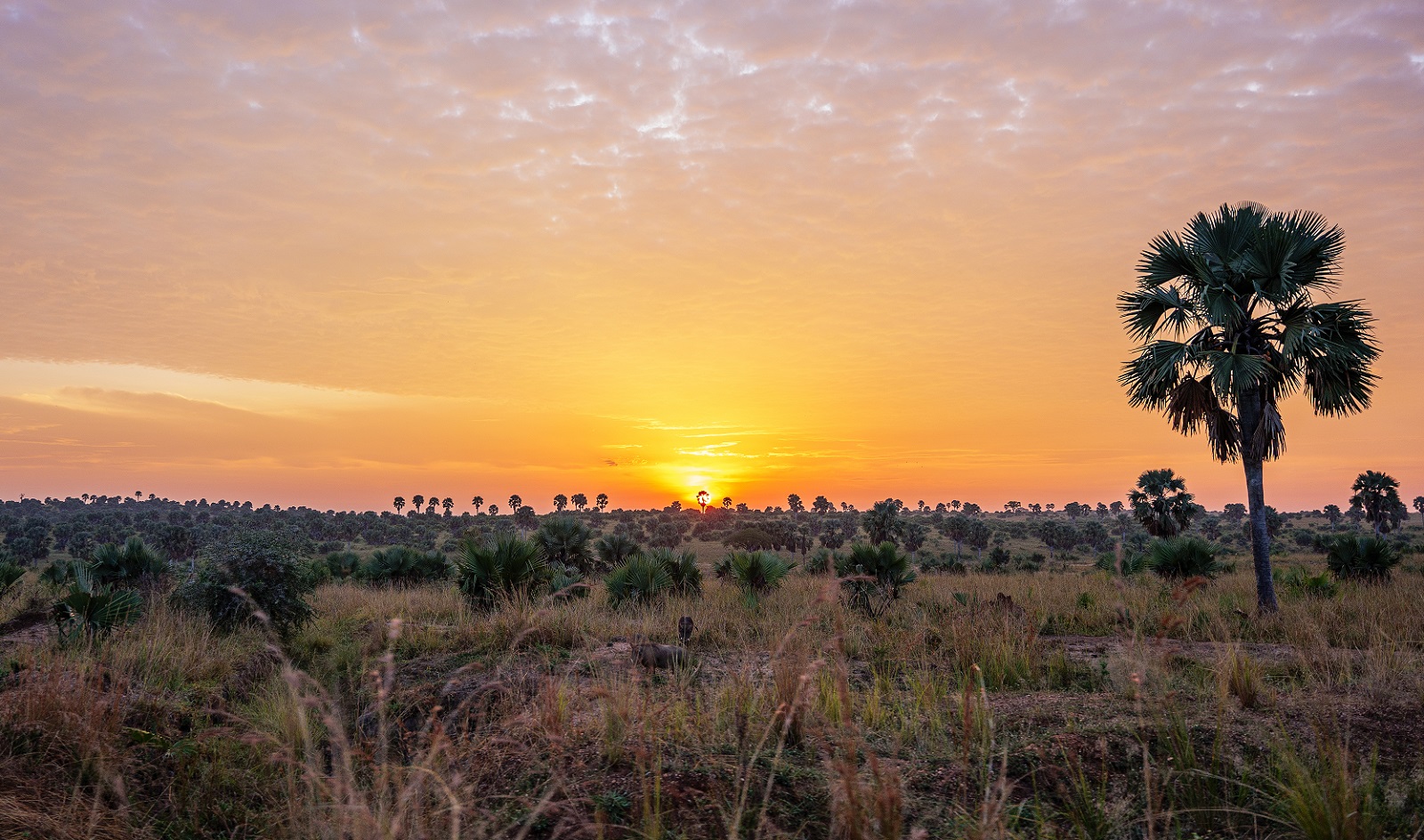
Our name, Mara Mambo, draws inspiration from the breathtaking beauty of the Masai Mara — a place of color, wonder, and life. From that inspiration, we visualize stories that mirror the magic of our clients’ ambitions.
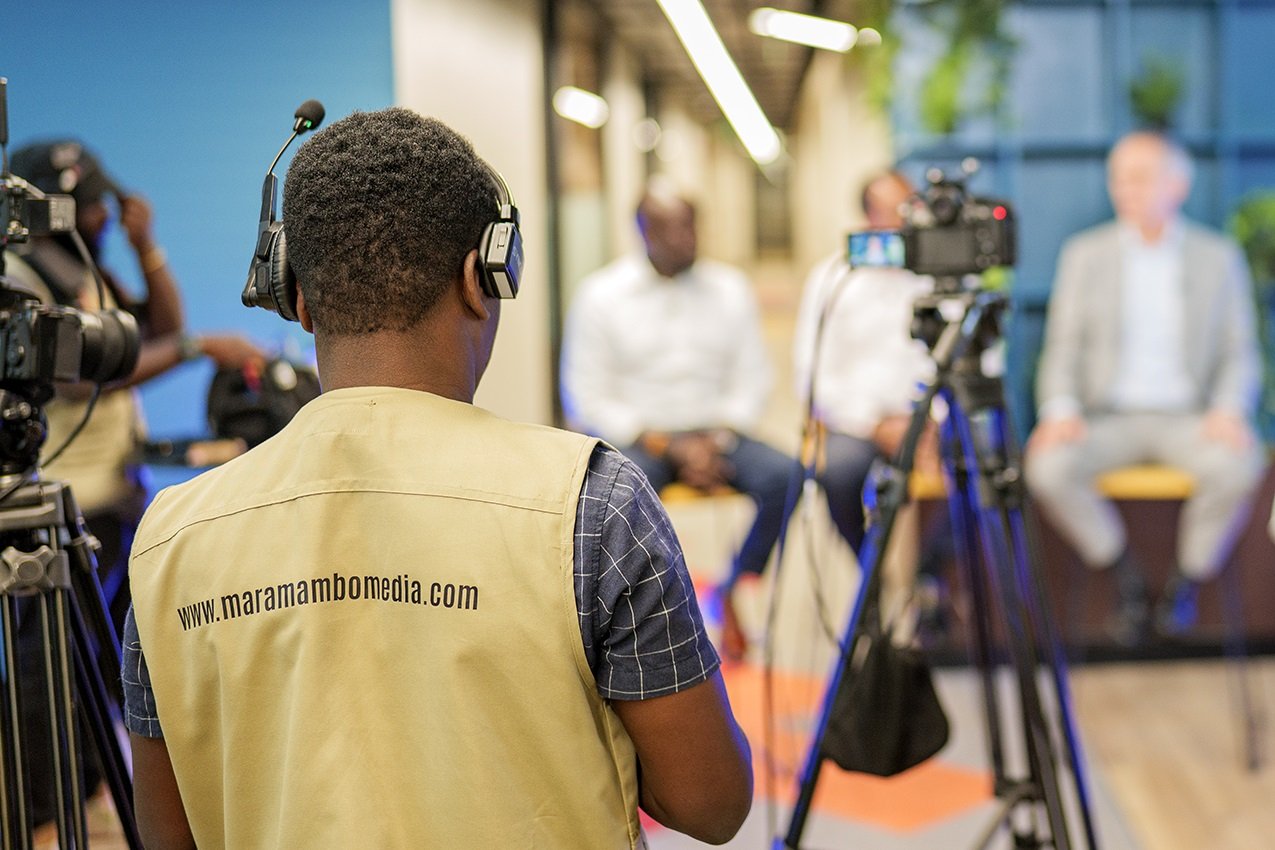
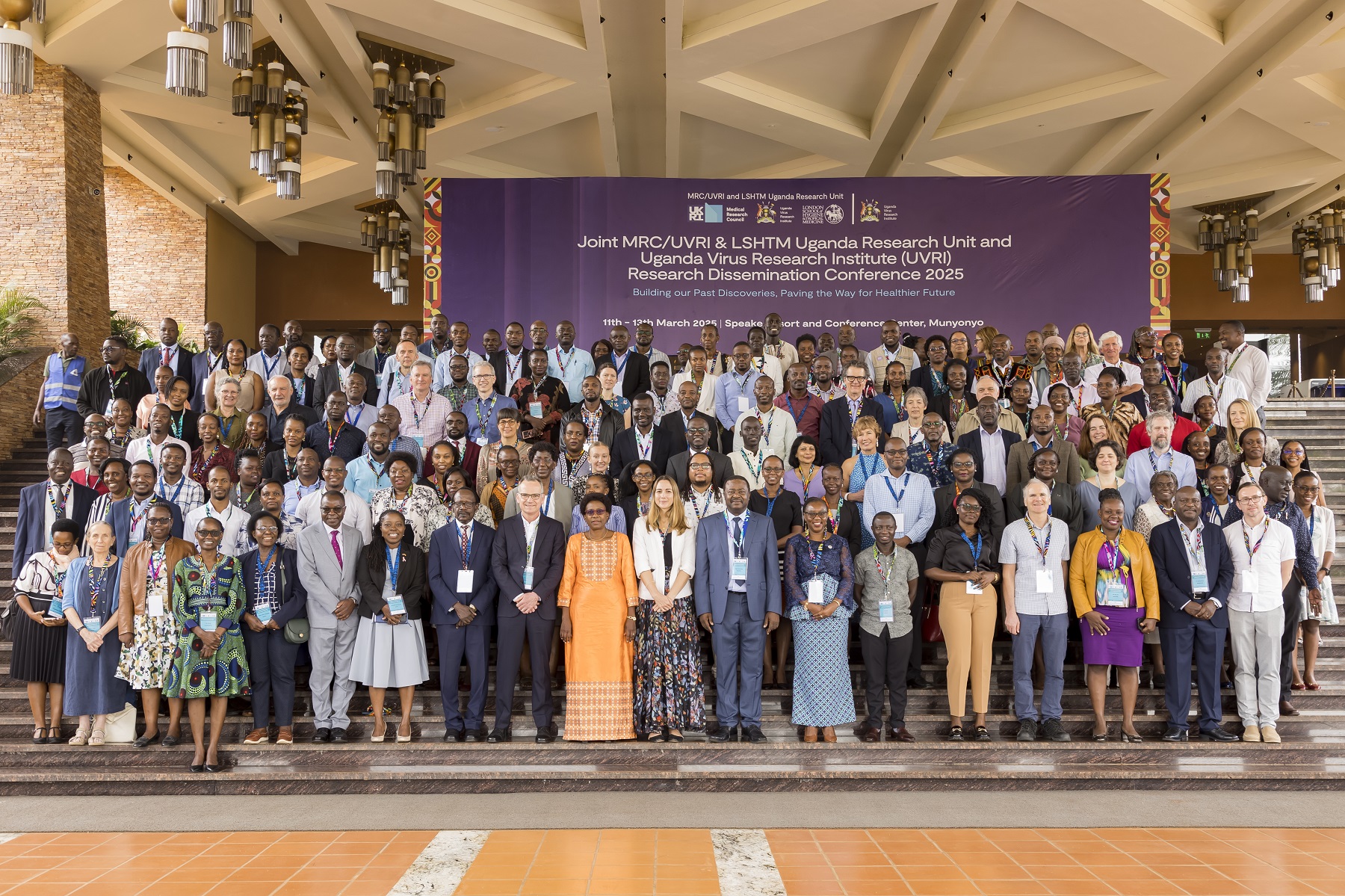
Our team combines over eight years of professional experience across multiple disciplines. We bring together diverse talents — men and women who are qualified, imaginative, and relentlessly committed to quality. For every project, we invest time in strategic planning, detailed execution, and uncompromised standards. We never cut corners. We go beyond expectations.

Through every production — big or small — we deliver value, creativity, and reliability. We work longer, think deeper, and move faster because we care about our clients’ stories and the impact they make.

At Mara Mambo Media, we don’t just produce content — we craft experiences that change, transform, and connect.