There is a difference between photographing wildlife and documenting it.
That difference is that one gives you a beautiful picture of an animal, whereas the other makes you look twice.
For instance; a lion crossing a road. A buffalo standing quietly in the grass with birds perched on its back. An elephant moving through woodland. Hundreds of animals spread across a green landscape. A ranger scanning the horizon through binoculars.
These moments may look unrelated, but together they tell a much bigger story.
Wildlife conservation is not only about protecting animals. It is about protecting the places they live, the people who safeguard them and the delicate relationships that allow an ecosystem to function.
And documentary photography has a role to play in telling that story.
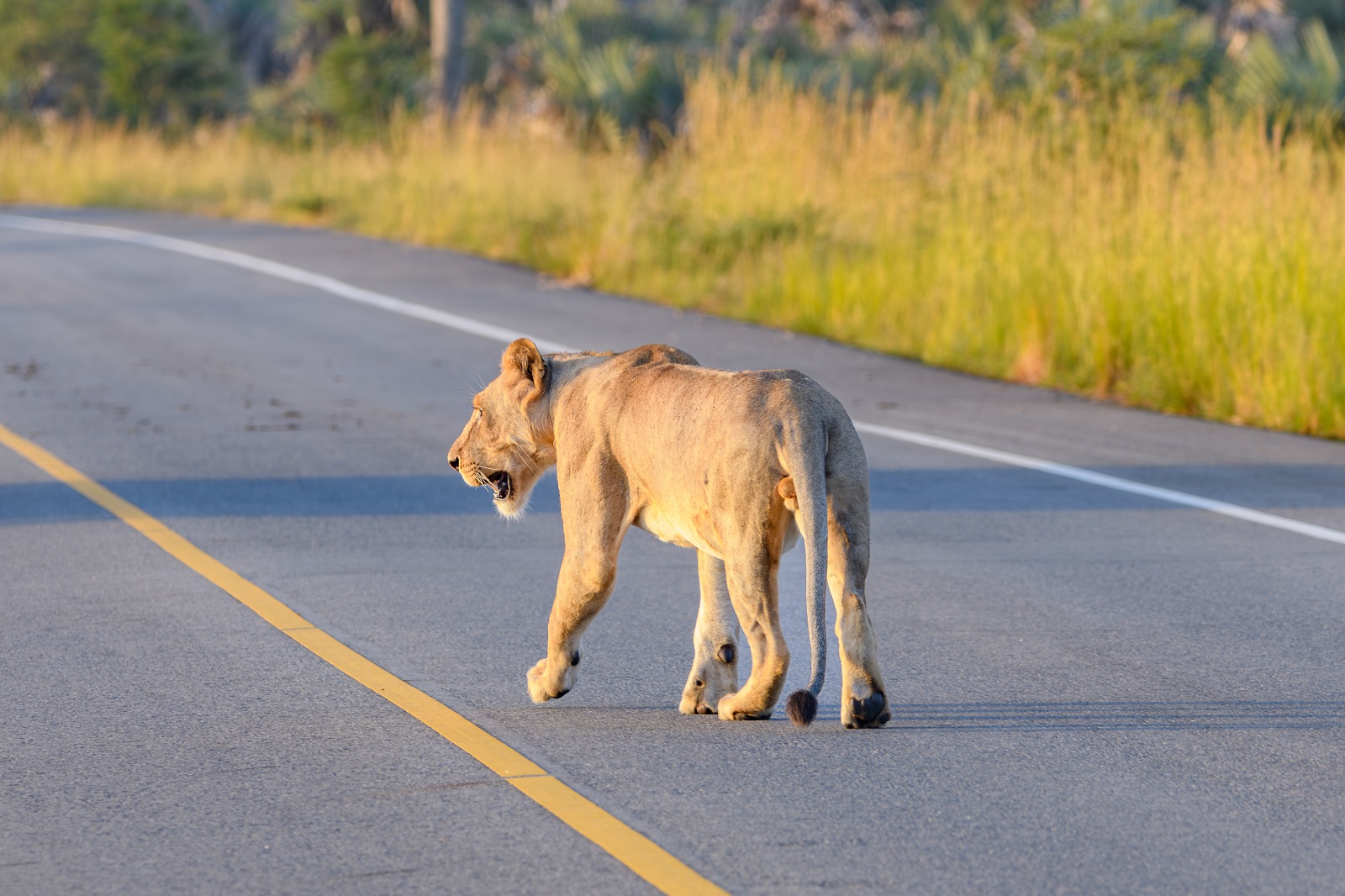
A lion crosses a road in Murchison Falls National Park- a quiet reminder of where human infrastructure meets wild space.
Let usthink about a lion in the middle of a road.
It is a familiar image in a safari setting, but there is something almost unsettling about it. The road belongs to us, but the lion doesn’t know that.
It is simply moving through its home.
That single frame can say something words sometimes struggle to explain: wildlife and human activity increasingly share spaces, and how we manage that relationship matters.
This is where documentary photography becomes more than an exercise in getting the perfect shot. It captures moments that make us pause, question and think.
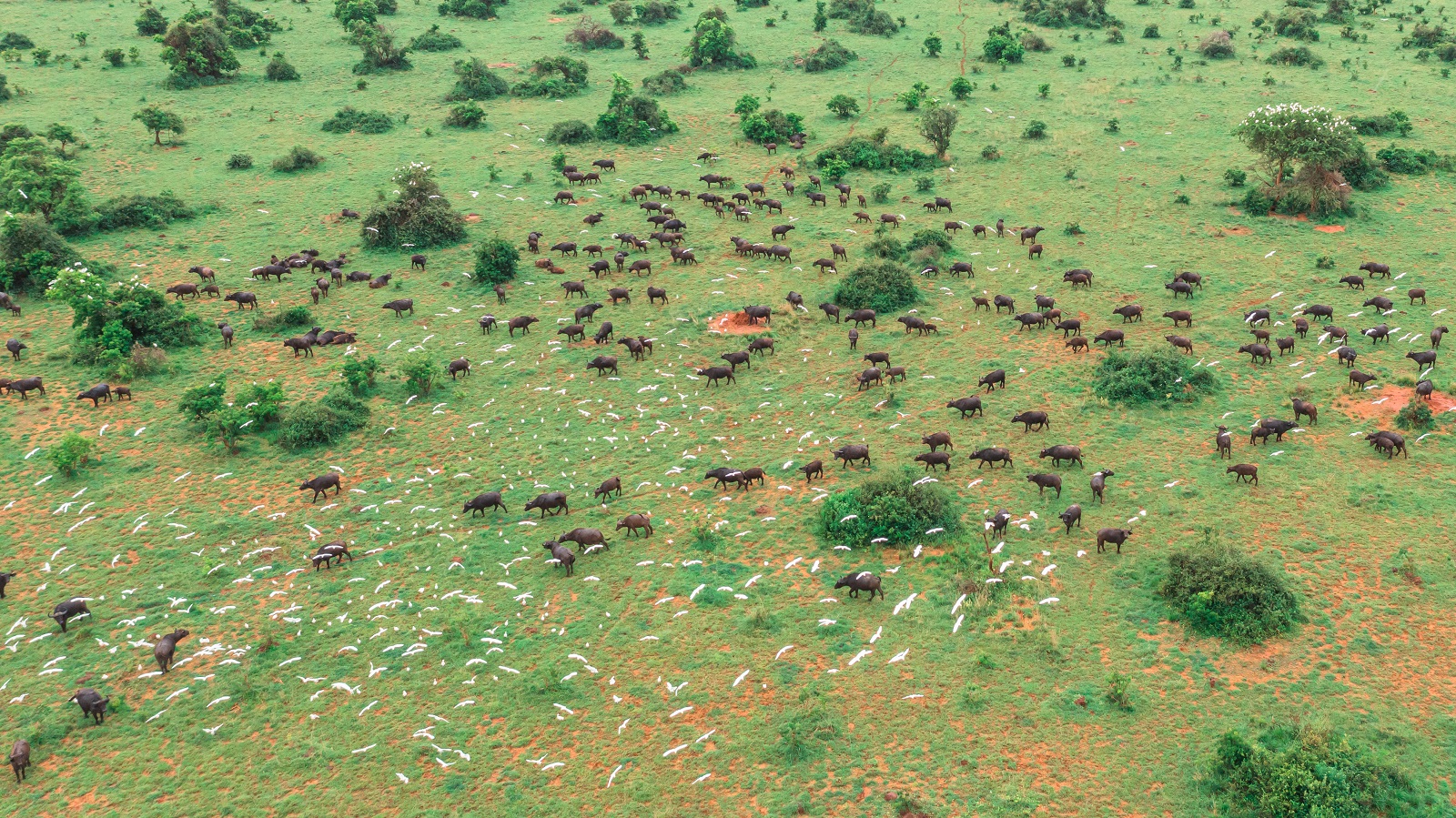
Aerial view of wildlife spread across the landscape, showing how individual animals form part of a much larger ecosystem.
Look closely at a wildlife photograph and there is usually much more happening than the animal in the foreground.
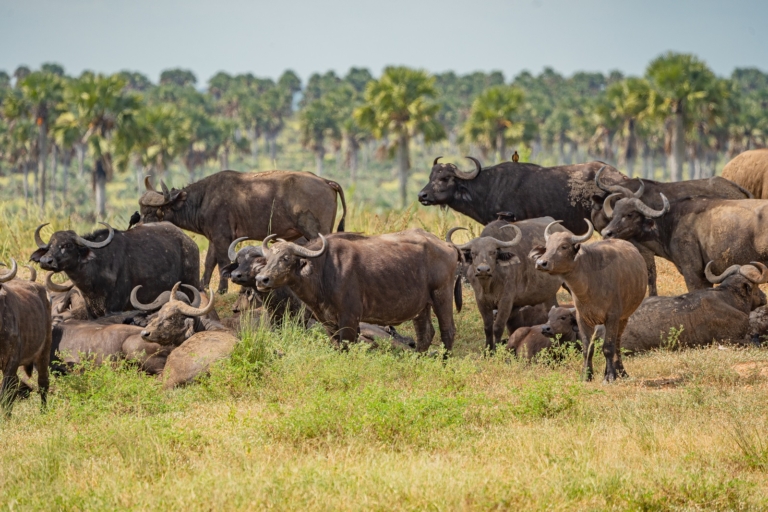
Take the buffalo, as another example.
There are birds riding on its back, feeding from insects and other organisms stirred up as it moves through the grass. The buffalo provides an opportunity for the birds; the birds, in turn, help themselves to what the buffalo’s movement makes available.
It is a small interaction, but it tells us something important.
That nature is connected.
An ecosystem is made up of relationships like these, happening constantly and often unnoticed. Photography allows us to freeze those relationships long enough for us to appreciate them.
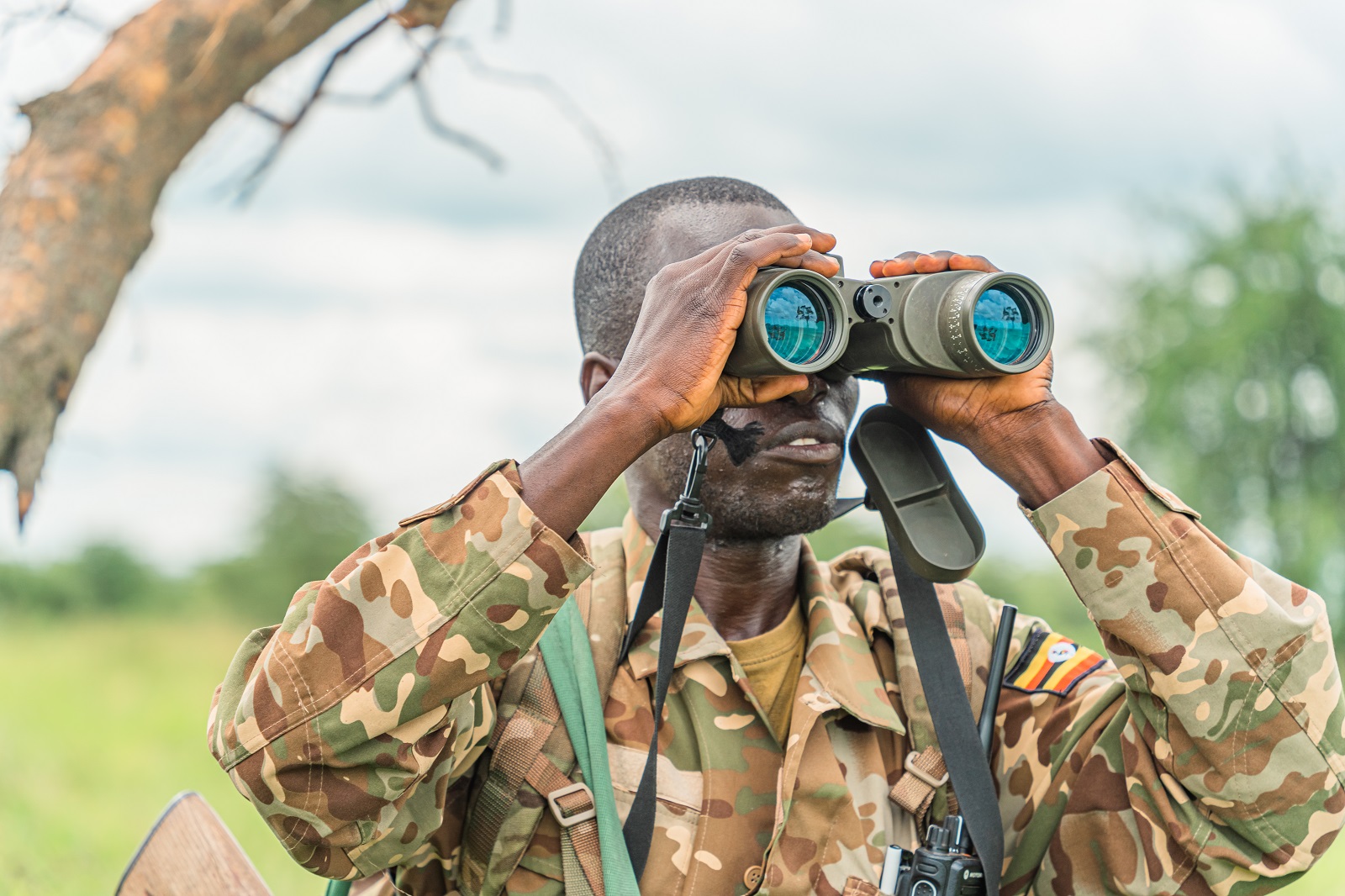
A ranger scans the landscape, representing the people whose daily work helps protect wildlife and their habitats.
Not every conservation photograph needs a dramatic close-up.
Sometimes, you need to step back.
An aerial view of wildlife scattered across a vast green landscape can reveal something a close-up never could, and that is scale.
You begin to see animals as part of a much larger ecosystem.
The grassland matters. The trees matter. The water matters. The insects matter. The birds matter. Every little thing matters.
And suddenly, conservation stops looking like the protection of individual animals and starts looking like what it really is- the protection of an entire living system.
There is another story that wildlife photography can bring into focus: the people doing the work.
A ranger looking through binoculars may not be the image most people imagine when they think about wildlife photography, but perhaps it should be.
Wildlife doesn’t protect itself from poaching, habitat pressure or other threats. Rangers and conservation teams spend long hours monitoring animals, patrolling protected areas and understanding what is happening on the ground.
Documenting their work brings another dimension to the conservation conversation.
It reminds us that protecting wildlife is a human effort too.
Behind every elephant, lion or buffalo photograph may be a network of people making sure these animals have somewhere safe to live.
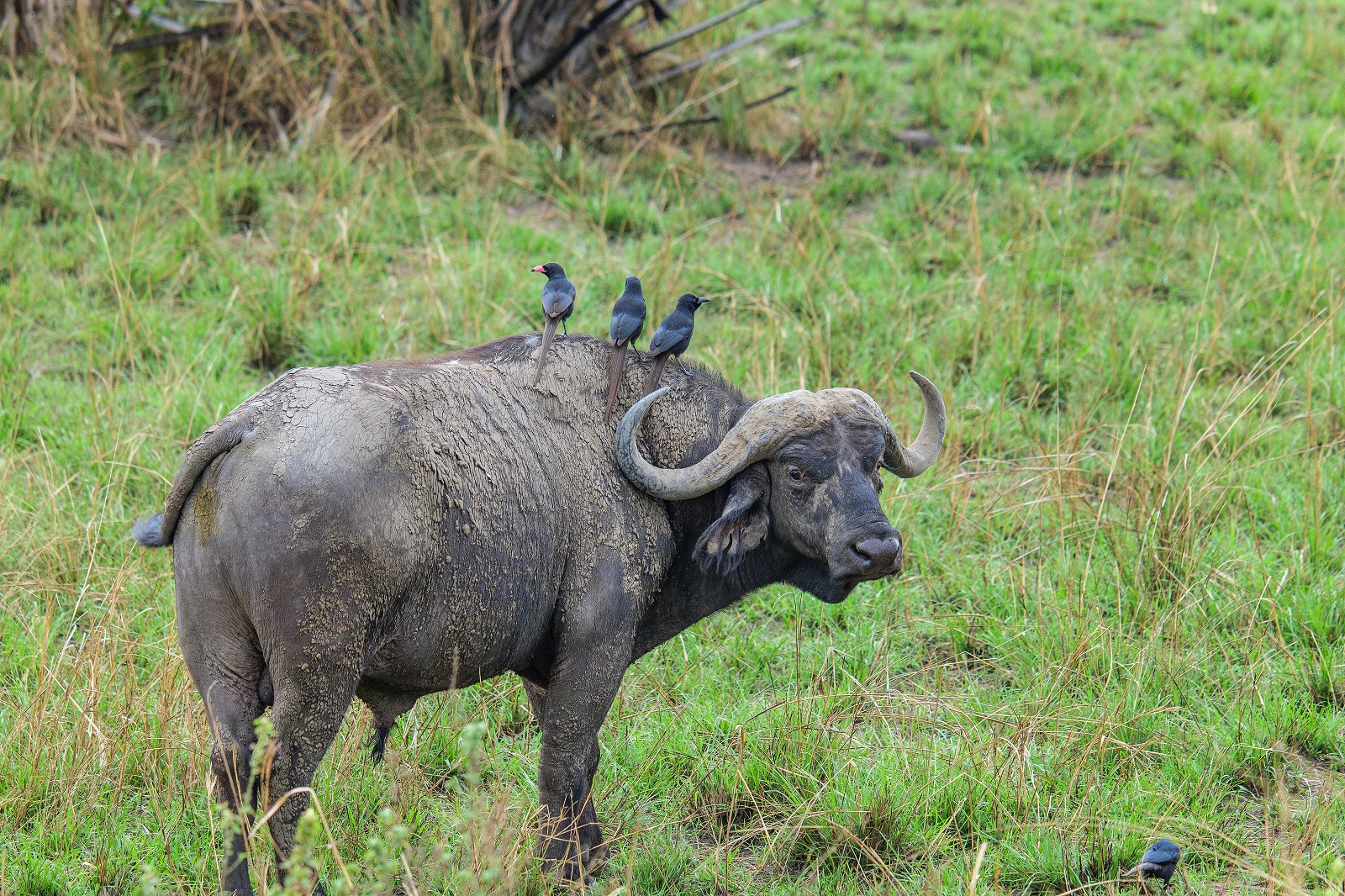
A buffalo moves through the grass with birds perched on its back- one of the many quiet relationships that keep an ecosystem moving.
Conservation needs witnesses
This may be one of the most important contributions documentary photography makes.
Photographs create a visual record of what exists today.
And in a world where people scroll past thousands of images every day, a photograph that makes someone stop can be surprisingly powerful.
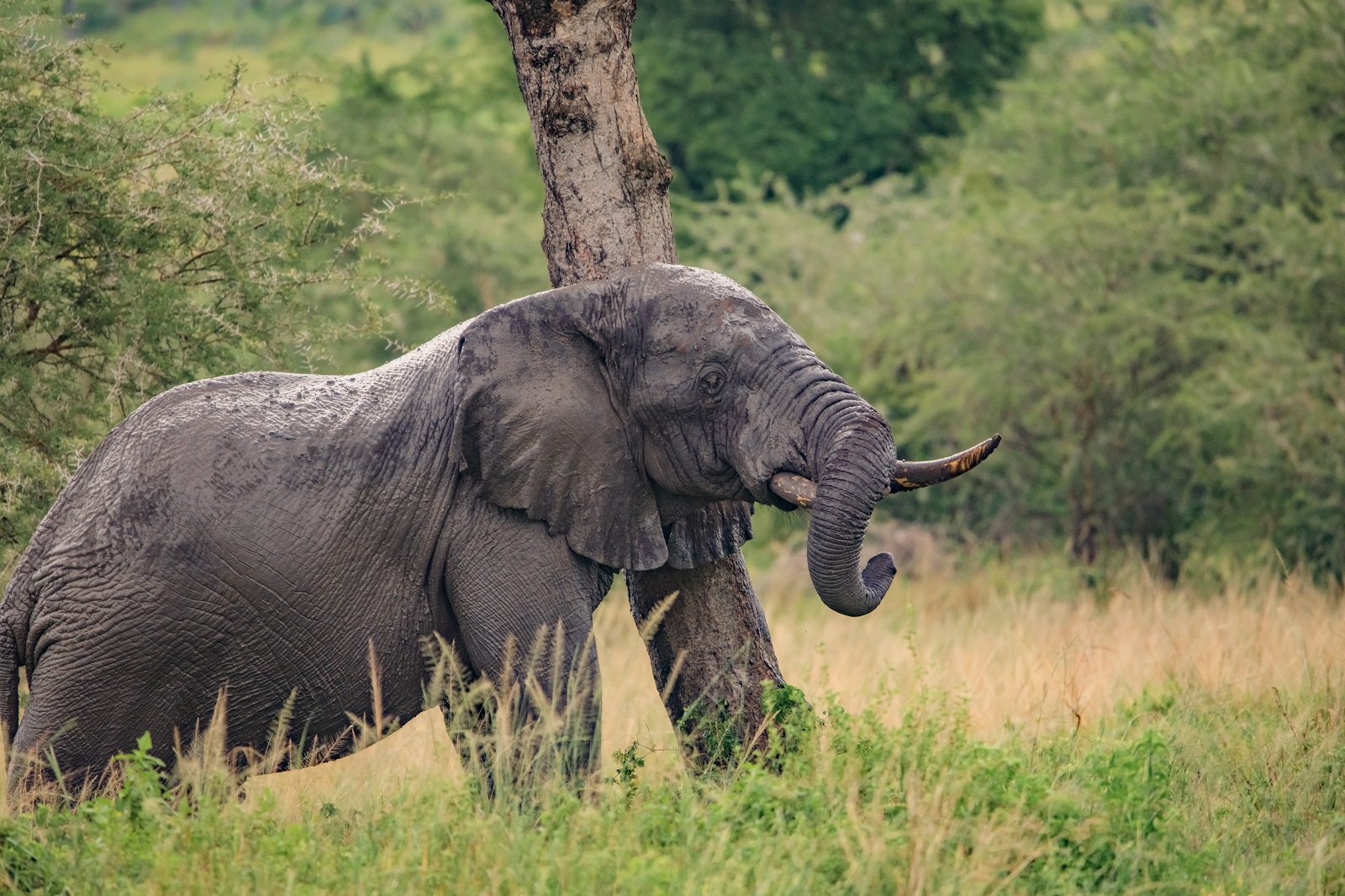
An elephant moves through its habitat, placing an iconic species within the wider landscape it depends on.
Of course, telling wildlife stories comes with responsibility, as the photographer is a visitor in the animal’s world.
Getting close enough for a photograph should never come at the expense of the animal’s safety or natural behaviour.
This is particularly relevant in a place like Murchison Falls National Park, where vast landscapes support an extraordinary mix of wildlife and habitats.
A collection of photographs from the park can therefore become much more than a safari album.
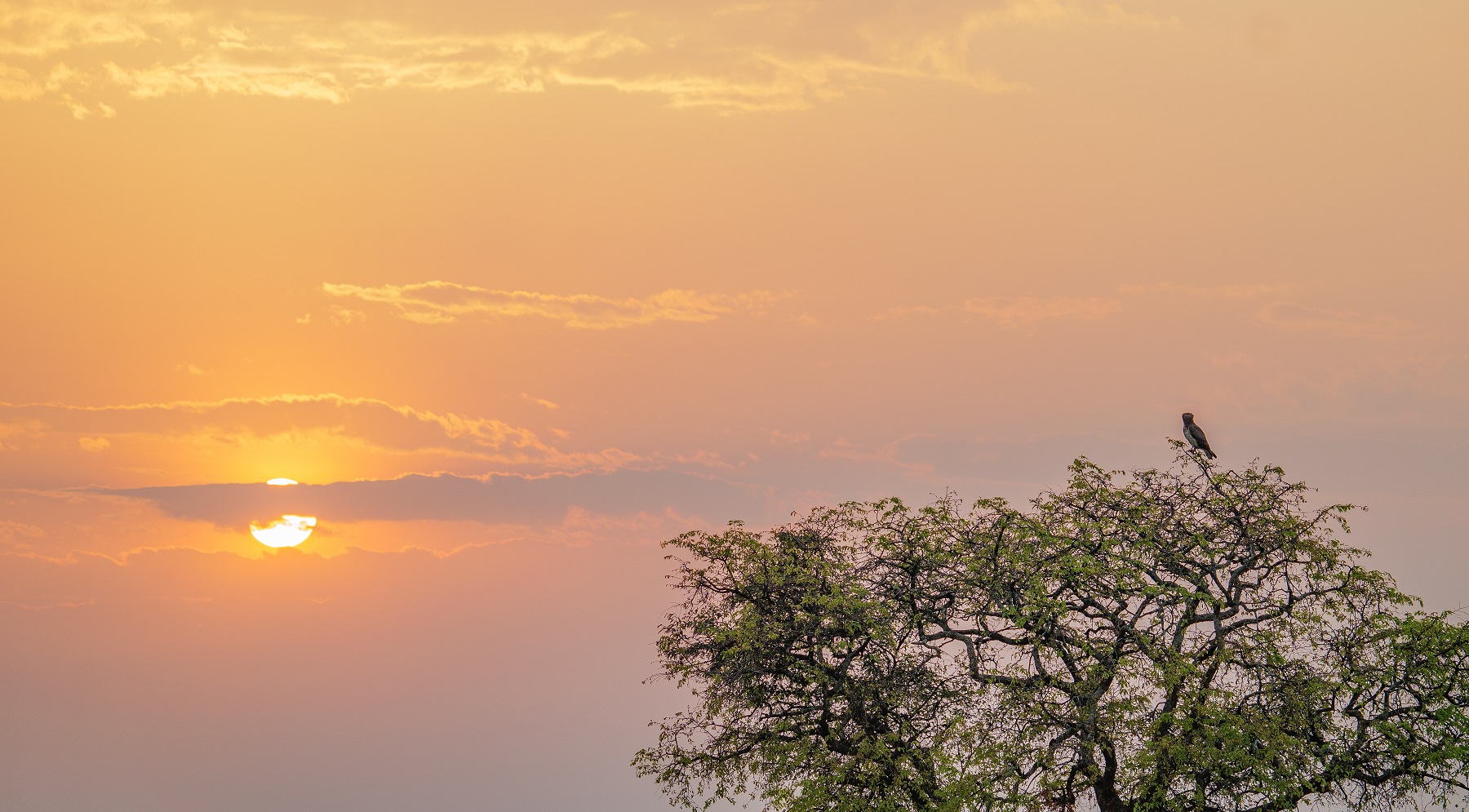
As the sun sets over the park, the landscape offers a final reminder of the wild world documentary photography seeks to help us value.
A photograph cannot stop habitat loss on its own.
It cannot patrol a park, protect an endangered species or write conservation policy.
But it can do something that is just as important at the beginning of the conservation journey.
And perhaps, ultimately, to recognise that protecting wildlife isn’t about saving a world that exists somewhere far away.