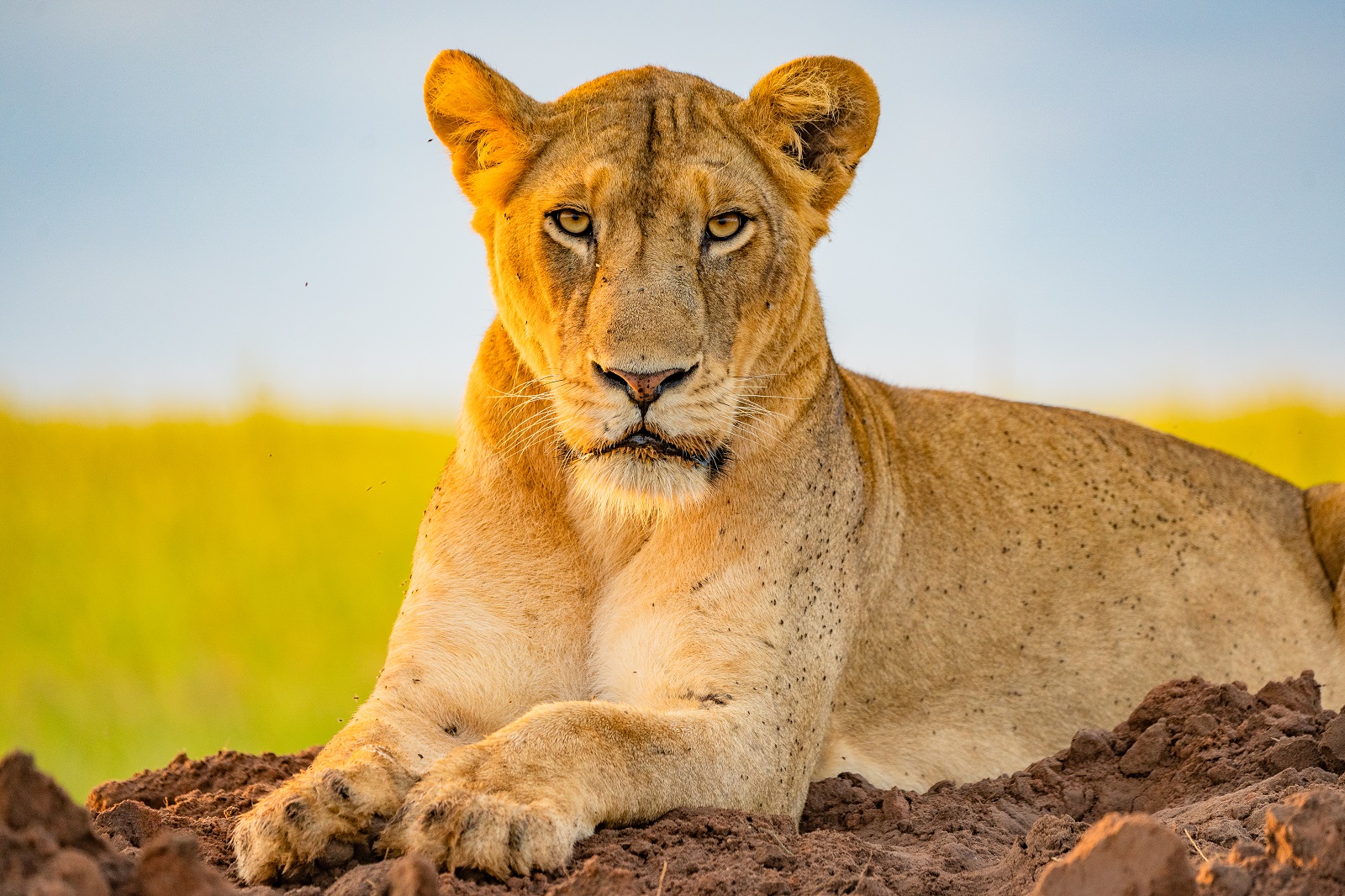
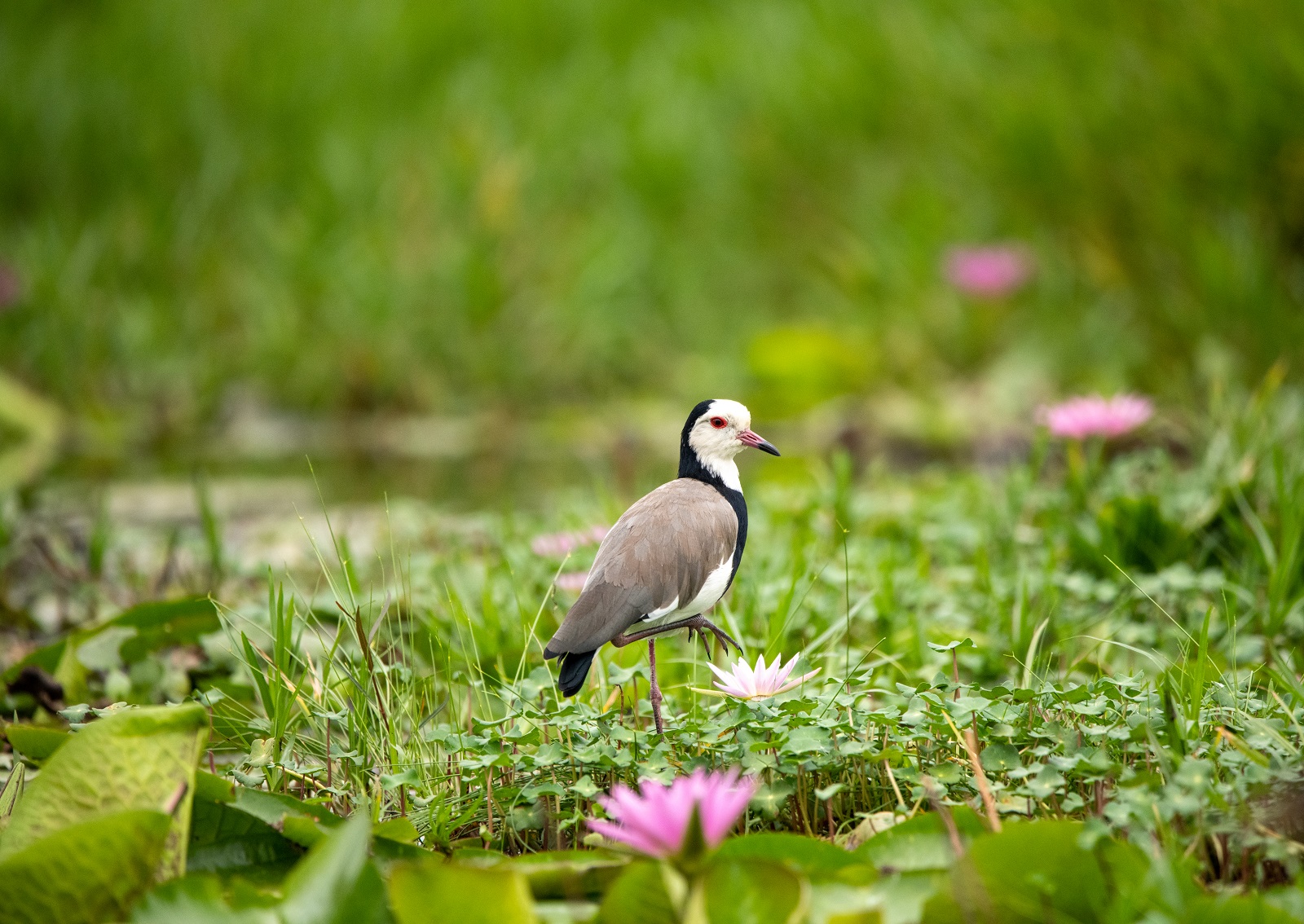
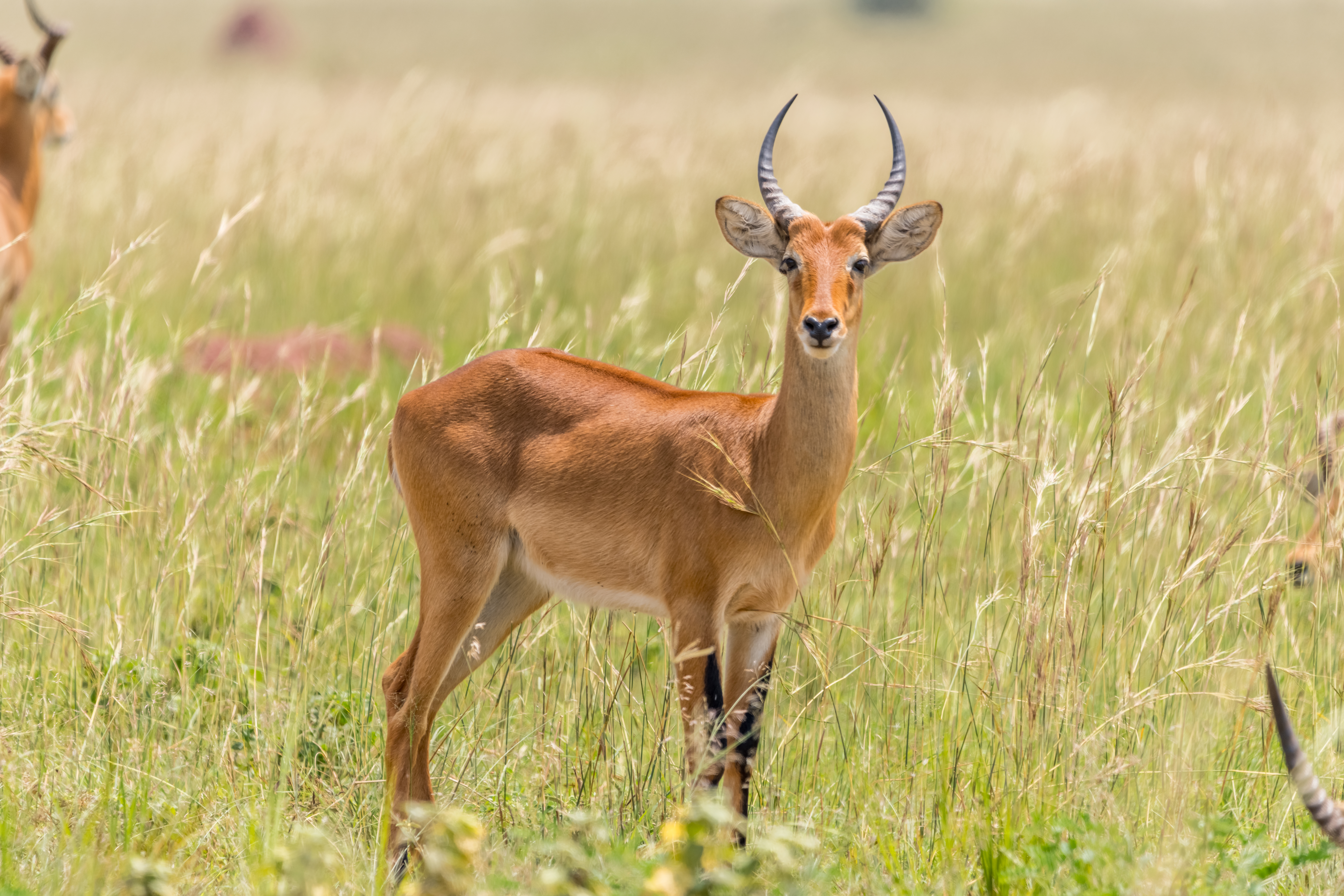
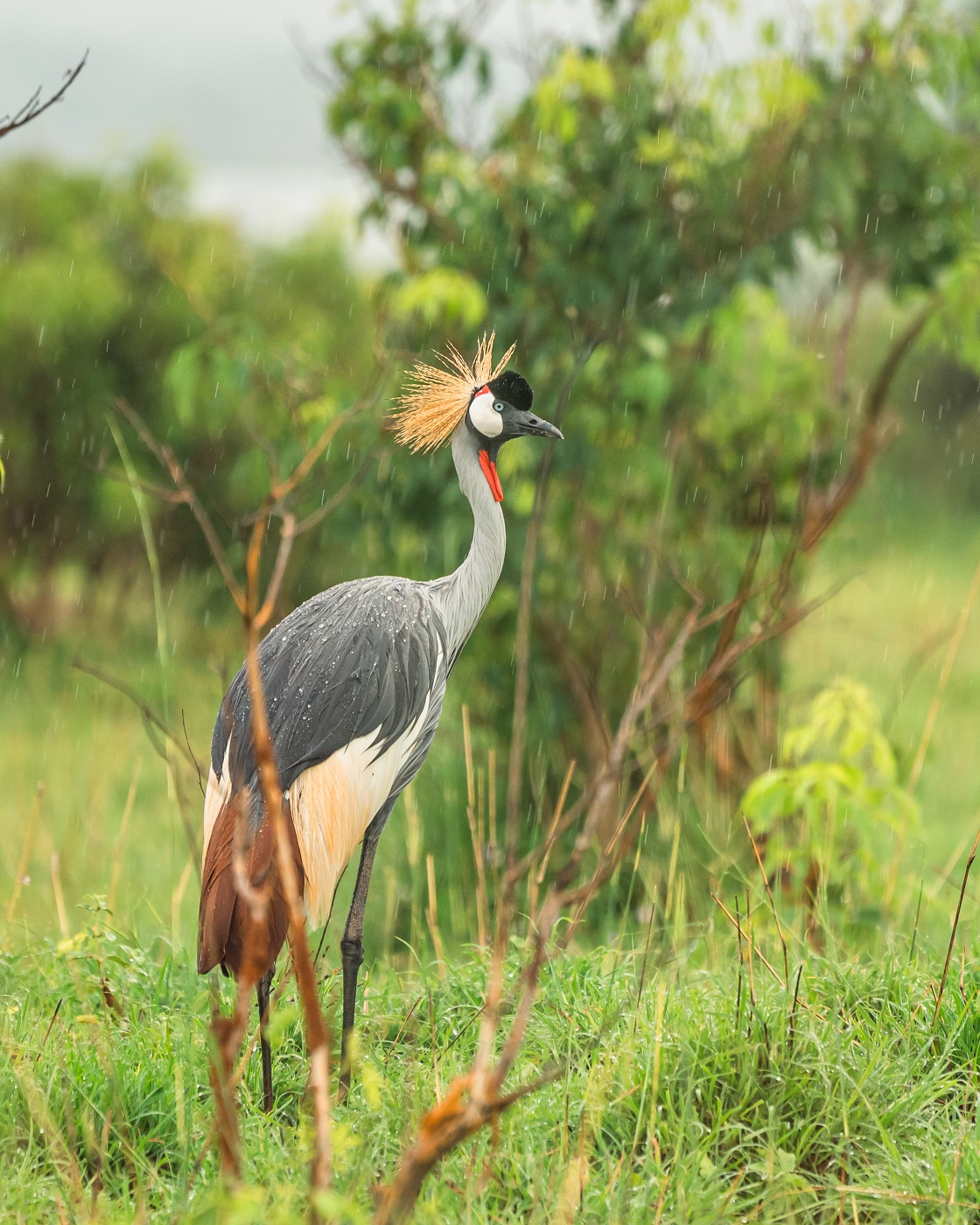
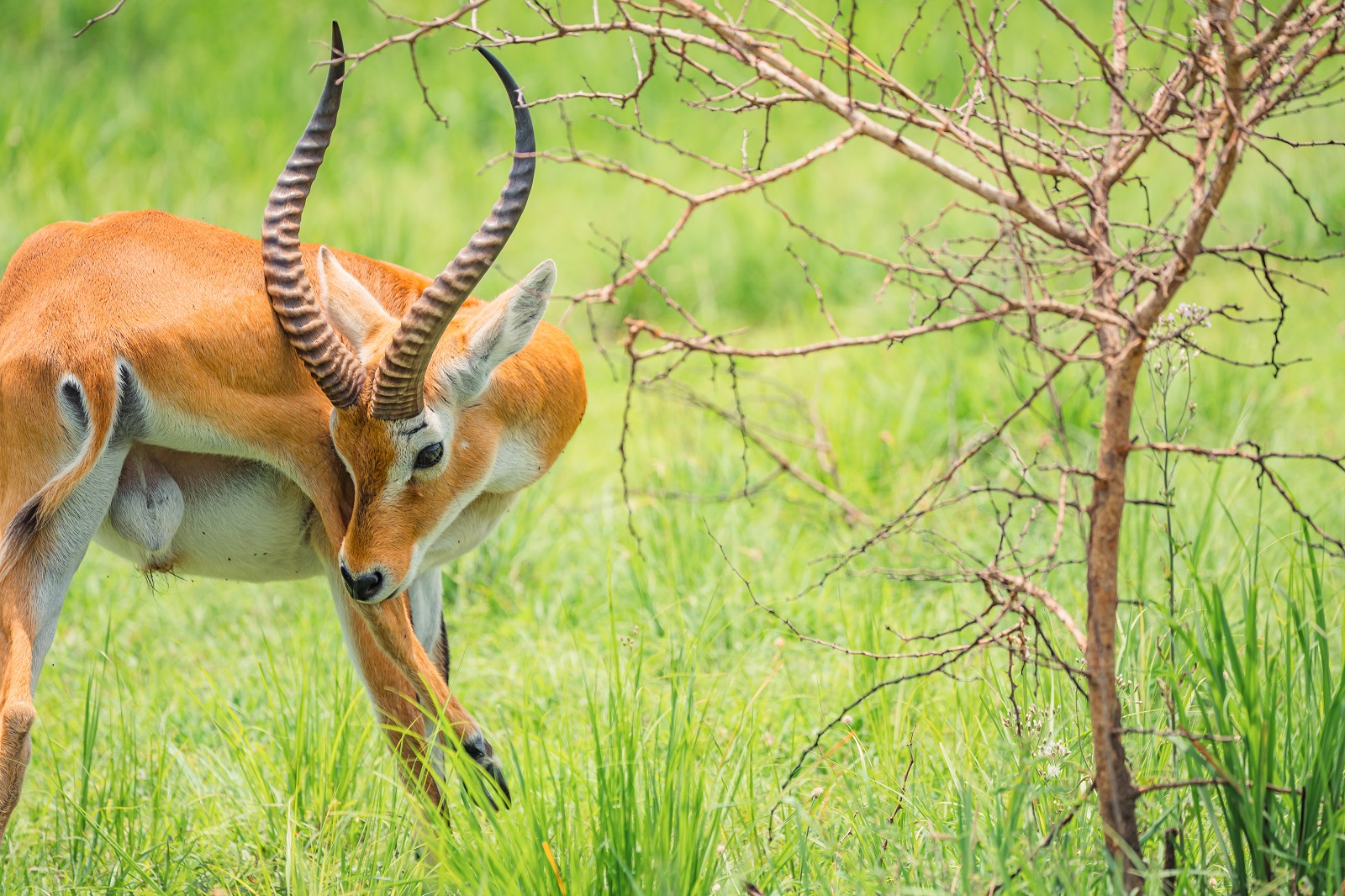
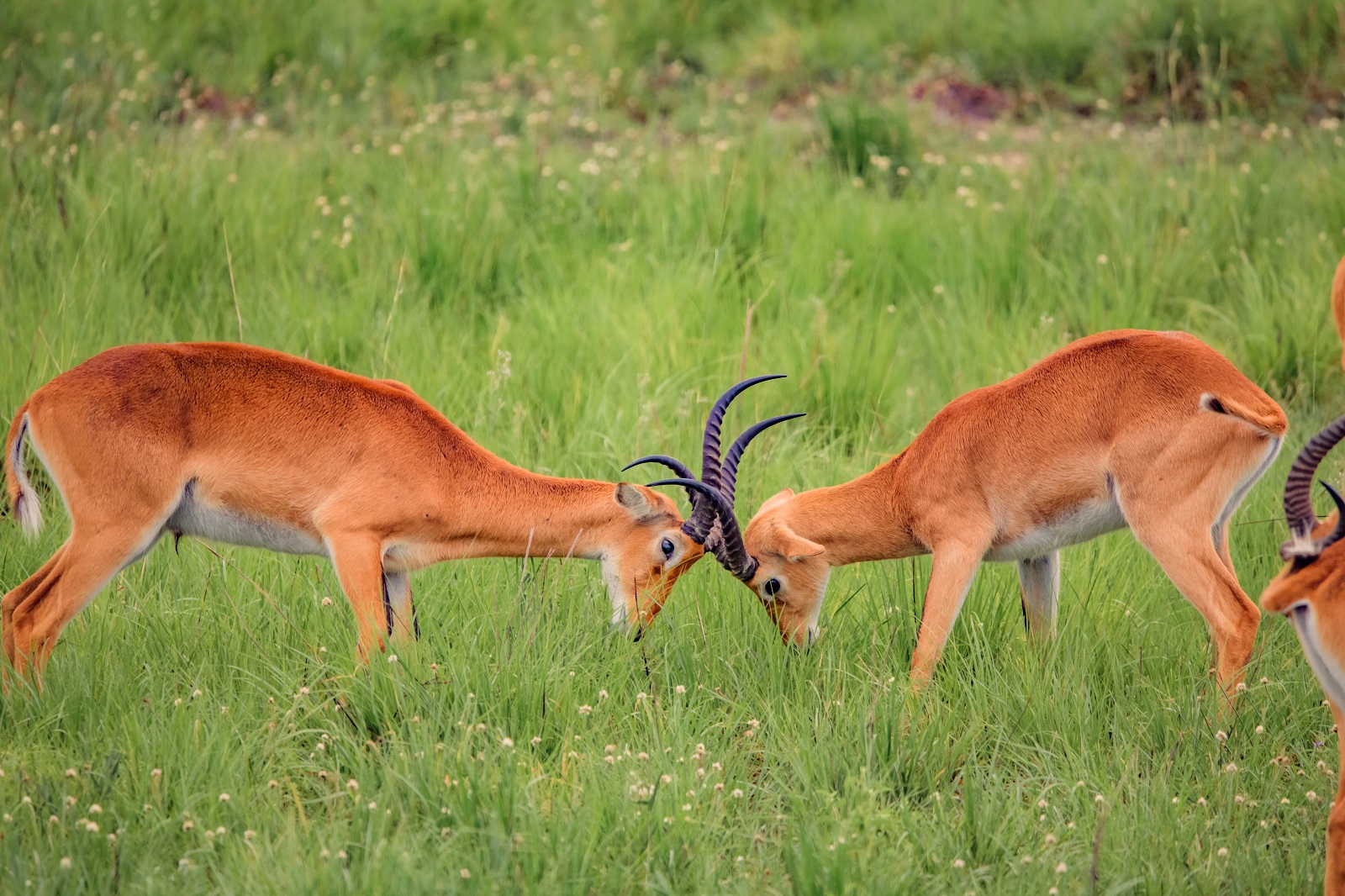
Wildlife photography looks deceptively easy. You see a beautiful lion resting in the grass, a crowned crane standing against a green backdrop or a kob feeding in the savannah, and it is tempting to think the photographer simply happened to be in the right place at the right time.
There is, of course, a lot more to it.
At Mara Mambo Media, some of our work has taken us into Murchison Falls National Park, where we have had the opportunity to document Uganda’s wildlife and the landscapes they call home. It has given us a deeper appreciation for what goes into wildlife documentary photography and, just as importantly, why good documentation matters to conservation.
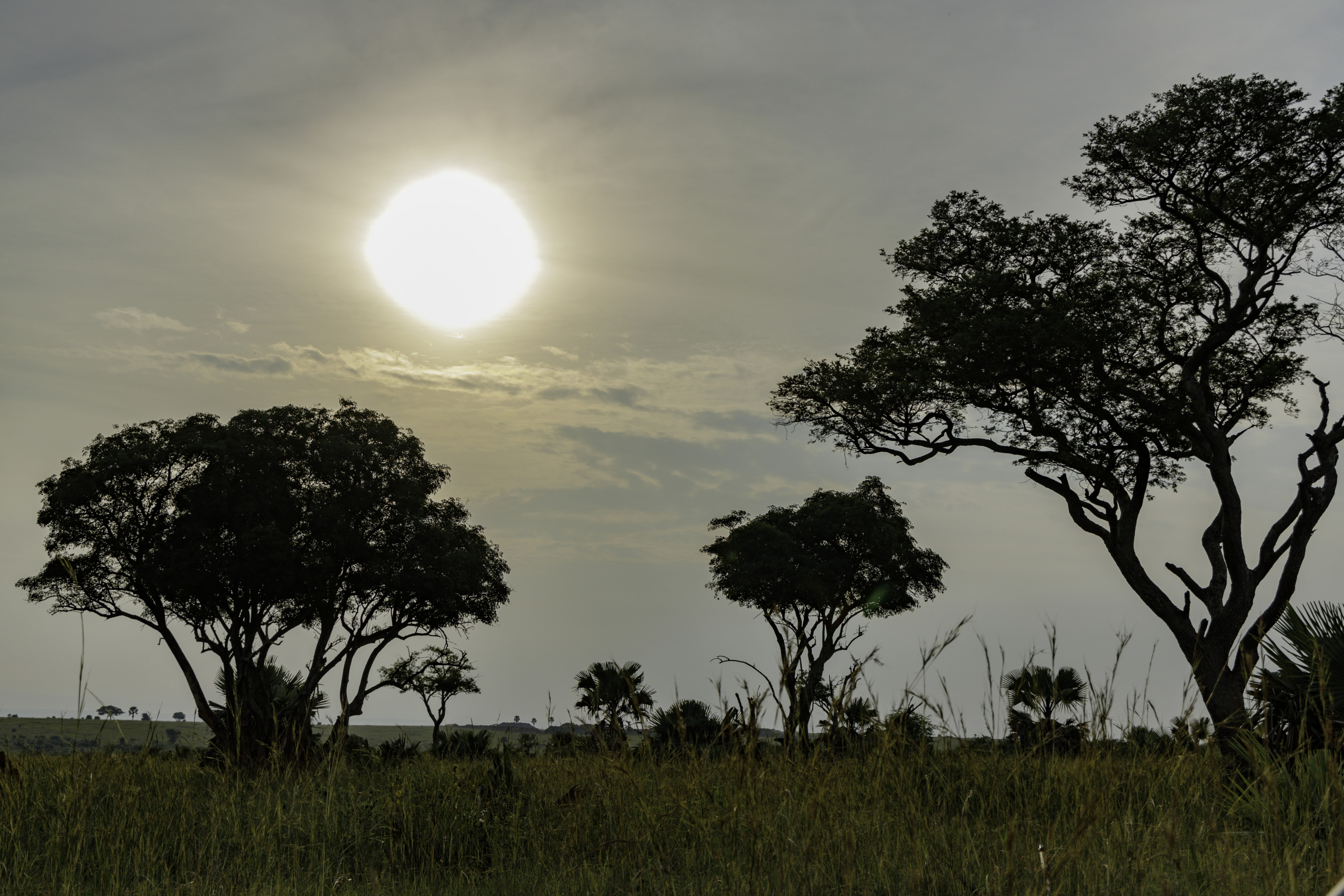
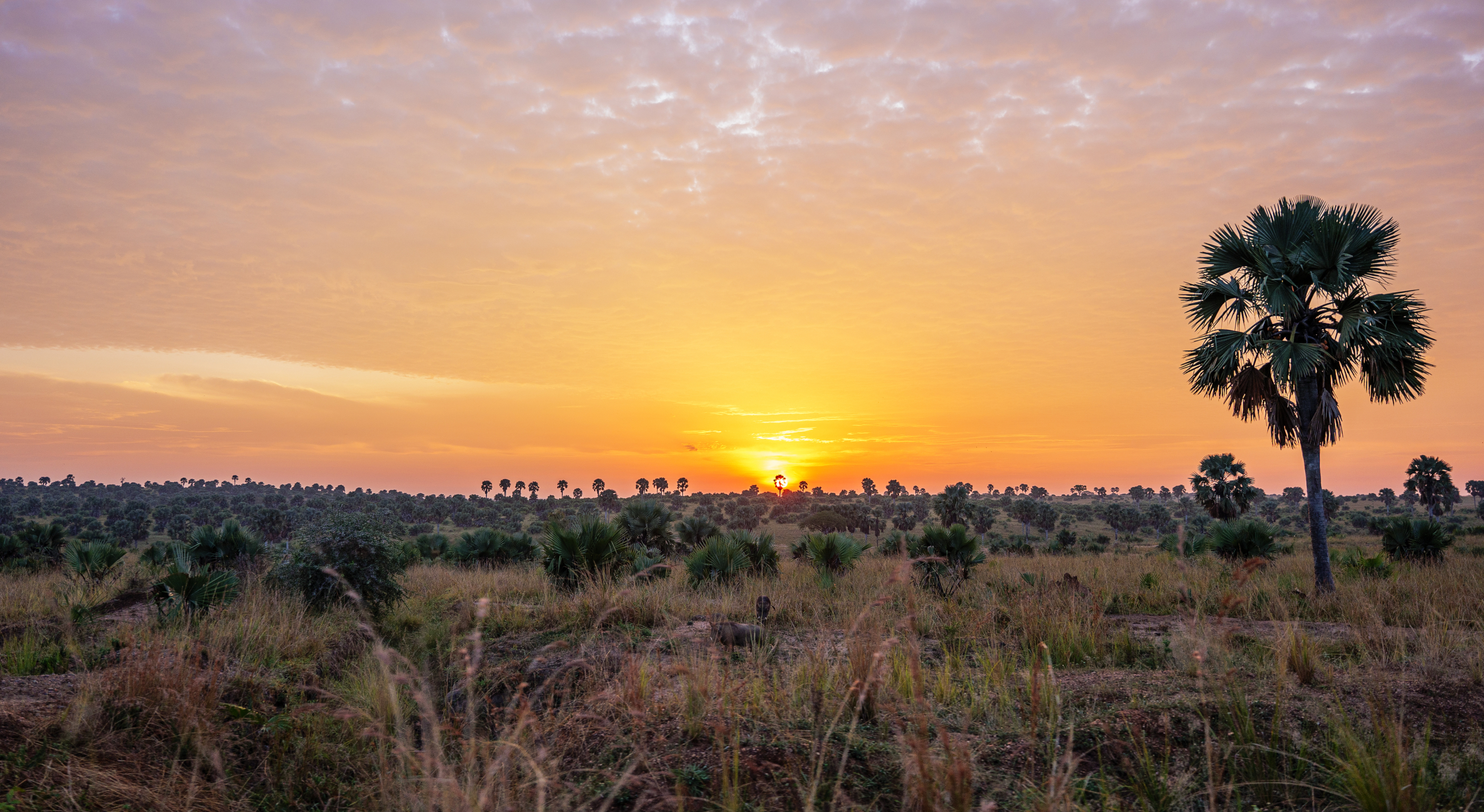
Murchison Falls National Park is Uganda’s largest national park and forms part of the wider Murchison Falls Conservation Area. The park is named after the dramatic Murchison Falls, where the River Nile squeezes through a narrow gorge before continuing towards Lake Albert.
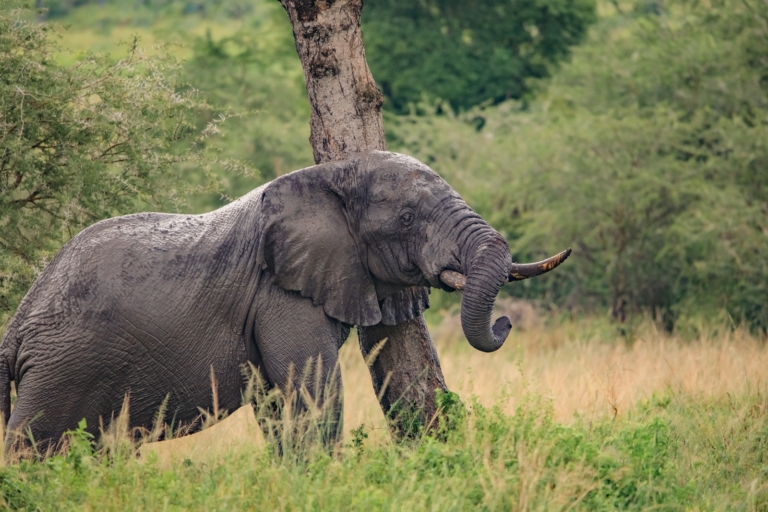
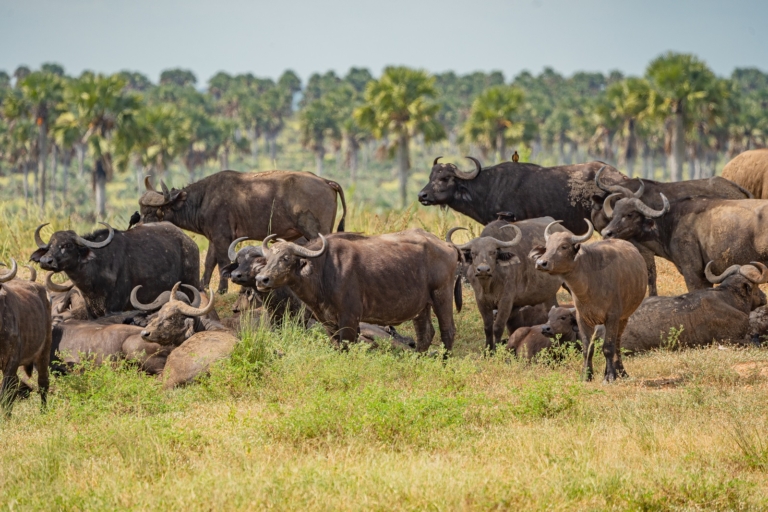
The landscape changes as you move through it, from open savannah and woodland to wetlands and riverine habitats. That variety supports an impressive range of wildlife. The park is home to species including lions, elephants, buffalo, giraffes, Uganda kob, hartebeest, hippos and crocodiles, alongside hundreds of bird species.
For anyone carrying a camera, that biodiversity presents endless possibilities. But it also presents a challenge: you never really know what the day will bring.
And that is part of the fun.
One of the biggest lessons wildlife photography teaches you is patience.
Animals do not pose because you have found the perfect composition. They do not wait for the light to improve, and they certainly do not understand that you have been sitting in the same spot for the last 45 minutes.
A good wildlife photographer has to pay attention to behaviour. Is the animal about to move? Is it alert? Is it feeding? Is there something happening just outside the frame?
Sometimes you get the photograph you came for. Sometimes you get something completely different.
The lioness might sit up just as you are about to pack away the camera. A bird might suddenly take flight. A job might turn its head at exactly the right moment.
Wildlife documentation can easily become a showcase of the “Big Five,” but spending time in a place like Murchison Falls quickly reminds you that there is much more to see. All in all, good wildlife photography should never come at the expense of the animal or its habitat. Keeping a respectful distance, avoiding unnecessary disturbance and allowing animals to behave naturally are all part of doing the work properly.