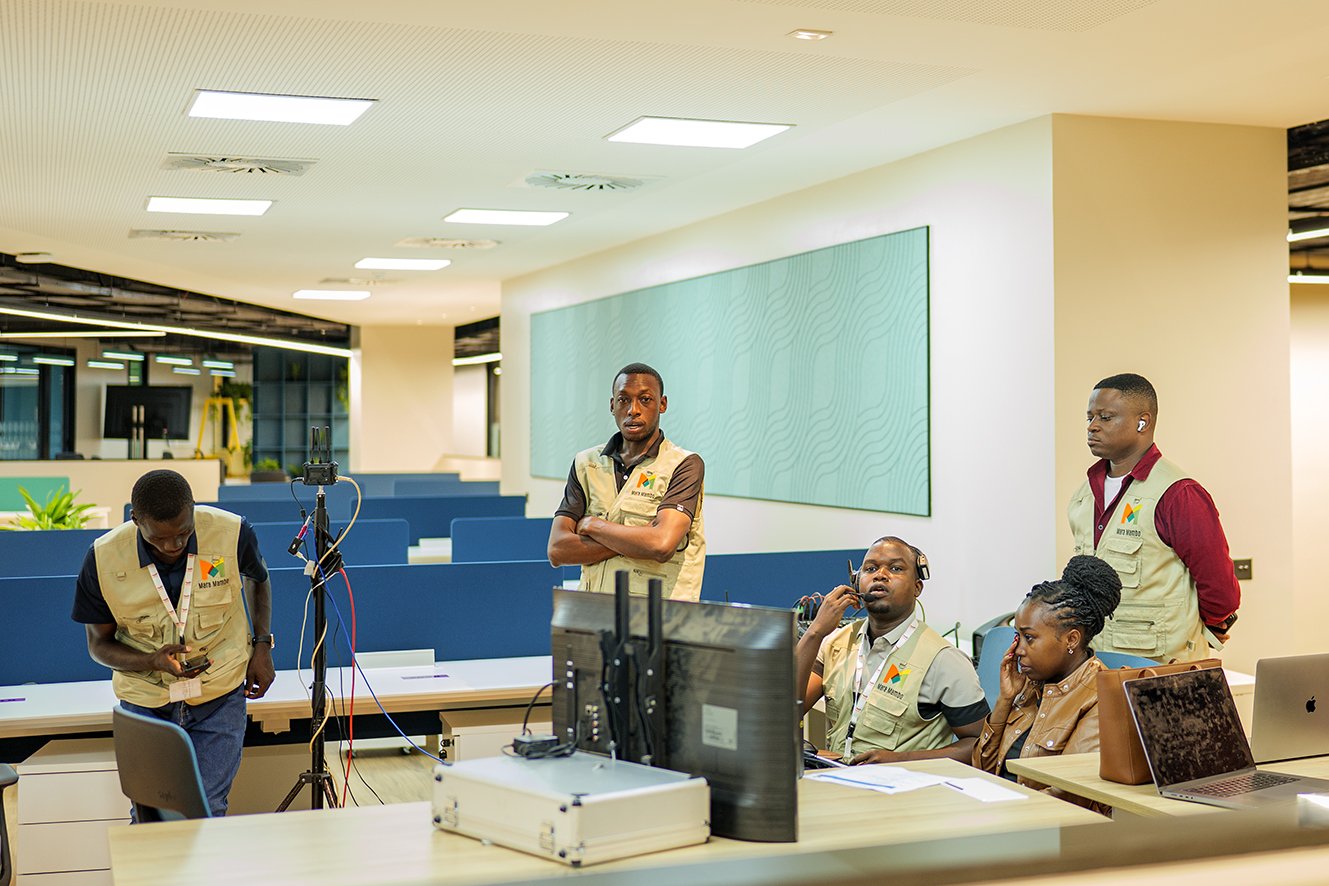
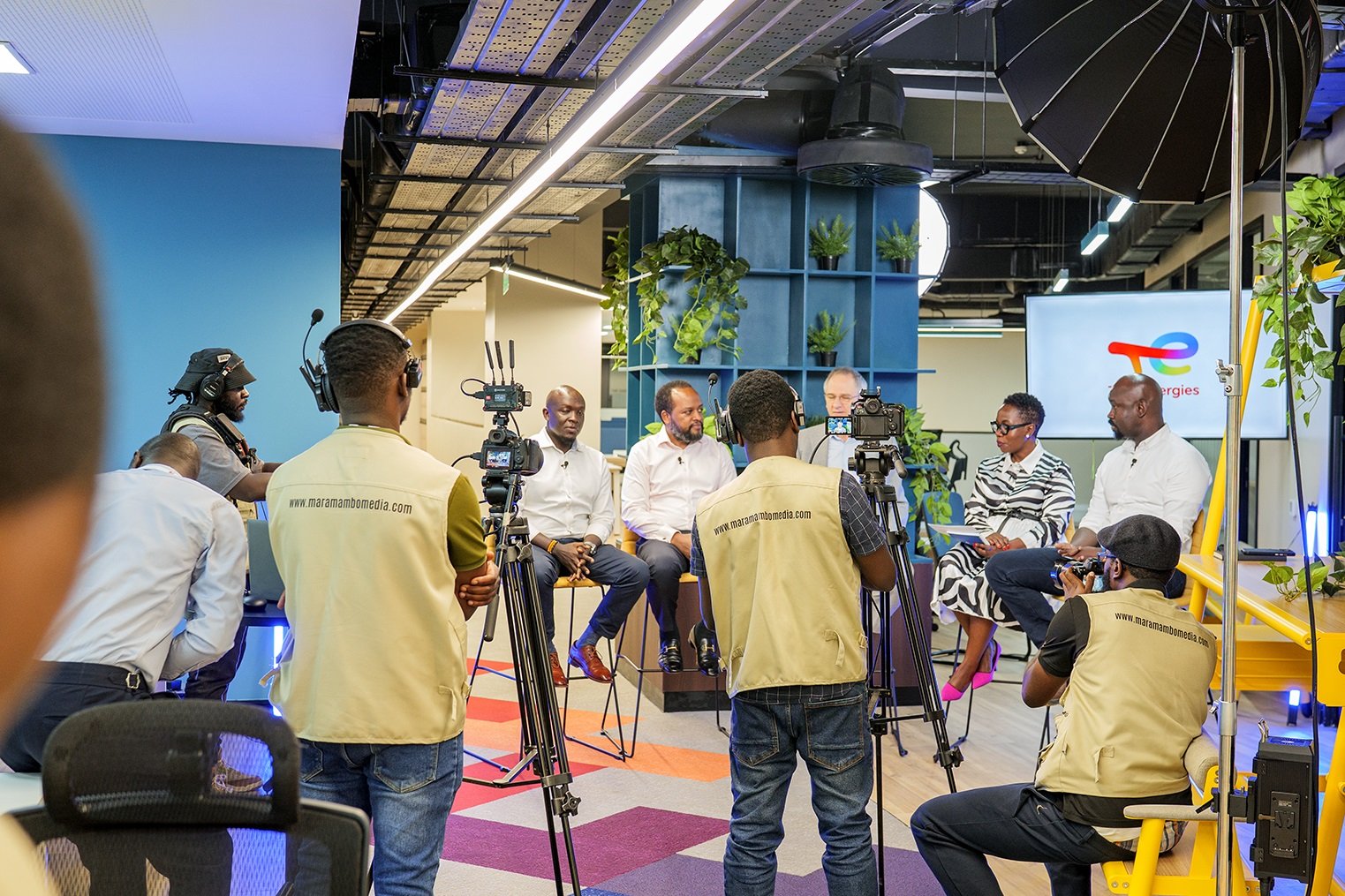
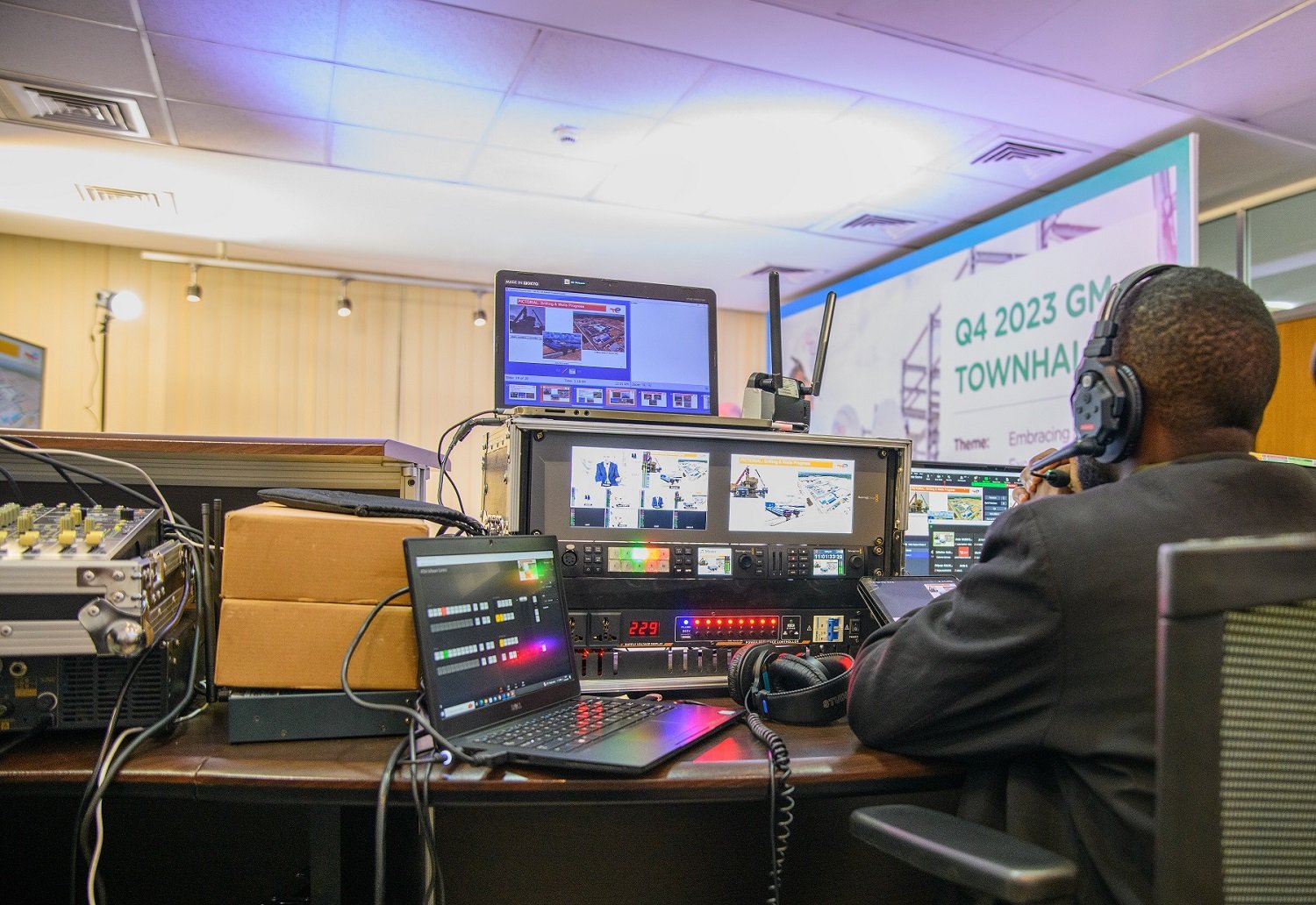
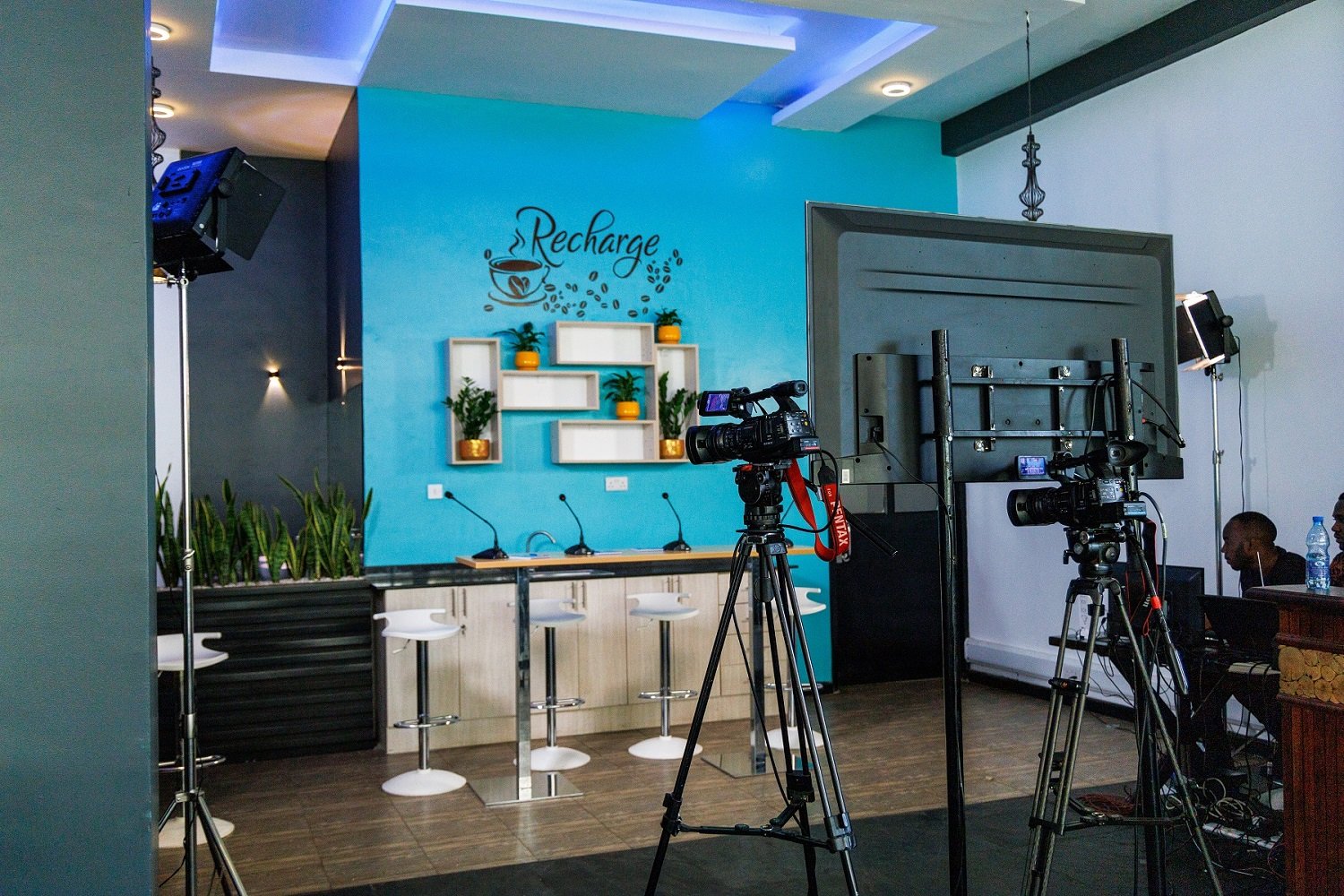
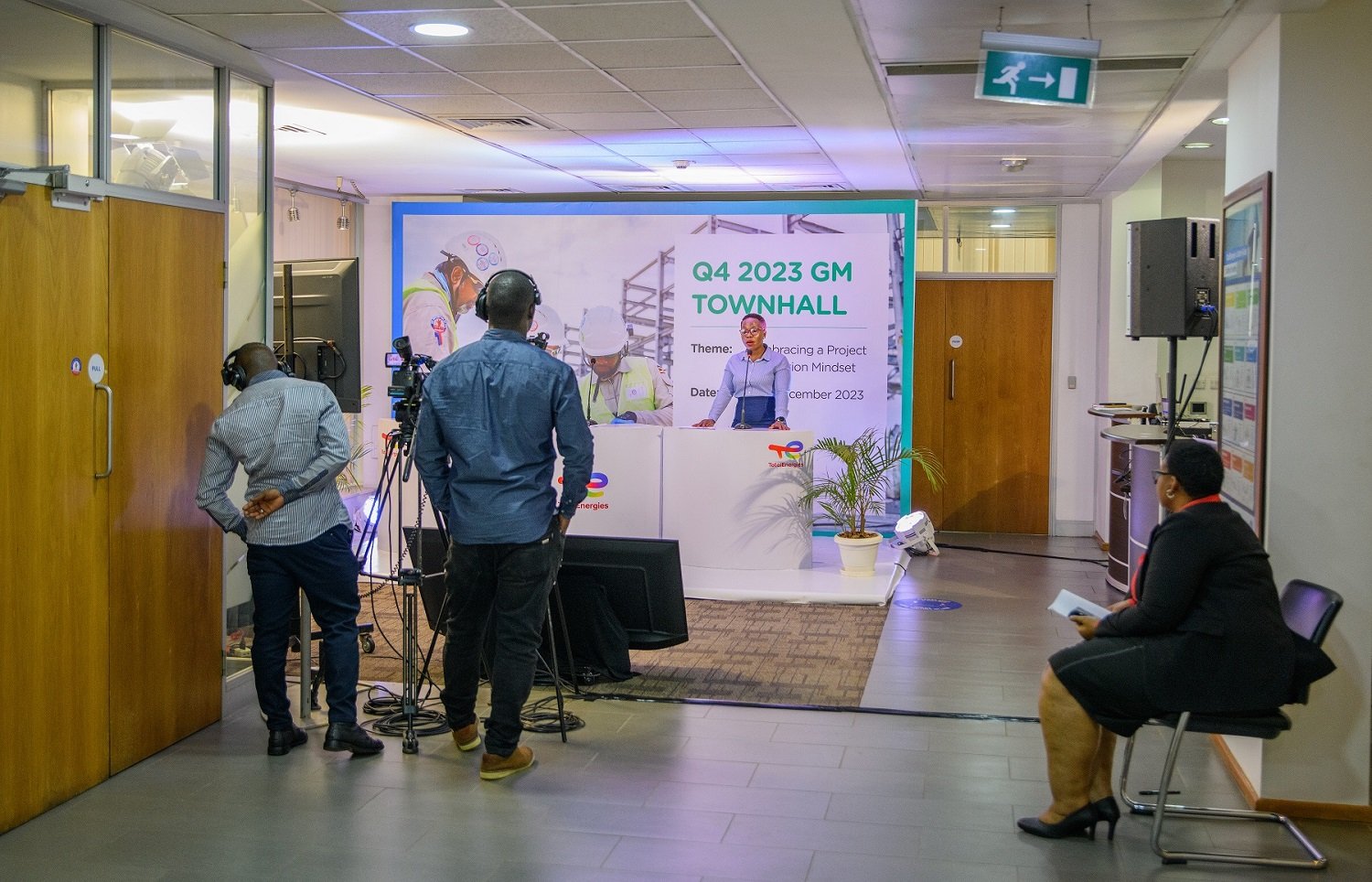
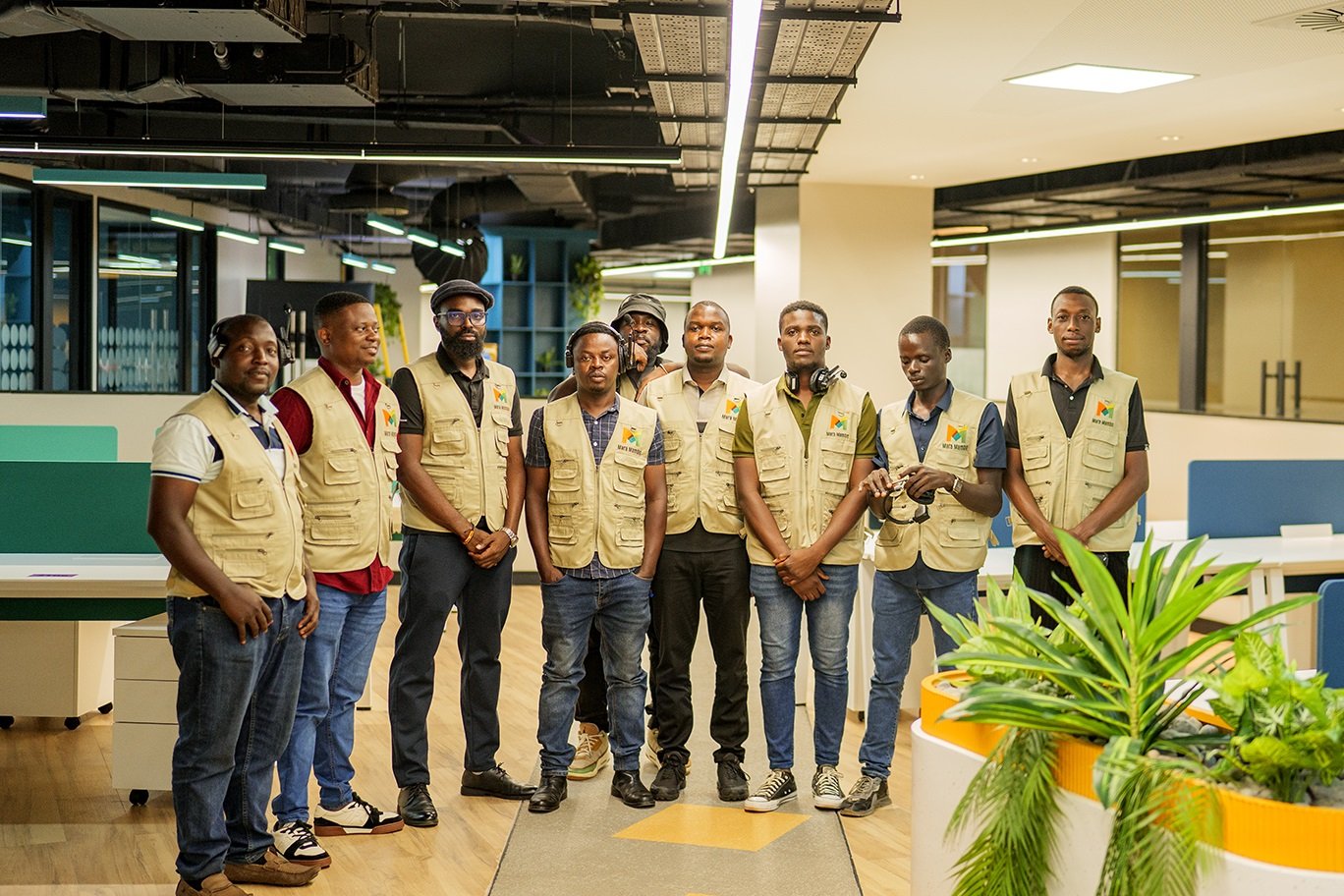
Today’s article is one we’ve wanted to put out for a while now. Your team will either make or break the project. So, it is imperative that you are all in harmony.
Let’s get started.
A successful video production doesn’t begin when the cameras start rolling, nope. Nada.
A successful video production begins days, sometimes weeks, before anyone steps onto the set or location.
Whether you’re producing a corporate documentary, a promotional video, a donor impact story, or a company profile, preparation is what separates a smooth production from one filled with delays, unplanned expenses, missed opportunities, and unnecessary stress.
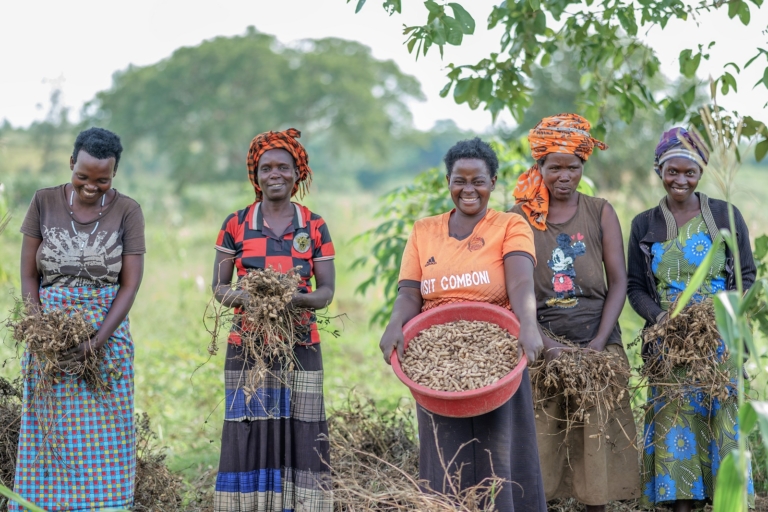
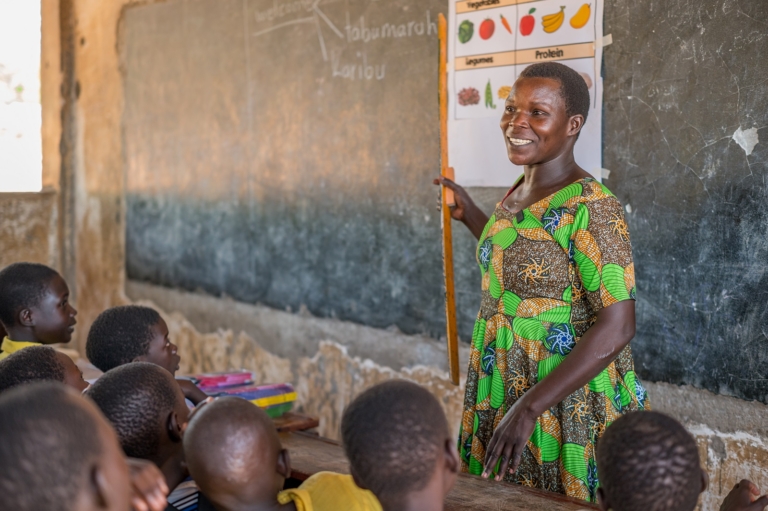
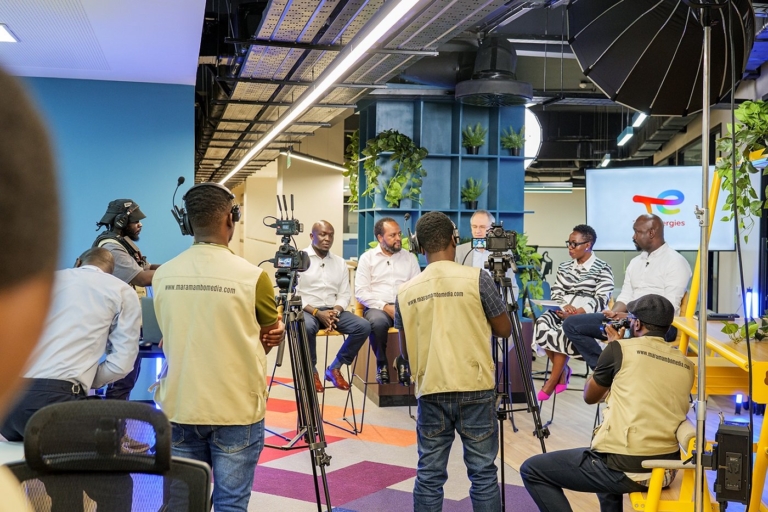
At Mara Mambo Media, we’ve worked on numerous productions in corporate offices, manufacturing plants, schools, hospitals, construction sites, conservation areas, and remote communities across Uganda.
And one lesson remains constant: the better a client’s team is prepared, the better the final story will be.
Here’s how your organization can prepare for a successful video shoot.
Start with a Clear Objective
Before discussing cameras, locations, or interviews, define what you want the video to achieve. A clear objective guides every production decision, from concept, interview questions to the final edit.
Choose the Right People to Feature
Don’t focus only on senior leaders. Include project beneficiaries, field officers, technical experts, community leaders, long-serving employees, customers, past stakeholders, and partners to tell authentic stories.
Thoroughly brief Everyone Before Filming
Ensure participants understand why the video is being produced, who the audience is, what they’ll discuss, and what to expect during filming. Oh, and ensure that every participant signs a release or consent form. This can be on paper, or recorded on video.
Explain that should they need to opt out of the production, they can always revoke their consent. When the participants see, and believe in the bigger picture, they willingly participate.
Avoid Memorized Scripts
Encourage interviewees to speak from experience rather than recite prepared answers. Authenticity creates stronger connections with viewers.
Prepare the Filming Location
Clean and organize spaces, reduce background noise, notify nearby teams, and ensure interview locations are available and ready.
Coordinate Schedules Early
Develop a filming schedule outlining arrival times, interviews, location changes, and breaks to keep production running efficiently.
Dress for the Camera
Wear professional, comfortable clothing with solid colours, avoiding distracting patterns, reflective jewellery, or unnecessary logos. You can also politely ask a participant to remove their glasses if it doesn’t bother them at all, and if it is affecting the output. If they decline, make it work.
Gather Supporting Materials
Prepare historical photos, reports, maps, awards, product samples, and other assets that can enrich the story during editing.
Prepare for Real-Life Conditions
Allow flexibility for weather, travel, operational activities, or unexpected delays, especially when filming on location.
Trust the Production Team
Professional crews capture planned interviews and meaningful unscripted moments that often become the heart of the story.
Communication Is Key
Discuss key messages, brand guidelines, permissions, sensitive topics, and expectations before filming begins.
After the Cameras Stop Rolling
Plan for reviewing edits, consolidating feedback, approving graphics and captions, and distributing the finished video strategically.
Great videos are the result of planning, collaboration, and clear communication. At Mara Mambo Media, we believe preparation creates the conditions for authentic stories that inspire, inform, and build trust.