When you watch a finished documentary, you usually see beautiful drone shots, heartfelt interviews and breathtaking landscapes.
What you don’t normally see is everything that happens before the camera starts rolling.
If you have read our blogs, by now you know that behind every documentary is a team solving problems, adapting to changing conditions and chasing moments that can’t be recreated. Huh!
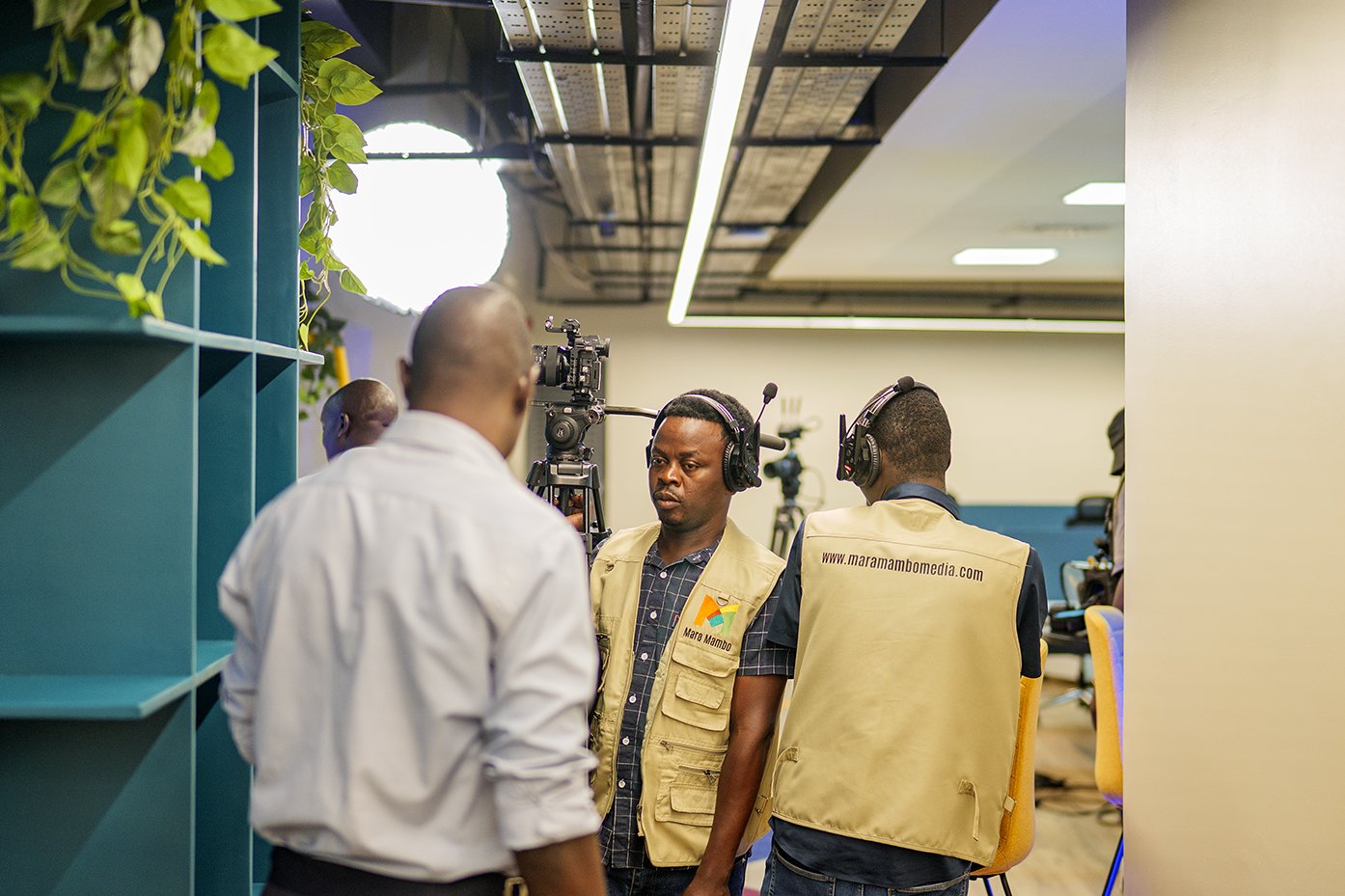
At Mara Mambo Media, no two filming days are ever the same, even though they all begin with one thing: preparation.
Let’s break it down.
5:30 AM – Before Sunrise
Documentary crews love early mornings.
That soft golden light creates stunning visuals, wildlife is often more active, and communities begin their day before the heat sets in.
While many people are still asleep, our crew is already loading cameras, charged batteries, and their chargers, drones, microphones, tripods and backup equipment into the vehicle.
A forgotten or faulty memory card can easily cost an entire day’s production. Unless of course, you have back up resources and will be working in an area where you can easily grab another.
So, preparation is everything.
7:30 AM – Arriving on Location
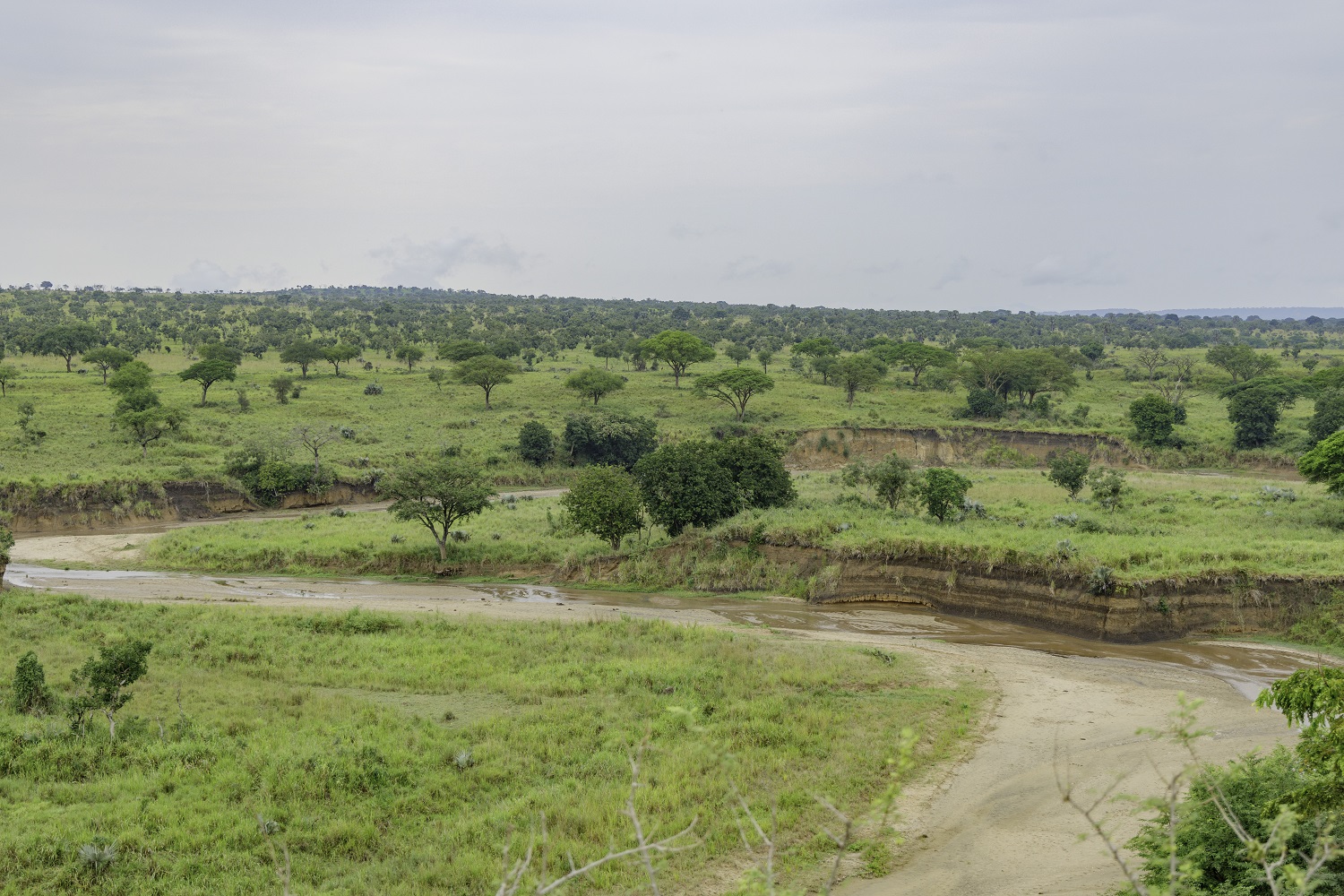
Uganda offers some of the most diverse filming locations in Africa. Go on, and add it to your bucket list of destinations to visit.
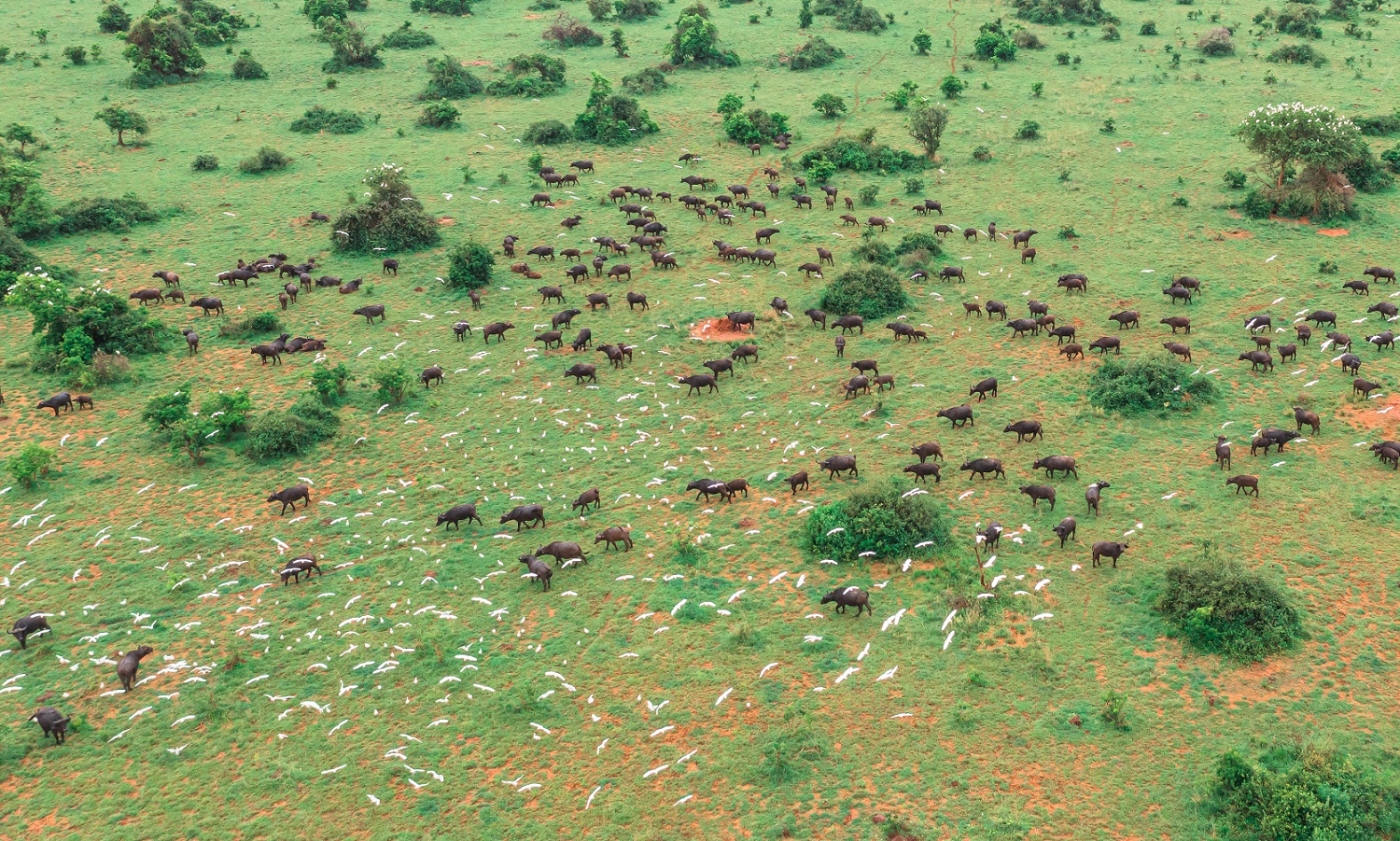
One week we’re documenting conservation work inside a national park.
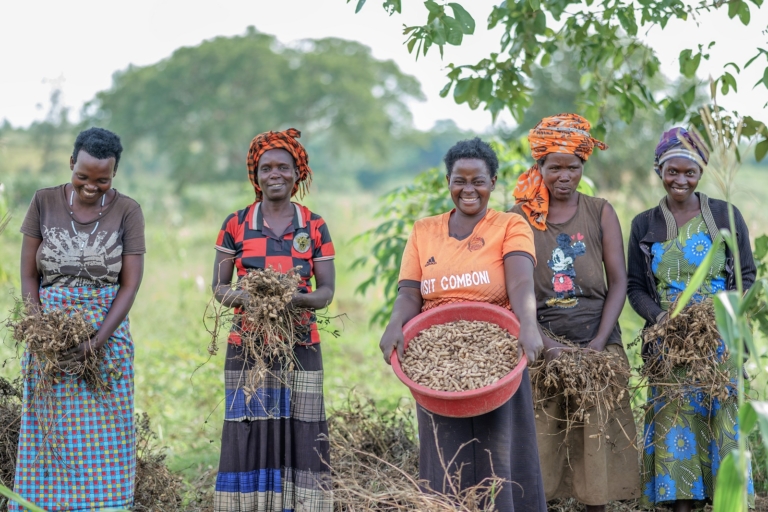
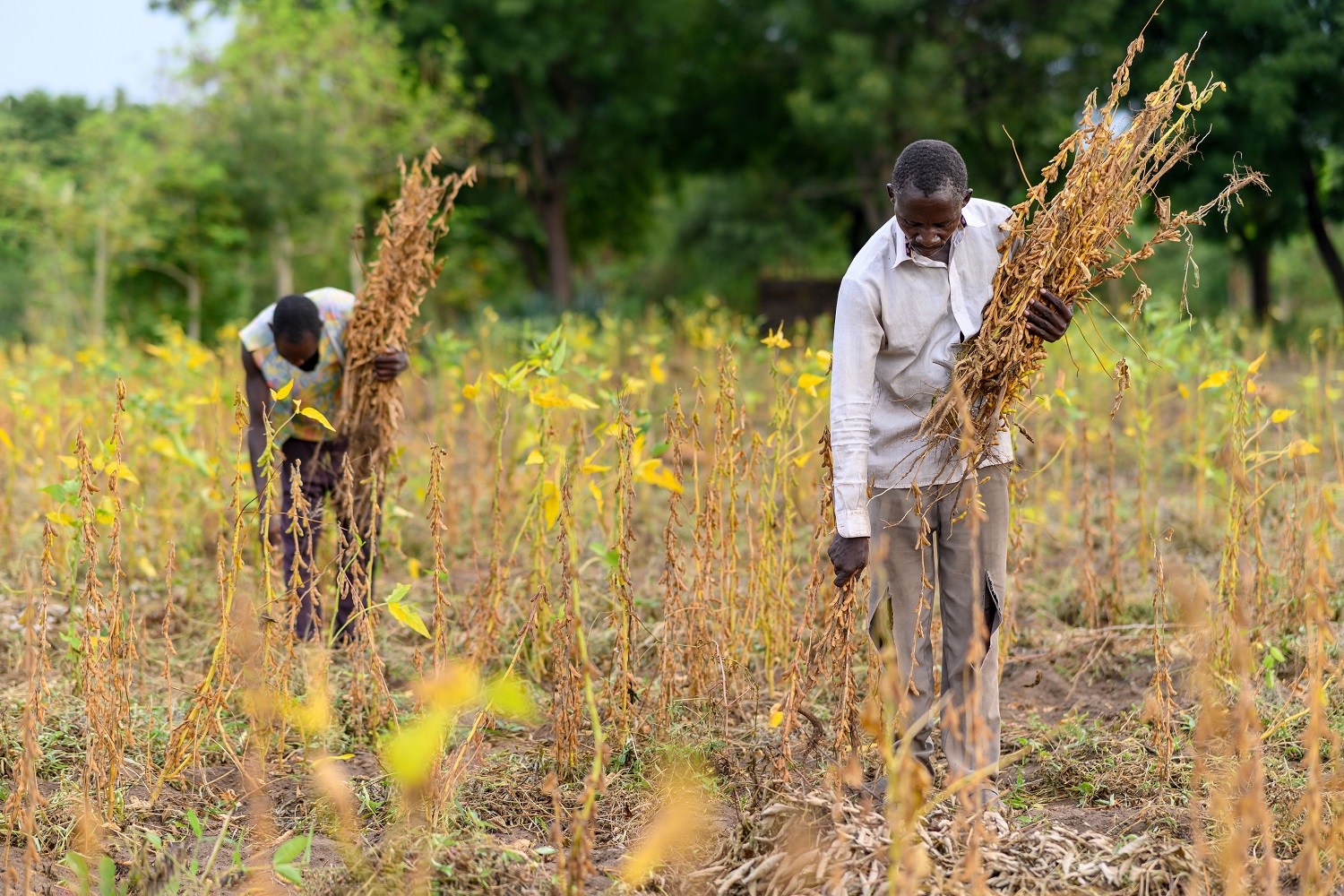
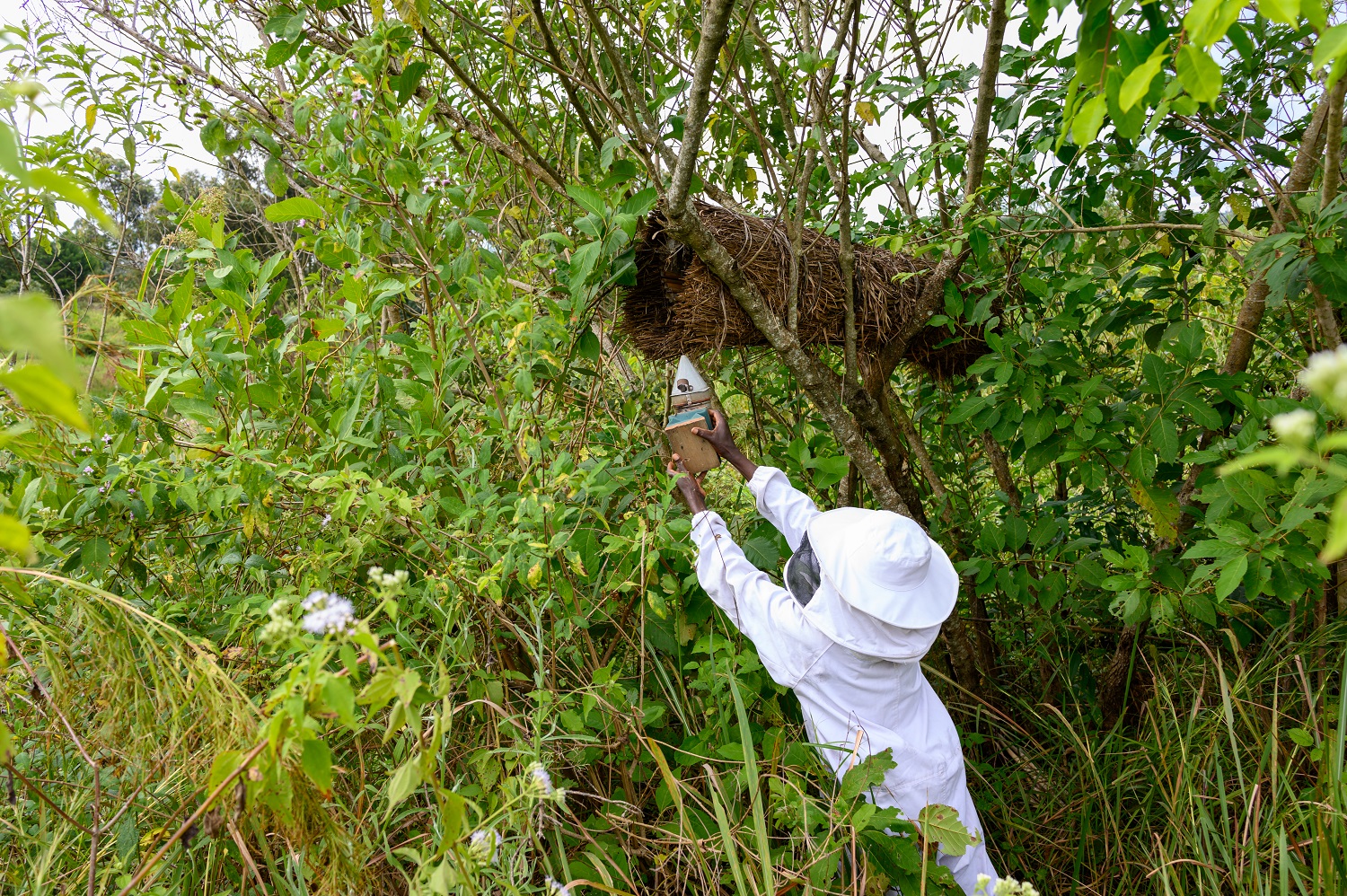
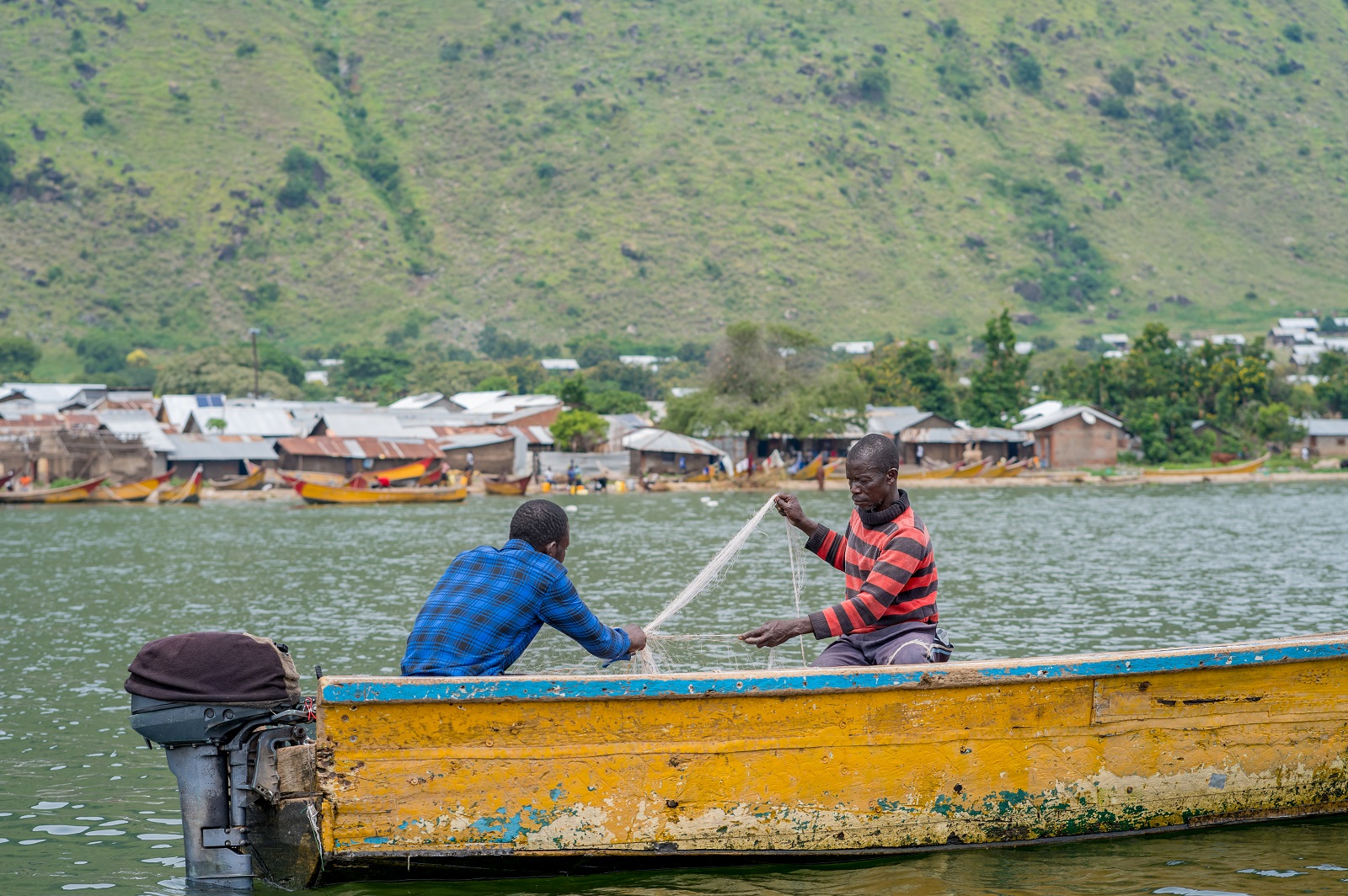
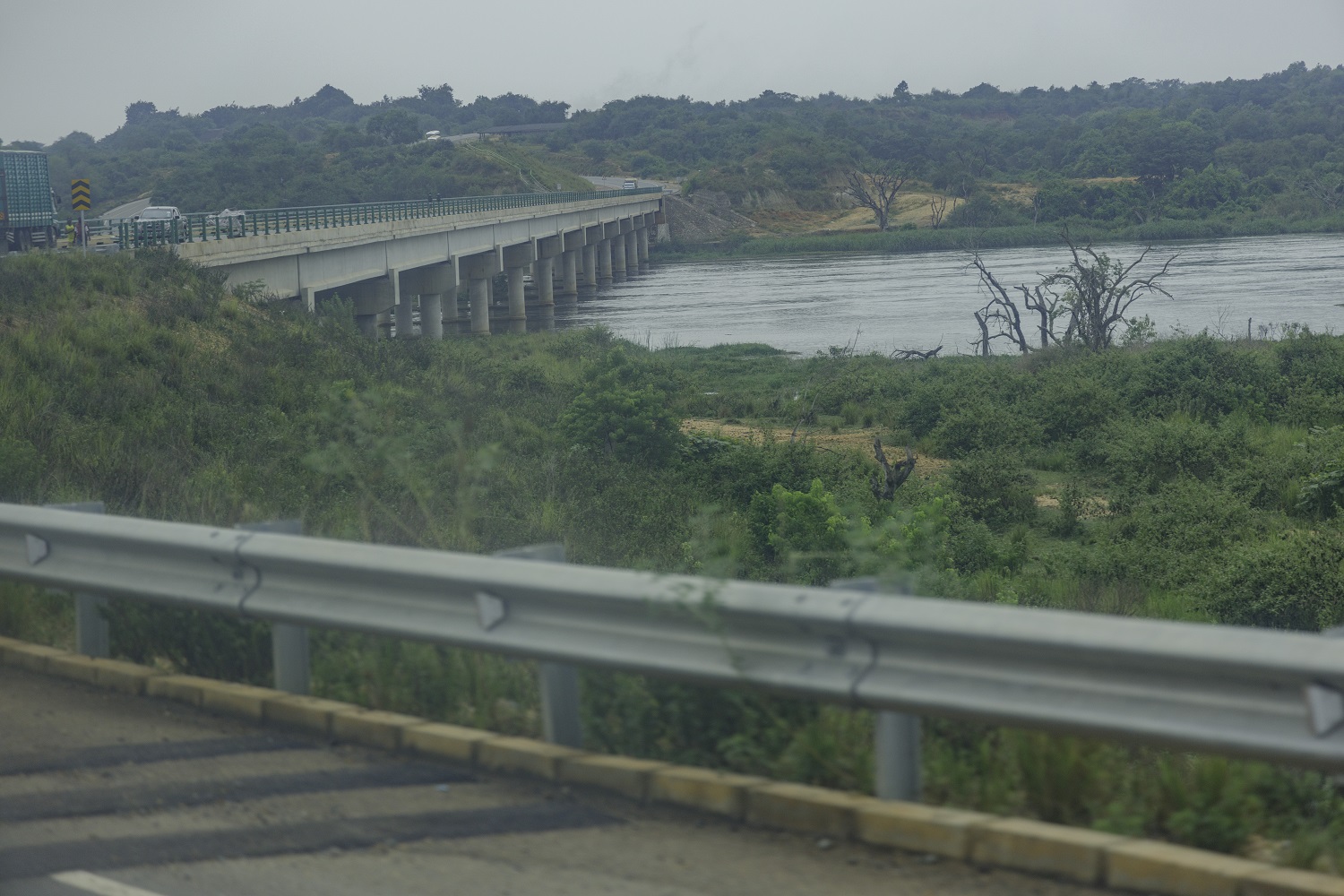
The next we’re filming farmers in rural villages, entrepreneurs in Kampala or engineers working on major infrastructure projects.
Every location presents new opportunities, and new challenges.
Road conditions change.
One moment, you are driving swiftly on the best tarmac road in northern Uganda, and the very next, onto a murram and broken road. You wonder if you are still within the same area. In fact, you constantly ask your field coordinator if you are still on track.
Weather changes, schedules change, people change their availability, and the list goes on.
So, flexibility becomes one of a documentary crew’s greatest strengths.
9:00 AM – Building Relationships Before Rolling
The camera isn’t always the first thing we unpack.
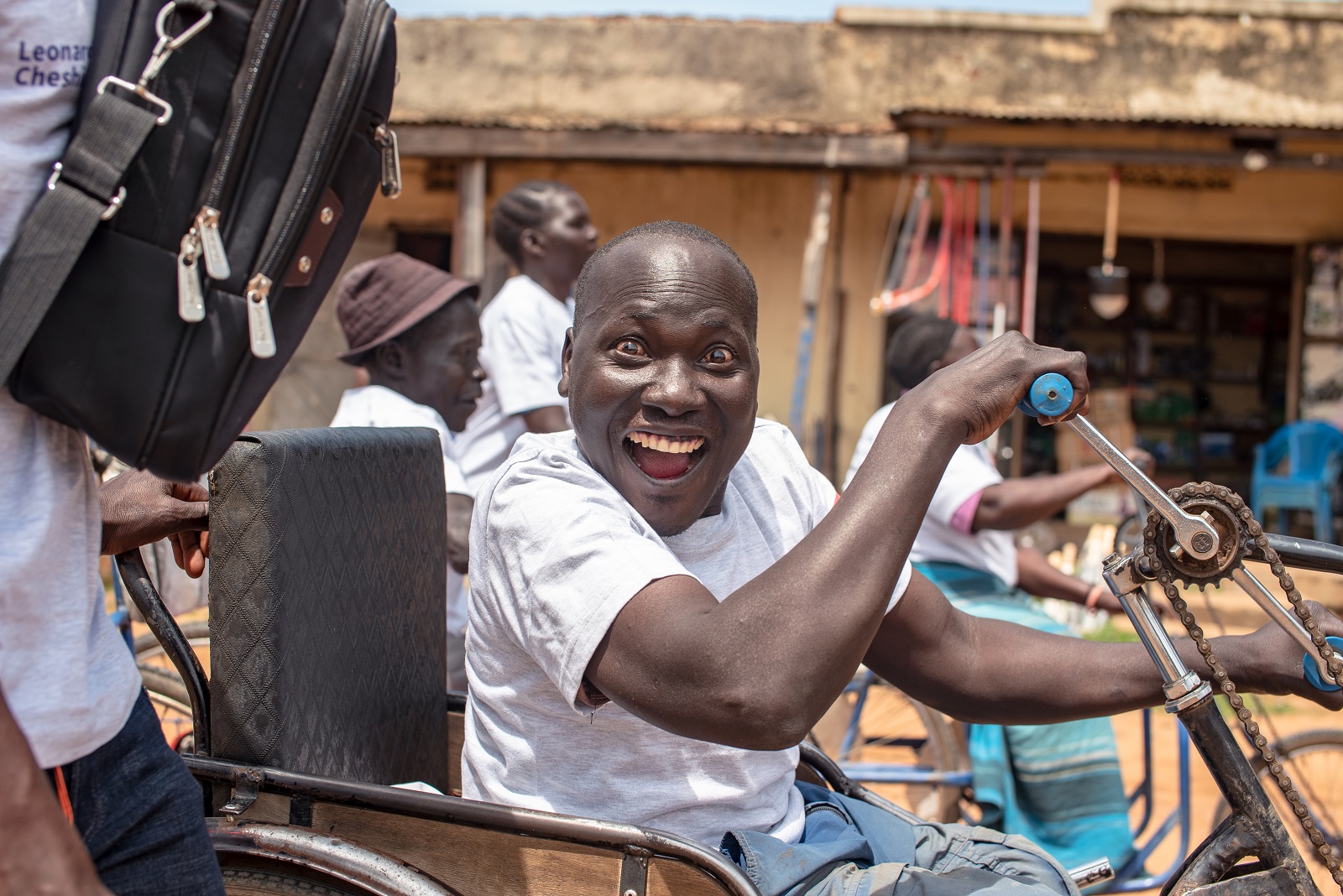
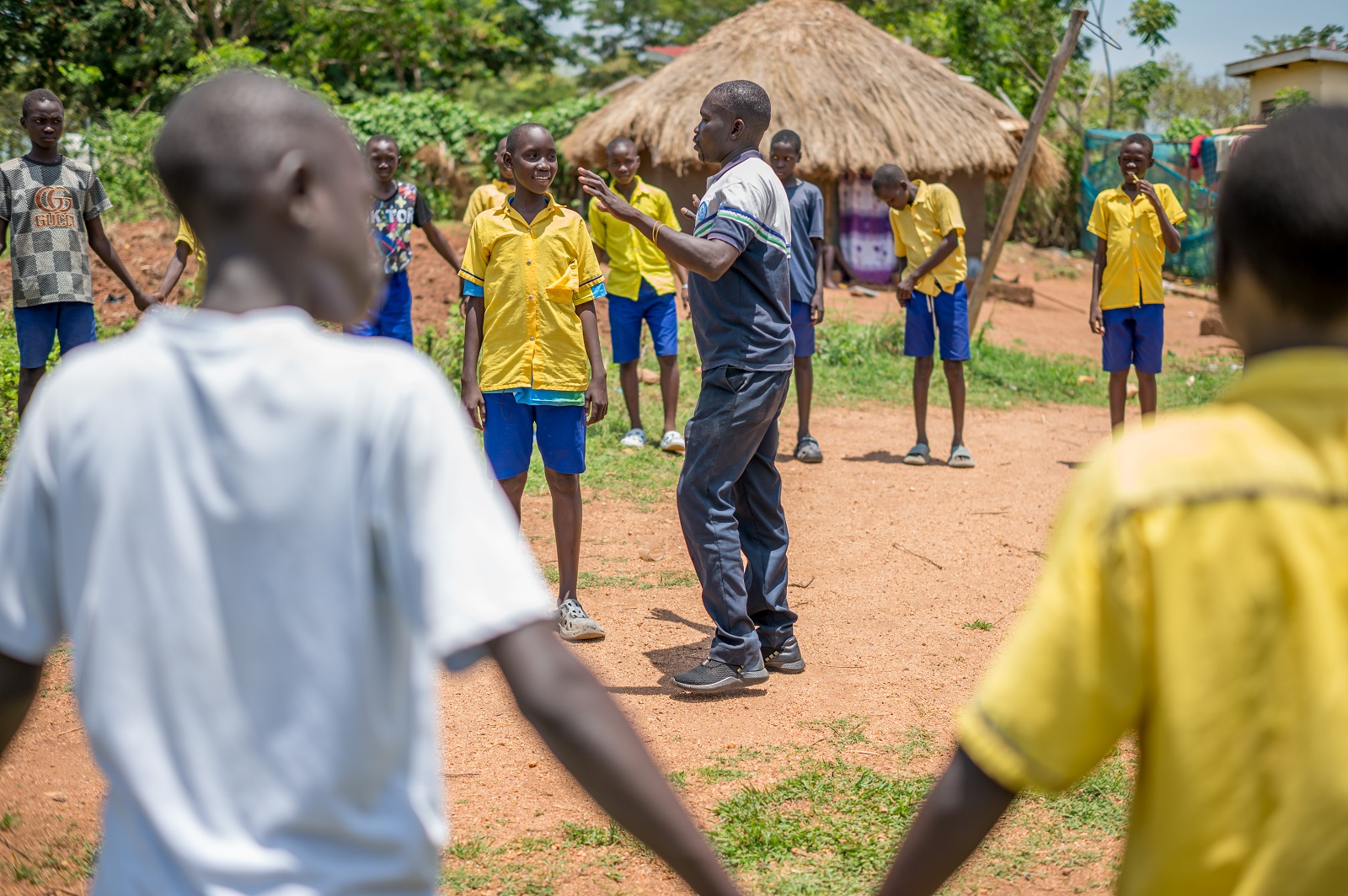
We spend time talking, briefing, meeting community leaders, greeting families, explaining the purpose of filming, sharing a laugh, or a cup of black tea and mandazi.
We spend time building trust.
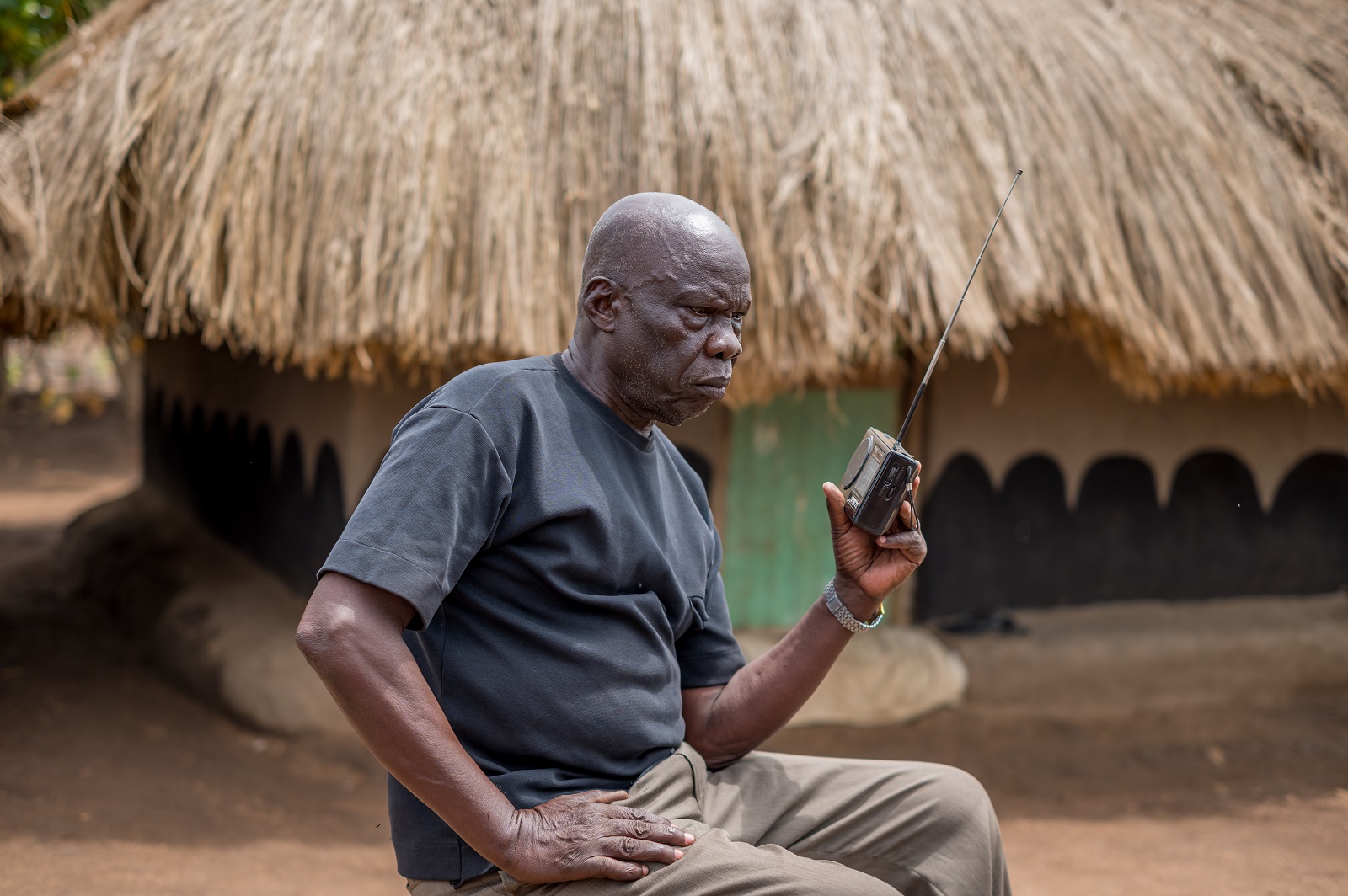
People tell better stories when they feel comfortable, not when a camera suddenly appears in front of them.
10:00 AM – Capturing the Story Beyond the Interview
An interview is only one part of the documentary.
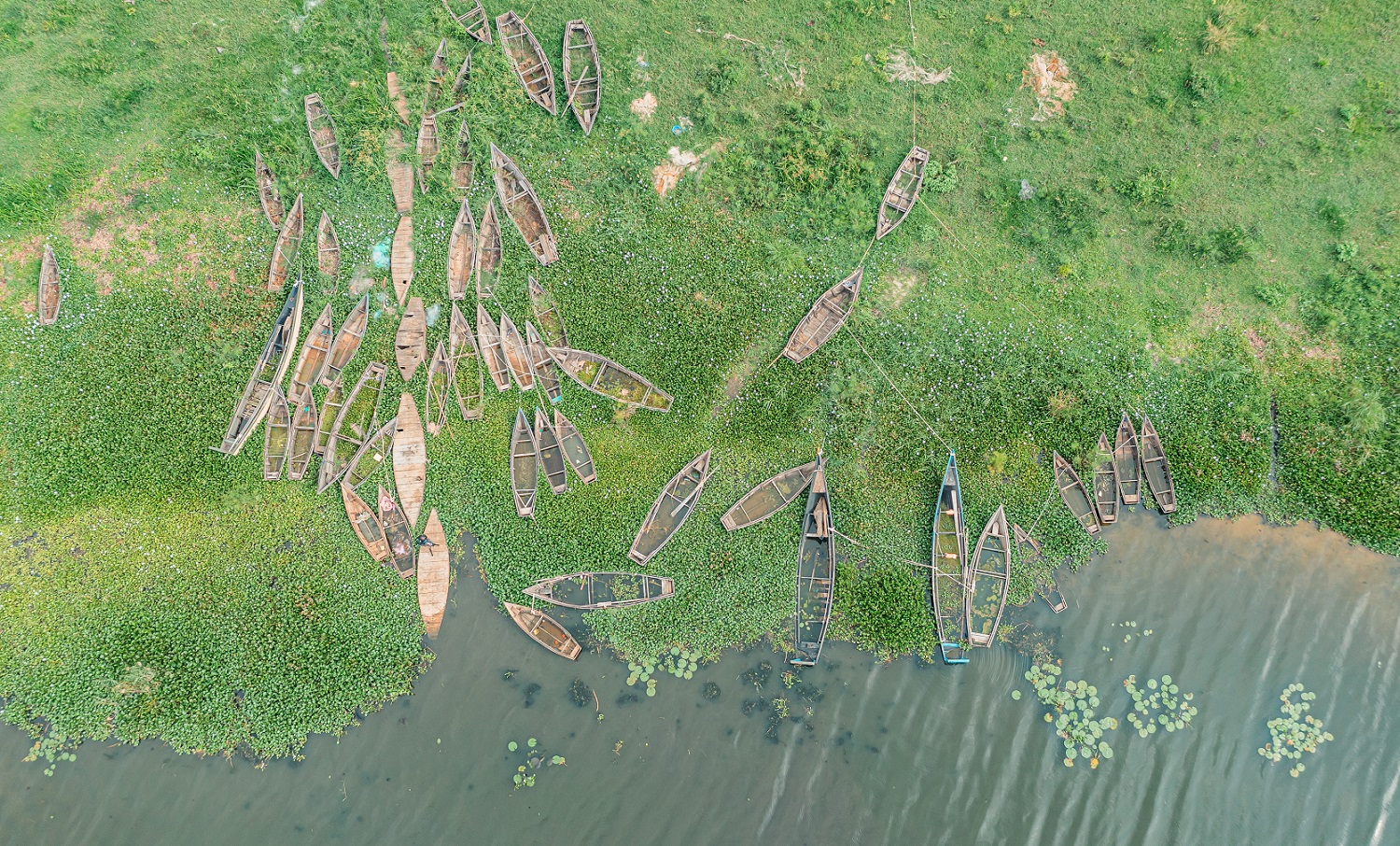
The real magic often happens between interviews, for example children walking to school, hands harvesting crops, workers collaborating or birds taking flight.
Sometimes it looks like traffic flowing through Kampala, with the cacophony of boda bodas, or the beautiful easy sunlight filtering through trees.
These seemingly ordinary moments become the visual language that brings the story to life.
Our crew is always watching for authentic moments that audiences will feel, not just see.
1:00 PM – Lunch… Maybe. A huge maybe.
While we are working, lunch is absolutely flexible. Sometimes it’s a quick rolex or fresh fruit shared by a welcoming community.
Sometimes it’s delayed because an unexpected opportunity appears, and our documentary crew knows that great moments don’t wait.
Afternoon – Interviews, B-Roll and Drone Flights
This is often the busiest part of the day, and therefore quite hectic.
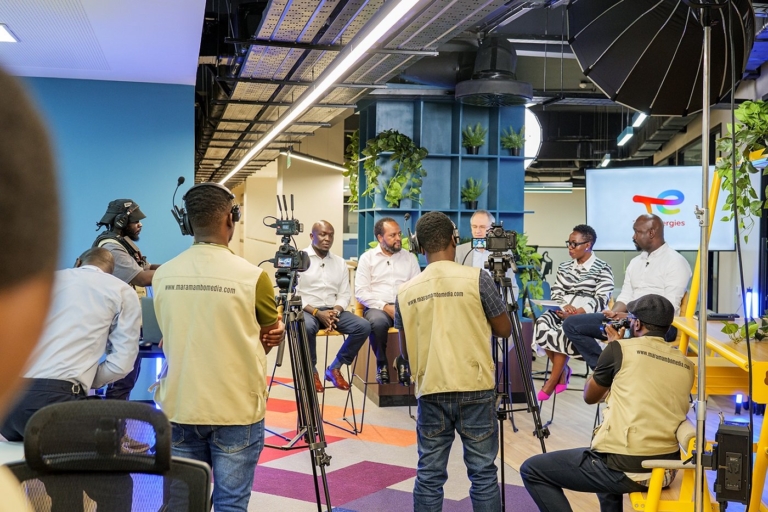
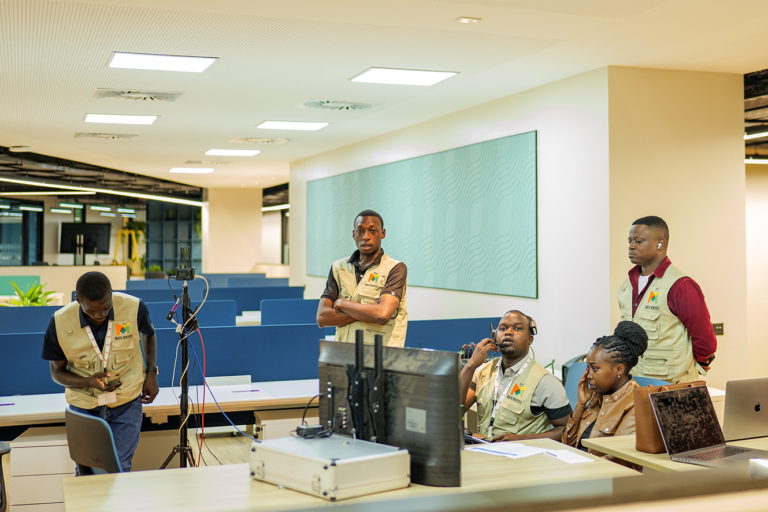
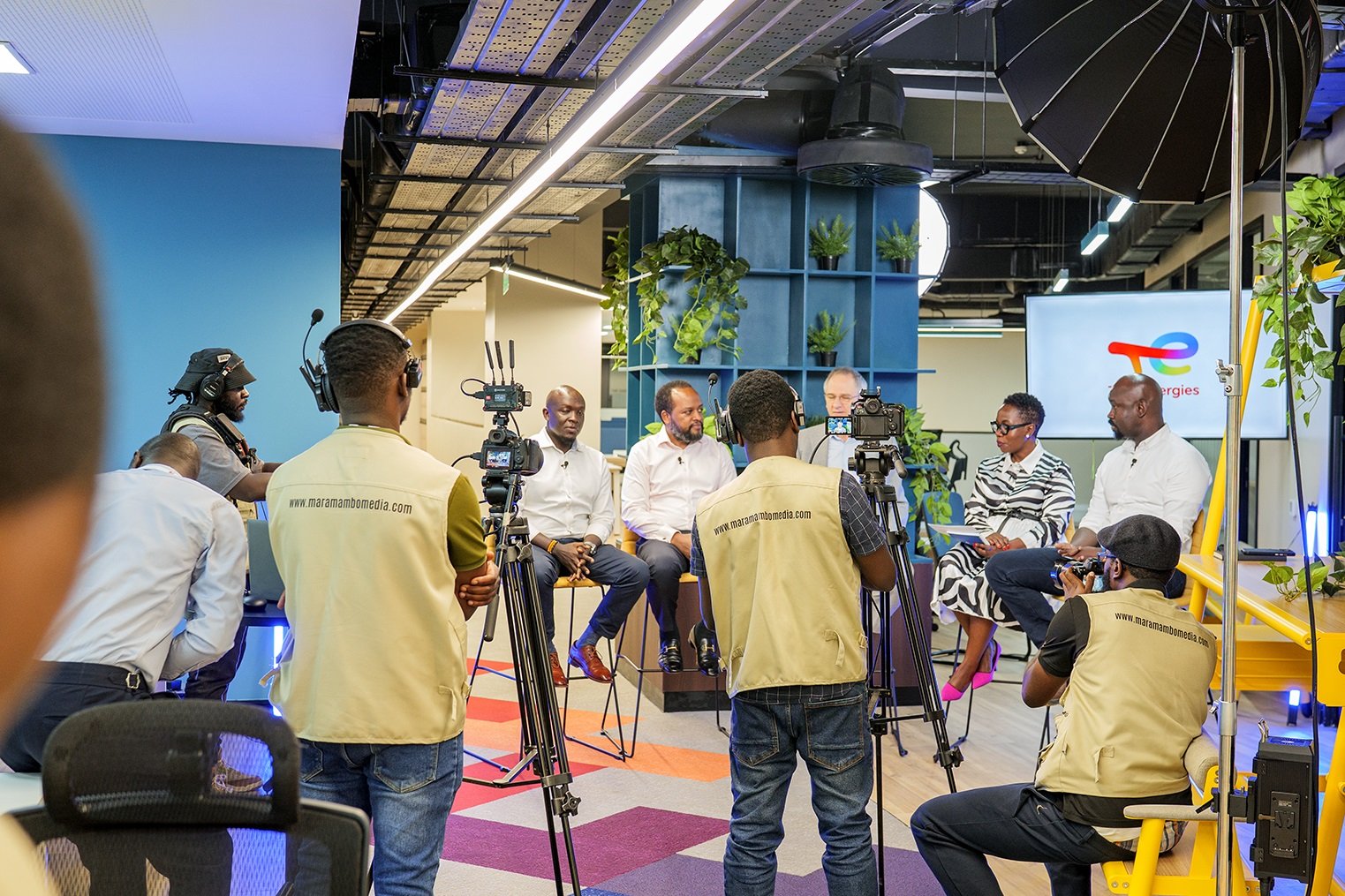
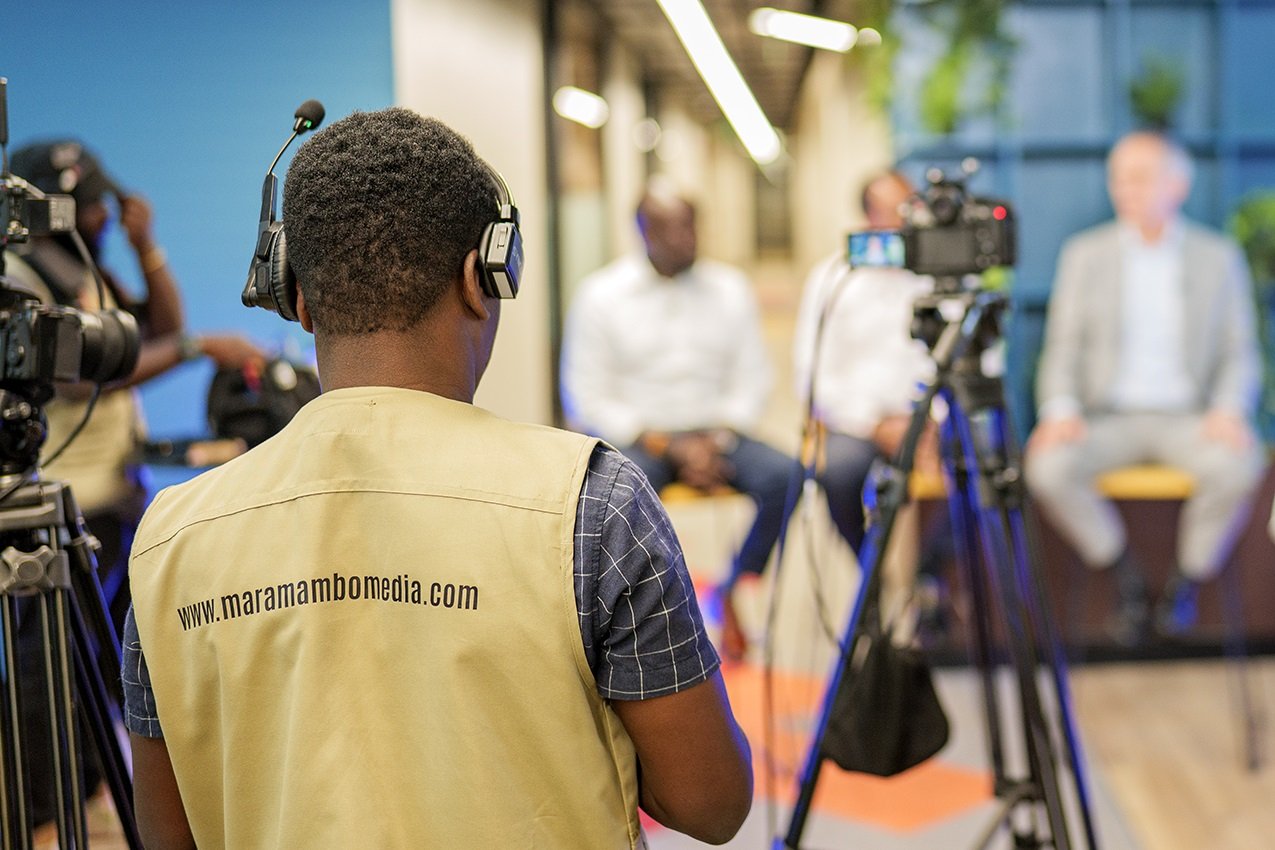
While one team member conducts interviews, another capture supporting visuals.
The drone operator watches weather conditions and aviation regulations before launching.
The sound recordist monitors every word for clarity.
The producer keeps the schedule moving, checking the shot list, while adapting to unexpected changes.
Every role matters.
The Unexpected Is Part of the Job
Rain arrives without warning. Just out of nowhere, the skies are complaining.
Power disappears. And suddenly the room is dark, and you have to rely on lights, other than natural light.
Roads become impassable- and sometimes there is nothing you can do about it but wait. Or get out of the vehicle, roll your sleeves and hems and push that car.
Equipment develops faults.
Interviewees become nervous, and on goes the list of the unexpected.
Yet these challenges are also what make documentaries unique.
Sunset – The Final Shots
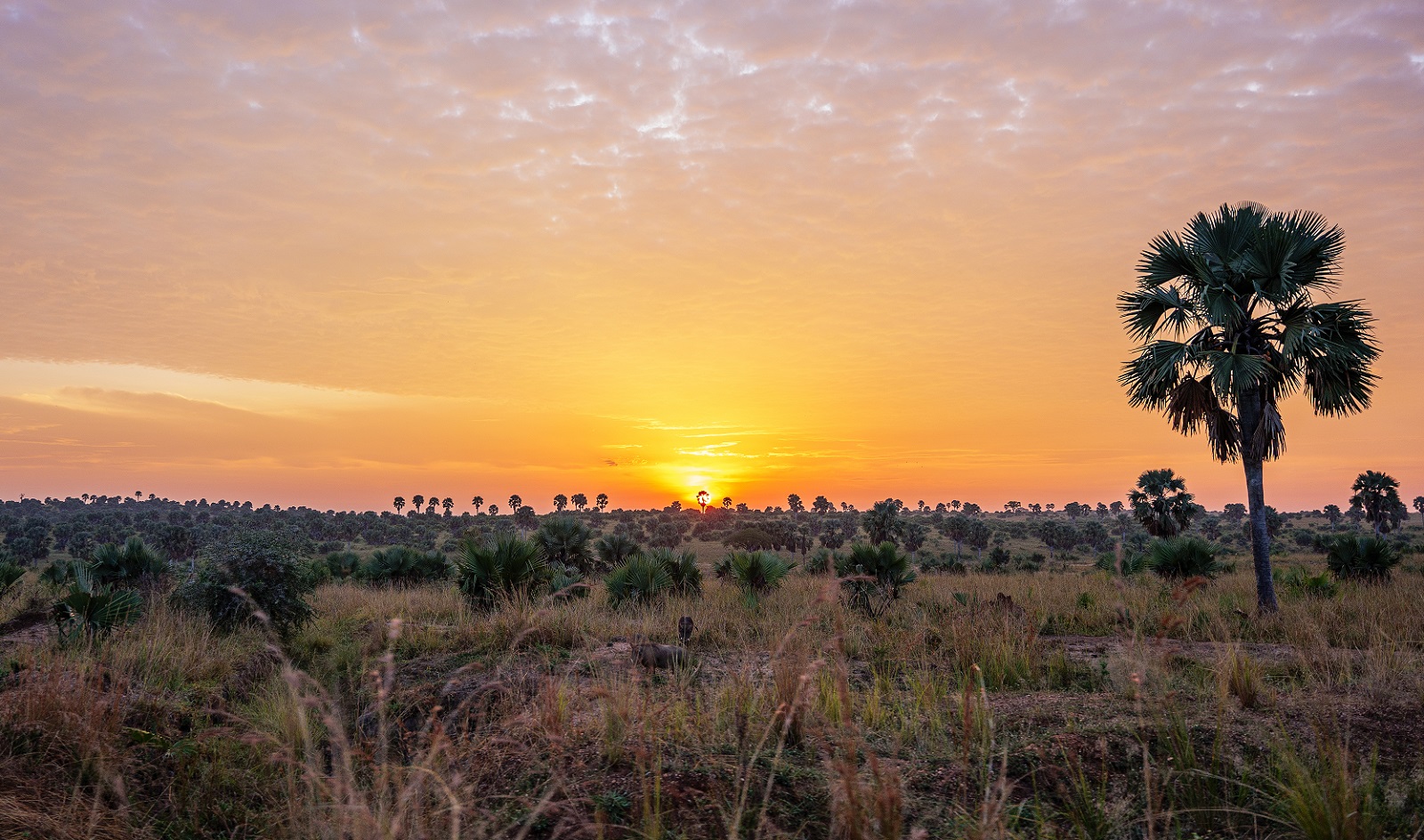
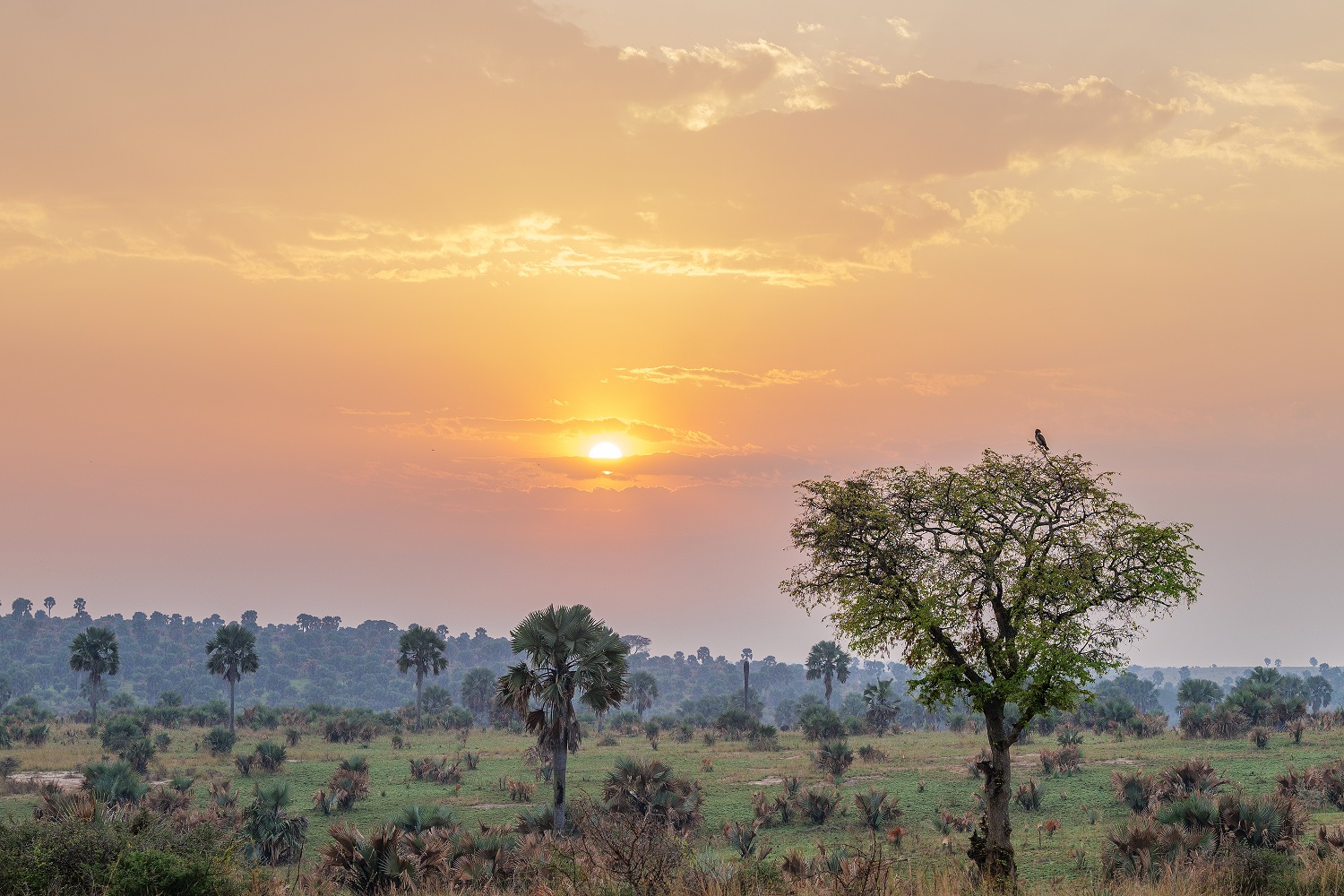
Don’t we all love the look and feel of golden hour?
As the sun begins to set, our crew races to capture Uganda’s beautiful evening light.
Golden-hour footage often becomes the emotional ending of a documentary.
These are the images that linger in the audience’s mind long after the credits roll.
Back at the Office
Back at the office, the work picks up pace again.
Memory cards are backed up immediately, audio is organized, and footage is reviewed.
Video editors begin sorting hundreds, or even sometimes thousands of video clips.
The photographer starts sorting and deleting the pictures to remain with what he will eventually edit and share with the client.
What looked like one interview on screen may have required hours of preparation, multiple camera angles, ambient sound recording and careful editing.
Documentary filmmaking isn’t always glamorous.
And at Mara Mambo Media, we’re documenting history, celebrating communities and creating stories that continue to inspire people long after the cameras stop recording.
***
Need a documentary crew in Uganda? Mara Mambo Media specialises in documentaries, corporate storytelling, branded films and impact-driven visual content that captures authentic stories with creativity and purpose.