The Ethics of Wildlife and Conservation Filming

Best documentary photographer in Uganda (7)

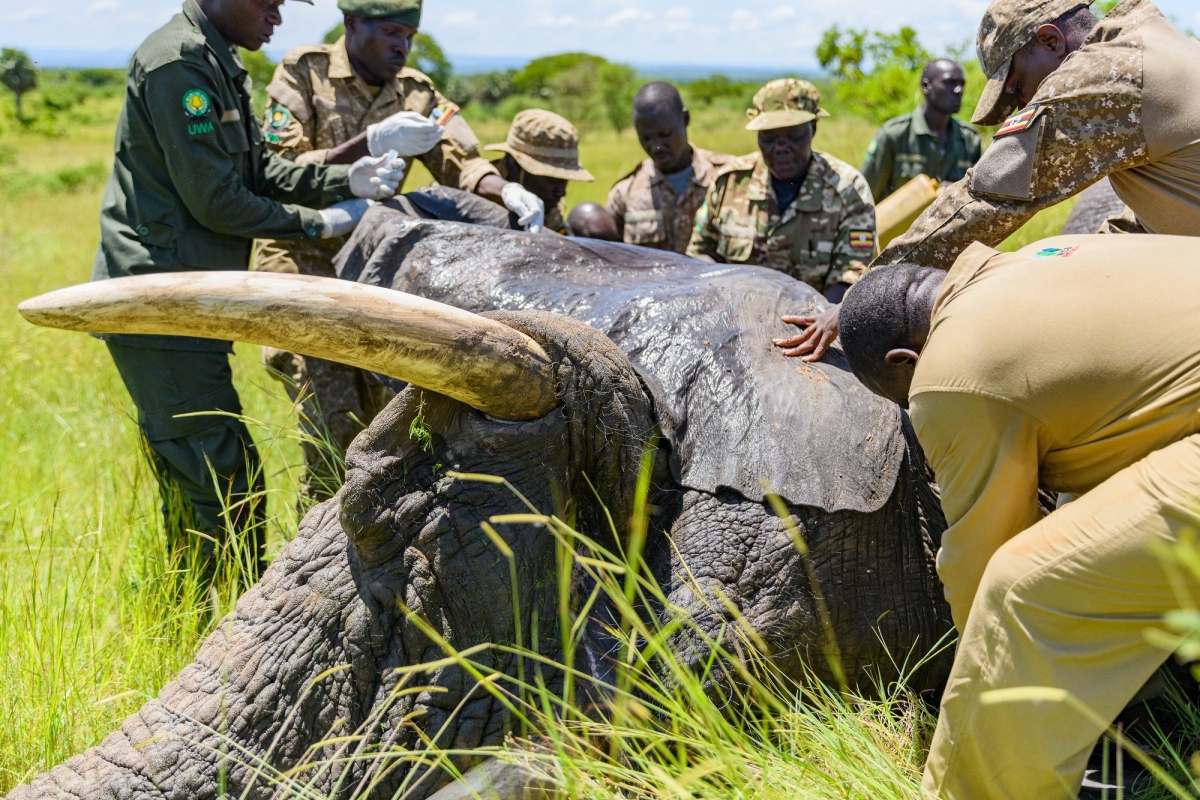
There is a quiet responsibility that comes with pointing a camera at a wild animal. The footage we gather can shape how the world understands a species, a landscape, or a community living alongside both. Done well, it inspires protection. Done carelessly, it can disturb wildlife, mislead audiences, or exploit the very people and places it claims to celebrate. At Mara Mambo Media, we believe wildlife conservation filming is as much an ethical practice as it is a creative one. This article sets out the principles that guide responsible filmmakers and why they matter for everyone who tells conservation stories across Uganda and East Africa.

Animal Welfare Comes First, Always

No shot is worth harming the subject. This is the foundational rule of ethical wildlife and conservation media, and every other principle flows from it. Wild animals are not performers, and their behaviour should never be altered for the sake of a more dramatic frame.

In practice, putting welfare first means reading the signs an animal gives us. Raised heads, fixed stares, repeated movement away from us, or a mother positioning herself between us and her young are all signals to ease off. A genuinely good wildlife filmmaker is willing to lose the shot rather than push an animal into stress, flight, or the abandonment of feeding, mating, or nesting.

Keeping a Respectful Distance

Distance is the simplest form of respect. Long lenses exist precisely so that we can fill the frame without filling the animal’s space. Crowding wildlife to capture a close-up changes its behaviour and can put both subject and crew at risk.

Keeping back also protects the integrity of the footage. An animal that is unaware of us behaves naturally, and natural behaviour is what makes conservation storytelling honest and compelling. The moment a creature reacts to the camera, the story shifts from observation to intrusion.

No Baiting, No Staging, No Manipulation

Some of the most damaging practices in wildlife media are also the most tempting, because they make difficult footage easier to get. Baiting predators with food, using calls to lure animals into the open, restraining or relocating creatures for a scene, or staging a “wild” encounter that never happened all cross a clear ethical line.

These shortcuts harm animals by conditioning them to humans, drawing them toward roads and people, or interrupting natural cycles. They also deceive audiences. When viewers later learn that a moment was manufactured, trust in conservation media as a whole erodes. We would rather wait days for a real moment than fabricate one in an afternoon.

Following Park Rules and Ranger Guidance

Protected areas have rules for good reason, shaped by people who know the land and its wildlife far better than any visiting crew. Staying on designated tracks, observing speed limits, respecting minimum approach distances, and honouring restricted zones are not bureaucratic hurdles. They are the accumulated wisdom of those who protect these places year-round.

Rangers and guides are partners, not obstacles. When a ranger says an animal has had enough, or that a particular area is off-limits during breeding season, that guidance overrides any creative ambition. Some core habits we hold to on every shoot include:

  • Securing the correct permits and filming permissions before arrival
  • Briefing the whole crew on park rules and expected conduct
  • Deferring to rangers and guides on all matters of animal proximity and safety
  • Leaving no trace, including litter, noise, and disturbance to vegetation
  • Never feeding, touching, or attempting to handle wildlife

Honest Storytelling Over Sensationalism

Conservation stories are powerful because they are true. The temptation to sensationalise, to imply danger that was not there, to compress timelines, or to frame an animal as a villain or a victim for dramatic effect, undermines that power.

Honest documentary photography and film resist the urge to exaggerate. A herd is not always under threat; a predator is not always a monster; a community is not always a problem to be solved. Nature is compelling enough on its own terms, and audiences deserve to understand what they are actually seeing.

This honesty extends to the edit. Sound design, pacing, and narration should clarify reality, not invent it. When we represent a behaviour, a place, or a relationship between people and wildlife, we aim to represent it as it genuinely is.

Respecting Communities and Consent

Conservation does not happen in a vacuum. Across East Africa, people live alongside wildlife, often bearing real costs and contributing enormous knowledge. Ethical filming treats these communities as collaborators and rights-holders, not as background scenery.

That means seeking genuine, informed consent before filming people, explaining clearly how footage will be used, and being willing to stop when someone declines. It means listening to local voices rather than speaking over them, crediting knowledge where it is shared, and being mindful of cultural sensitivities. The story of a landscape is incomplete without the people who shape and share it, and they deserve agency in how they are portrayed.

Working With Conservation Partners and Authorities

The strongest conservation films are made in partnership. Wildlife authorities, researchers, conservancies, and local organisations bring context that a camera alone can never capture, and they often rely on responsible media to advance their work.

Collaborating well involves a few simple commitments:

  1. Engaging partners early, so their goals and concerns shape the project from the start
  2. Being transparent about intentions, audiences, and how the final work will be distributed
  3. Sharing footage or findings where it can support research, education, or advocacy
  4. Respecting sensitive information, such as the locations of vulnerable or targeted species

This last point matters more than it might seem. Revealing the precise whereabouts of rare animals can expose them to poaching or disturbance, so responsible filmmakers think carefully about what they disclose.

The Filmmaker’s Responsibility

Ultimately, ethics in wildlife media cannot be delegated to a checklist. They live in the countless small decisions a crew makes when no one is watching: whether to creep a little closer, whether to keep rolling when an animal grows uneasy, whether to let a misleading shot survive the edit because it looks impressive.

We hold ourselves accountable to the animals, the places, the people, and the audiences we serve. The privilege of telling these stories carries a duty to tell them well and to do no harm in the telling. That is the standard we measure ourselves against, image by image and frame by frame.

Telling Conservation Stories the Right Way

Ethical wildlife conservation filming is not a constraint on great storytelling; it is the foundation of it. When welfare, honesty, and respect guide the work, the result is media that genuinely serves the cause it depicts.

If you are working to protect a species, a landscape, or a way of life, we would be honoured to help you tell your conservation story with the care, craft, and integrity it deserves. Reach out to Mara Mambo Media to start the conversation.
The Best Places for Wildlife Photography in Uganda

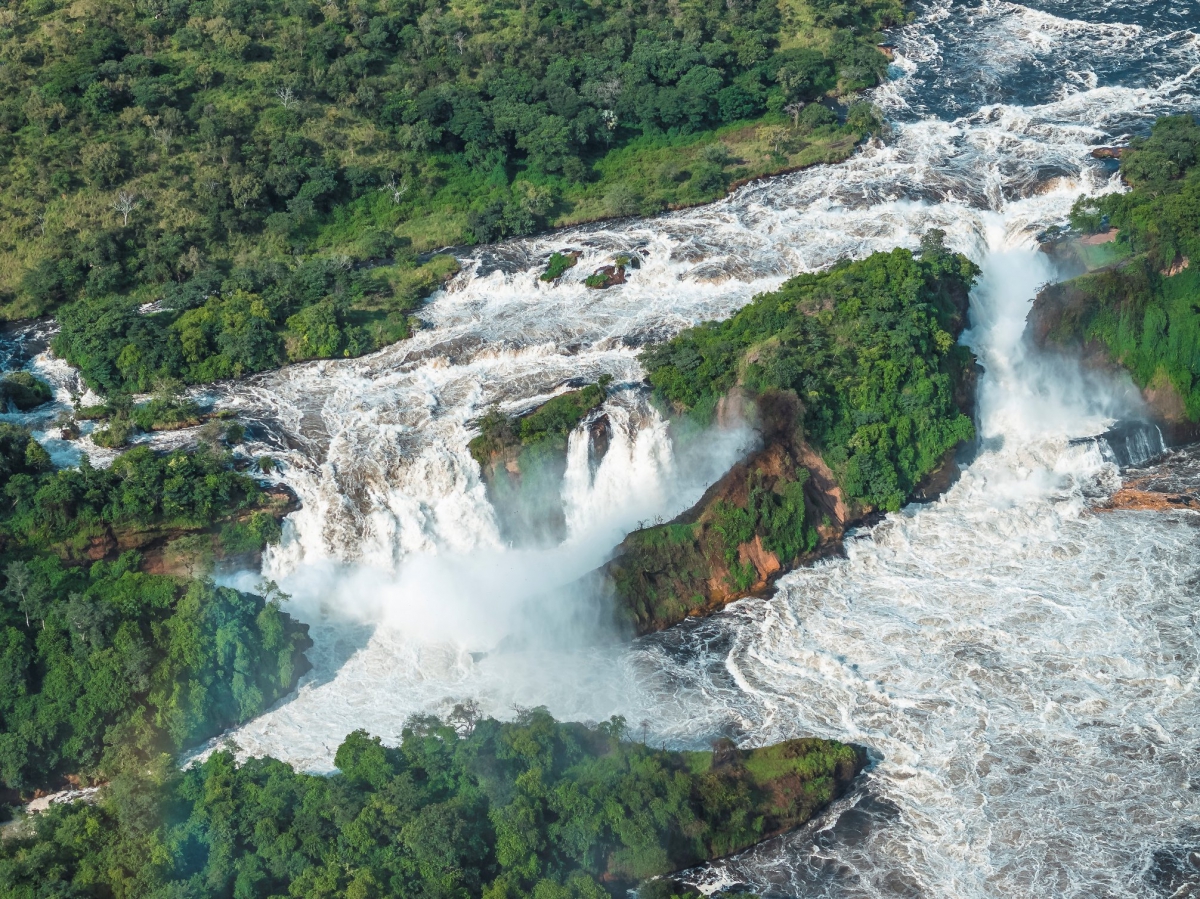
Murchison Falls National Park Mara Mambo Media

Uganda is one of Africa’s most rewarding destinations for anyone holding a camera. Within a single country you can move from open savannah plains to misty mountain forests, from papyrus-lined waterways to wide acacia valleys. For photographers and organisations looking to document the natural world, wildlife photography in Uganda offers a depth and variety that is genuinely hard to match. At Mara Mambo Media we have spent years working across these landscapes, and this guide shares the places and practices that consistently produce powerful images.

Why Uganda Stands Out for Wildlife Photography

What makes Uganda special is its diversity packed into manageable distances. The country sits where East African savannah meets the great forests of Central Africa, which means the range of species and habitats is remarkable. You will find dramatic light, varied backdrops and a mix of iconic and lesser-photographed subjects. For storytellers focused on wildlife and conservation photography and film, this variety allows you to build a body of work that feels rich and complete rather than repetitive.

The Best Places for Wildlife Photography in Uganda

Murchison Falls National Park

Murchison Falls is one of the country’s most celebrated parks, built around the point where the Nile is forced through a narrow gorge. The combination of river, falls and surrounding savannah creates layered compositions you simply cannot stage. Boat cruises along the Nile bring you close to riverbank wildlife and waterbirds, offering eye-level perspectives that are difficult to achieve on land. The open plains are ideal for classic savannah portraits in golden light.

Queen Elizabeth National Park

Queen Elizabeth is known for its scenic variety, from grassland and wetlands to crater lakes and the channel linking two larger lakes. This diversity makes it a strong choice when you want different looks in a single trip. Water-based game viewing here is excellent for photographing animals gathering near the shoreline, and the broad horizons reward patient landscape-and-wildlife compositions.

Kidepo Valley National Park

Tucked into Uganda’s remote north-east, Kidepo Valley is prized for its rugged, cinematic scenery and genuine sense of wilderness. Because it sees fewer visitors, you often have scenes to yourself, which suits photographers who value patience and uninterrupted time with a subject. The mountain-framed valleys and seasonal riverbeds give your images a strong sense of place.

Bwindi Impenetrable Forest

Bwindi is world-renowned for mountain gorillas, and photographing these primates in their dense forest home is an unforgettable experience. The conditions are challenging: low light, thick vegetation and limited, carefully managed time with the animals. This is a place where preparation and respect matter enormously. Following your guides and the park’s rules is not optional, and the images you come away with carry real conservation weight.

Lake Mburo National Park

Lake Mburo is compact and accessible, which makes it an excellent option for shorter trips or for warming up before a longer expedition. Its mix of open country and wetland supports species you may not see as easily elsewhere, and the smaller scale means you can work scenes thoughtfully without long transfers between sightings.

Ethical Wildlife Photography: Putting the Animal First

Great wildlife images are never worth disturbing the subject. Ethical practice is the foundation of credible photography services in this field, and it is something we hold ourselves to on every assignment.

  • Keep your distance. Let animals behave naturally. A respectful distance protects both the wildlife and you, and longer lenses exist precisely so you do not have to crowd a subject.
  • Follow park rules and guides. Rangers and guides understand the terrain and the animals far better than any visitor. Their instructions exist for safety and conservation, so treat them as non-negotiable.
  • Never bait, lure or feed wildlife. Manipulating behaviour for a shot is harmful and unethical. The best images come from genuine moments.
  • Minimise your footprint. Stay on designated tracks, keep noise low, and leave habitats exactly as you found them.

Practical Tips for Stronger Images

Patience Is Your Most Important Tool

The most memorable wildlife photographs usually come to those who wait. Animals move on their own schedule, and the difference between a record shot and a striking one is often the willingness to stay with a scene, anticipate behaviour and be ready when the moment arrives.

Work With the Light

Early morning and late afternoon offer the warm, directional light that gives wildlife images depth and atmosphere. The hours around sunrise and sunset also tend to be when many animals are most active. Harsh midday light is harder to work with, so use those quieter hours to scout, rest or photograph in shade.

Think About Gear, Generally

You do not need the most expensive kit to make compelling images, but a few principles help. A longer telephoto lens lets you keep a safe, respectful distance while still filling the frame. A camera that handles low light well is valuable for forest interiors and dawn or dusk shooting. Bring more storage and battery capacity than you think you need, protect your equipment from dust and moisture, and consider a beanbag or monopod for stability in a vehicle.

Tell a Story, Not Just a Portrait

Individual animal portraits are wonderful, but the strongest projects show context: the habitat, the behaviour, the relationships between species and their environment. This narrative approach is especially important for conservation work, where the goal is to move audiences as well as document them.

Bringing It All Together

Uganda rewards photographers who arrive prepared, patient and respectful. Each park offers something distinct, and the richest results often come from combining several locations into a considered itinerary rather than rushing through them. Whether you are an individual photographer building a portfolio or an organisation commissioning conservation-focused visuals, the country gives you the raw material for truly memorable work. The rest comes down to time in the field, an ethical approach and a clear creative vision.

At Mara Mambo Media, we bring local knowledge and professional experience to wildlife and conservation projects across Uganda. If you are planning a shoot, a campaign or a longer documentary project and want a team that understands both the craft and the responsibility involved, we would love to hear from you. Get in touch and let us help you capture Uganda’s wild beauty with care and impact.

Mara Mambo Media

Mara Mambo Media is a team of young, creative, and versatile production professionals driven by passion and precision. We stand among Uganda’s leading media production companies, mastering the art and trade of videography, photography, and 3D animation.

At our core, we are storytellers. We believe in the power of human narratives — stories that inform, entertain, educate, and inspire. Every idea we craft begins with your story. From that story, we design compelling visual experiences that move people and meet the unique purpose of your brand or audience.

Mara Mambo Media was founded on a simple yet profound belief:
that media — whether visual, audio, or artistic — needed a new lens, a fresh perspective, and a deeper purpose. We represent that shift. Our work embodies transformation, creativity, and authenticity.

Our name, Mara Mambo, draws inspiration from the breathtaking beauty of the Masai Mara — a place of color, wonder, and life. From that inspiration, we visualize stories that mirror the magic of our clients’ ambitions.

Our team combines over eight years of professional experience across multiple disciplines. We bring together diverse talents — men and women who are qualified, imaginative, and relentlessly committed to quality. For every project, we invest time in strategic planning, detailed execution, and uncompromised standards. We never cut corners. We go beyond expectations.

Through every production — big or small — we deliver value, creativity, and reliability. We work longer, think deeper, and move faster because we care about our clients’ stories and the impact they make.

At Mara Mambo Media, we don’t just produce content — we craft experiences that change, transform, and connect.