Live-streaming a conference has become one of the most effective ways to extend the reach of an event far beyond the room it happens in. For organisers in Kampala, a well-produced stream means your speakers, partners and delegates across Uganda, East Africa and the diaspora can take part in real time. But a professional broadcast is the result of careful planning, not luck. This guide walks you through everything you need to consider, from goals and platforms to the local realities of live streaming services in Uganda.
Start With Your Goals and Audience
Before you think about cameras or platforms, define what success looks like. Are you broadcasting to maximise public reach, or hosting a private, registration-only session for a select audience? Do you want viewers simply to watch, or to interact, ask questions and download materials? Your answers shape every technical decision that follows.
Consider who your audience is and where they are. A stream aimed at Ugandan delegates who could not travel to Kampala has different needs from one targeting international partners in another time zone. Clarifying the purpose early prevents expensive changes later and helps you measure whether the stream actually delivered value.
Choosing the Right Platform
The platform you stream to should match your goals, not the other way around. Each option has strengths:
- YouTube Live is excellent for public reach, offers a reliable player, archives your recording automatically and embeds easily on your website.
- Facebook Live works well when your audience already follows your organisation’s page and you want social sharing and comments built in.
- Zoom or a dedicated webinar platform suits private, interactive sessions where registration, polls and structured Q&A matter more than open reach.
- Hybrid setups stream simultaneously to several destinations, or combine an in-person audience with remote viewers and remote speakers joining live.
For many conferences, a hybrid approach delivers the best of both worlds, but it also demands the most planning. Decide early, because the platform affects your encoder settings, branding and engagement strategy.
Internet and Redundancy: The Make-or-Break Factor
In Uganda, connectivity is the single biggest risk to any live broadcast, and it deserves more attention than any other technical element. A dropped stream at the keynote moment undoes months of planning. Plan as if your primary connection will fail, because one day it will.
- Test the venue’s bandwidth in advance. A speed test on the actual event network, at a time of day similar to your event, tells you far more than a promise from the venue.
- Always carry a backup connection. A second internet source on a different provider, ideally a different technology such as a separate fibre line or a 4G connection, protects you if the main link drops.
- Use a bonding or automatic failover device where possible, so the stream switches connections seamlessly without viewers noticing.
- Reserve generous headroom. Streaming needs stable upload speed, not just download. Never plan to use every last megabit of the available bandwidth.
Treat power the same way. Pair your connectivity plan with a backup power source so a brief outage does not end your broadcast.
Multi-Camera Setups
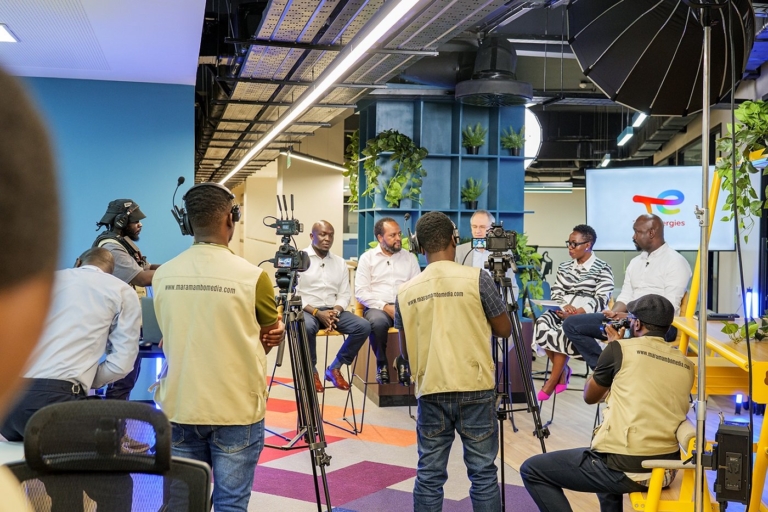
A single static camera can work for a short talk, but a conference deserves more. A multi-camera setup keeps the broadcast visually engaging and lets you cut between a wide stage shot, a close-up of the speaker and a view of the slides or panel.
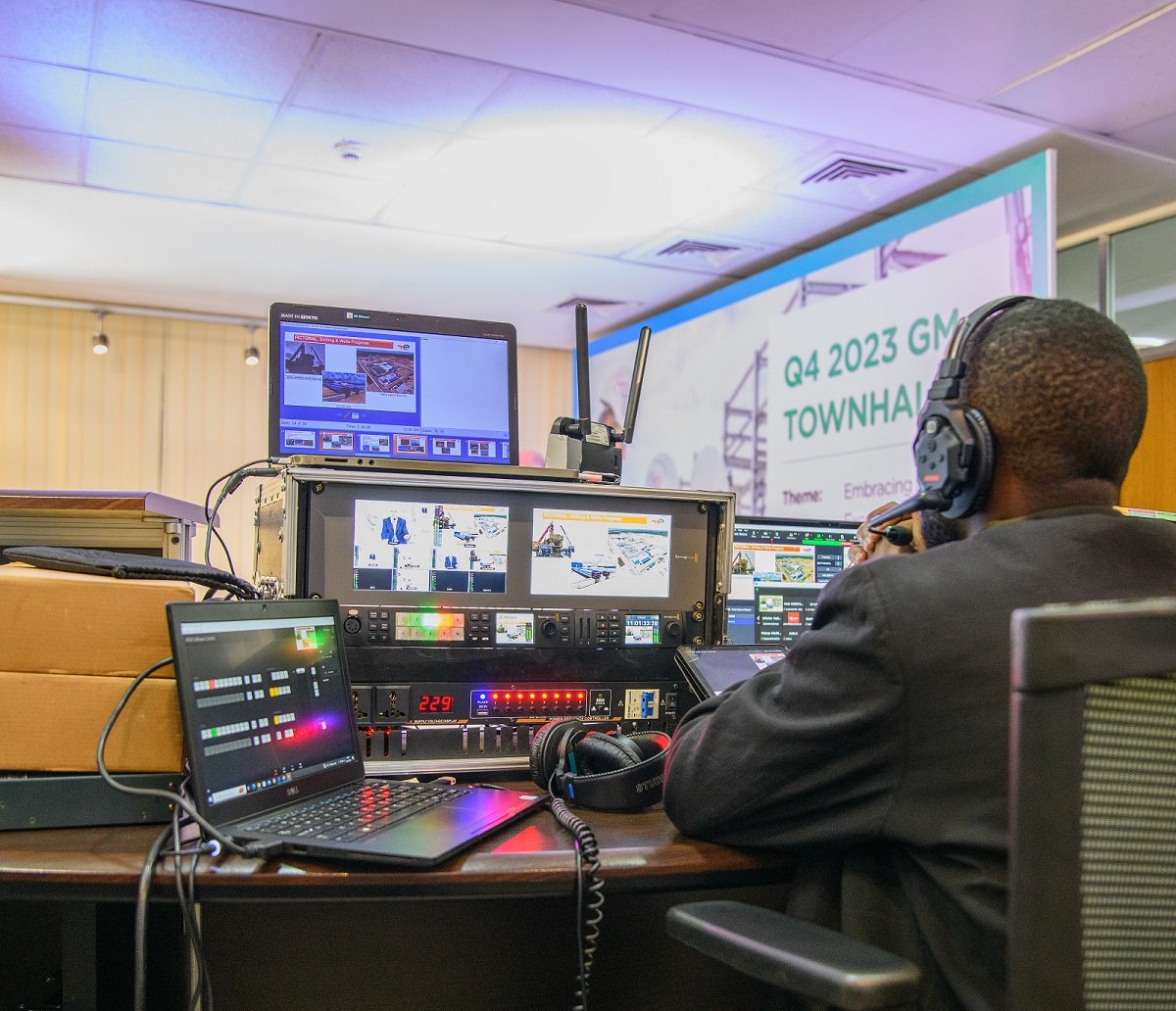
At a minimum, consider a wide shot of the stage, a tighter shot on the speaker and a dedicated feed for presentation slides captured directly from the laptop rather than filmed off a screen. A vision mixer or switcher lets an operator cut between these sources live, producing a polished result that holds viewers’ attention far better than a single angle.
Audio: The Most Common Point of Failure
Audiences will forgive imperfect video, but they will leave a stream with poor sound within seconds. Audio is the most common failure point in live broadcasts, so give it the attention it deserves.
Take your audio feed directly from the venue’s sound desk or dedicated microphones rather than relying on a camera’s built-in microphone, which picks up room echo and crowd noise. Use proper lapel or handheld microphones for speakers, monitor the audio with headphones throughout, and always have spare microphones and fresh batteries on hand. Clean, clear sound is what makes a stream feel professional.
Branding, Graphics and Lower-Thirds
Professional graphics turn a raw camera feed into a branded broadcast. Lower-thirds that introduce each speaker by name and title, your organisation’s logo, holding slides for breaks and a tidy opening title all signal quality and reinforce your brand throughout the event.
Prepare these assets before the event day, with correct names, titles and spellings confirmed in advance. Consistent, on-brand graphics are especially valuable for corporate events where presentation reflects directly on the organisation hosting the gathering.
Build a Run-of-Show and Rehearse
A run-of-show is a minute-by-minute document mapping out the entire broadcast: when the stream goes live, the opening titles, each speaker and session, planned breaks, and the close. It keeps the production team, the venue crew and the event organisers working from the same script.
Rehearsal is non-negotiable. A technical run-through on the actual equipment and venue network lets you catch problems while there is still time to fix them. Test every camera, every microphone, the graphics, the failover connection and the stream itself to your chosen platform. The confidence a rehearsal brings on event day is well worth the time it takes.
Record Everything for Repurposing
Your live broadcast should not be a one-time event. Always capture a high-quality local recording in addition to the stream, ideally an isolated recording of each camera and the clean audio feed. This footage becomes a library you can edit into highlight reels, individual speaker sessions, social media clips and on-demand content long after the event ends, extending its value for months.
Engagement: Q&A and Chat Moderation
Interaction is what separates a passive video from a genuine event experience. Decide how remote viewers will ask questions, whether through the platform’s chat, a dedicated form or a moderated Q&A tool. Assign a person to moderate the chat, surface the best questions to your host and keep the conversation respectful and on topic.
Good moderation makes remote attendees feel as involved as those in the room, and it gives your speakers a steady flow of relevant questions to respond to. It is a small role with a big impact on how your audience remembers the event.
Bringing It All Together
A successful conference stream in Kampala comes down to disciplined planning: clear goals, the right platform, redundant internet and power, a thoughtful multi-camera setup, flawless audio, professional branding, a rehearsed run-of-show and active audience engagement. Get these right and your event reaches and resonates with an audience many times larger than the room.
Mara Mambo Media plans and produces professional live broadcasts for conferences and events across Kampala, Uganda and the wider East African region. If you are ready to reach an audience beyond the room, stream your next event with a team that handles the technical detail so you can focus on the message.