How a crop is helping farmers find a market, improve their livelihoods and build new possibilities in Buliisa District, and why documenting that journey matters.
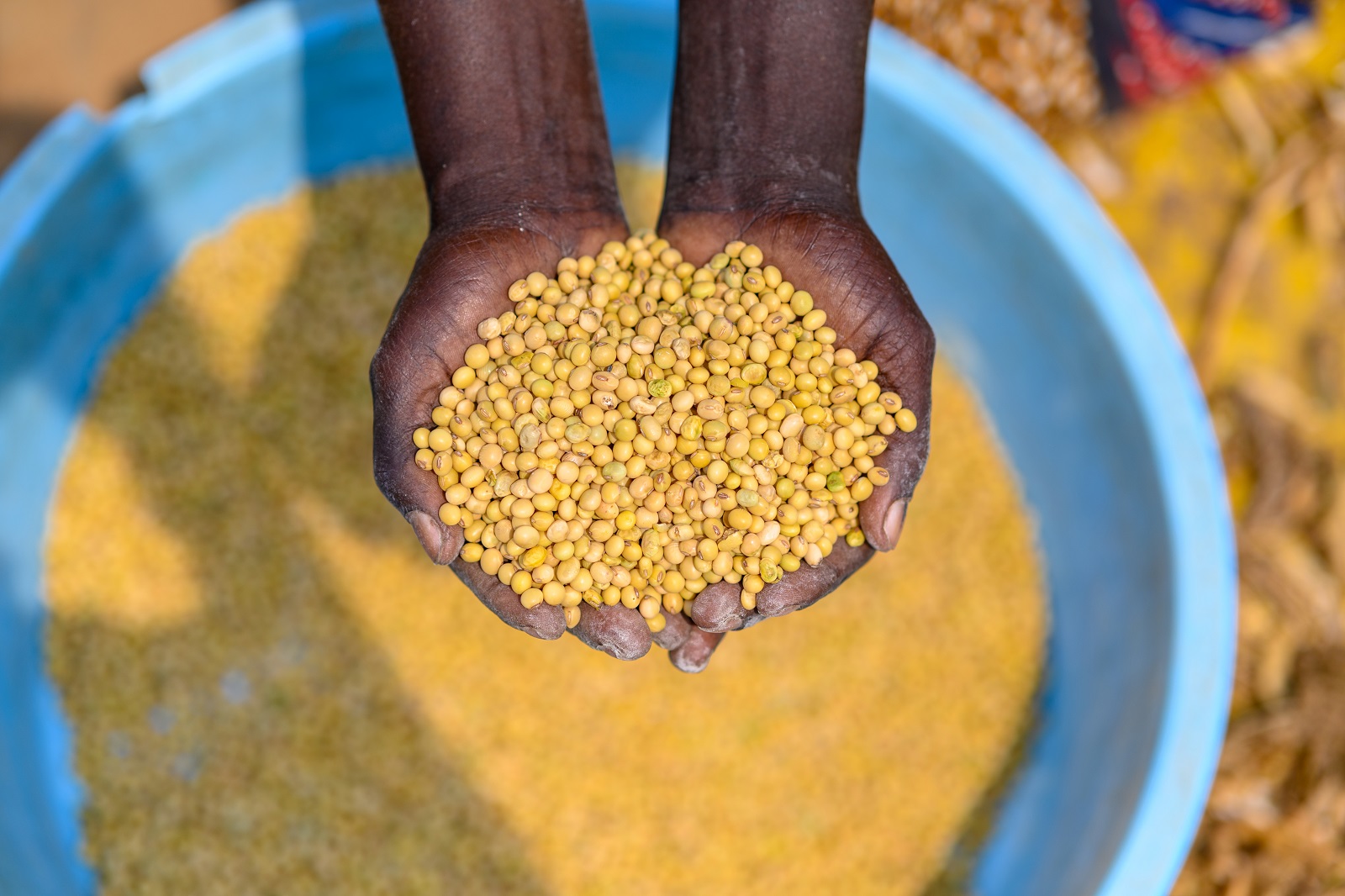
At first glance, a harvested soybean plant may not look like much.
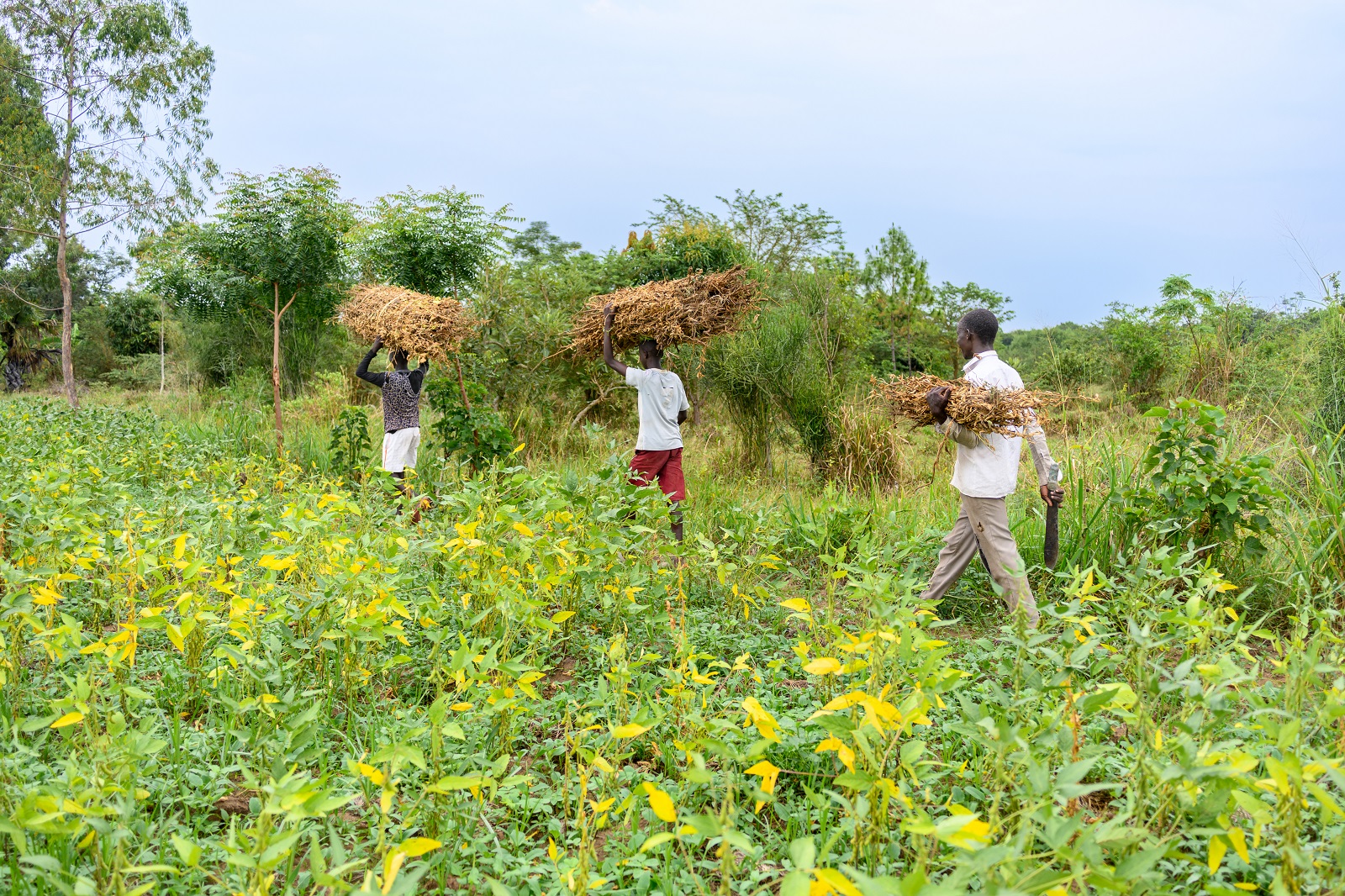
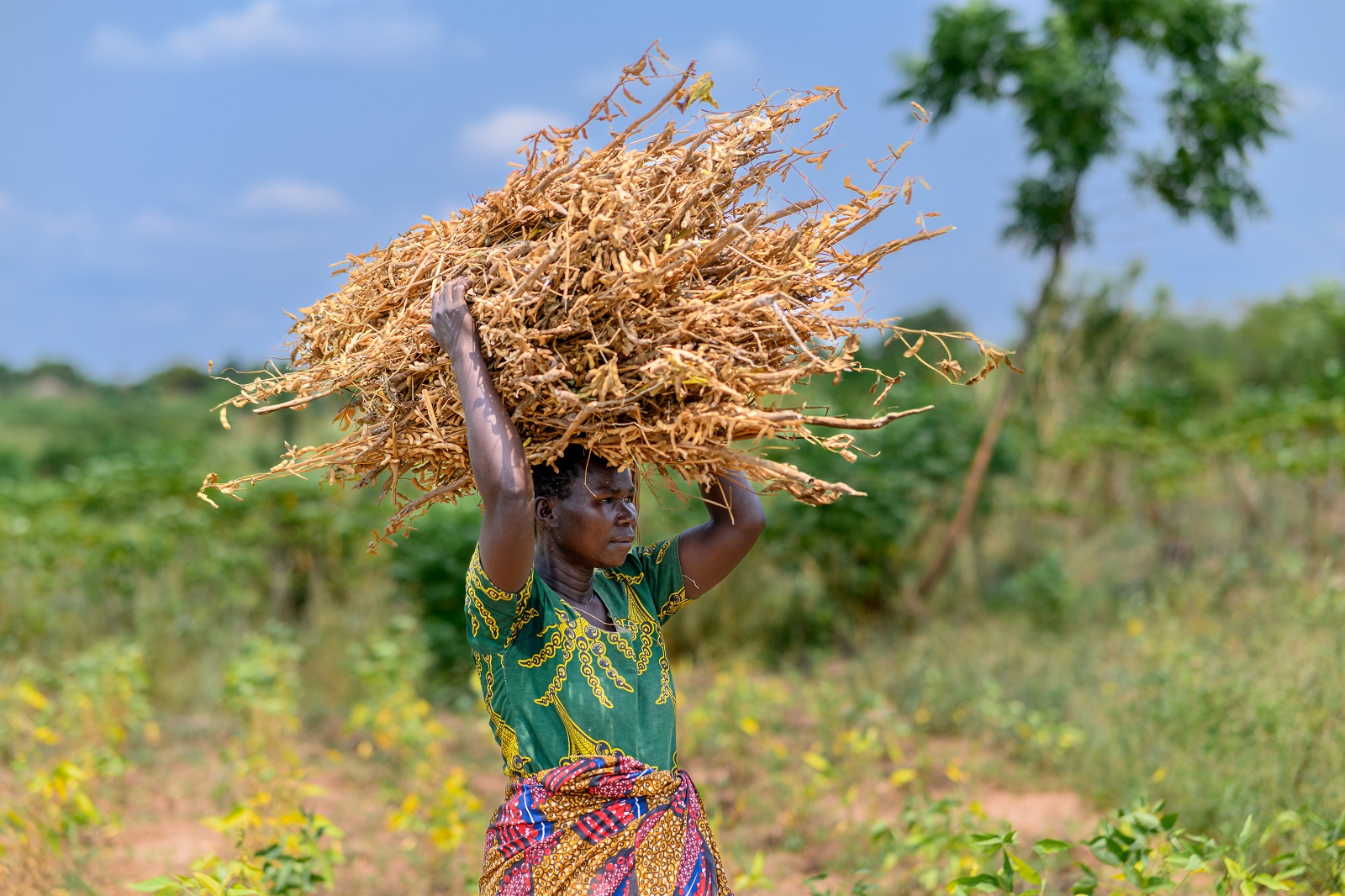
It is easy to look at a field of dry plants and see the end of a farming season. But for the farmers in Buliisa District, that harvest represents something much bigger: the possibility of selling what they have grown, paying for household needs and, importantly, knowing there is a market waiting for them.
For years, farmers in parts of the region have dealt with a familiar problem; finding someone willing to buy their crop at a fair price. Crops such as cassava could provide food and income, but without a dependable market, farmers often struggled to turn their harvests into enough money to meet everyday expenses, including school fees.
That is the gap that the soybean initiative being implemented by Asili, in partnership with TotalEnergies EP Uganda set out to address.
And for Mara Mambo Media, it is exactly the kind of story worth documenting.
Because agricultural development is usually about the people who plant the crops, the knowledge they acquire, the work that happens after harvesting and what changes when farmers can finally connect their produce to a reliable market.
The soybean project began in August 2023 with the groundwork needed to introduce the crop into communities in Buliisa. Asili mapped farmers, distributed soybean seed and trained them in agronomic practices, including proper spacing and planting in rows.
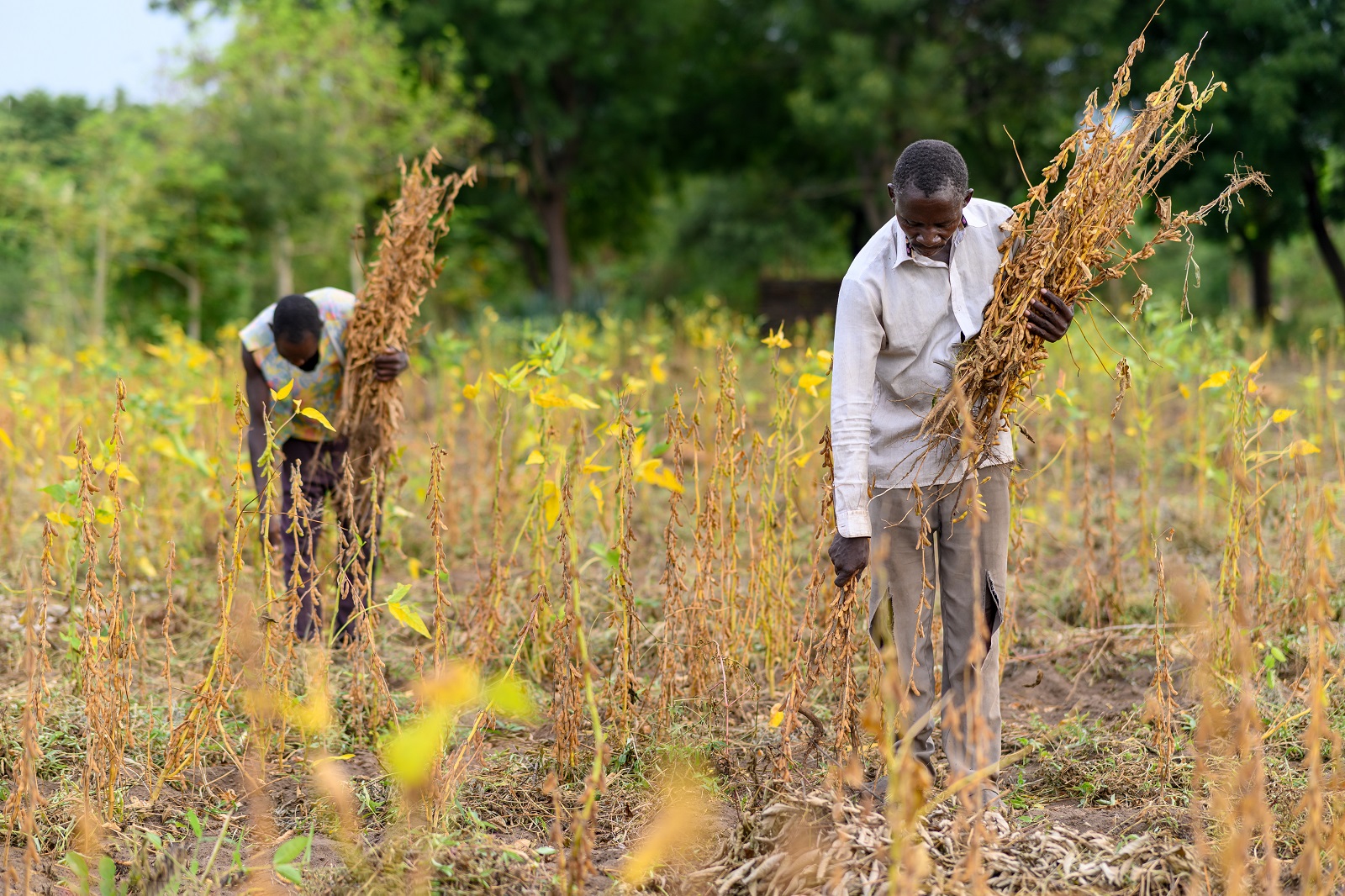
A photograph of a farmer harvesting soybean can communicate the physical reality of the work in a way that an acreage figure cannot. It shows the crop in the farmer’s hands, the tools being used, the condition of the field and the people doing the work.
The camera gives the audience somewhere to stand.
Instead of simply reading that a programme reached farmers in Buliisa, we can see what participation looks like.
One of the things that stands out in the soybean project is that the intervention does not stop at planting.
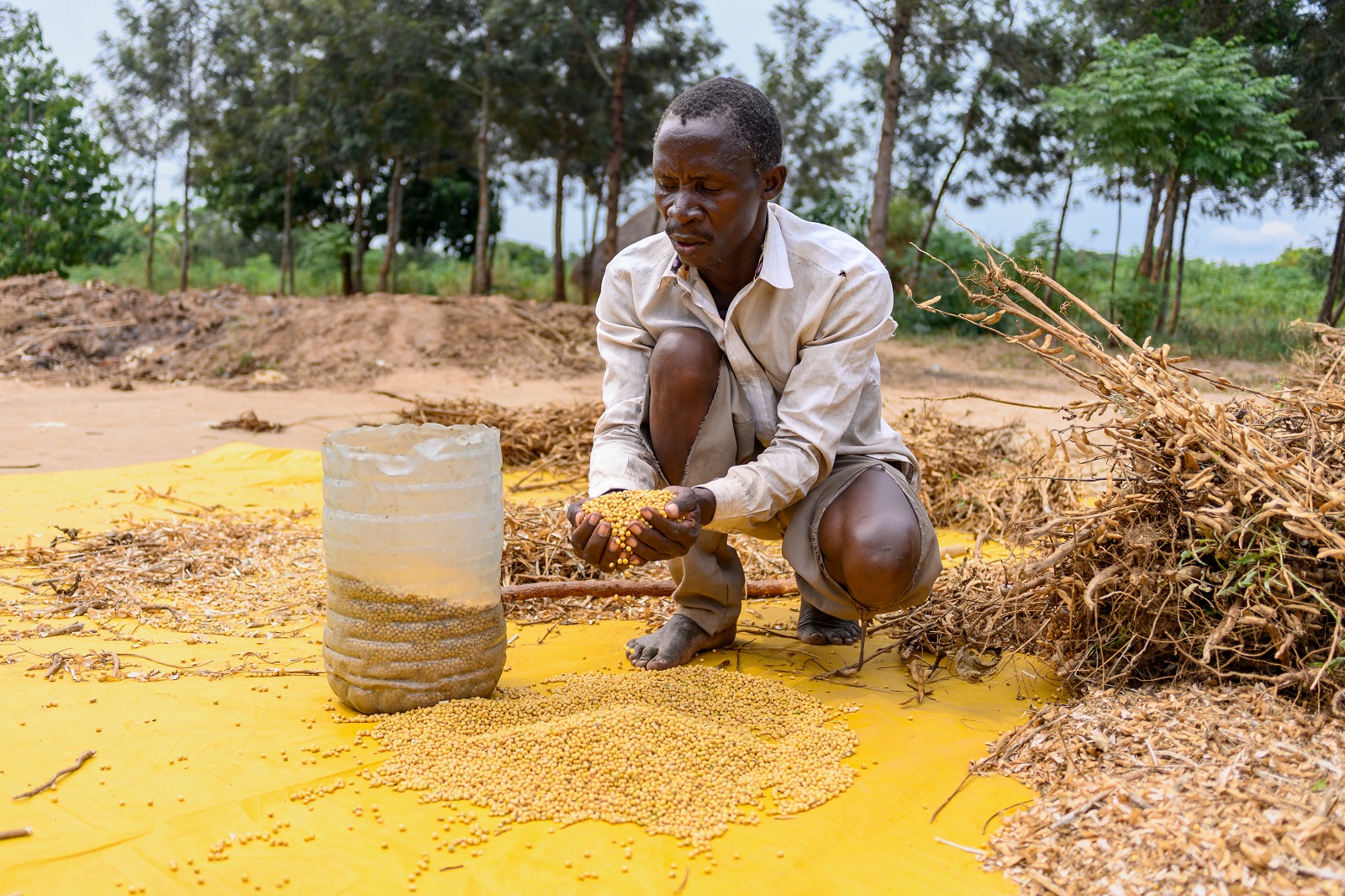
Farmers have also been trained in post-harvest handling, including the proper drying and cleaning of their produce. Tarpaulins have been provided to help farmers dry and handle the soybeans more effectively before they are sold.
This may seem like a small part of the process, but it is an important one.
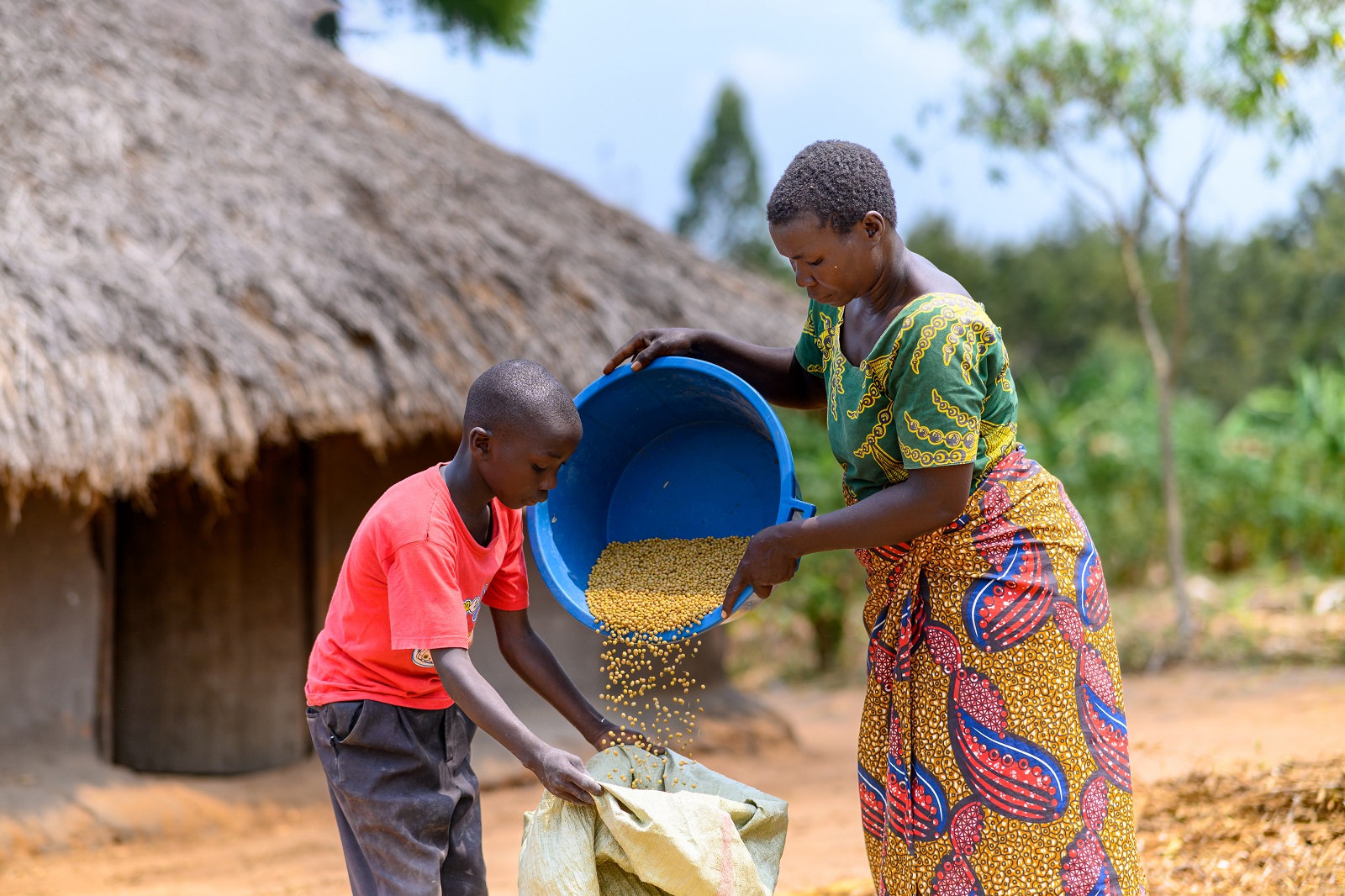
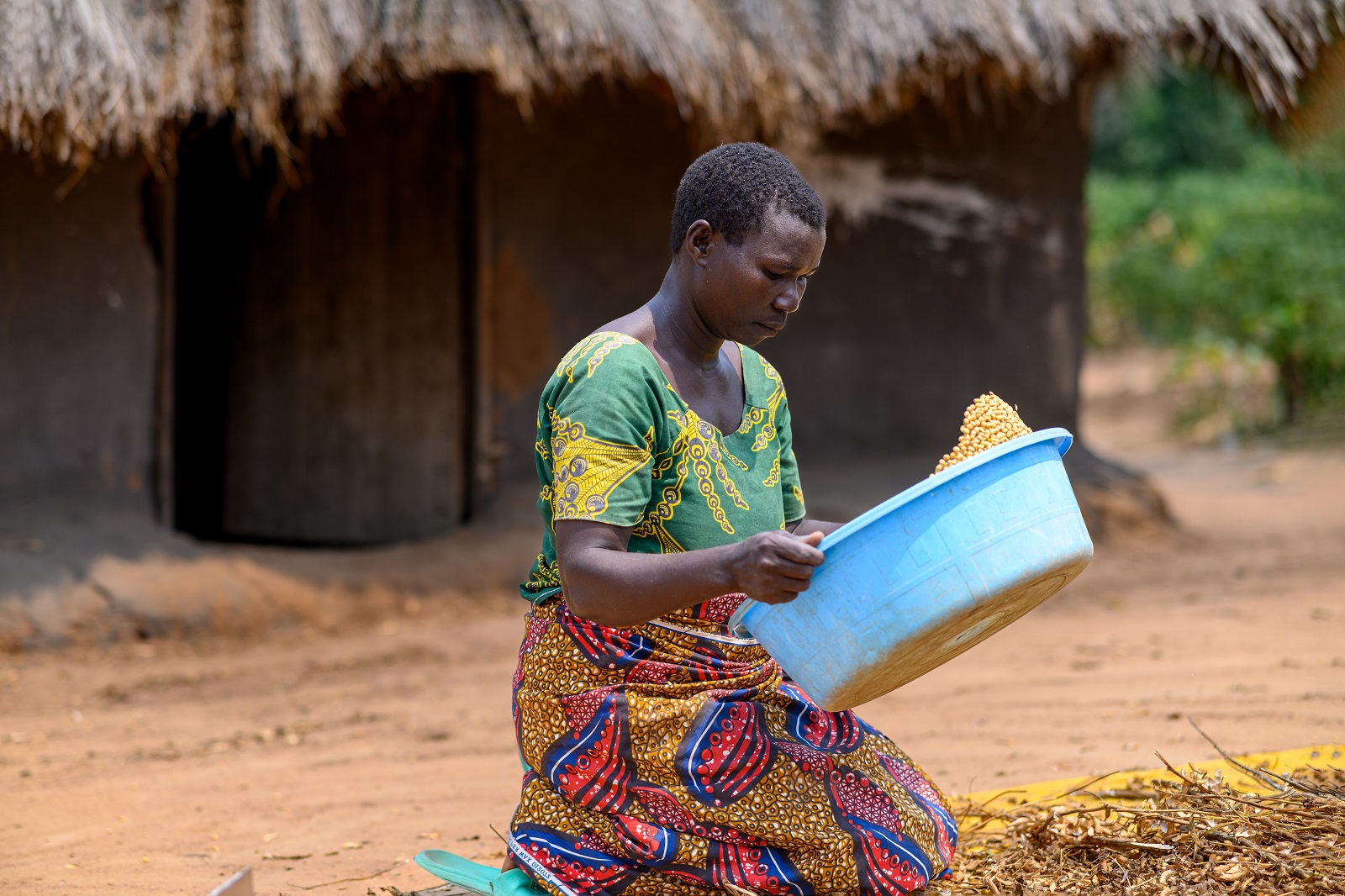
The photographs from Buliisa capture that part of the story too. They show people handling the harvested crop and doing the work that turns what has been grown in the field into something ready for the market.
For documentary photographers, these are often the details that make a story worthwhile.
Perhaps the most important part of the soybean initiative is what happens once farmers are ready to sell.
The project has established Village Transformation Entrepreneurs (VTEs) at several aggregation points. These local actors collect produce from farmers, creating a more organised link between individual producers and ready buyers.
It is a relatively simple idea, but one that addresses a problem that farmers know very well: producing something does not automatically mean you have a market for it.
The photograph of a woman processing soybean brings another dimension to the story.
Agricultural projects are often discussed through production figures: acreage, yields, tonnes and markets. Those measurements are important, but they do not tell us who is doing the work or what the work looks like within a household.
Documentary photography gives us the opportunity to pay attention to those people.
It allows us to photograph farmers not as anonymous beneficiaries of a programme, but as participants in an economic process.
There is a tendency to think of photography as something that comes at the end of a project: take a few photographs, produce a report, publish the success story and move on.
But documentary photography can do something much more valuable.
It can follow the story as it happens.
It can show the conditions before an intervention, the people involved in implementing it and the changes that emerge over time. It can capture the parts of development work that statistics cannot easily describe.
This is the kind of work that sits naturally within Mara Mambo Media’s documentary approach.
As a Ugandan media and production house working across documentary, photography, film and development storytelling, Mara Mambo brings an understanding of the environments and communities in which these stories unfold.