Writer’s note: Wildlife photography can take you straight to the heart of an ecosystem, but getting the photograph should never mean changing what is happening in front of the camera.
There is a certain excitement that comes with photographing the Big Five. Even people who have spent years around wildlife still understand the appeal. A lion appearing through tall grass can stop a conversation in its tracks. An elephant walking across the road can make an entire vehicle go quiet. A buffalo standing a little too close can have everyone suddenly checking whether the windows are properly closed.
The Big Five, the lion, leopard, elephant, buffalo and rhino, have become some of the most recognisable symbols of an African safari. Uganda has them, too, although experiencing them here is not simply about working through a list of animals and moving on to the next sighting.
Far from it, indeed.
For a photography team, the real interest begins when you look beyond the animal itself.
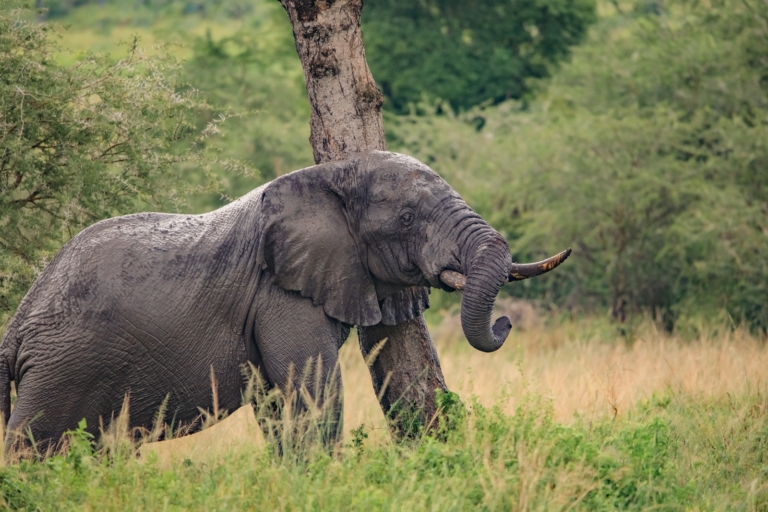
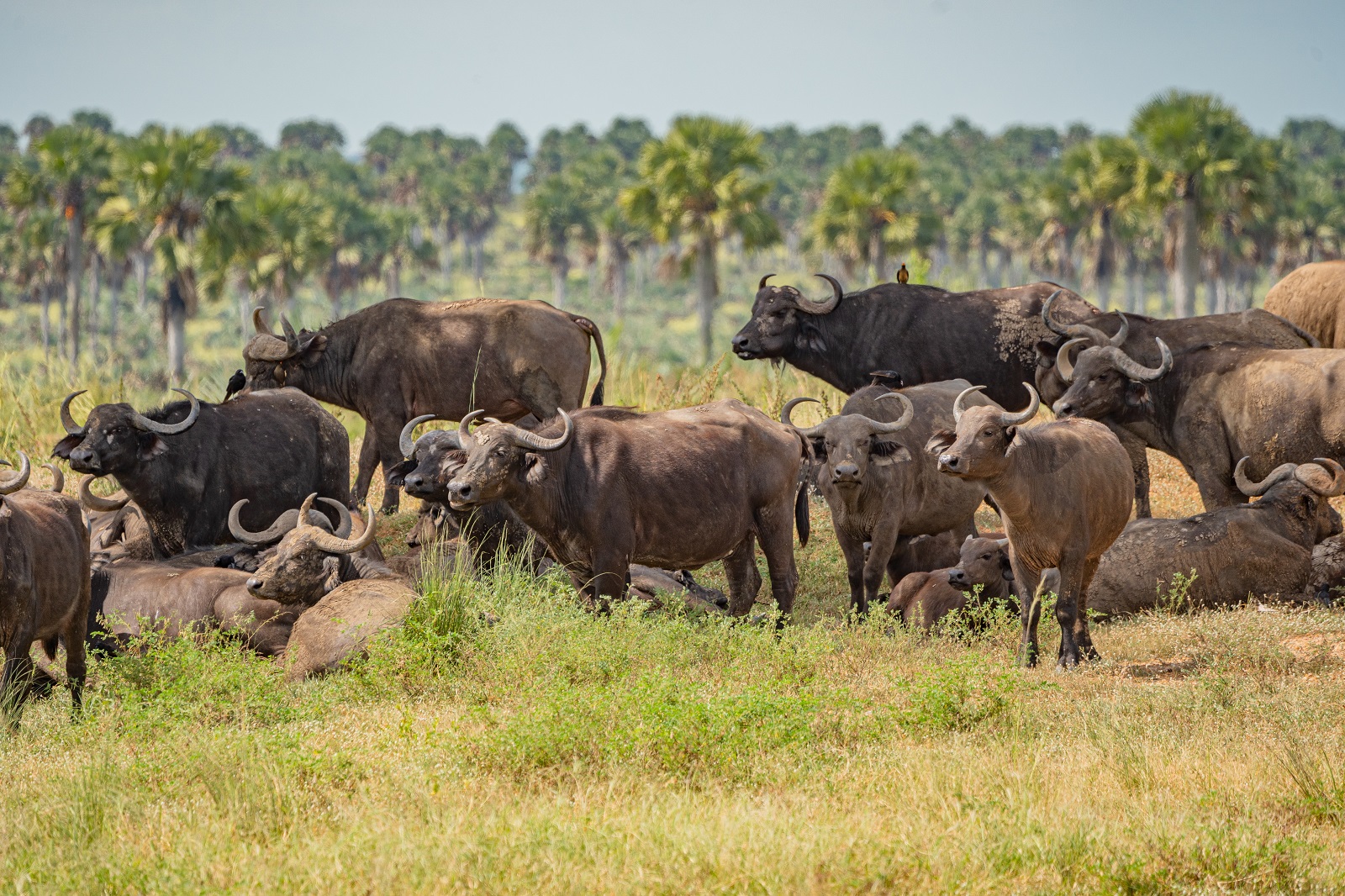
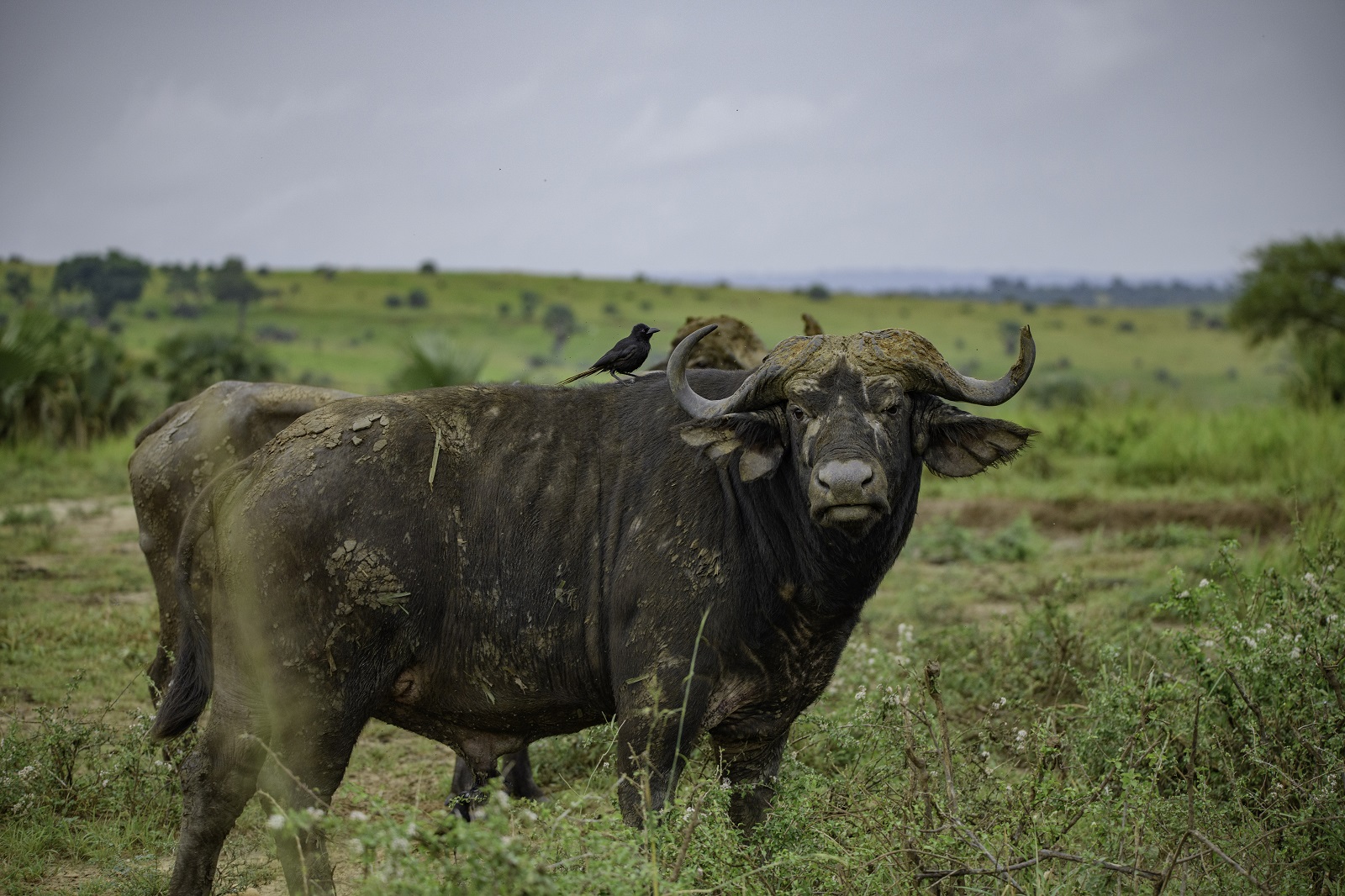
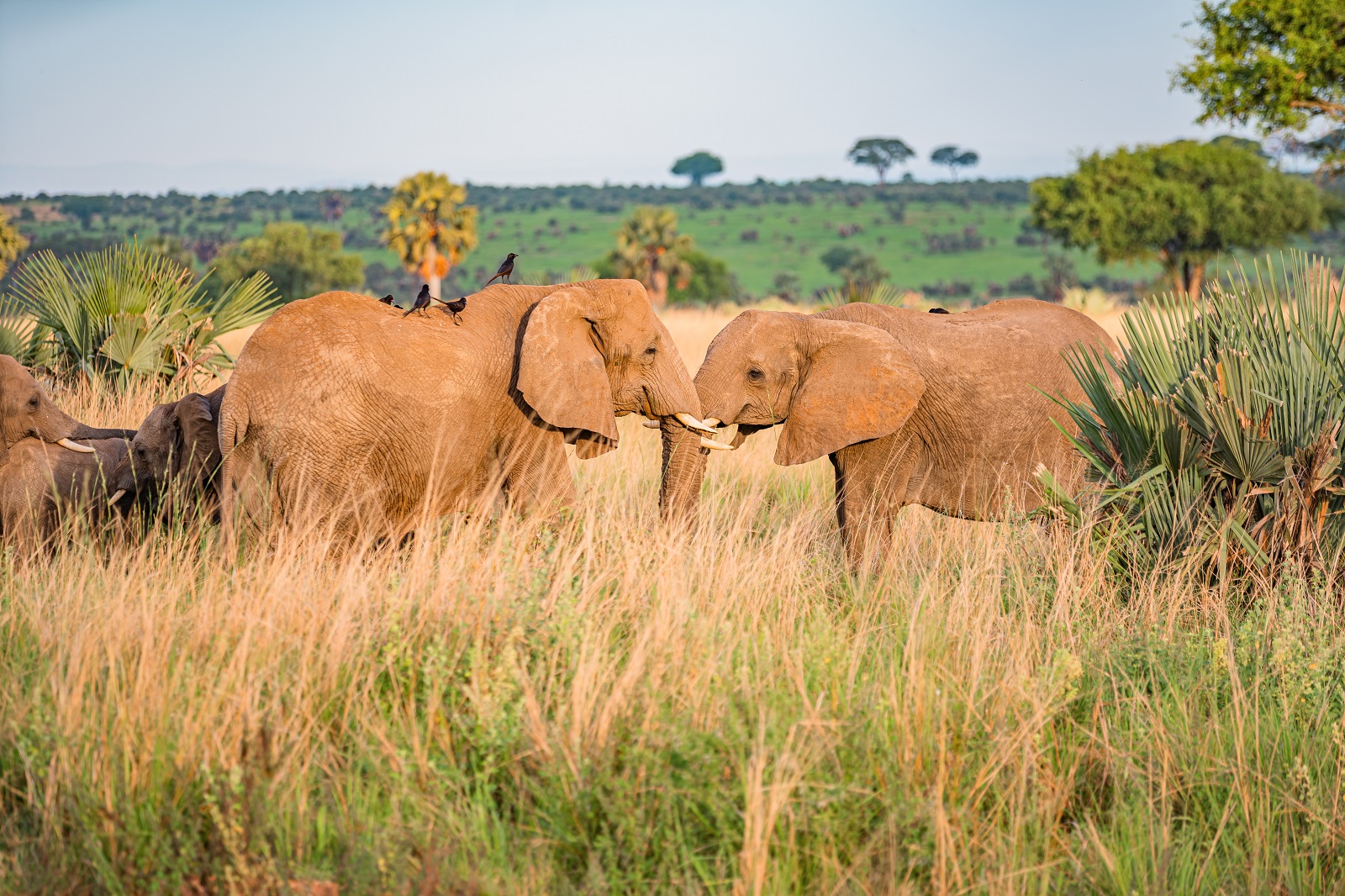
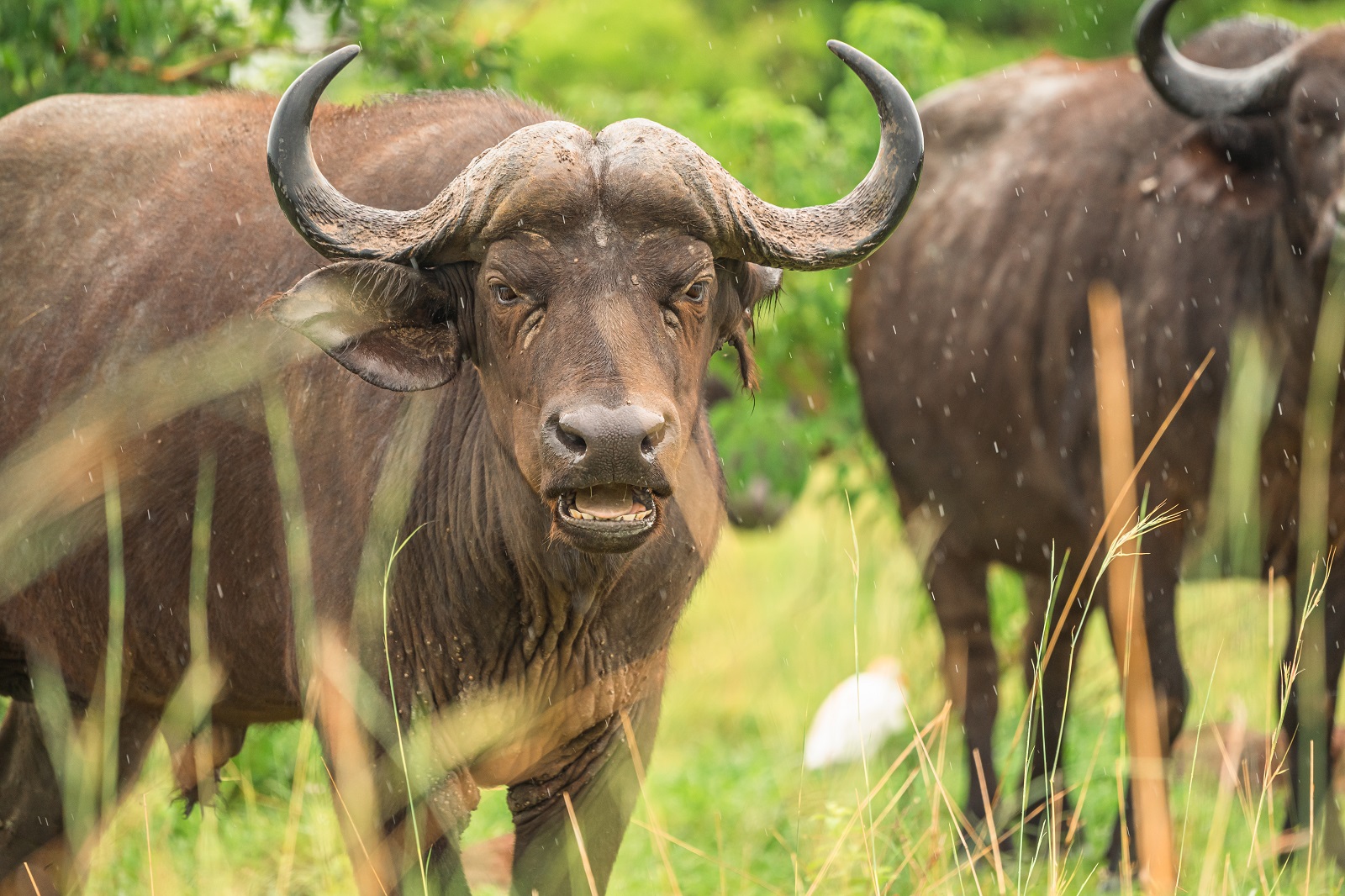
The elephant photographed moving through Uganda’s vegetation, for example, is surrounded by a landscape that is just as important to the image as the animal. The palms, grasses, birds and other vegetation give us some sense of where the elephant is and what kind of environment supports it. The same applies to the buffalo. Its size and horns immediately draw the eye, but the grassland around it provides the context.
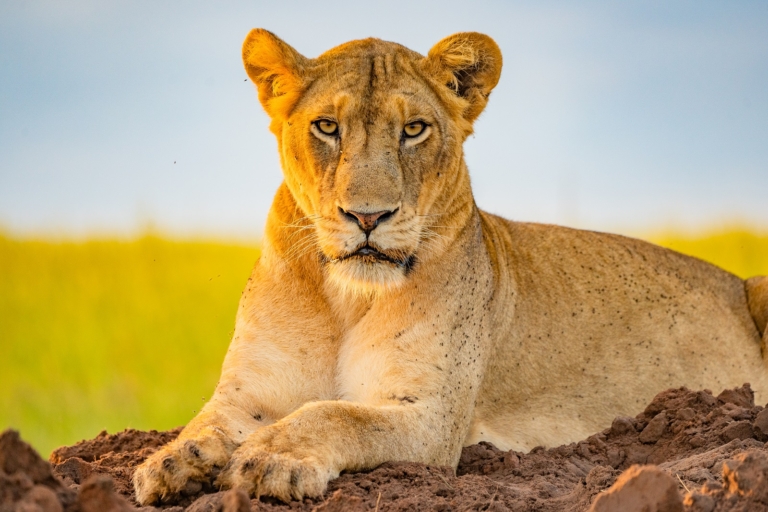
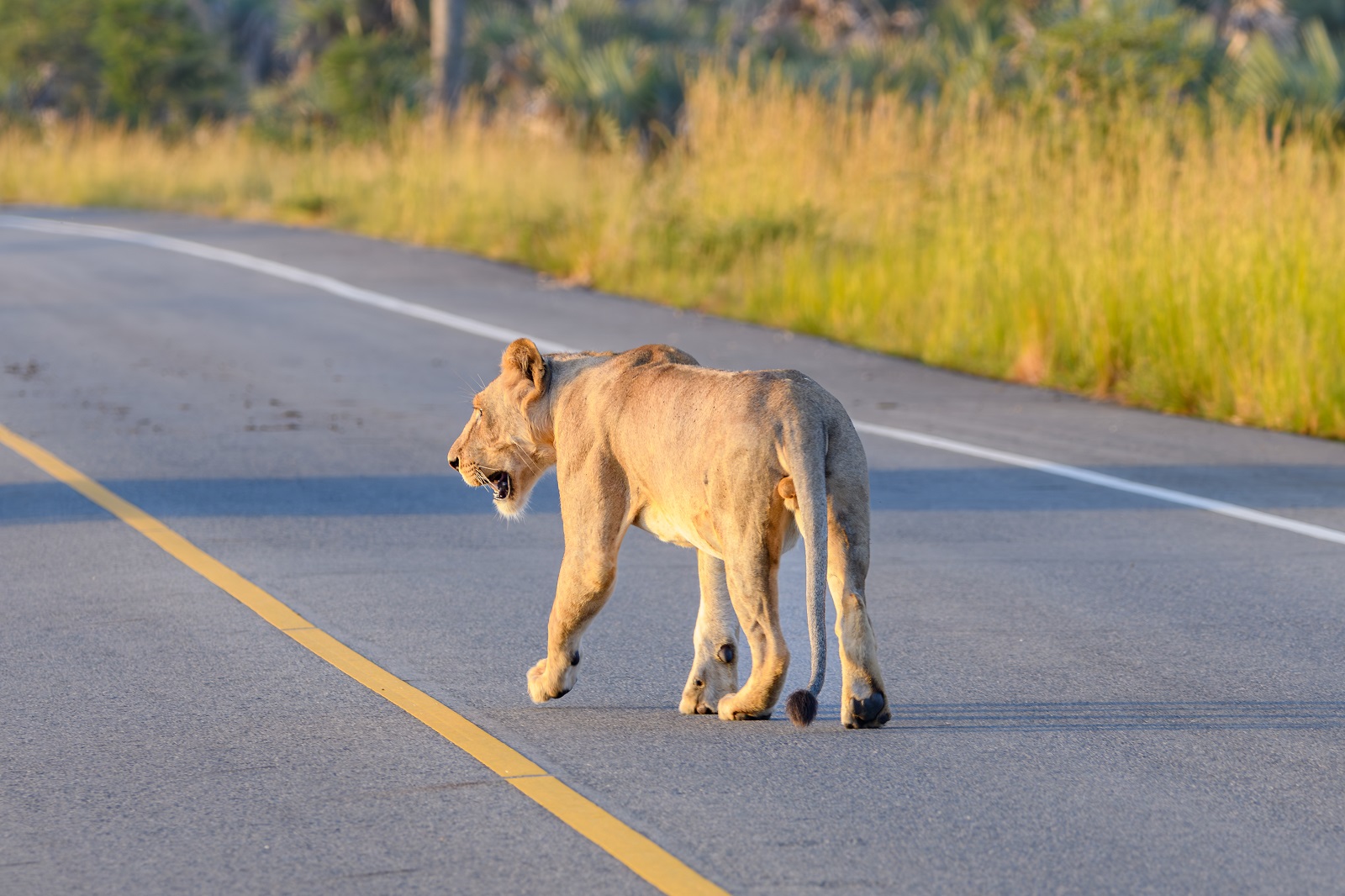
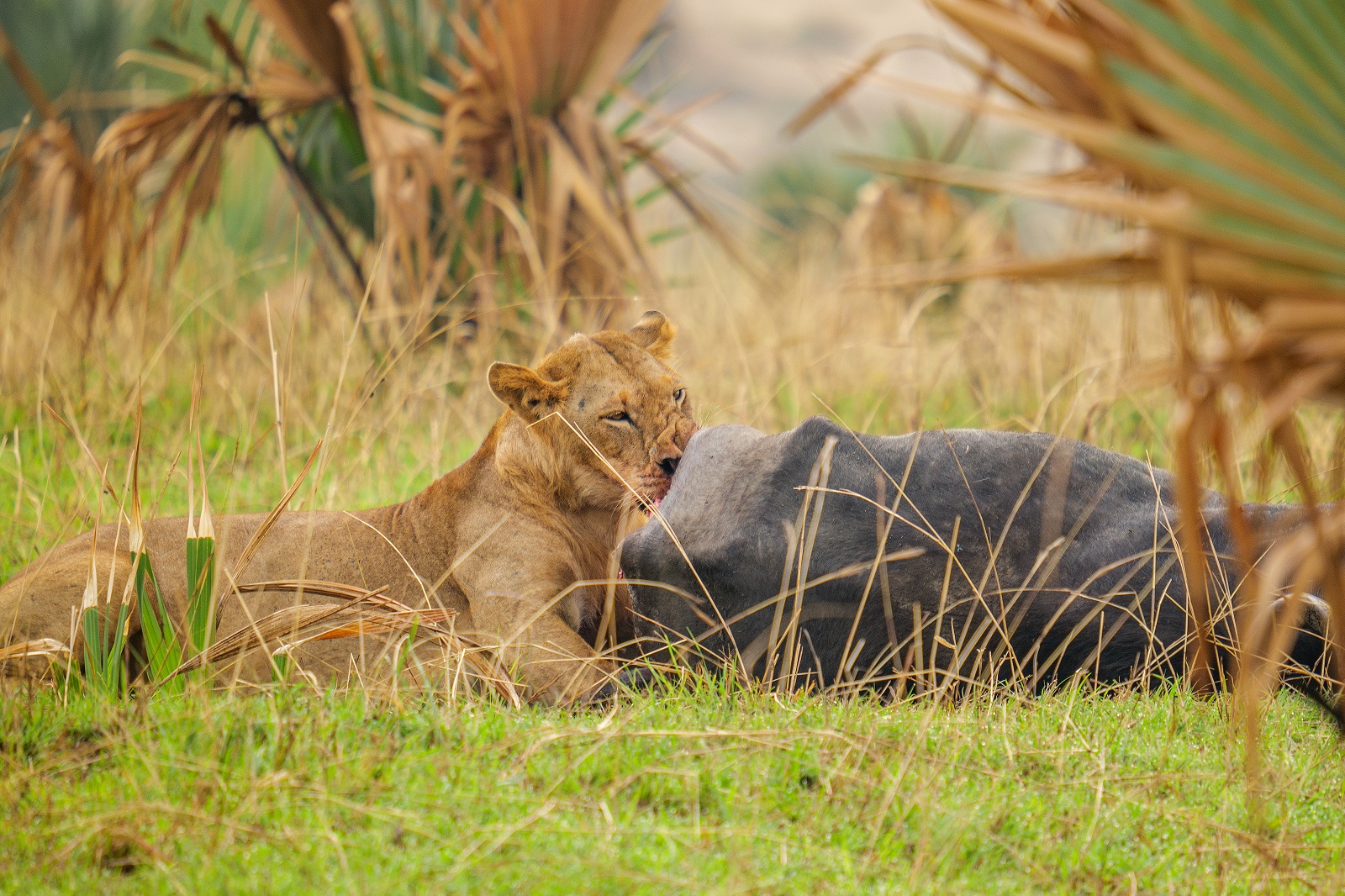
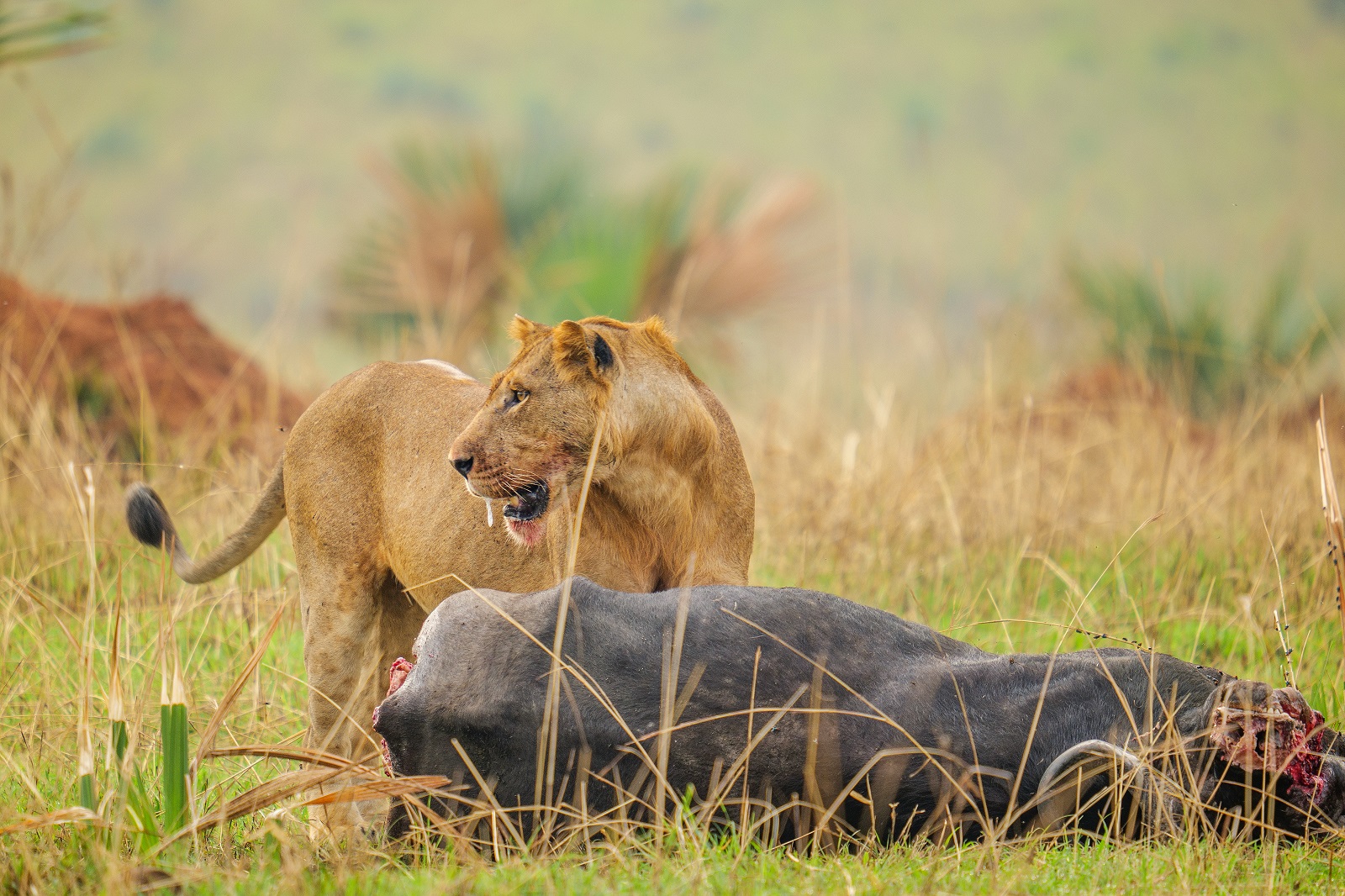
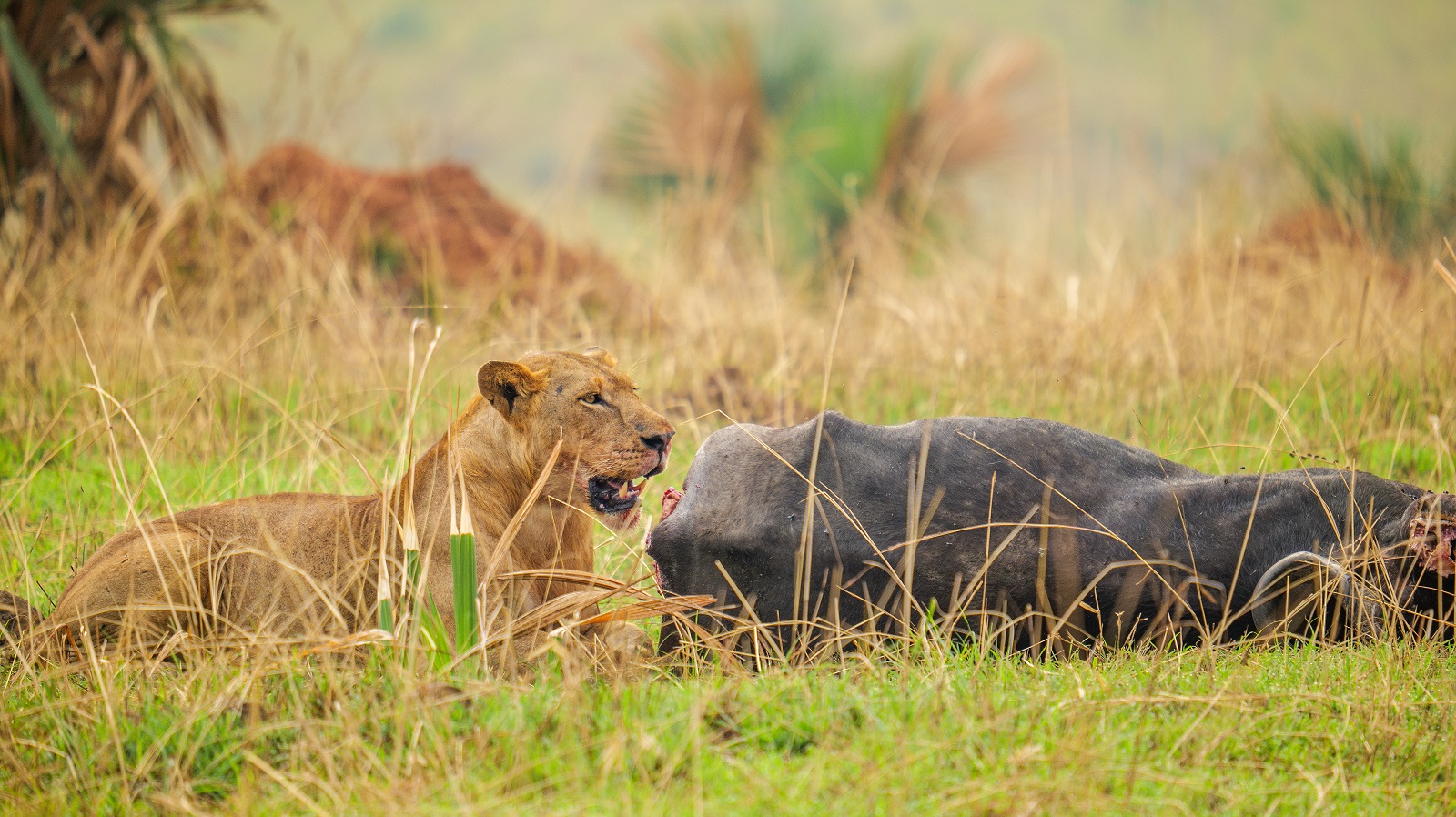
Then there is the lion, photographed beside a kill. It is not necessarily the kind of image everyone would choose to put on a wall, but it is an honest one. Predation is part of how ecosystems function, and wildlife photography sometimes requires us to accept the less comfortable parts of nature alongside the beautiful ones.
That is where documentary photography becomes particularly valuable.
Uganda’s biodiversity extends well beyond the animals that tend to dominate safari conversations. The country’s protected areas include savannahs, forests, wetlands, mountains and other habitats, supporting a wide range of mammals, birds and other species. Uganda Wildlife Authority manages national parks including Murchison Falls, Queen Elizabeth, Kidepo Valley, Lake Mburo, Bwindi, Kibale, Semuliki, Rwenzori, Mount Elgon and Mgahinga.
Each of these environments has its own character, and the species within them are constantly responding to one another and to their surroundings.
This is why good wildlife photography requires more than knowing how to operate a camera, but observation too. You need to understand the behaviour of the subject, pay attention to what is happening around it and, often, spend a considerable amount of time doing nothing at all.
Additionally, there is a temptation in wildlife photography to think about the photograph first: the composition, the light, the angle, the moment that will make the strongest image.
But there is another consideration that has to come before all of those, and that is the animal.
We must always keep at the back of our minds that a wild animal is not a model, and its behaviour should not be changed to improve a photograph. If an elephant changes direction, you allow it to move. If a lion settles down and stops doing whatever made the scene interesting in the first place, you wait. If a buffalo becomes uncomfortable with your presence, you create distance.
That sounds simple, but it matters.
The more time you spend around wildlife, the more you begin to recognise that some of the best photographs happen precisely because the photographer has allowed the situation to unfold without interference. You are not arranging the scene. You are responding to it.
Mara Mambo’s approach to wildlife and conservation photography is built around that responsibility. The company places animal welfare, respect for habitats and ethical field practice at the centre of its conservation filmmaking work.