When to Use Drone Footage in Your Project

default

Aerial perspectives have transformed the way stories are told on screen. A single sweeping shot can establish a location, convey scale, and lend a production the kind of polish that once required helicopters and large budgets. Yet not every project benefits from going airborne. Knowing when to lift off — and when to keep your camera grounded — is what separates footage that elevates a project from footage that merely fills time. This guide walks through the strongest use cases for drone videography Uganda clients ask us about, the moments when aerial work is the wrong tool, and the creative, technical and safety considerations that shape every flight.

Where Aerial Footage Genuinely Adds Value

Drones shine when height, scale or movement reveals something the eye cannot otherwise grasp. If an aerial shot answers a question your audience is already asking — where is this? how big is it? how does it all connect? — it is usually worth flying.

Establishing shots

The classic use case. An opening aerial frame orients viewers instantly, setting the geography and mood before a single word is spoken. A slow rise over Kampala’s rooftops or a gentle push across a rural landscape gives a film context and a sense of place that ground-level footage struggles to match.

Real estate and infrastructure

Property and infrastructure are among the most reliable beneficiaries of aerial coverage. Drones show a home’s full plot, its proximity to roads and amenities, and the surrounding neighbourhood in a way listing photos cannot. For developments, bridges, roads and large facilities, an overhead view communicates scope and layout to investors and stakeholders at a glance.

Events

Festivals, conferences and sporting occasions all gain energy from a wide aerial reveal. A drone can capture the scale of a crowd, the sweep of a venue, or a couple framed against a dramatic backdrop. Used sparingly, these shots become the memorable bookends of an event film.

Conservation and landscape

Uganda’s wetlands, forests, lakes and rolling hills are made for aerial storytelling. For conservation campaigns, tourism promotion and documentary work, the drone reveals patterns in the land — the curve of a river, the boundary of a forest, the texture of a tea estate — that ground cameras simply cannot frame.

Agriculture

Farms and plantations benefit from both the beauty and the utility of aerial work. A high vantage point documents crop coverage, field boundaries and irrigation layout, supporting everything from promotional material to practical assessment of how land is being used.

Construction progress

For ongoing builds, periodic aerial captures create a clear visual record of progress over time. Repeating the same flight path across weeks or months produces a consistent series that is invaluable for reporting to clients, documenting milestones, and marketing the finished project.

When Not to Use Drone Footage

Aerial footage is a tool, not a default. Reaching for it reflexively can waste budget and weaken a film. Consider keeping the drone in its case when:

  • The story is intimate. Interviews, product close-ups, portraits and emotional moments live at human eye level. An aerial cutaway here breaks the connection rather than building it.
  • The location is visually flat. If there is no scale, pattern or movement to reveal from above, an aerial shot adds nothing and can look like filler.
  • The environment is restricted or unsafe. Crowded indoor spaces, sensitive sites, or areas where flight is not permitted are non-starters, regardless of how good the shot might look.
  • Conditions work against you. High wind, rain or poor light will compromise quality, and forcing a flight risks both equipment and footage.
  • Ground coverage tells it better. Sometimes a well-composed handheld or tripod shot simply communicates more clearly. Use the drone to complement, not replace, strong ground work.

Creative Considerations

Great aerial footage is intentional. Before flying, we plan how each shot serves the edit. A few principles guide that planning:

  • Motivation. Every aerial move should have a reason — to reveal, to transition, to establish. Movement for its own sake quickly feels gimmicky.
  • Pace. Slow, deliberate movements read as cinematic; fast, jerky ones read as amateur. Matching the pace of a flight to the tone of the project matters enormously.
  • Composition. The rules of framing still apply at altitude. Leading lines, symmetry and the rule of thirds are often more powerful from above.
  • Integration. Aerial shots should sit naturally alongside ground footage. Planning the two together, rather than treating the drone as an afterthought, produces a seamless final film.

This thinking sits at the heart of our drone photography and videography work, where each flight is designed around the story rather than the other way round.

Technical and Site Considerations

The conditions on the ground — and in the air — determine what is achievable on any given day. We assess each of these before committing to a shoot.

Weather and light

Wind is the single biggest variable for aerial work; gusty conditions affect stability and footage quality. Rain and heavy cloud limit both safety and visibility, while the soft light of early morning and late afternoon flatters landscapes far more than harsh midday sun. Building flexibility into the schedule lets us fly when conditions are right.

Site and access

Every location brings its own constraints: proximity to buildings, trees and people, available take-off and landing space, and the presence of obstacles such as power lines. A short site assessment ahead of the shoot helps us plan flight paths that are both safe and productive.

Coordinating with ground work

Aerial and ground capture share time, light and crew attention. Scheduling them thoughtfully — and pairing drone coverage with our broader photography services — ensures one discipline never compromises the other and that the final project feels cohesive.

Safety and Authorisation

Responsible aerial work begins long before the propellers spin. Drone and UAV operations in Uganda require proper authorisation, and operators should hold the necessary permits from the Uganda Civil Aviation Authority (UCAA). Because requirements can change, we always advise confirming the current regulations directly with the authority before any flight is planned.

Beyond paperwork, safe operation means respecting people and property on the ground, maintaining clear sightlines, avoiding sensitive areas, and being willing to call off a flight when conditions or surroundings make it unwise. Professional operators treat safety as a precondition, not an inconvenience — and that discipline protects your project, your people and the public.

Bringing It Together

The best aerial footage feels inevitable: it shows you something you needed to see, at exactly the right moment, and then steps aside. Use the drone when scale, geography or movement strengthens the story; leave it grounded when intimacy, restriction or weather argue against it. Combined with thoughtful planning and disciplined safety, that judgement is what turns a striking shot into a meaningful one.

Thinking about an aerial perspective for your next production? We would love to help you decide whether — and how — to add aerial coverage that genuinely elevates your project. Get in touch and let us plan something memorable together.
How NGOs Use Video to Show Donors Real Impact

Education Sector Photography 8

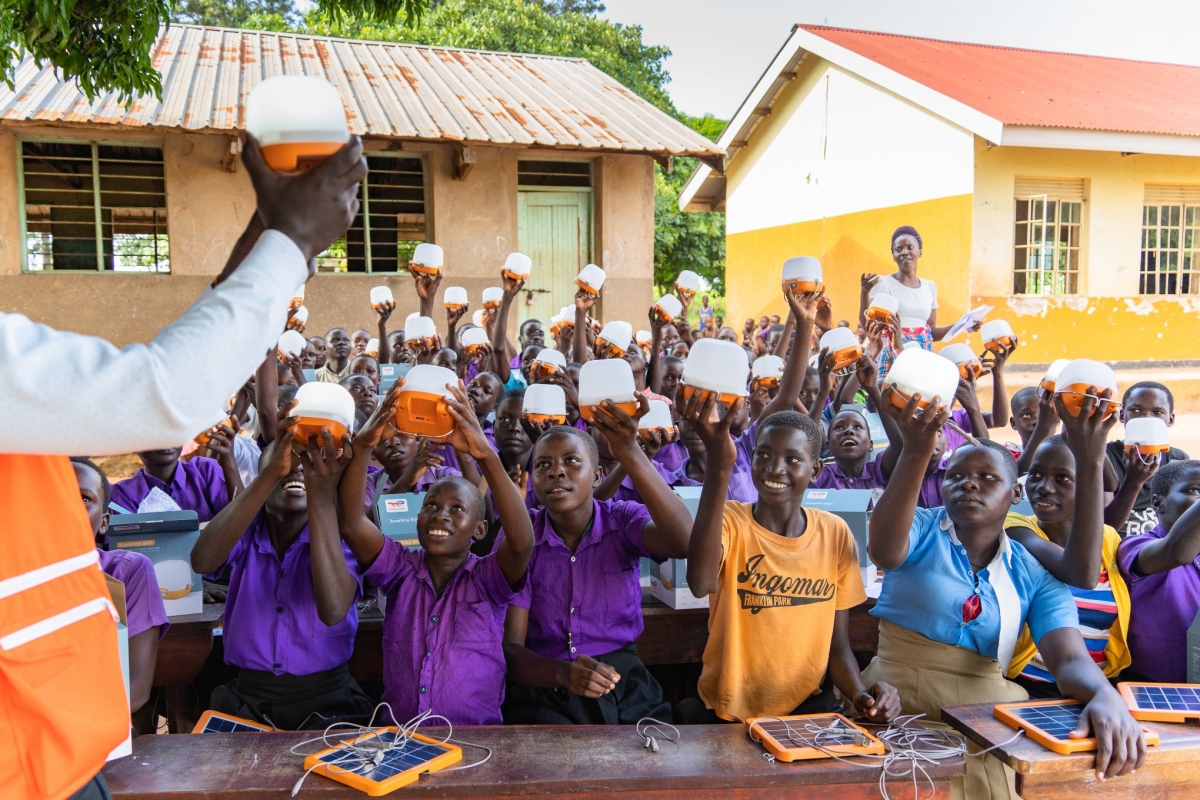
For non-profits and development partners, communicating impact is one of the hardest parts of the work. Reports and spreadsheets capture results, but they rarely capture the human reality behind those numbers. This is where video changes everything. Thoughtful video production lets donors see, hear, and feel the difference their support makes, turning abstract outcomes into stories they remember and want to keep funding.

At Mara Mambo Media in Ntinda, Kampala, we work alongside NGOs and development organisations across Uganda and East Africa to produce content that respects beneficiaries and speaks clearly to funders. This guide explains how NGO video production in Uganda works in practice, and how to do it well.

Why Video Beats Text for Showing Impact

Donors are people first. They respond to faces, voices, places, and movement in ways that written reports cannot replicate. Video carries emotional truth alongside factual evidence, and that combination is persuasive.

  • It builds trust. Seeing a real beneficiary in their own environment is far more credible than a paragraph describing them.
  • It compresses complexity. A short film can show a programme’s context, activity, and outcome in a few minutes, where text might take many pages.
  • It travels. The same footage can move across a website, a donor presentation, a social feed, and an annual gathering.
  • It lasts. A well-made film keeps working for years, introducing your mission to new supporters long after it was shot.

The Main Types of NGO Impact Video

Different goals call for different formats. Most organisations end up using a mix, often produced from a single field shoot.

Impact stories

Short narrative films that follow one person, family, or community through a problem and the change your programme helped create. These are your flagship pieces for fundraising and donor reporting.

Beneficiary testimonials

Direct, first-person accounts from the people your work serves. Honest and unscripted, they offer evidence that your interventions matter to the people they are designed for.

Field documentaries

Longer-form documentary photography and film that explores a programme, region, or issue in depth. These suit major donors, advocacy campaigns, and milestone moments where context and nuance matter.

Annual-report videos

A concise summary of a year’s work, mapped to your goals and results. These pair naturally with written reports and give boards and funders a clear, engaging overview.

Social cuts

Short vertical edits built for mobile feeds. They extend the reach of a single shoot, drawing new audiences toward your fuller stories and campaigns.

Planning Around Your Results Framework

The strongest NGO videos are planned, not improvised. Before any camera is switched on, we align the production with your logframe, theory of change, or results framework so the footage actually evidences what you need to report.

  1. Define the message. What single outcome or change should a viewer understand and feel?
  2. Map to indicators. Identify which activities, outputs, and outcomes the video should make visible.
  3. Choose contributors. Decide who can speak credibly to that change, from beneficiaries to field staff and local partners.
  4. Agree the deliverables. Confirm the formats and lengths up front so one shoot serves several needs.

This discipline keeps the final film tightly connected to your reporting obligations rather than producing footage that looks good but proves little.

Ethical, Dignified Storytelling

How you tell a story matters as much as the story itself. The people in your films are not props for fundraising; they are partners whose dignity comes first. We hold to a few firm principles.

  • Informed consent always. Every contributor should understand who will see the video, where it will appear, and how it may be used, and should agree freely before filming. Consent can be withdrawn, and that choice must be respected.
  • Agency over portrayal. People should be shown as active participants in their own lives, not passive recipients of charity. Avoid imagery that reduces a person to their hardship.
  • Accuracy without exploitation. Tell the truth of a situation without exaggerating suffering for effect. Honest stories are more powerful and more responsible.
  • Care with children and sensitive subjects. Filming children, survivors, or people in vulnerable circumstances calls for extra safeguards, guardian consent, and a willingness to step back when filming is not appropriate.

Dignified storytelling is not only the right thing to do; it protects your organisation’s reputation and reflects the values donors expect you to uphold.

Working in the Field

Filming in real communities brings practical and human challenges. Good field production is built on respect, preparation, and flexibility.

  • Work through trusted relationships. Coordinating with local staff and community leaders builds rapport and helps people feel comfortable on camera.
  • Plan for the conditions. Travel times, power, weather, and language all shape what is achievable in a day, so realistic scheduling matters.
  • Capture sound and detail. Clear audio, ambient texture, and observational moments are what make a film feel alive and authentic.
  • Be a respectful guest. Move at the community’s pace, explain what you are doing, and never let the camera get in the way of someone’s daily life.

Repurposing Footage for Long-Term Value

A single field shoot is a significant investment, and it should keep paying off. From one production you can build a flagship impact story, several testimonials, social cuts, an annual-report segment, and a library of clips and stills for future use.

Planning for this from the start means capturing extra interviews, broader coverage, and clean B-roll while the team is on location. Months later, that material becomes new content for campaigns, proposals, and reports without the cost of returning to the field. Treating footage as a long-term asset is one of the most cost-effective decisions an NGO can make.

Turning Impact Into Stories Donors Remember

Video gives your work a voice and a face. Done with care, it honours the people you serve, evidences the change you create, and gives donors a reason to stay invested in your mission. The result is communication that informs, moves, and endures.

If your organisation is ready to show donors the real difference their support makes, our team in Kampala is here to help you plan, film, and craft it with skill and integrity. Commission an impact film with Mara Mambo Media and let us help you tell your story honestly and powerfully.

A Pre-Production Checklist for a Great Brand Film

Mara Mambo Team

A brand film rarely succeeds or fails on the day of the shoot. It succeeds or fails in the weeks before, when the goals are clarified, the message is sharpened and the logistics are nailed down. The most polished footage in the world cannot rescue a video that was never clear about what it wanted to say or who it wanted to reach. That is why thoughtful preparation matters so much, and why every organisation we work with benefits from a structured video pre-production checklist before a single camera is switched on.

This guide walks you through the essential planning steps for a corporate or brand film, drawing on the way we prepare projects for corporates, NGOs and development partners across Uganda and East Africa. Use it as a working document. Tick items off as you go, and you will arrive at your shoot calm, organised and ready.

Start With the Goal and the Brief

Before anything else, agree on why the film exists. A brand film for an investor pitch is very different from a recruitment video, a donor report or a social media teaser. Get the purpose in writing so everyone shares the same destination.

  • State the single most important outcome you want the film to achieve.
  • Define one primary call to action for viewers, whether that is to donate, apply, visit or enquire.
  • Note where the film will live: website, YouTube, conference screens, social platforms or internal channels.
  • Decide on the final running length and the formats and aspect ratios you will need.
  • Agree who the final decision-maker is, so approvals do not stall later.

Define Your Audience and Core Message

A film that speaks to everyone usually moves no one. Picture the specific people you want to reach and shape the message around them.

  • Describe your primary audience: their role, their priorities and what they already think about your organisation.
  • Write the one sentence you want a viewer to remember afterwards.
  • List up to three supporting points, and be ruthless about cutting the rest.
  • Decide on the tone: warm and human, confident and corporate, urgent and mission-driven.

Align the Budget Early

Budget is not the enemy of creativity; it is the boundary that makes good decisions possible. Settle it early so the creative plan is realistic from the start.

  • Confirm the total available budget and what it must cover, including post-production and revisions.
  • Identify the costs that move the needle most for your story, such as filming days, talent or locations.
  • Set aside a contingency for weather, travel and the unexpected.
  • Clarify what is included in your quote and what would count as an additional cost.

Develop the Script and Storyboard

This is where the abstract becomes concrete. A script and a simple storyboard let you see the film before you spend money making it, and they are far cheaper to change on paper than on location.

Scripting

  • Draft the narration or interview structure that carries your core message.
  • Keep sentences short and natural; people watch films, they do not read essays aloud.
  • Mark where music, captions or on-screen text will reinforce key points.

Storyboarding

  • Sketch the key scenes in sequence, even rough boxes will do.
  • Note the type of shot for each scene: wide establishing shots, mid shots, close-ups or cutaways.
  • Identify the b-roll you will need to illustrate the narration.

Scout Locations and Secure Permissions

Locations carry meaning, and they also carry practical risks. Visit them in advance wherever possible rather than discovering problems on the shoot day.

  • Check natural light at the time of day you plan to film, and note any harsh midday sun or fading evening light.
  • Listen for background noise such as traffic, generators, air conditioning or nearby construction.
  • Confirm access to power, parking, shade and a quiet space for interviews.
  • Obtain written permission from property owners or facility managers, and ask about any filming rules on site.
  • For public spaces, confirm whether a permit is required and allow time to arrange it.

Build the Schedule

A clear schedule protects your budget and everyone’s energy. Film days are long, so plan them with care.

  • Set the shoot date with a backup option in case of rain or illness.
  • Block out the day hour by hour, including setup, breaks and travel between locations.
  • Sequence scenes to minimise moving heavy equipment back and forth.
  • Build in buffer time, because interviews and setups almost always run longer than expected.

Prepare Talent and Interviewees

The people on camera carry your story. A little preparation turns nervous participants into confident, natural contributors.

  • Confirm who will appear and brief them on the topics, never the exact words.
  • Share guidance on what to wear, favouring solid colours over busy patterns.
  • Collect signed consent and release forms from everyone who appears on camera.
  • Prepare interview questions in advance and share themes so people can gather their thoughts.
  • Plan a quiet warm-up chat to settle nerves before recording begins.

Create the Shot List

The shot list is your insurance against arriving home with gaps. It translates the storyboard into a checklist your crew can work through methodically.

  1. List every shot you must capture, marking the essential ones as priorities.
  2. Group shots by location and setup to film efficiently.
  3. Note any specific angles, movements or details the client has requested.
  4. Leave room for spontaneous moments, which often become the most memorable footage.

Confirm the Logistics

Small oversights cause big delays on a shoot day. Run through the practical details so nothing is left to chance.

  • Check and pack all equipment, with spare batteries, memory cards and audio kit.
  • Arrange transport, catering and water for the crew and participants.
  • Share contact details and a call sheet with everyone involved.
  • Confirm data backup plans so footage is safe before you leave the location.
  • Review safety considerations, especially when filming near roads, machinery or crowds.

Lock Down Approvals

Approvals decided early prevent painful reshoots and budget overruns later. Make sure everyone with a say has given it before filming.

  • Get sign-off on the script, storyboard and shot list from your decision-maker.
  • Agree the number of revision rounds included in the project.
  • Confirm brand assets such as logos, colours, fonts and approved messaging.
  • Clarify how and when feedback will be given during editing.

Turning the Checklist Into a Great Film

A pre-production checklist is not bureaucracy for its own sake. It is the quiet, unglamorous work that makes the shoot day feel effortless and the finished film feel inevitable. When the brief is clear, the message is sharp and the logistics are settled, your video production team can focus entirely on capturing the moments that matter rather than firefighting avoidable problems.

If you would like to see how this planning fits into the bigger picture, take a look at our production process, which carries a project from first conversation through to final delivery. Each stage builds on the careful groundwork laid in pre-production, and the result is a brand film that genuinely reflects your organisation and speaks to the people you most want to reach.

Ready to bring your brand story to life? Whether you are planning a corporate profile, a donor report or a recruitment film, our team in Ntinda, Kampala is here to help you plan every detail with confidence. Plan your project with us and let us turn your goals into a film your audience will remember.

How Much Does Corporate Video Production Cost in Uganda?

Corporate video production cost uganda — Mara Mambo Media

One of the first questions every business, NGO or development partner asks when planning a film is simple: how much will it cost? It is a fair question, but the honest answer is rarely a single number. Corporate video is not an off-the-shelf product with a fixed price tag; it is a tailored service shaped by what you want to achieve, how you want it to look, and where and how it will be filmed. Understanding the factors behind corporate video production cost in Uganda helps you plan a realistic budget, compare proposals fairly, and get genuine value for your investment.

At Mara Mambo Media, we believe in transparency about why prices differ rather than pretending there is a universal rate. Below, we break down the main drivers of cost so you can approach your next project with confidence.

Project Scope and Objectives

Everything starts with scope. A short social media clip, a polished brand film, a multi-part training series and a documentary about a conservation programme are entirely different undertakings, even though all of them are “videos.” Before any figure can be discussed, we need to understand your objectives: who the audience is, where the video will be shown, how long it should be, and what action you want viewers to take.

A clear brief almost always leads to a more accurate and efficient quote. When goals are vague, productions tend to expand mid-project, which adds time and cost. Defining the scope early is the single most effective way to keep a budget under control.

Shoot Days and Scheduling

The number of filming days is one of the largest cost factors in any production. Each shoot day involves crew time, equipment, transport, and often catering and logistics. A single-day interview shoot at one office is far simpler than a five-day schedule covering multiple districts, field sites and stakeholder interviews.

Scheduling complexity matters too. Filming across several locations, coordinating with busy executives, or capturing time-sensitive events such as conferences and field activities all influence how many days are required and how tightly they must be planned.

Crew Size and Expertise

A lean production might involve a single videographer who also handles sound and lighting. A larger corporate or broadcast-quality project may require a director, camera operators, a sound engineer, lighting technicians, a production assistant and a drone pilot. Each role adds value and cost.

Experience also plays a part. Seasoned professionals work faster, anticipate problems, and consistently deliver a higher standard, which often reduces costly reshoots. You can learn more about the range of capabilities we offer on our video production services page.

Equipment and Technical Requirements

The gear a project demands has a direct impact on price. Considerations include:

  • Cameras and lenses — from compact setups to cinema-grade systems.
  • Lighting — essential for interviews, indoor scenes and a professional look.
  • Audio equipment — clean sound is non-negotiable for corporate and interview content.
  • Aerial filming — drones add stunning perspectives but require specialist equipment and licensed operators.
  • Stabilisers and specialist rigs — for smooth movement and dynamic shots.

Higher production values require more sophisticated equipment, which is reflected in the overall investment.

Location and Travel

Where filming takes place matters enormously in a country as geographically varied as Uganda. A shoot within Kampala carries different logistics from one in a national park, a remote rural community or across the border in the wider East African region. Travel time, fuel, accommodation, per diems and permits all factor in.

Conservation and development projects often involve hard-to-reach field sites, which require careful planning around access, weather and safety. These considerations are part of delivering quality work in challenging environments, and they legitimately affect cost.

Scripting, Concept and Pre-Production

Strong videos are built long before the camera rolls. Scripting, storyboarding, concept development, casting, location scouting and scheduling all form part of pre-production. A clear creative plan saves time on set and produces a sharper final film.

Projects that need original scripting, professional voiceover, presenters or actors will carry more pre-production cost than a straightforward interview-led piece. Investing here usually pays off in a more compelling result. You can see how we approach this in our production process.

Animation, Graphics and Motion Design

Many corporate and NGO videos benefit from motion graphics, animated explainers, data visualisations, lower-thirds and branded titles. Animation is highly effective for explaining complex ideas, presenting statistics, or telling a story when live footage is not available.

However, animation and custom graphics are labour-intensive and specialised. The more detailed and bespoke the visuals, the more design time they require. A few simple titles are inexpensive; a fully animated explainer is a significant creative undertaking in its own right.

Post-Production and Editing

Editing is where raw footage becomes a finished story, and it is often underestimated. Post-production can include:

  • Logging and selecting footage
  • Story editing and pacing
  • Colour grading
  • Sound design, mixing and music licensing
  • Subtitles, captions and translation
  • Graphics and final delivery formatting

The complexity of the edit, the volume of footage, and the level of polish required all shape how much time this phase takes.

Number of Deliverables and Revisions

A common misunderstanding is that a project produces just one video. In reality, many clients need a main film plus several adaptations: shorter cuts for social media, vertical versions for mobile, trailers, and clips tailored to different platforms. Each deliverable involves additional editing time.

The number of revision rounds also matters. A reasonable number of edits is standard, but extensive changes beyond the agreed scope add work. Clarifying deliverables and revisions upfront keeps expectations and budgets aligned.

Licensing, Usage and Rights

How and where you intend to use a video can affect cost. Licensed music, stock footage, professional voiceover talent and on-screen presenters may all carry usage rights. Broad usage — such as paid advertising, broadcast or long-term campaigns — sometimes requires wider licensing than internal or single-platform use.

Why a Tailored Quote Is the Only Honest Answer

Because every project combines these factors differently, any company quoting a flat price without understanding your needs is guessing. A tailored quote reflects your specific objectives, locations, timeline and deliverables, ensuring you pay for exactly what your project requires — no more, no less.

A good production partner will take time to understand your goals, suggest the most cost-effective approach, and be transparent about where your budget is going. That conversation is the real starting point for any successful film.

Let’s Plan Your Project

If you are budgeting for a corporate, NGO, government or conservation video in Uganda or across East Africa, the best next step is a simple conversation about what you want to achieve. Tell us your goals, audience and timeline, and we will help you shape a realistic plan. Request a tailored quote from Mara Mambo Media today, and let us bring your story to life.

Mara Mambo Media

Mara Mambo Media is a team of young, creative, and versatile production professionals driven by passion and precision. We stand among Uganda’s leading media production companies, mastering the art and trade of videography, photography, and 3D animation.

At our core, we are storytellers. We believe in the power of human narratives — stories that inform, entertain, educate, and inspire. Every idea we craft begins with your story. From that story, we design compelling visual experiences that move people and meet the unique purpose of your brand or audience.

Mara Mambo Media was founded on a simple yet profound belief:
that media — whether visual, audio, or artistic — needed a new lens, a fresh perspective, and a deeper purpose. We represent that shift. Our work embodies transformation, creativity, and authenticity.

Our name, Mara Mambo, draws inspiration from the breathtaking beauty of the Masai Mara — a place of color, wonder, and life. From that inspiration, we visualize stories that mirror the magic of our clients’ ambitions.

Our team combines over eight years of professional experience across multiple disciplines. We bring together diverse talents — men and women who are qualified, imaginative, and relentlessly committed to quality. For every project, we invest time in strategic planning, detailed execution, and uncompromised standards. We never cut corners. We go beyond expectations.

Through every production — big or small — we deliver value, creativity, and reliability. We work longer, think deeper, and move faster because we care about our clients’ stories and the impact they make.

At Mara Mambo Media, we don’t just produce content — we craft experiences that change, transform, and connect.