Why Human Stories Are the Most Powerful Form of Communication

As human beings, we are surrounded by information. Every day.

We have News headlines competing for our attention. And we are scrolling social media feeds endlessly. We open YouTube to simply watch one video, and are bombarded with a ton of advertisements promising better lives. 

Statistics will tell us what happened, and the reports will explain why.

Yet despite the sheer volume of information, it’s often a single human story that stays with us long after we’ve forgotten the numbers. I have your attention, yes?

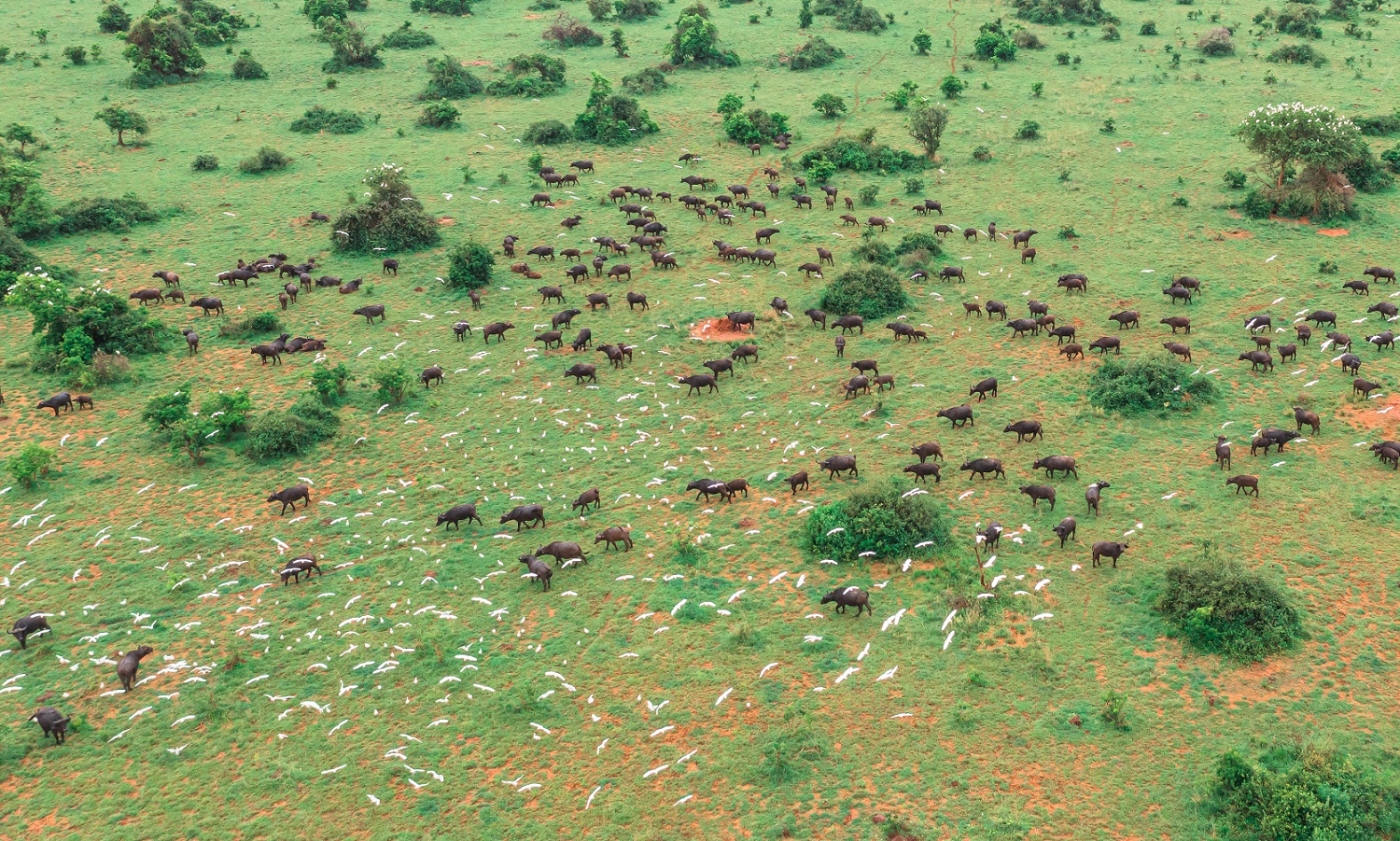
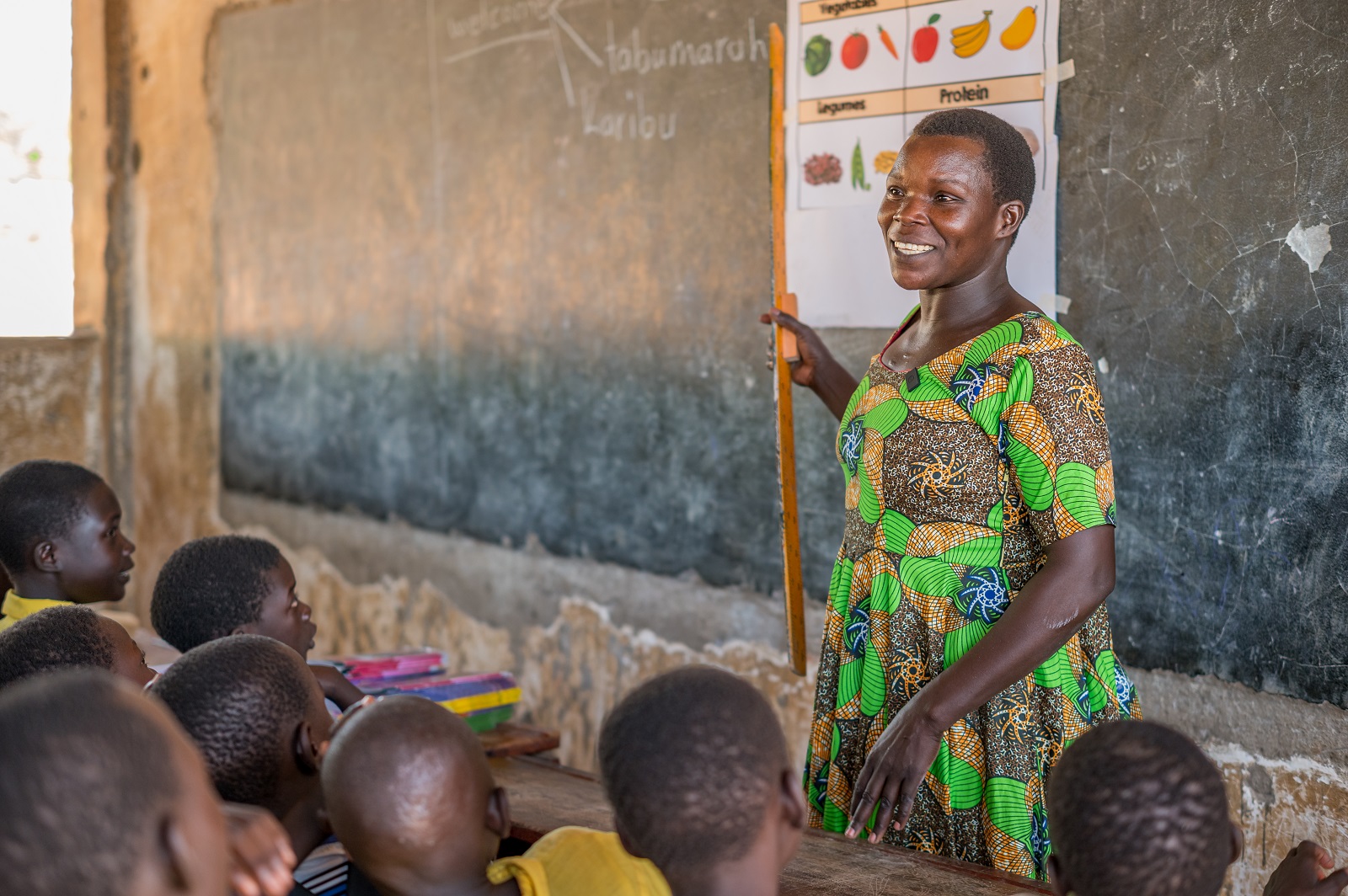
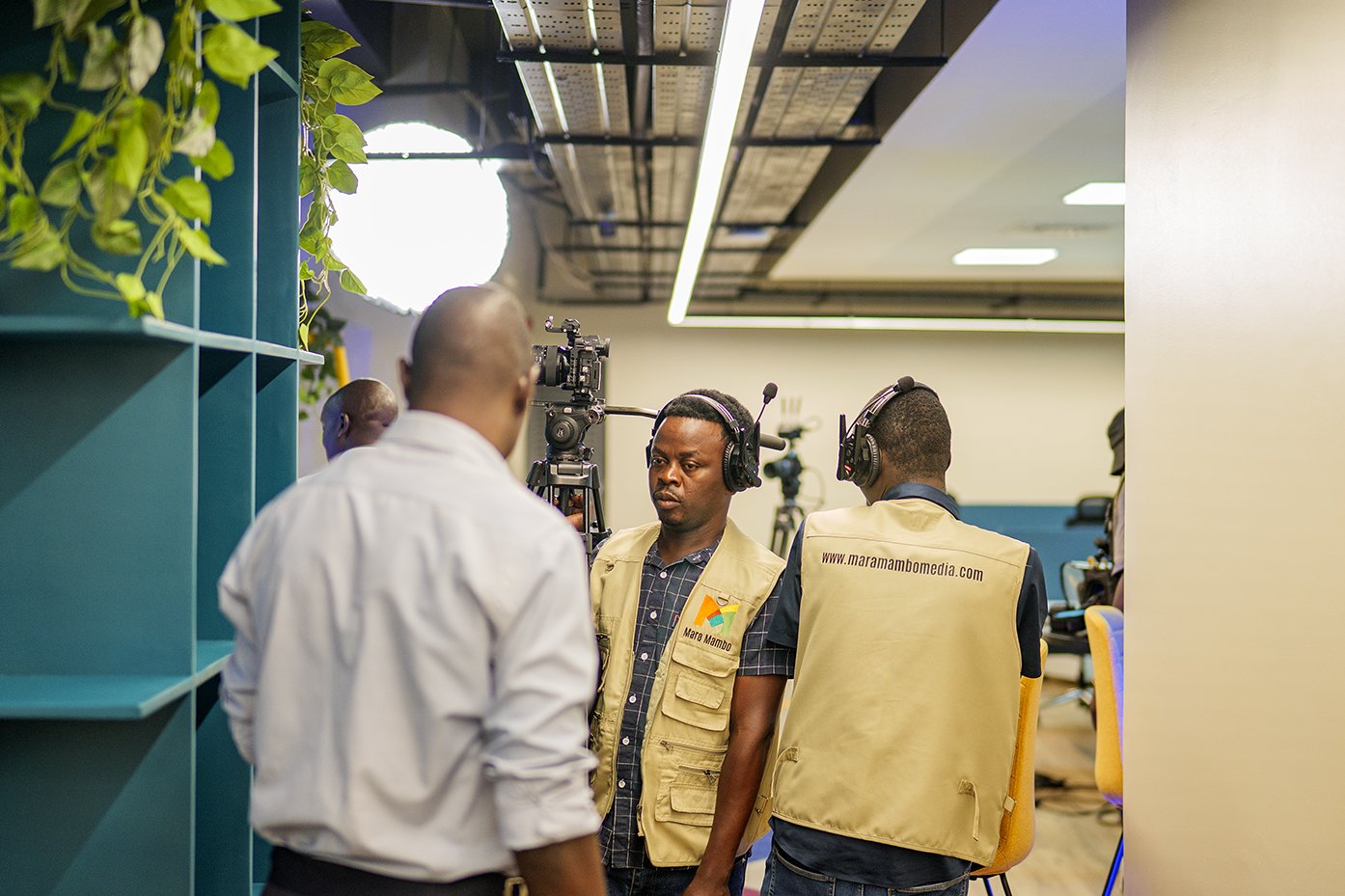
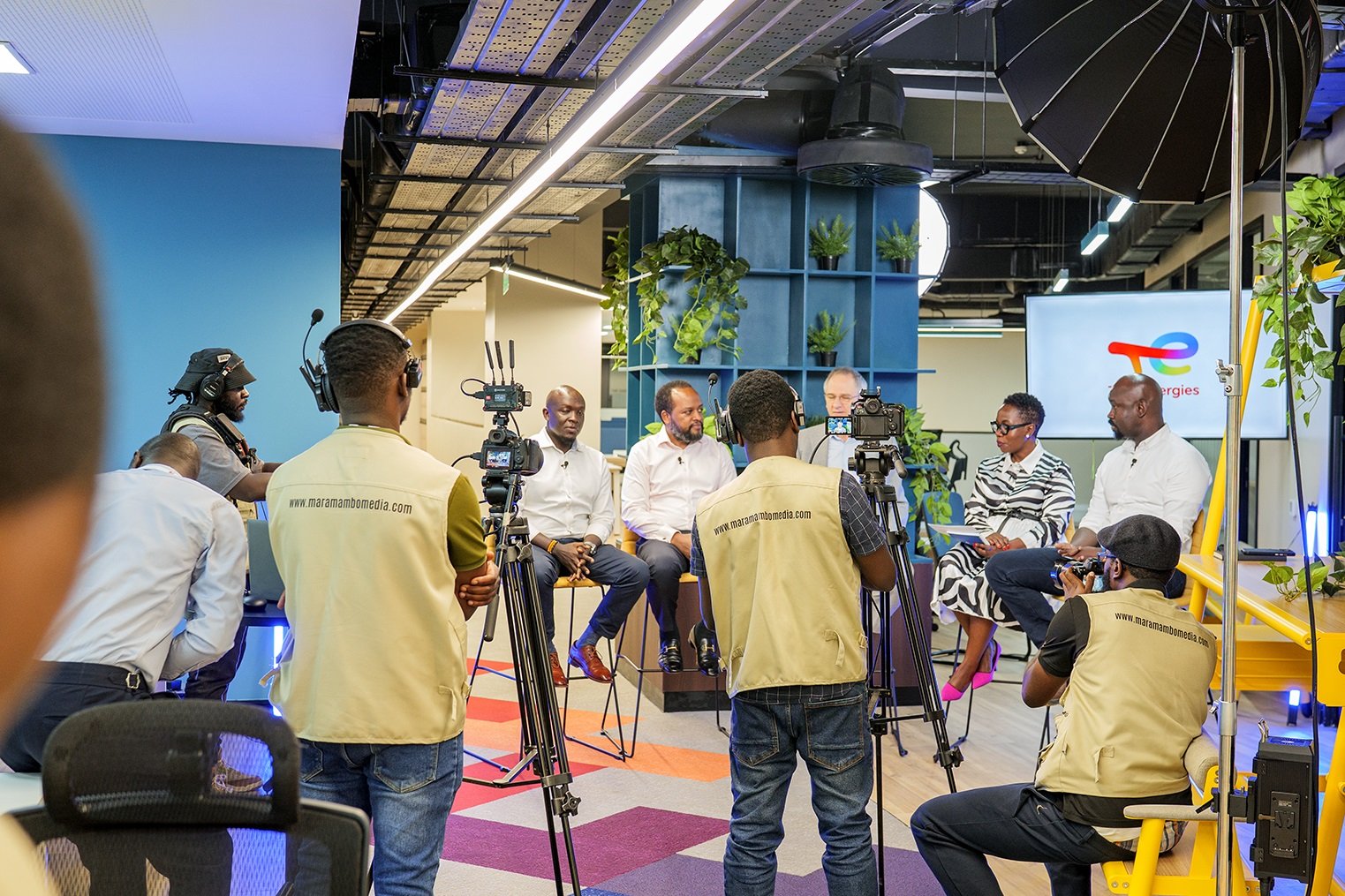
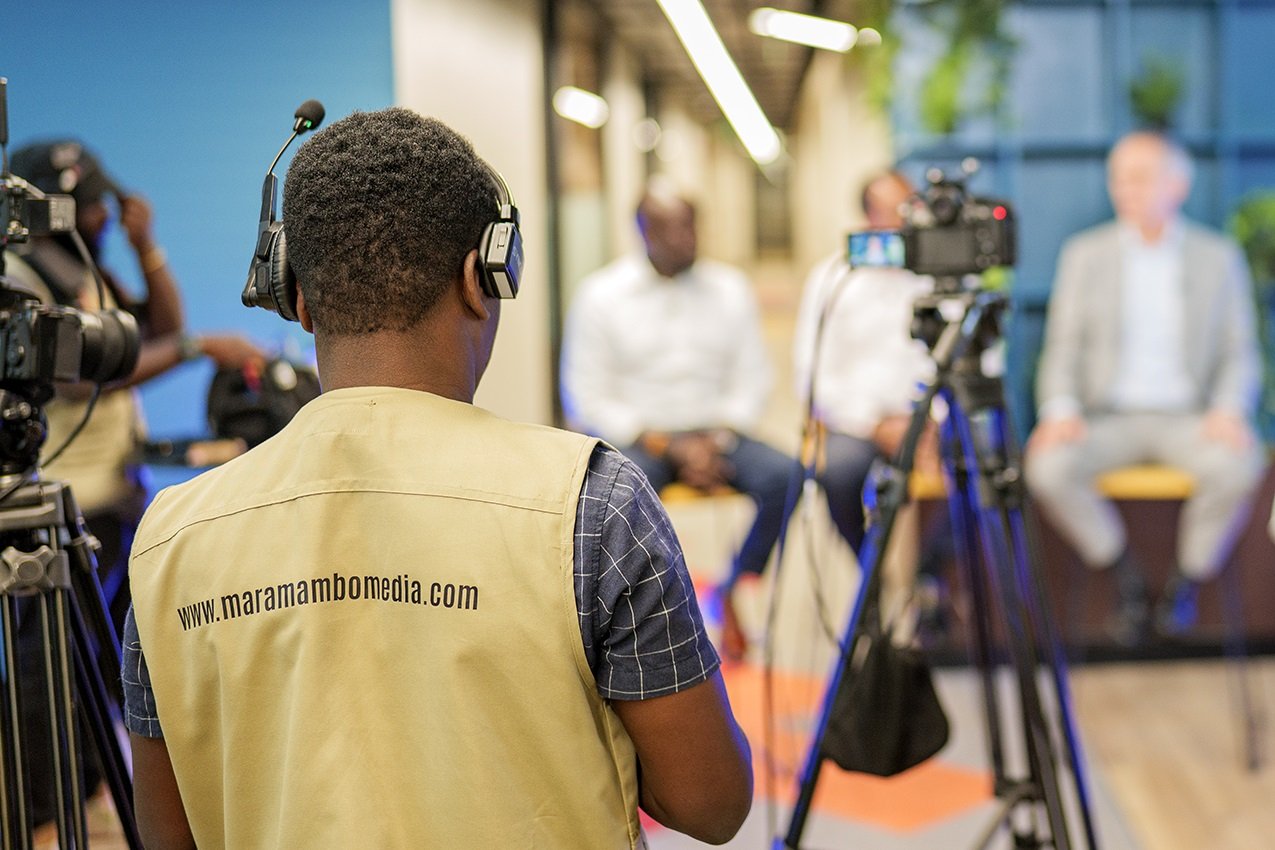
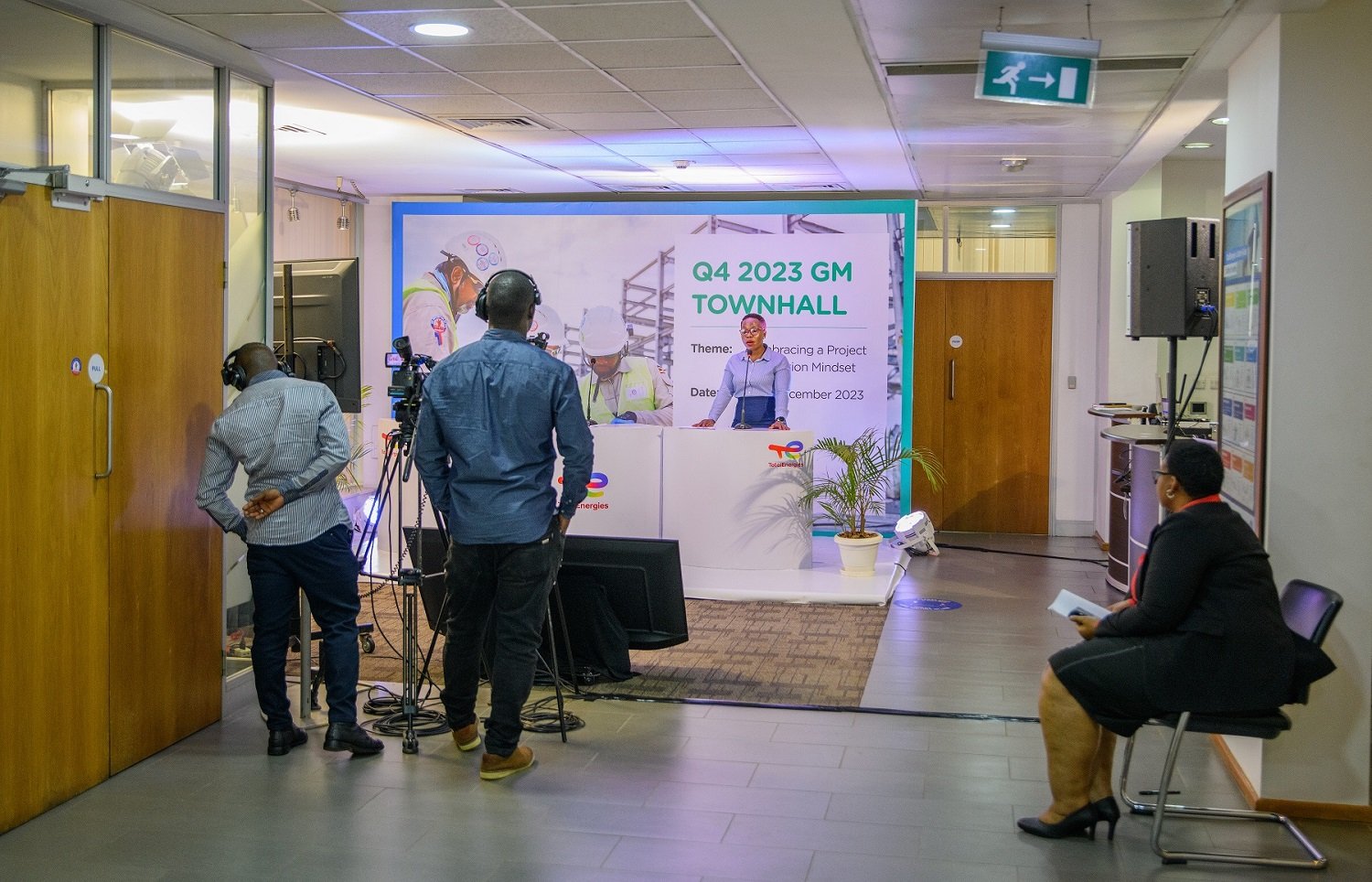
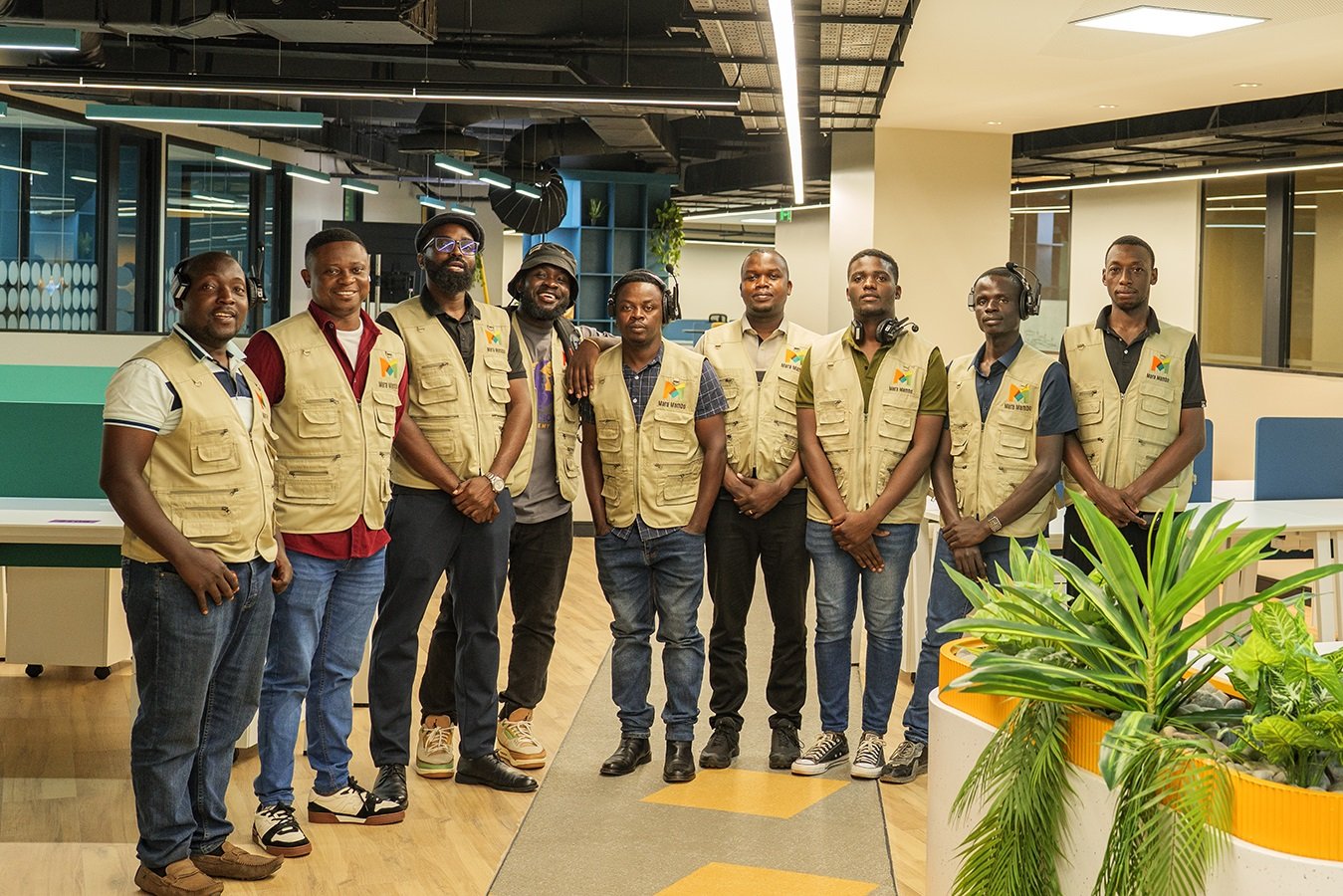
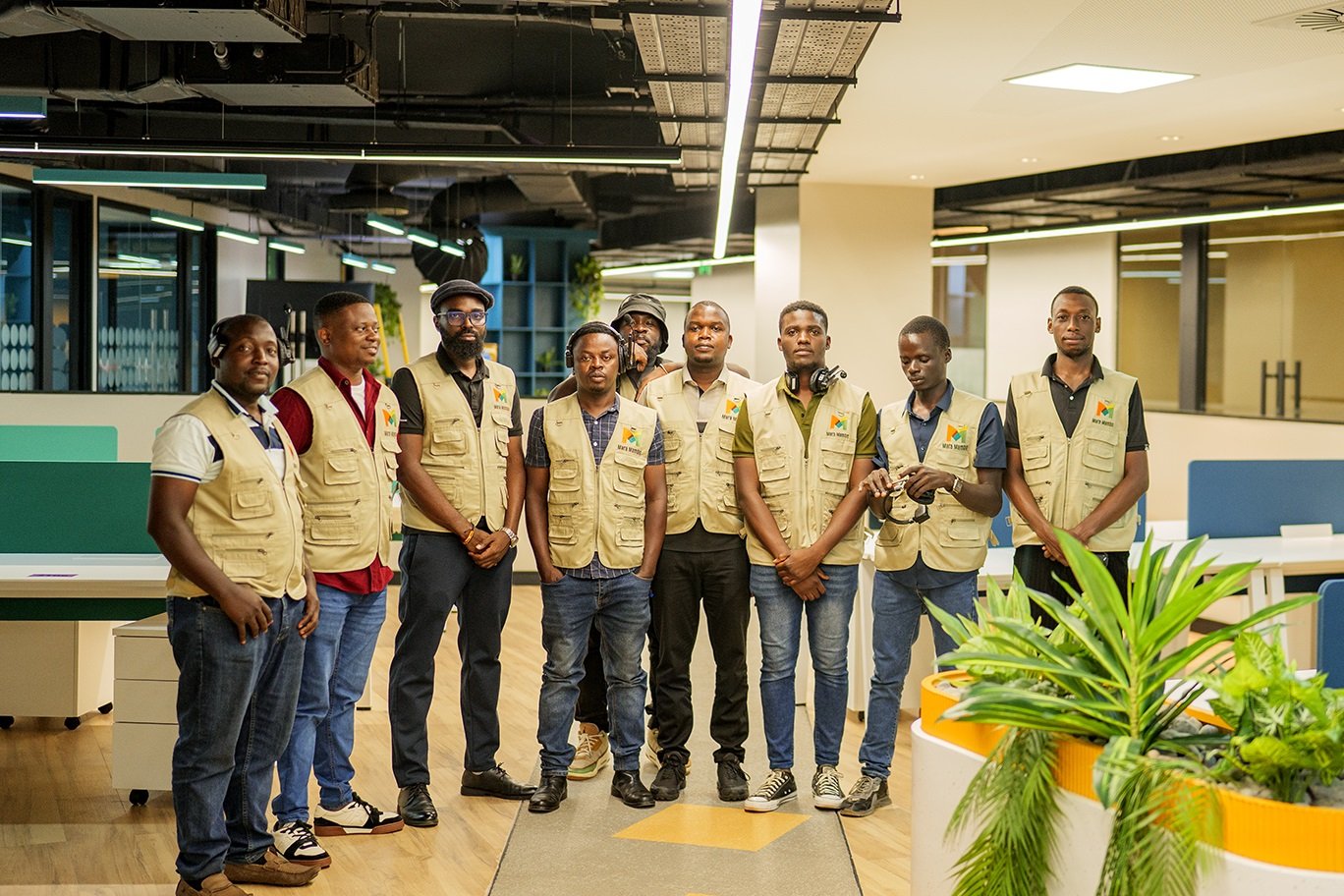
At Mara Mambo Media, the stories about people are the heartbeat of our communication. Whether we’re producing a corporate documentary, capturing a community project, or filming conservation efforts in Uganda’s national parks, our goal is always the same: find the human story.

Because people will always remember people.

Stories Create Emotional Connection

A report might tell you that 10,000 households gained access to clean water, and that is great, really.

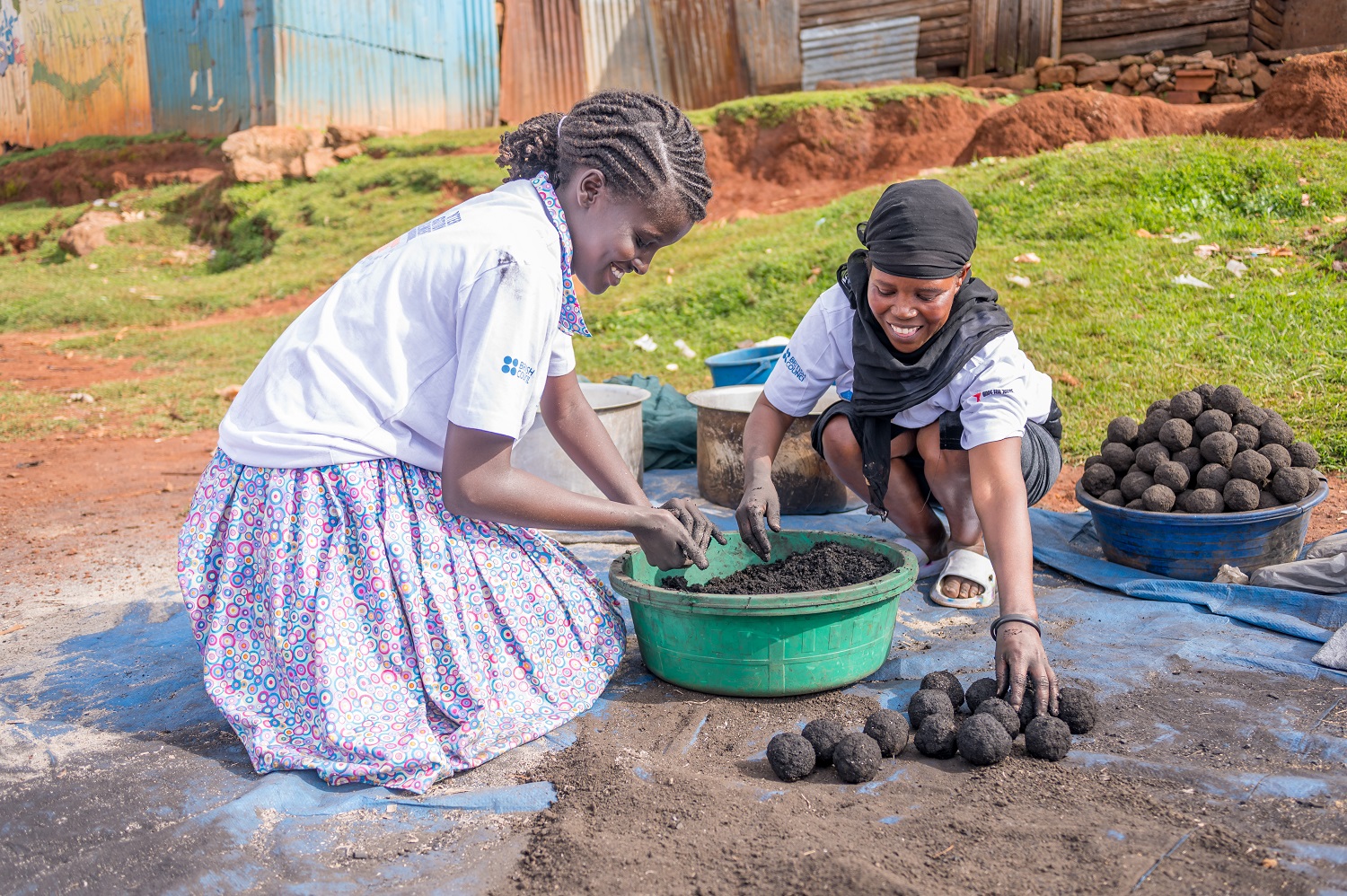
But a story will introduce you to Mama Ann and her young daughters, who no longer walk five kilometers every morning to fetch water before the sun is up, and school comes knocking.

The statistic informs. Mama Ann’s story affirms and transforms.

When audiences connect emotionally with one person’s experience, they begin to understand the impact behind the numbers. That emotional connection inspires empathy, trust and action in ways that data alone rarely can.

Human Stories Build Trust

Today’s audiences are increasingly sceptical of polished marketing messages and corporate jargon. They would rather hear directly from the people whose lives have been changed, whose businesses have grown or whose communities have benefited.

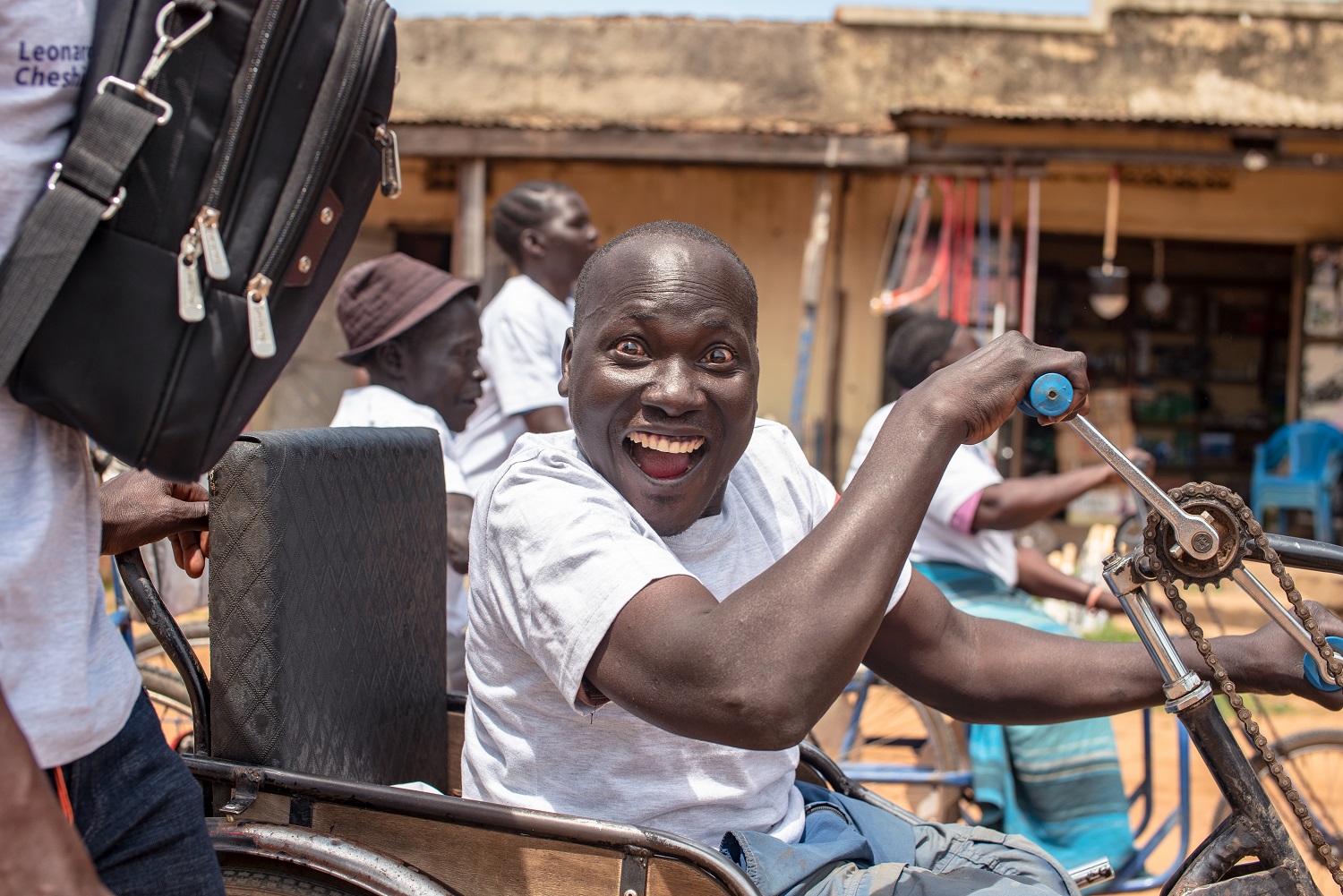
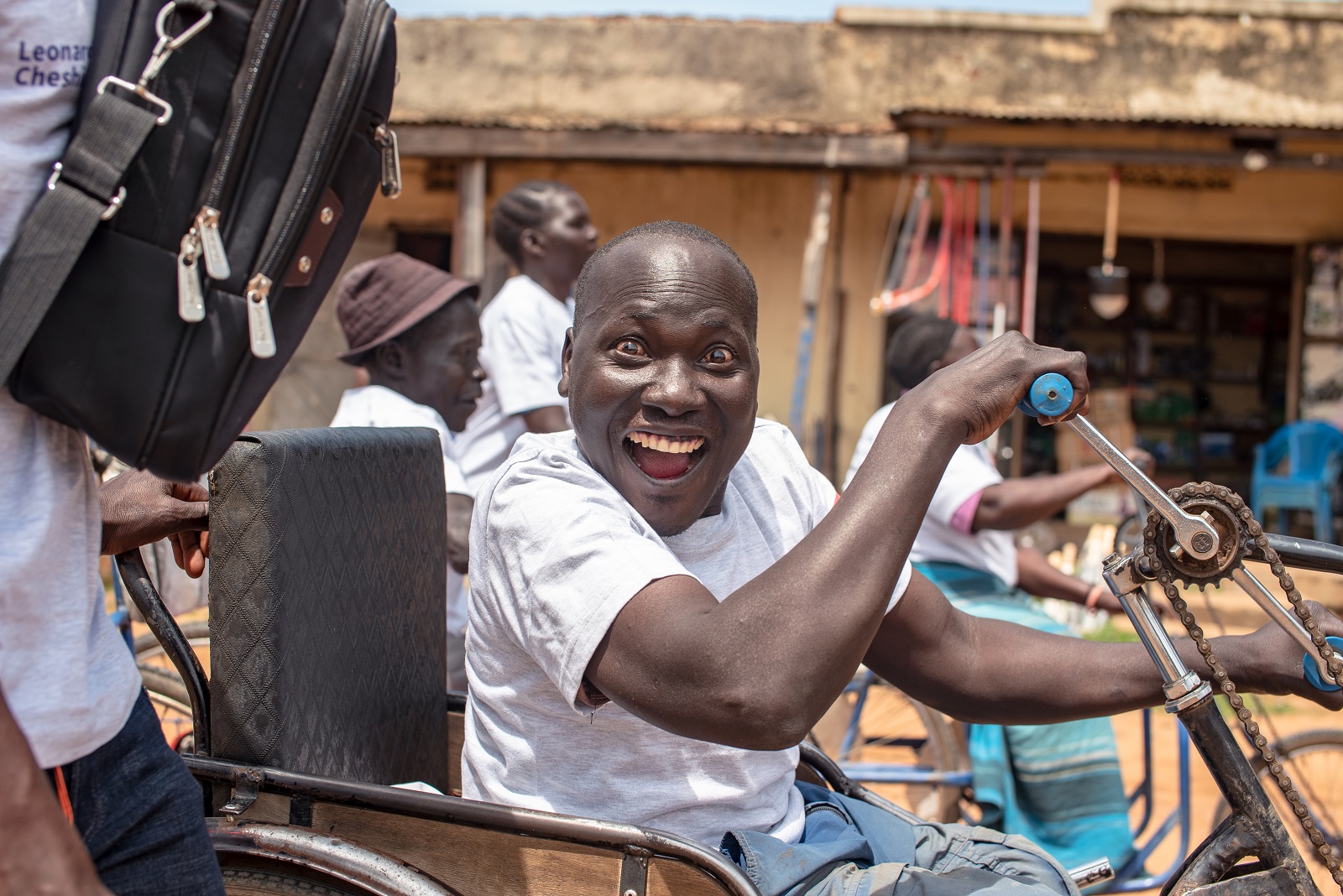
A genuine smile. A nervous laugh. A moment of silence. A tear. A celebration.

These unscripted moments remind viewers that what they’re watching is real.

Whether you’re a business, NGO or development organisation, allowing real people to tell their own stories builds credibility that no voiceover can manufacture.

Communication succeeds not when people hear your message, but when they feel compelled to do something because of it. 

And in a world overflowing with information, human stories remain the most powerful form of communication.

***

Looking for documentary storytelling that creates real impact? Mara Mambo Media helps organisations across Uganda and beyond capture authentic stories that educate, inspire and leave lasting impressions.

A Day in the Life of a Documentary Crew in Uganda

When you watch a finished documentary, you usually see beautiful drone shots, heartfelt interviews and breathtaking landscapes.

What you don’t normally see is everything that happens before the camera starts rolling.

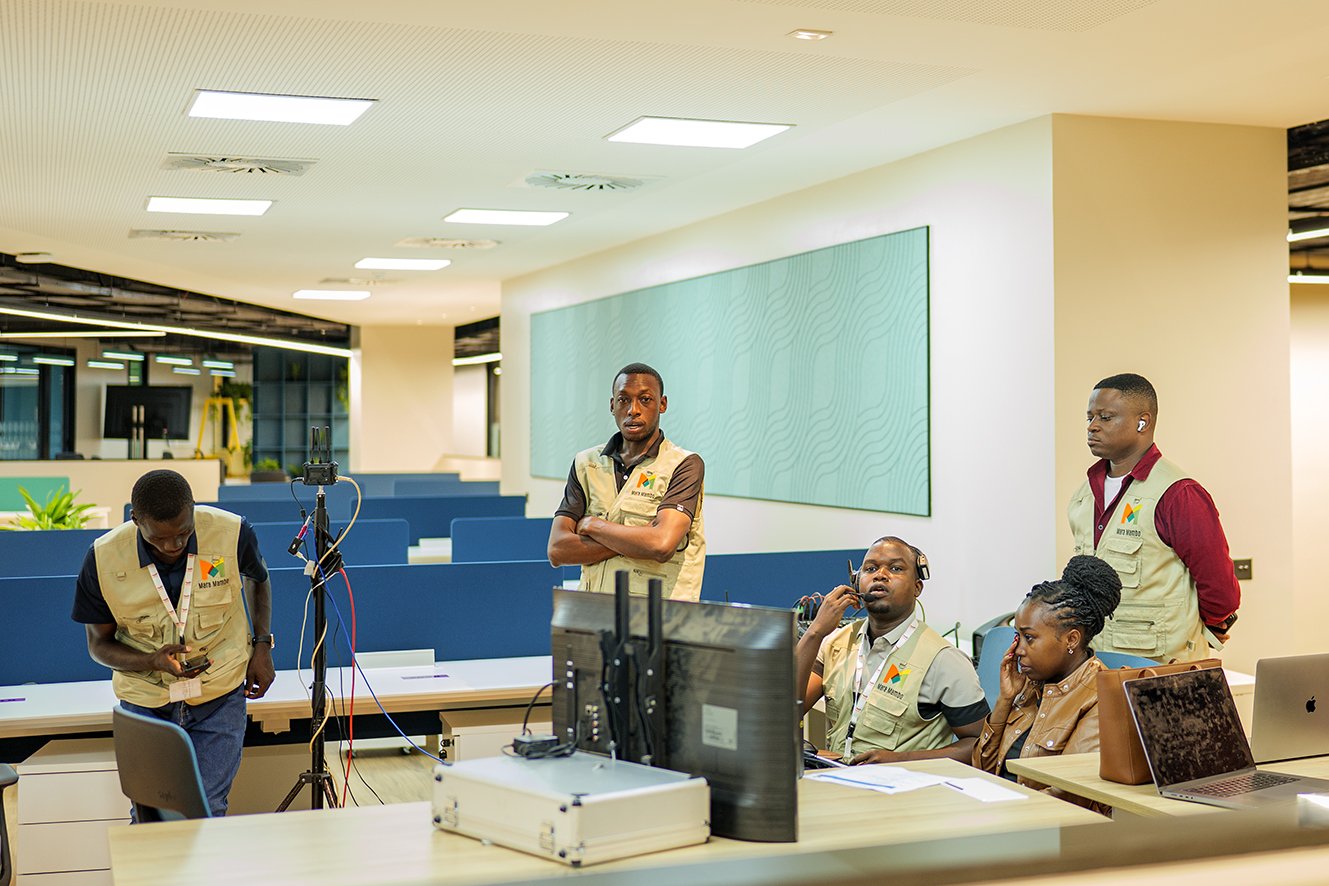
If you have read our blogs, by now you know that behind every documentary is a team solving problems, adapting to changing conditions and chasing moments that can’t be recreated. Huh!

At Mara Mambo Media, no two filming days are ever the same, even though they all begin with one thing: preparation.

Let’s break it down.

5:30 AM – Before Sunrise

Documentary crews love early mornings.

That soft golden light creates stunning visuals, wildlife is often more active, and communities begin their day before the heat sets in.

While many people are still asleep, our crew is already loading cameras, charged batteries, and their chargers, drones, microphones, tripods and backup equipment into the vehicle.

A forgotten or faulty memory card can easily cost an entire day’s production. Unless of course, you have back up resources and will be working in an area where you can easily grab another.

So, preparation is everything.

7:30 AM – Arriving on Location

Uganda offers some of the most diverse filming locations in Africa. Go on, and add it to your bucket list of destinations to visit.

One week we’re documenting conservation work inside a national park.

The next we’re filming farmers in rural villages, entrepreneurs in Kampala or engineers working on major infrastructure projects.

Every location presents new opportunities, and new challenges.

Road conditions change.

One moment, you are driving swiftly on the best tarmac road in northern Uganda, and the very next, onto a murram and broken road. You wonder if you are still within the same area. In fact, you constantly ask your field coordinator if you are still on track. 

Weather changes, schedules change, people change their availability, and the list goes on.

So, flexibility becomes one of a documentary crew’s greatest strengths.

9:00 AM – Building Relationships Before Rolling

The camera isn’t always the first thing we unpack.

We spend time talking, briefing, meeting community leaders, greeting families, explaining the purpose of filming, sharing a laugh, or a cup of black tea and mandazi.

We spend time building trust.

People tell better stories when they feel comfortable, not when a camera suddenly appears in front of them.

10:00 AM – Capturing the Story Beyond the Interview

An interview is only one part of the documentary.

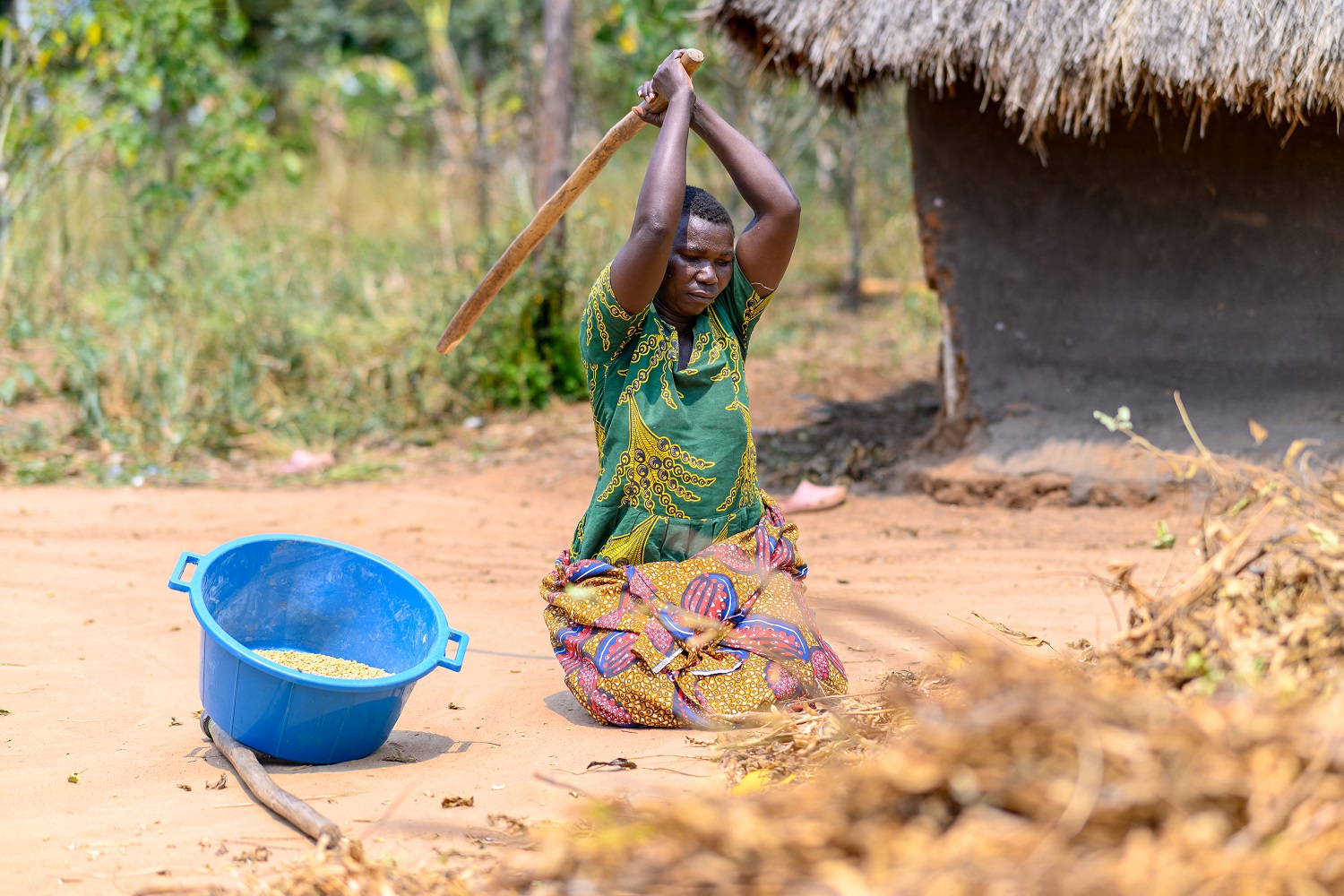
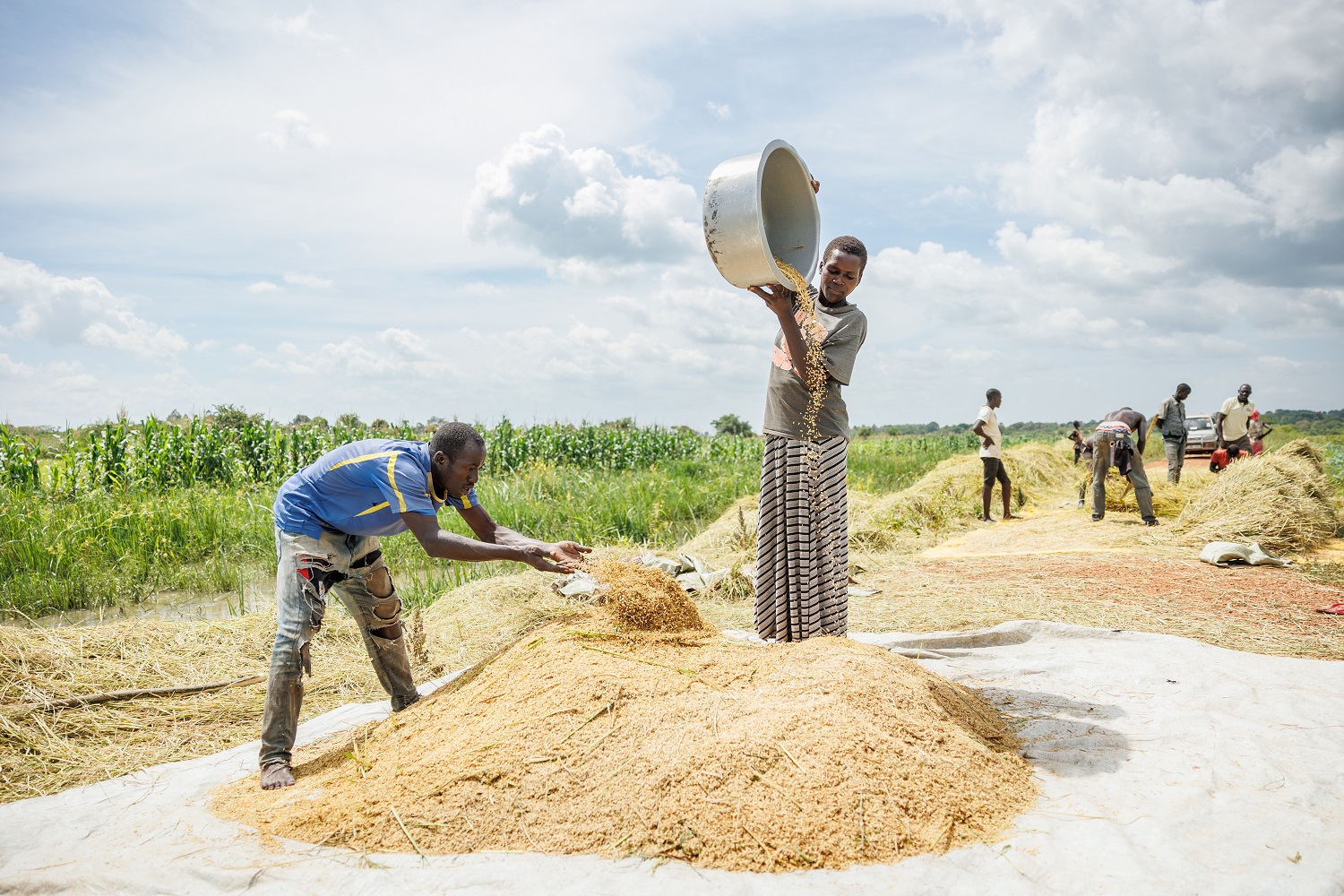
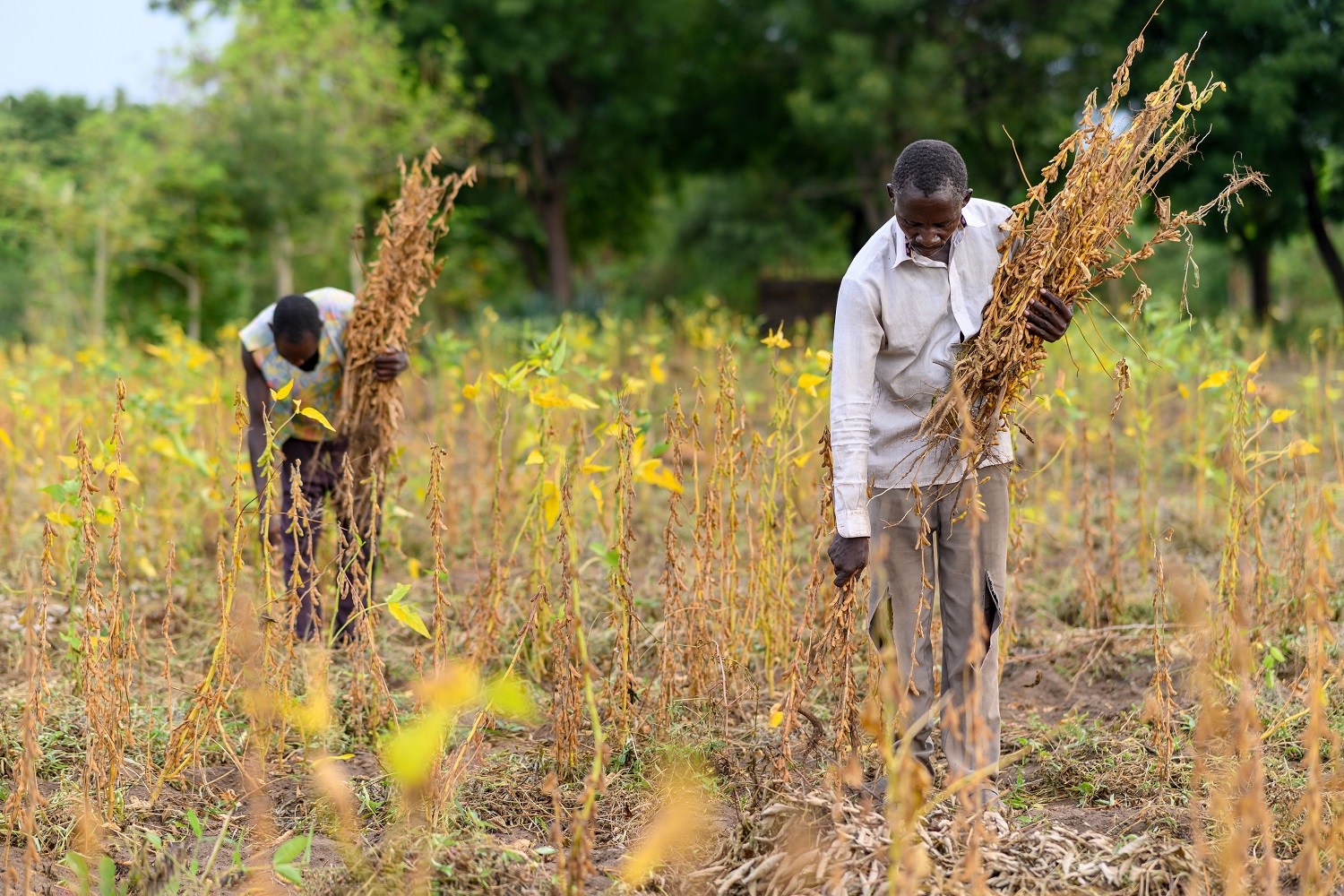
The real magic often happens between interviews, for example children walking to school, hands harvesting crops, workers collaborating or birds taking flight.

Sometimes it looks like traffic flowing through Kampala, with the cacophony of boda bodas, or the beautiful easy sunlight filtering through trees.

These seemingly ordinary moments become the visual language that brings the story to life.

Our crew is always watching for authentic moments that audiences will feel, not just see.

1:00 PM – Lunch… Maybe. A huge maybe.

While we are working, lunch is absolutely flexible. Sometimes it’s a quick rolex or fresh fruit shared by a welcoming community.

Sometimes it’s delayed because an unexpected opportunity appears, and our documentary crew knows that great moments don’t wait.

Afternoon – Interviews, B-Roll and Drone Flights

This is often the busiest part of the day, and therefore quite hectic.

While one team member conducts interviews, another capture supporting visuals.

The drone operator watches weather conditions and aviation regulations before launching.

The sound recordist monitors every word for clarity.

The producer keeps the schedule moving, checking the shot list, while adapting to unexpected changes.

Every role matters.

The Unexpected Is Part of the Job

Rain arrives without warning. Just out of nowhere, the skies are complaining.

Power disappears. And suddenly the room is dark, and you have to rely on lights, other than natural light.

Roads become impassable- and sometimes there is nothing you can do about it but wait. Or get out of the vehicle, roll your sleeves and hems and push that car.

Equipment develops faults.

Interviewees become nervous, and on goes the list of the unexpected.

Yet these challenges are also what make documentaries unique.

Sunset – The Final Shots

Don’t we all love the look and feel of golden hour?

As the sun begins to set, our crew races to capture Uganda’s beautiful evening light.

Golden-hour footage often becomes the emotional ending of a documentary.

These are the images that linger in the audience’s mind long after the credits roll.

Back at the Office

Back at the office, the work picks up pace again.

Memory cards are backed up immediately, audio is organized, and footage is reviewed.

Video editors begin sorting hundreds, or even sometimes thousands of video clips.

The photographer starts sorting and deleting the pictures to remain with what he will eventually edit and share with the client.

What looked like one interview on screen may have required hours of preparation, multiple camera angles, ambient sound recording and careful editing.

Documentary filmmaking isn’t always glamorous.

And at Mara Mambo Media, we’re documenting history, celebrating communities and creating stories that continue to inspire people long after the cameras stop recording.

***

Need a documentary crew in Uganda? Mara Mambo Media specialises in documentaries, corporate storytelling, branded films and impact-driven visual content that captures authentic stories with creativity and purpose.

How to Prepare Your Team Before a Video Shoot

Today’s article is one we’ve wanted to put out for a while now. Your team will either make or break the project. So, it is imperative that you are all in harmony.

Let’s get started.

A successful video production doesn’t begin when the cameras start rolling, nope. Nada.

A successful video production begins days, sometimes weeks, before anyone steps onto the set or location.

Whether you’re producing a corporate documentary, a promotional video, a donor impact story, or a company profile, preparation is what separates a smooth production from one filled with delays, unplanned expenses, missed opportunities, and unnecessary stress.

At Mara Mambo Media, we’ve worked on numerous productions in corporate offices, manufacturing plants, schools, hospitals, construction sites, conservation areas, and remote communities across Uganda. 

And one lesson remains constant: the better a client’s team is prepared, the better the final story will be.

Here’s how your organization can prepare for a successful video shoot.

Start with a Clear Objective

Before discussing cameras, locations, or interviews, define what you want the video to achieve. A clear objective guides every production decision, from concept, interview questions to the final edit.

Choose the Right People to Feature

Don’t focus only on senior leaders. Include project beneficiaries, field officers, technical experts, community leaders, long-serving employees, customers, past stakeholders, and partners to tell authentic stories.

Thoroughly brief Everyone Before Filming

Ensure participants understand why the video is being produced, who the audience is, what they’ll discuss, and what to expect during filming. Oh, and ensure that every participant signs a release or consent form. This can be on paper, or recorded on video.

Explain that should they need to opt out of the production, they can always revoke their consent. When the participants see, and believe in the bigger picture, they willingly participate.

Avoid Memorized Scripts

Encourage interviewees to speak from experience rather than recite prepared answers. Authenticity creates stronger connections with viewers.

Prepare the Filming Location

Clean and organize spaces, reduce background noise, notify nearby teams, and ensure interview locations are available and ready.

Coordinate Schedules Early

Develop a filming schedule outlining arrival times, interviews, location changes, and breaks to keep production running efficiently.

Dress for the Camera

Wear professional, comfortable clothing with solid colours, avoiding distracting patterns, reflective jewellery, or unnecessary logos. You can also politely ask a participant to remove their glasses if it doesn’t bother them at all, and if it is affecting the output. If they decline, make it work.

Gather Supporting Materials

Prepare historical photos, reports, maps, awards, product samples, and other assets that can enrich the story during editing.

Prepare for Real-Life Conditions

Allow flexibility for weather, travel, operational activities, or unexpected delays, especially when filming on location.

Trust the Production Team

Professional crews capture planned interviews and meaningful unscripted moments that often become the heart of the story.

Communication Is Key

Discuss key messages, brand guidelines, permissions, sensitive topics, and expectations before filming begins.

After the Cameras Stop Rolling

Plan for reviewing edits, consolidating feedback, approving graphics and captions, and distributing the finished video strategically.

Great videos are the result of planning, collaboration, and clear communication. At Mara Mambo Media, we believe preparation creates the conditions for authentic stories that inspire, inform, and build trust.

Before You Book a Drone Shoot in Uganda: Everything Clients Need to Know

We can’t count on two hands the number of times a client has passively said, “Can we also get some drone shots?” as the pre-production meeting concludes.

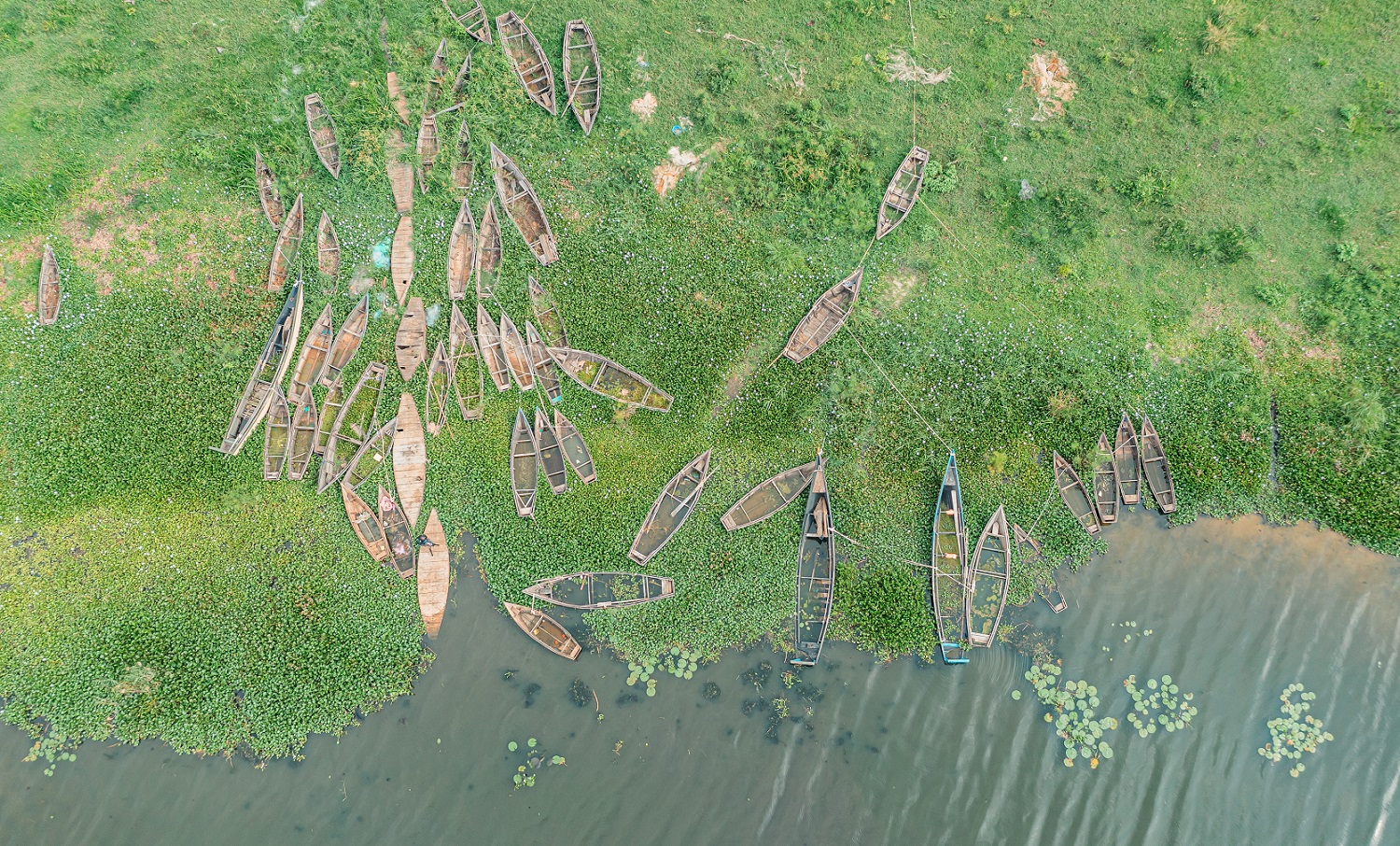
That is usually the moment when everyone imagines the final film. The camera rises above the trees, a winding road stretches into the distance, a construction project reveals its full scale, or a fishing community comes alive from above, with the sun rays lightly touching the water. 

Drone footage doesn’t simply make videos beautiful- it provides context, reveals relationships between people and places, and helps audiences understand scale and impact.

At Mara Mambo Media, we’ve seen firsthand how aerial cinematography transforms documentaries, corporate films, tourism campaigns, environmental storytelling, infrastructure projects, and development communication. But before any drone takes to the sky, one important question has to be answered:

Can we legally fly here?

Drone operations in Uganda are regulated by the Uganda Civil Aviation Authority (UCAA) under the Civil Aviation (Unmanned Aircraft Systems) Regulations, 2022. These regulations exist to protect air traffic, public safety, national security, privacy and property.

Do I need permission?

For almost every professional production, yes. Commercial aerial filming, photography, mapping, inspections and documentary work require authorization before operations begin. Professional drone filming often starts days- or even weeks- before the camera takes off.

Understanding the categories

Category A (Basic Operations): Low-risk operations requiring approval, an application form, drone specifications and a map of the operating area.

Category B (Standard Operations): The category most commercial filming projects fall under. Requirements include Form AC-UAS 001, a Letter of No Objection from the relevant line ministry, remote pilot authorization, Class III medical certificate, third-party insurance, drone specifications, a safety risk assessment and a map of the operation area. Supporting guidance also requires security clearance and other supporting documentation where applicable.

Category C (Complex Operations): High-risk operations requiring a UAS Operator Certificate together with an operations manual, safety management system, security programme, training programme, insurance and additional documentation.

Before filming begins, operators may be required to submit project information including the project owner, project duration, purpose of the flight, drone manufacturer and serial number, flight characteristics, emergency procedures, pilot qualifications, communication methods and insurance documentation.

Drone approval may involve several agencies. Depending on the project, operators may obtain a Letter of No Objection from the relevant line ministry, submit an application to UCAA, undergo security clearance, pay the prescribed authorization fee and receive safety approval before operations commence.

Some locations require extra planning

Additional permissions or restrictions may apply when filming near airports, military installations, government facilities, strategic infrastructure, schools, hospitals, police stations, prisons, courts of law and large public gatherings.

Professional drone operations involve site assessments, weather monitoring, emergency planning, risk assessments, communication procedures and equipment checks before every flight.

What we wish every client knew

Those ten minutes of drone flying often represent days of planning. Early engagement allows time to review airspace restrictions, obtain approvals where required, prepare documentation and complete safety planning, helping projects stay on schedule.

Here is why it is important to work with professionals

Professional aerial filmmaking combines aviation knowledge, regulatory compliance, risk management, flight planning, cinematography and storytelling. It’s about far more than owning a drone.

Your Great Story Deserves the Right Perspective

At Mara Mambo Media, we believe the most powerful and stunning aerial shots are earned through thoughtful planning, respect for the communities we film, compliance with Uganda’s aviation regulations and a passion for visual storytelling.

How We Plan a Drone Shoot in Uganda (From Permit to Final Edit)

Introduction

The drone may only fly for 10 minutes, and the footage might appear for even less time in the final edit. But the work behind those 10 minutes can take days- or even weeks.

Are you listening?

If you’ve ever watched a stunning aerial video, you’ve probably admired the sweeping landscapes, cinematic reveals, and breathtaking perspectives. What you obviously didn’t see was everything that happened before the drone even left its case.

At Mara Mambo Media, every successful drone shoot begins long before we arrive on location. From permits and planning to weather checks and post-production, every stage plays an important role in creating safe, legal, and visually compelling aerial content.

Our process remains simple: Plan first. Fly second. Tell the story last.

Step 1: Understanding the Story

Before we think about drones, we think about stories. Every project begins with one simple question: What are we trying to show that can’t be seen from the ground? The drone is just another way of telling the story.

Step 2: Choosing the Right Location

We assess the filming location by considering nearby airports, controlled airspace, security considerations, crowds, take-off and landing zones, obstacles such as power lines, and whether a site visit is necessary.

Step 3: Understanding the Regulatory Requirements

Depending on the nature of the project, approvals may include UCAA authorization, letters of no objection, security clearances, operational documentation, insurance, and safety risk assessments. We help our clients navigate these requirements where applicable.

Step 4: Preparing the Flight Plan & the weather

Every flight is planned in advance, putting into consideration the altitude, camera angles, battery changes, and emergency landing areas.

We monitor wind speed, rain forecasts, visibility, cloud cover, sunrise and sunset times, and changing weather conditions to ensure safe and cinematic flights.

Step 5: Safety Before Take-Off

Before every launch we inspect the drone, batteries, propellers, GPS reception, camera settings, emergency procedures, and brief everyone on site.

Step 6: Capturing More Than Beautiful Images

Great aerial cinematography is intentional. Every movement supports the story- from slow reveals and gentle orbits to carefully framed establishing shots.

Step 7: The Work Doesn’t End When the Drone Lands. Far from it, even.

Footage is backed up, organised, reviewed, colour corrected, stabilised where necessary, and integrated into the final edit. The drone captures moments; the edit gives them meaning.

What Clients Can Do to Help

Share the exact filming location, intended dates, purpose of the project, contact persons, existing permissions, and expected activities. Early planning leads to smoother productions.

Behind the Scenes at Mara Mambo Media

Technology should never overshadow the story. Whether documenting conservation, infrastructure, tourism, humanitarian work, or community impact, we combine careful planning with cinematic excellence.


So, whether you’re documenting community impact, showcasing innovation, capturing Uganda’s breathtaking landscapes, or preserving moments that matter, Mara Mambo Media helps you tell stories with authenticity, creativity, and purpose.
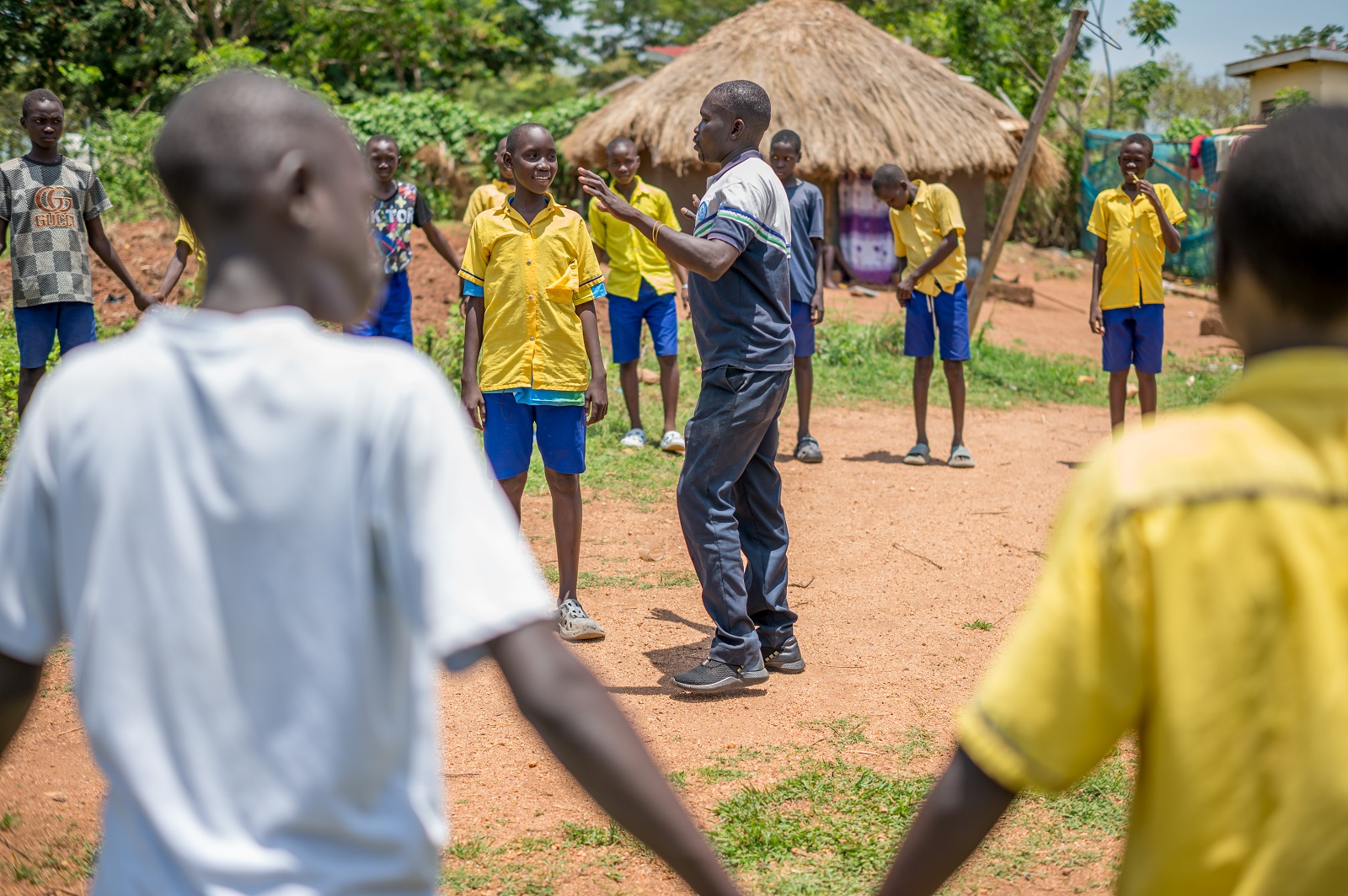
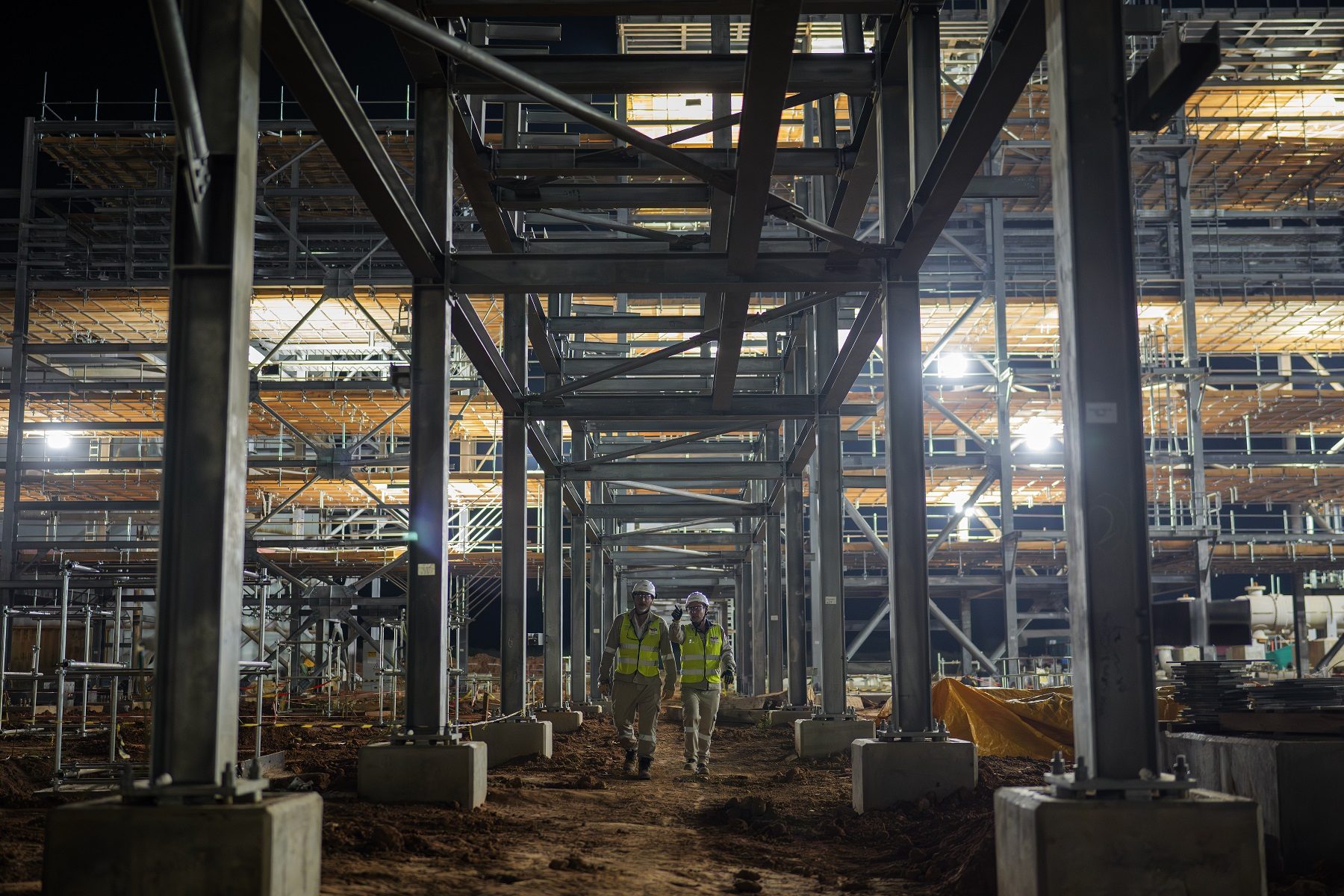
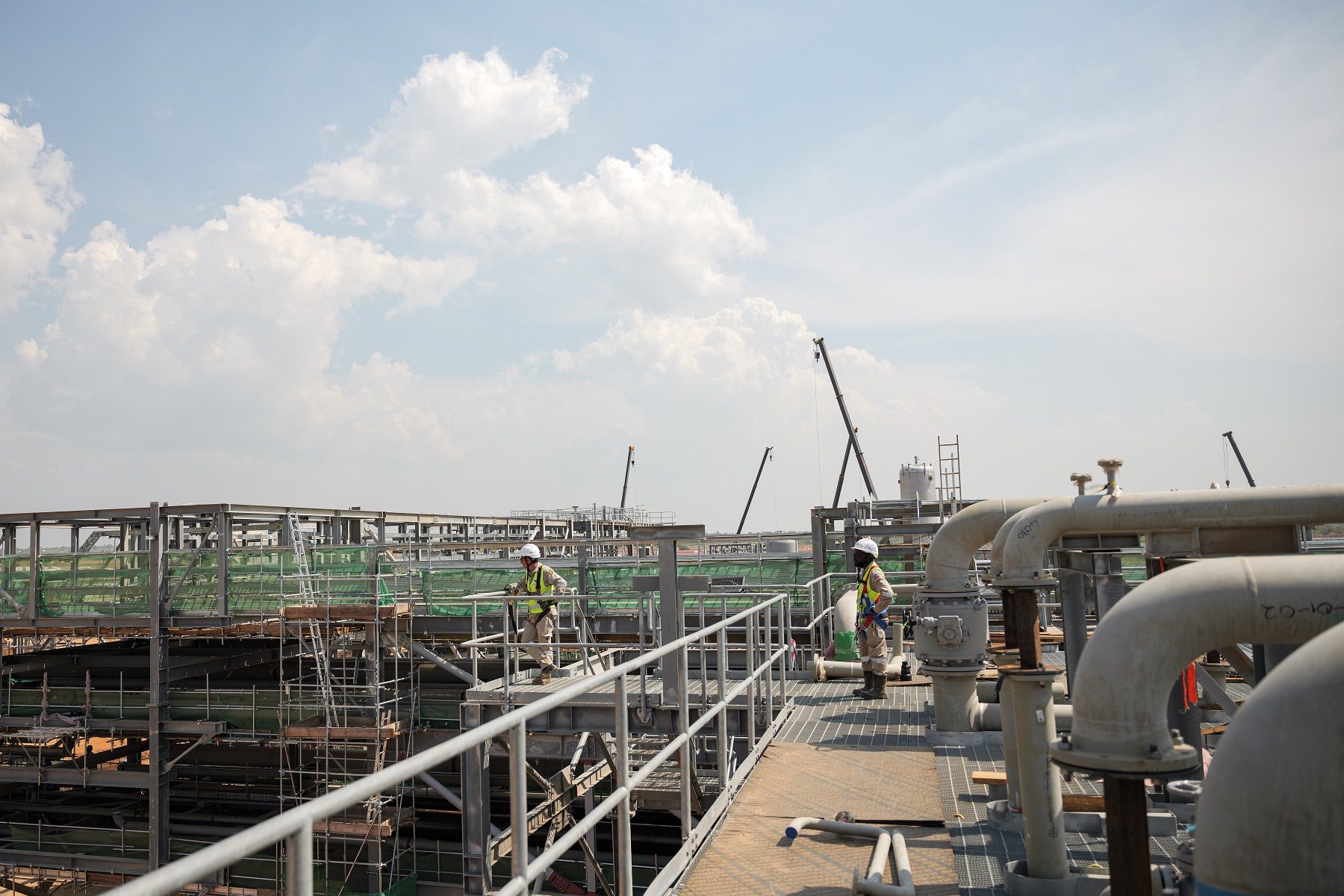
Capturing the Heart of Uganda’s Energy Future: Filming the Tilenga Project’s Central Processing Facility (CPF) in Buliisa District.

Client: TotalEnergies EP Uganda

At Mara Mambo Media, we surely know how to showcase the scale, innovation, and human effort behind transformative projects.

Here’s an example.

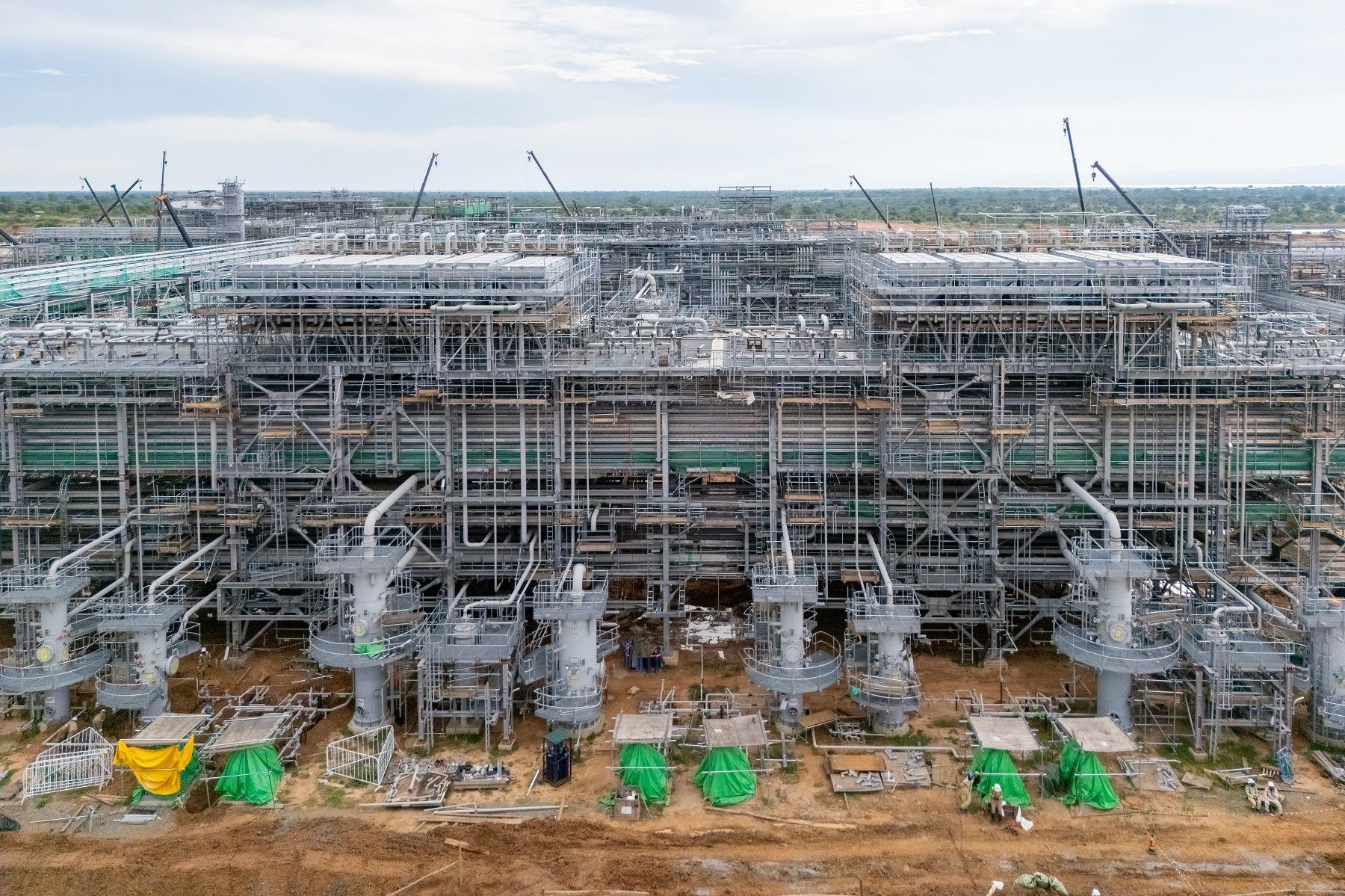
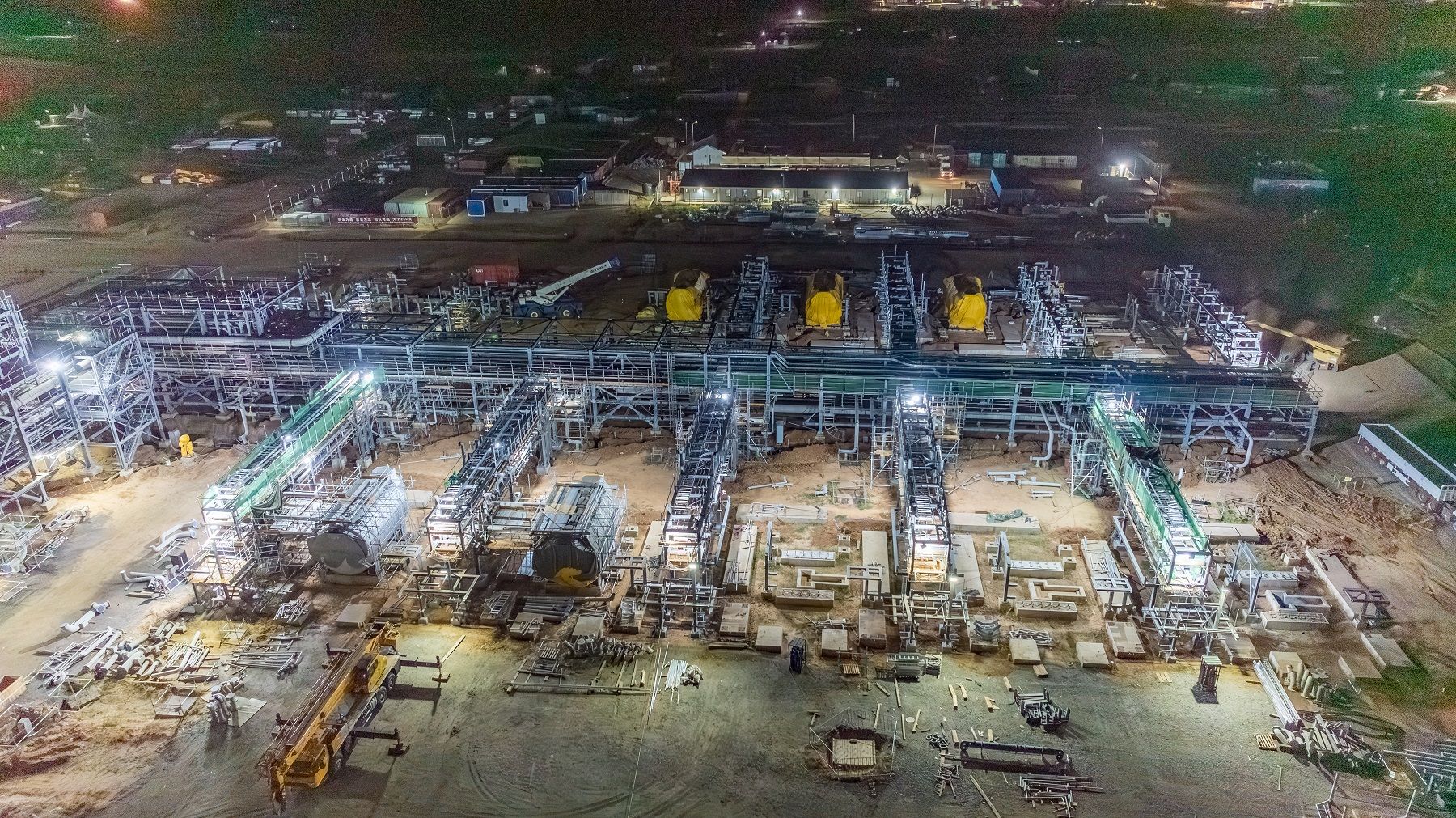
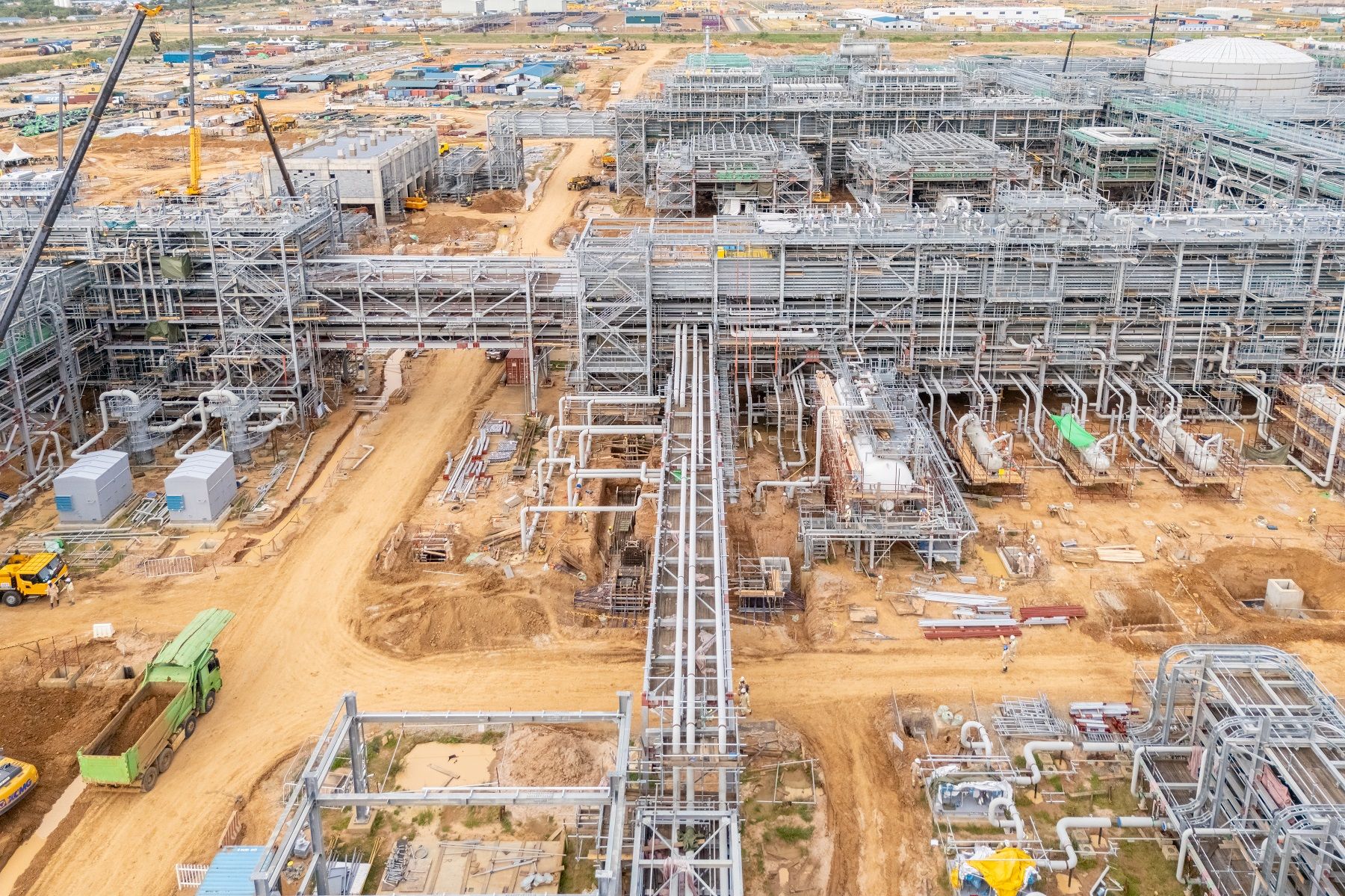
Recently, we had the opportunity to film the Tilenga Project’s Central Processing Facility (CPF) in Kisenyi Village, Buliisa District, one of East Africa’s most outstanding infrastructure.

We were awed, wowed, and inspired by both the enormity of the facility and the engineering excellence it represents.

If you must know, the Central Processing Facility is one of the most critical components of the Tilenga Project. Designed to receive and process crude oil from multiple oil fields, the CPF stands as a remarkable feat of modern engineering.

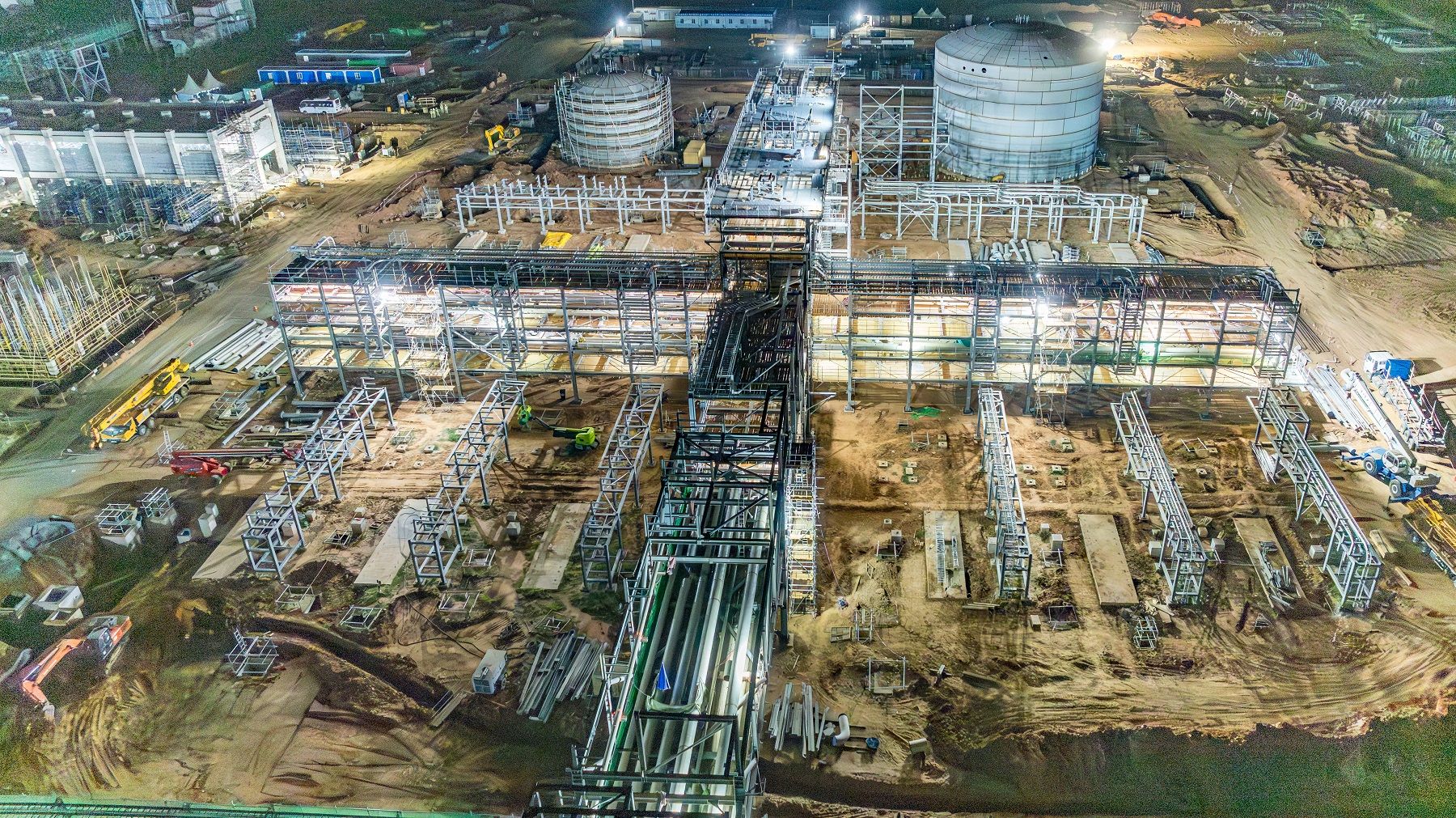
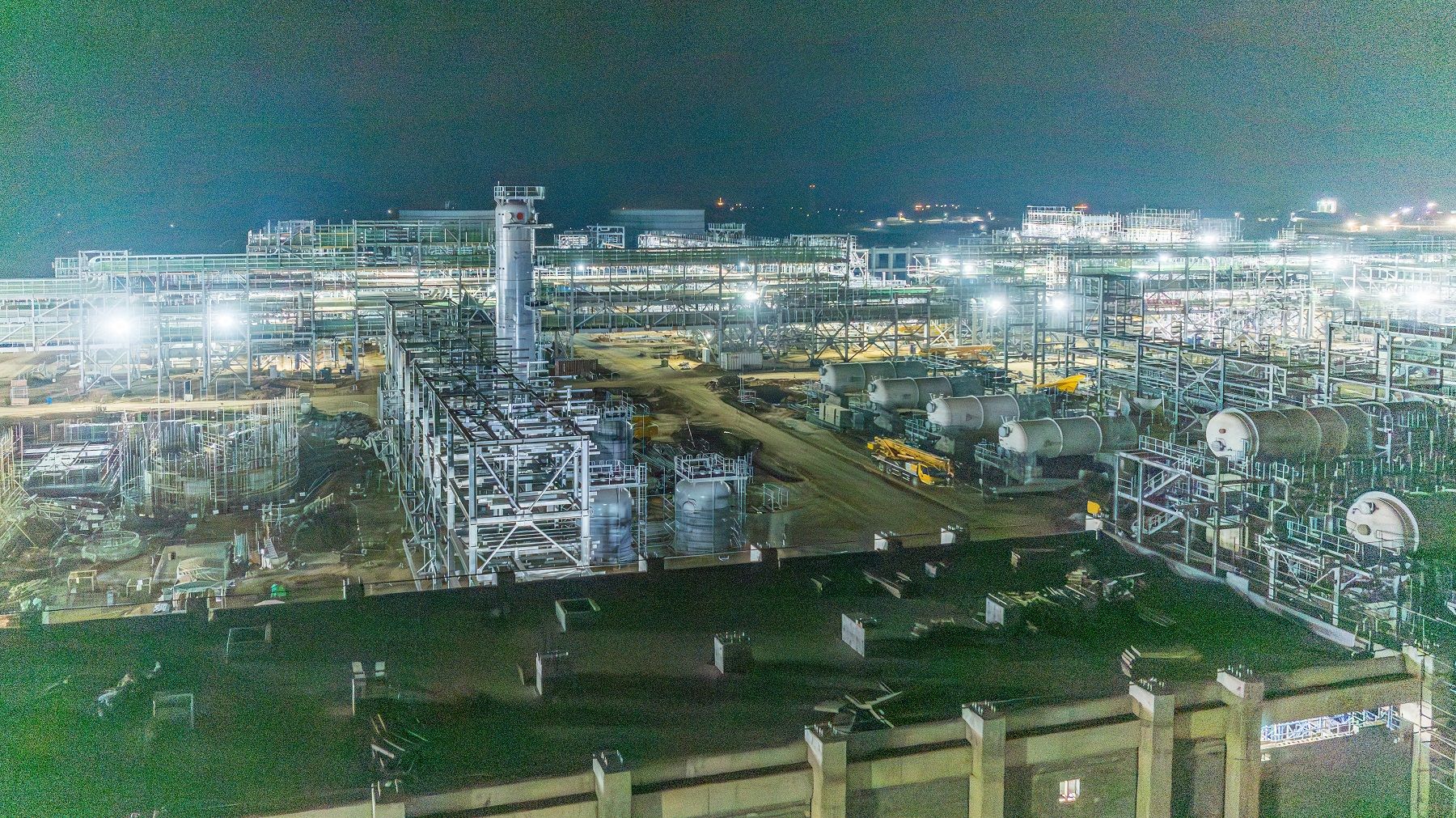
From the moment our team arrived on site, the sheer scale of the infrastructure was impossible to ignore. Towering structures, extensive processing units, intricate pipe networks, and vast operational areas stretched across the landscape, demonstrating the complexity required to support one of Uganda’s most significant energy developments.

Capturing a facility of this magnitude required more than conventional filming techniques.

To fully convey the scale and sophistication of the CPF, our production team employed a combination of high-resolution ground cameras and drone technology. This approach allowed us to tell a complete visual story.

Our drone operations provided breathtaking perspectives that would otherwise be impossible to achieve. From above, the interconnected systems, carefully planned layouts, and immense size of the facility became even more apparent. The aerial footage highlighted the CPF’s complexity while placing it within the wider landscape of Buliisa District, helping viewers appreciate both its scale and strategic importance.

On the ground, our cameras focused on capturing the finer details that bring such a project to life.

Filming at the Central Processing Facility reinforced the importance of visual storytelling in communicating large-scale development projects.

As storytellers, we are proud to document projects that are shaping Uganda’s future. Our work at the Tilenga project’s Central Processing Facility demonstrates how strategic use of technology, creativity, and technical expertise can transform complex industrial environments into compelling visual narratives.

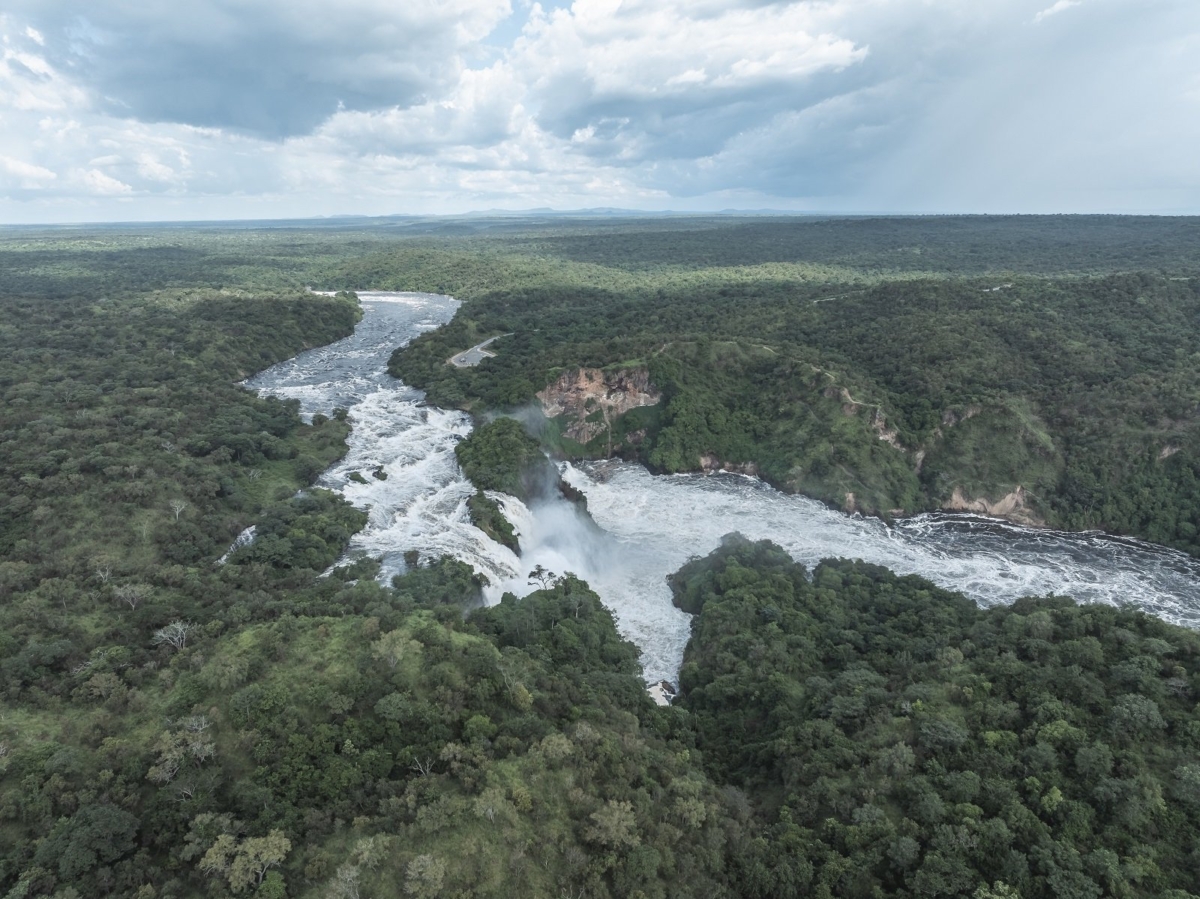
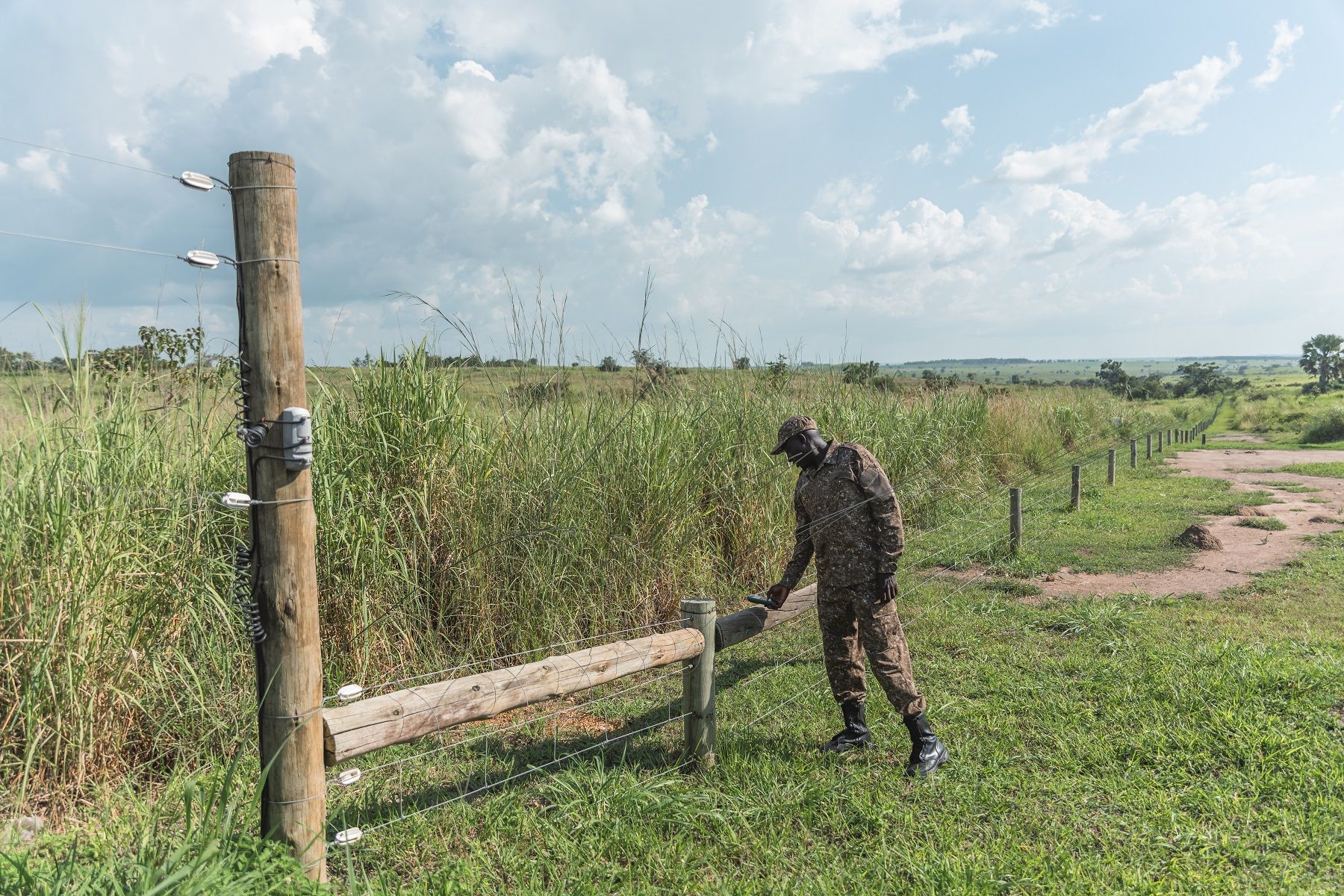
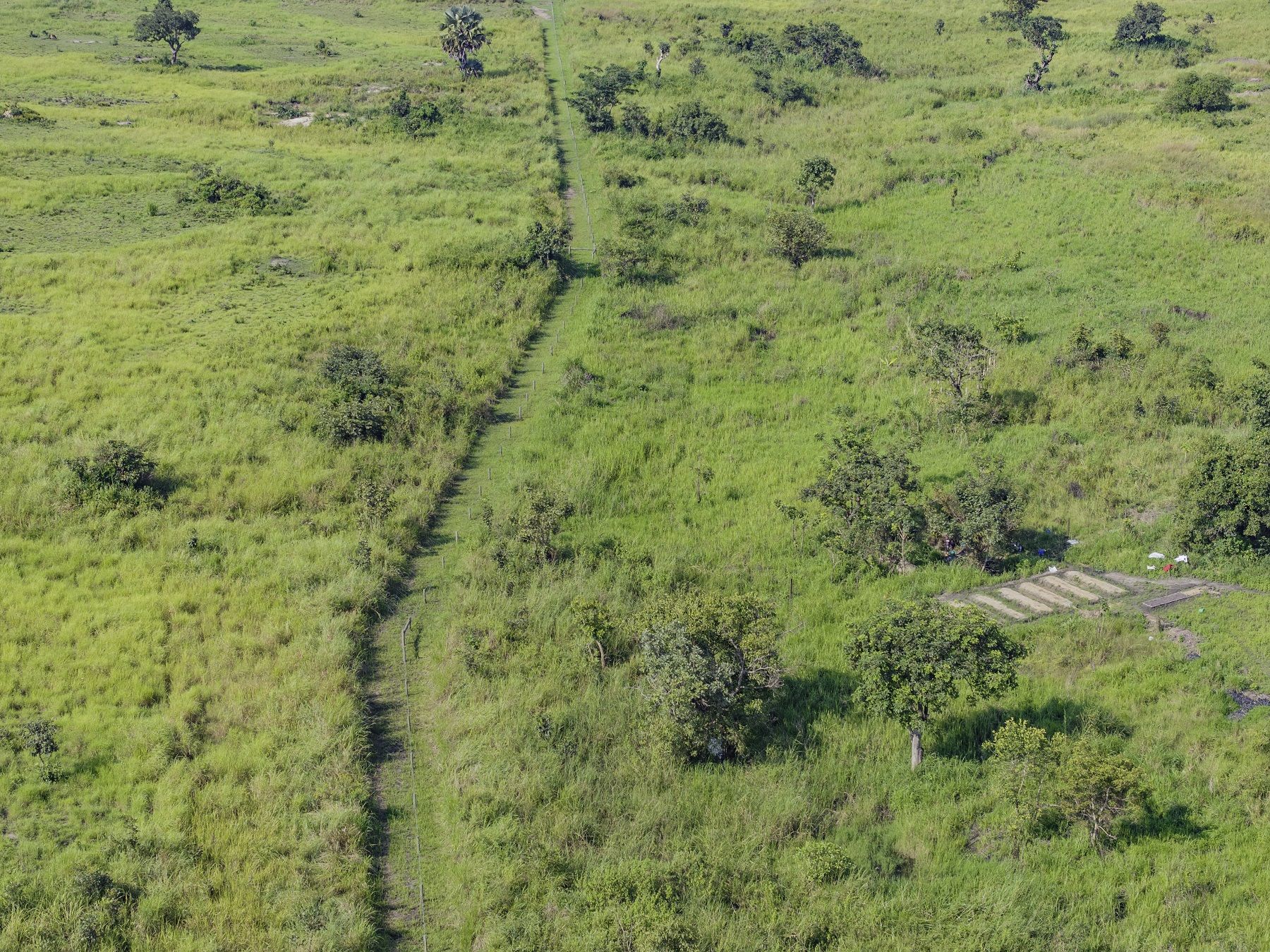
Restoring Harmony Between People and Wildlife: Filming the Electric Fence Initiative by Total Energies EP Uganda in Murchison Falls National Park

Recently, we had the opportunity to document an initiative by TotalEnergies EP Uganda, that is helping communities living around Murchison Falls National Park coexist more peacefully with wildlife.

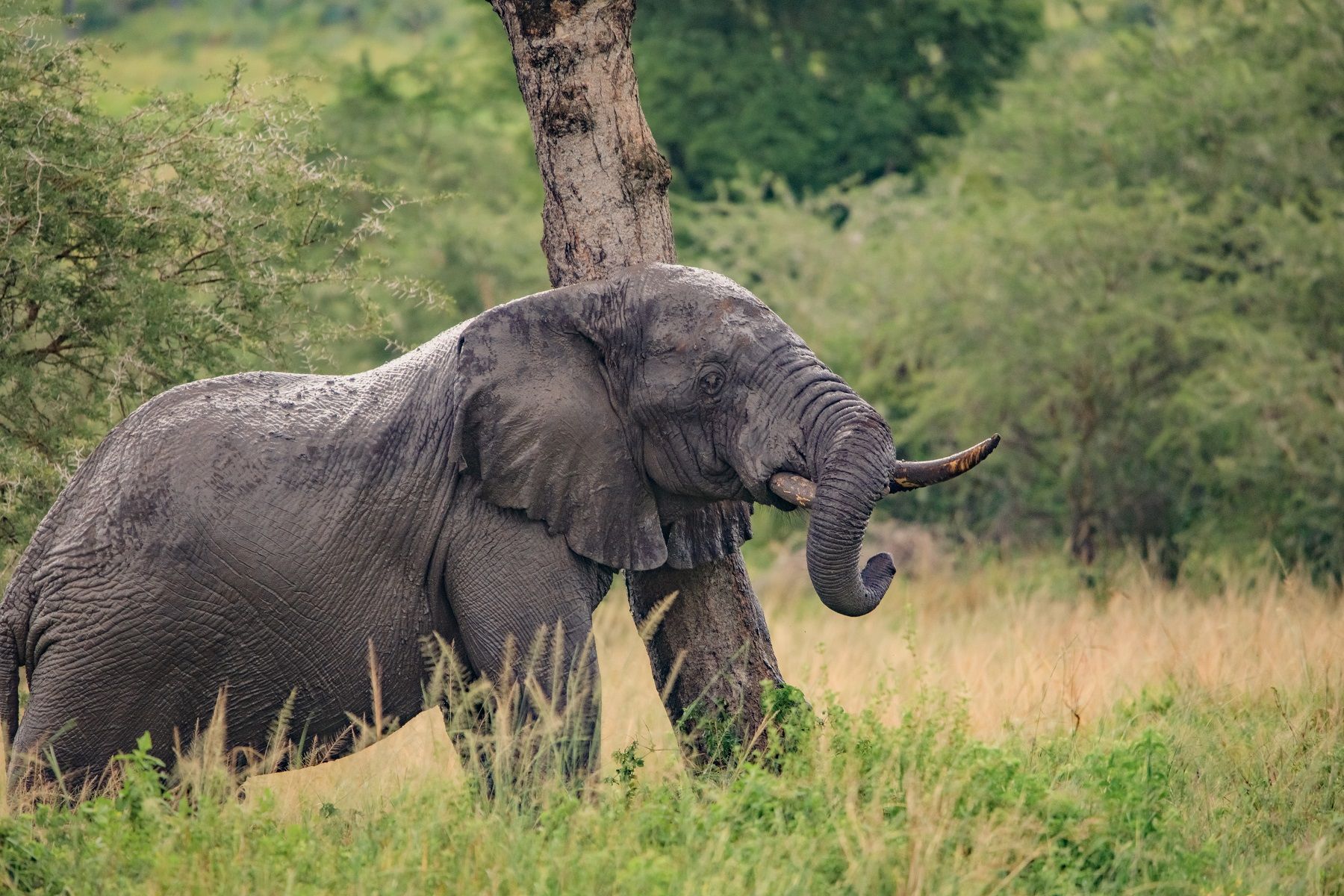
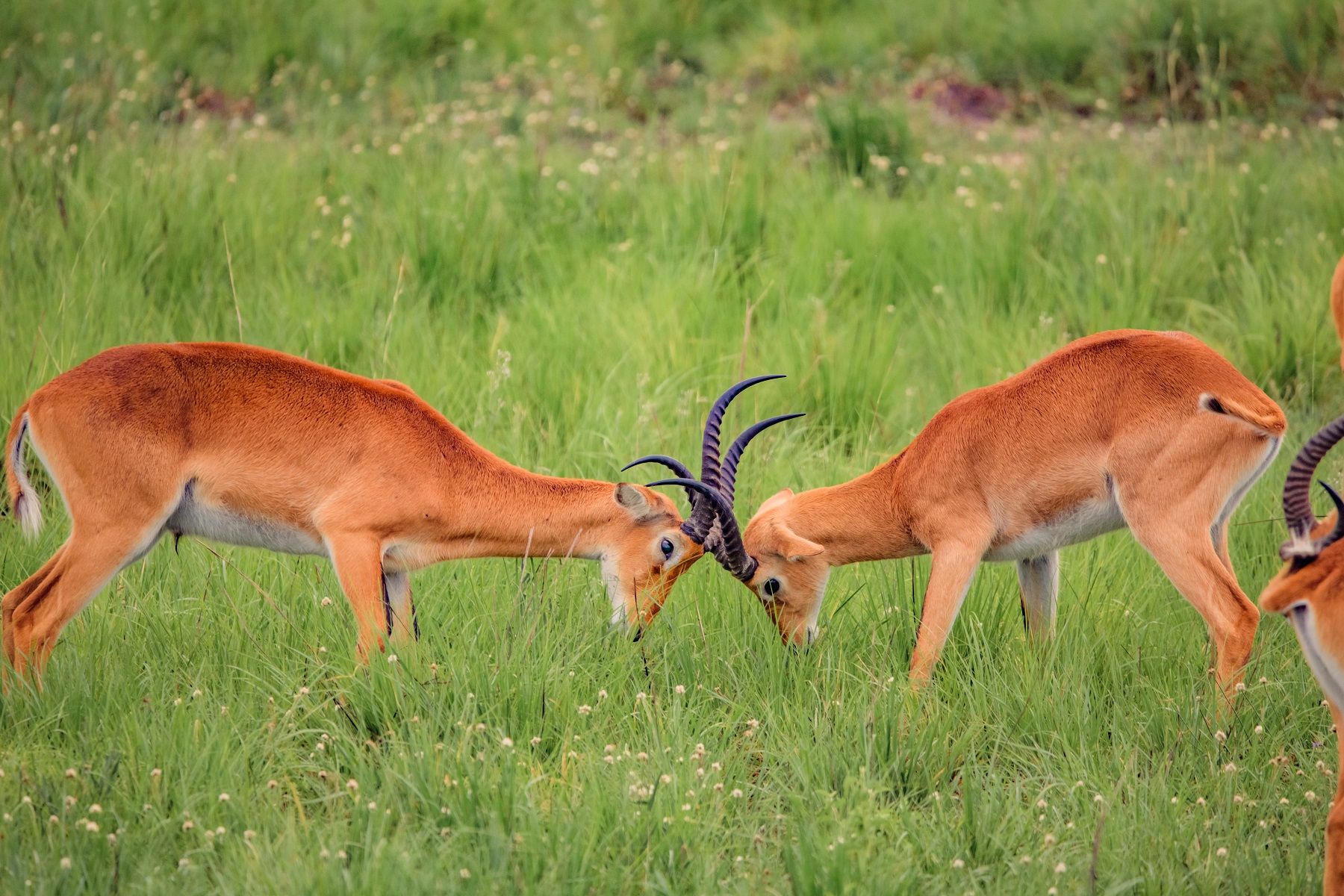
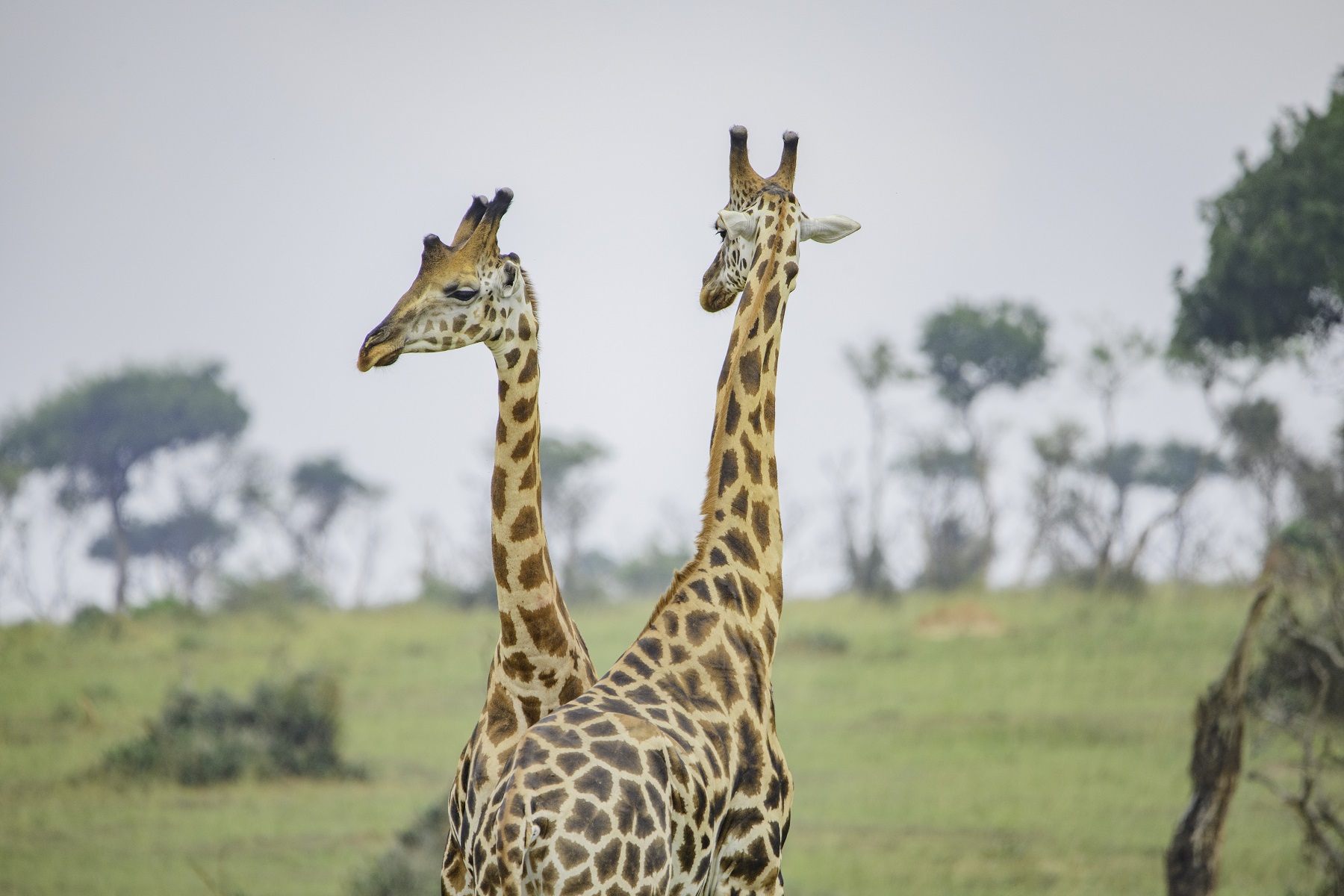
For years, communities bordering the park have experienced challenges associated with wildlife crossing into villages and farmlands. Animals such as elephants and other wildlife occasionally leave protected areas in search of food and water, resulting in damaged crops, destroyed property, and concerns for the safety of local residents. These interactions have often created tension between conservation efforts and the livelihoods of communities living alongside one of Uganda’s most treasured ecosystems.

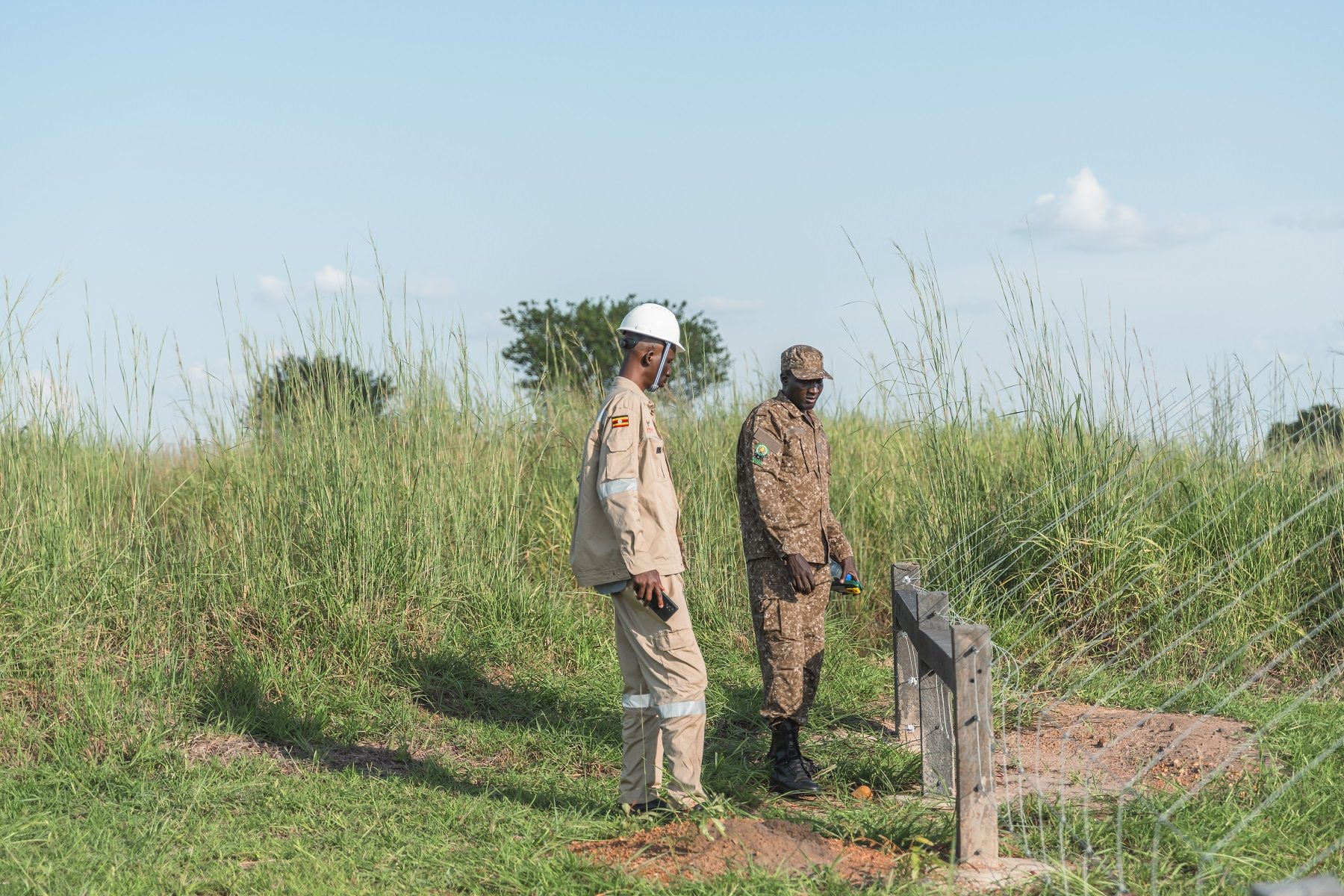
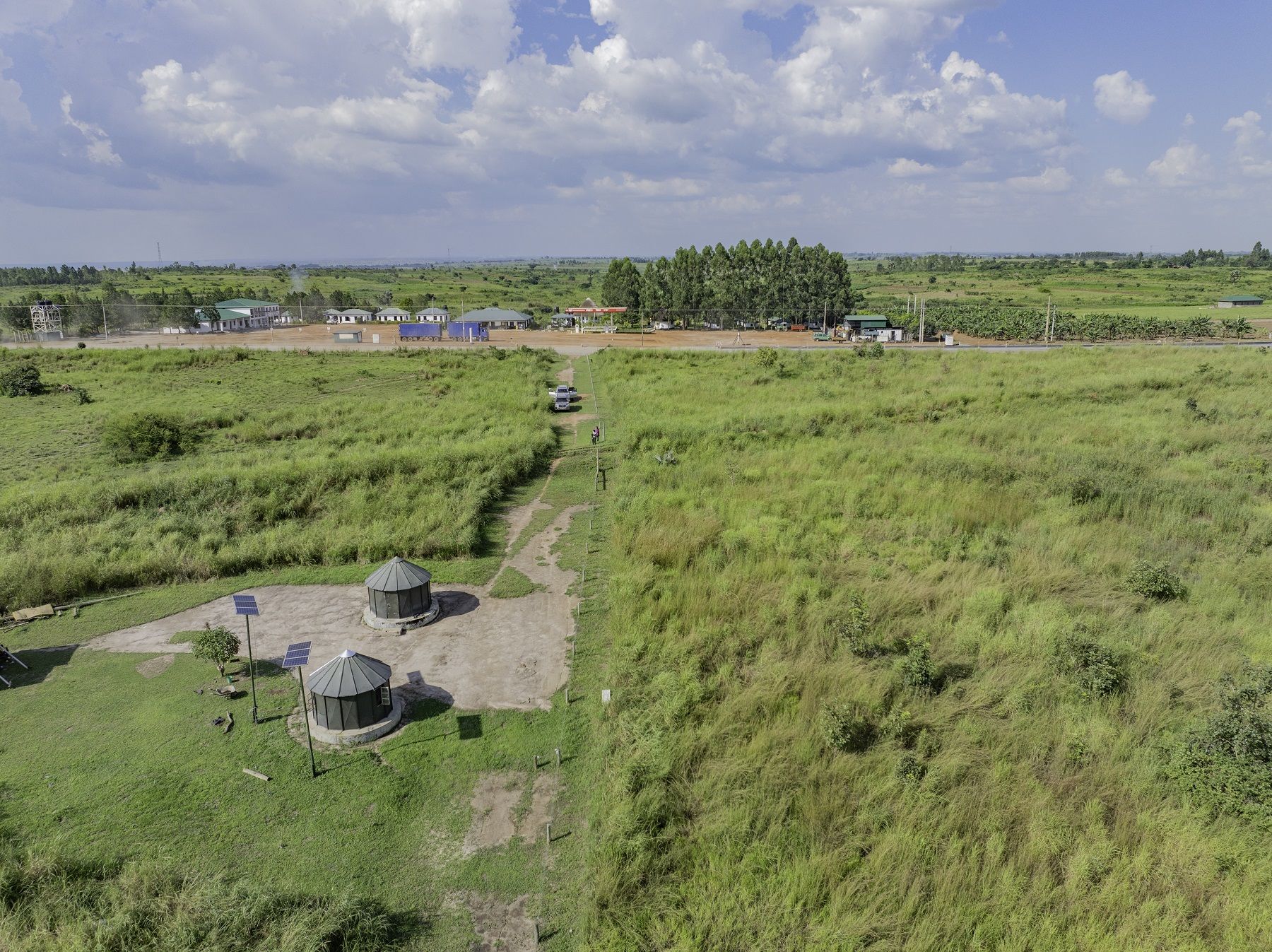
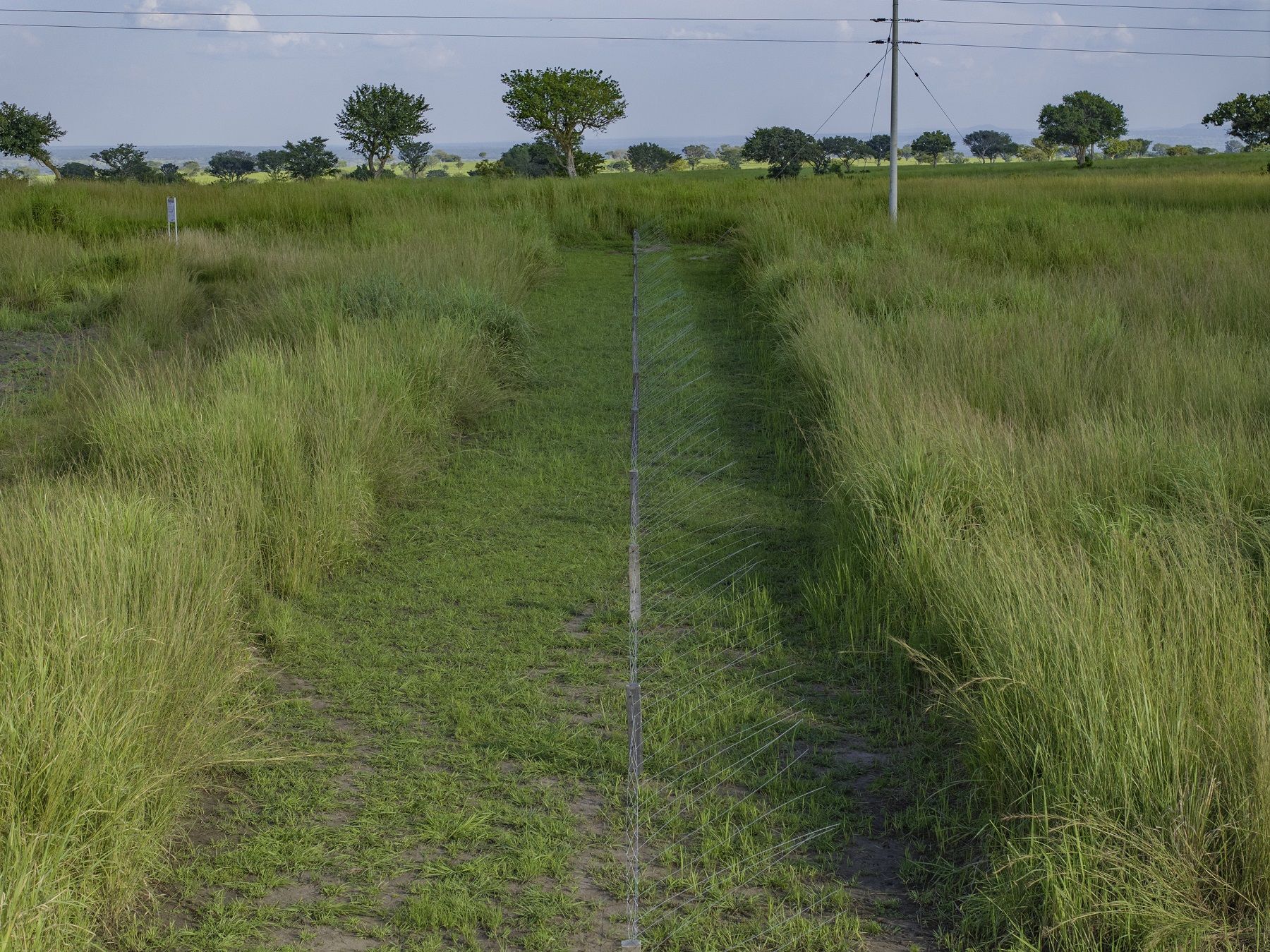
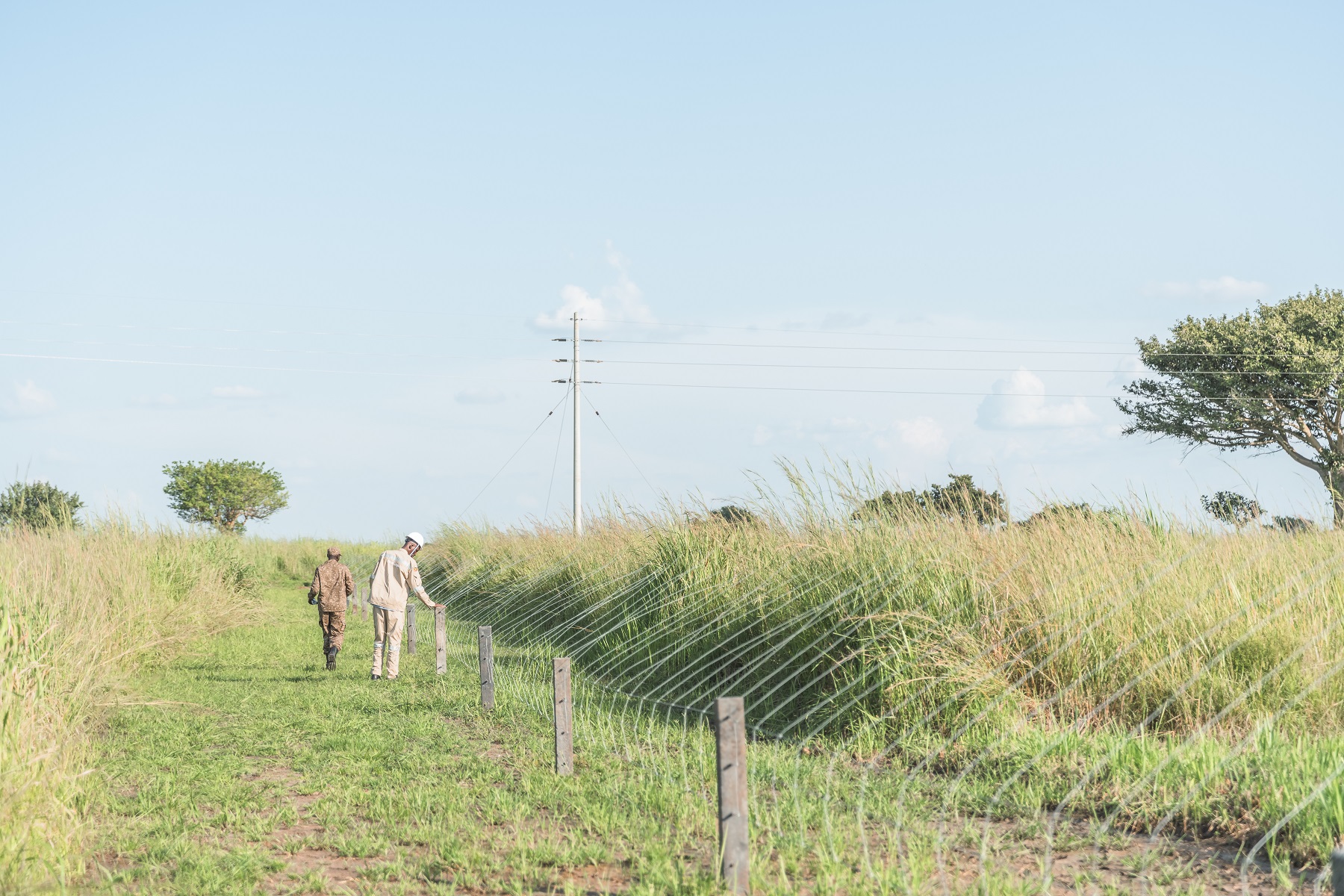
To help address this challenge, TotalEnergies EP Uganda, has supported the installation of an electric fence in collaboration with the Uganda Wildlife Authority (UWA). The fence serves as a practical and sustainable solution designed to reduce wildlife incursions into community areas while ensuring animals remain safely within their natural habitat.

Our filming journey took us to several communities where the impact of the project is already being felt. Through interviews and on-location footage, we witnessed firsthand how residents are experiencing positive change. Farmers spoke about reduced crop destruction, while community members shared stories of improved peace of mind knowing that measures are in place to help protect both people and wildlife.

One of the most compelling aspects of the story was hearing directly from beneficiaries whose lives have been affected by human-wildlife conflict in the past. Their experiences painted a clear picture of the challenges communities have faced and highlighted the significance of interventions that promote coexistence rather than conflict.

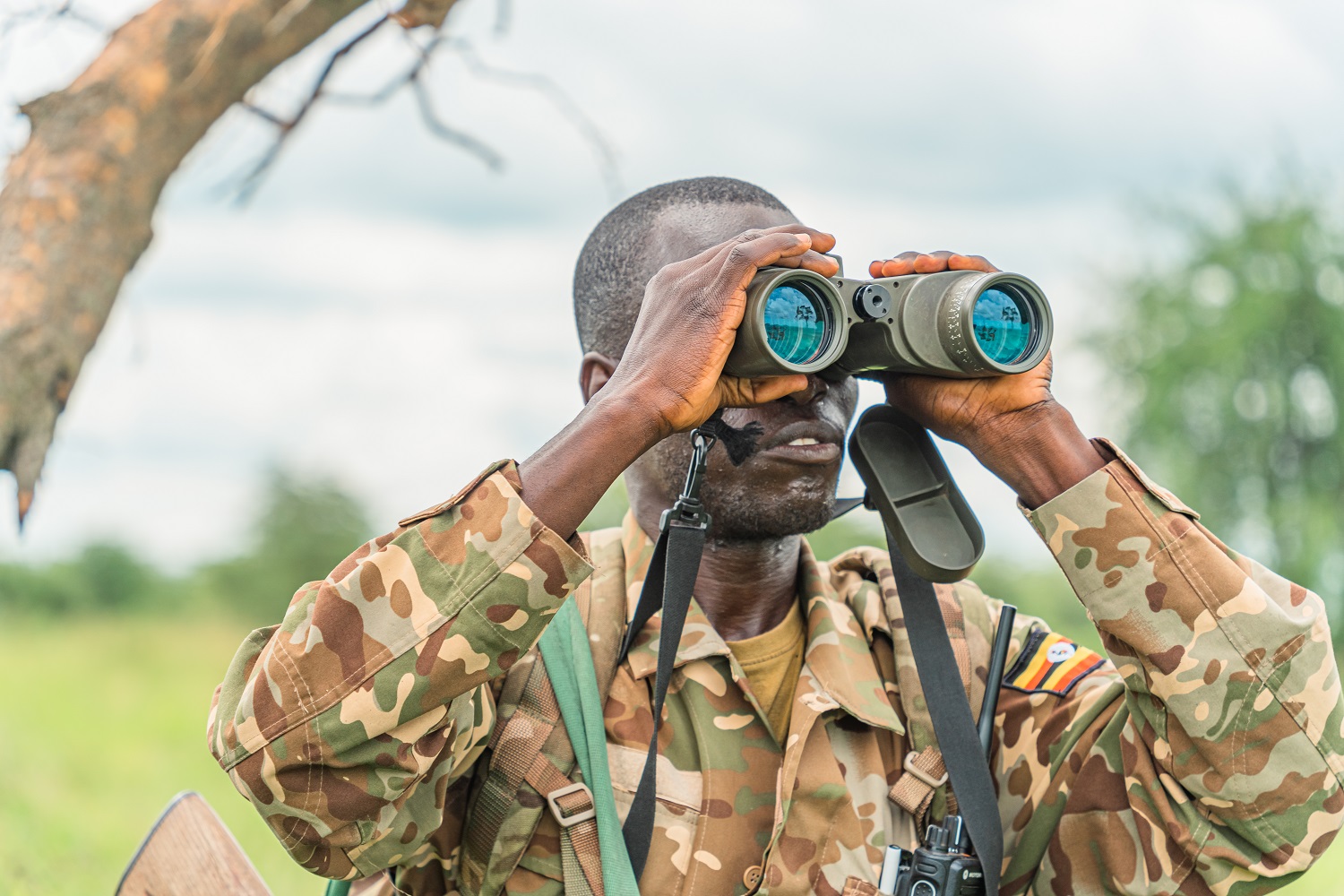
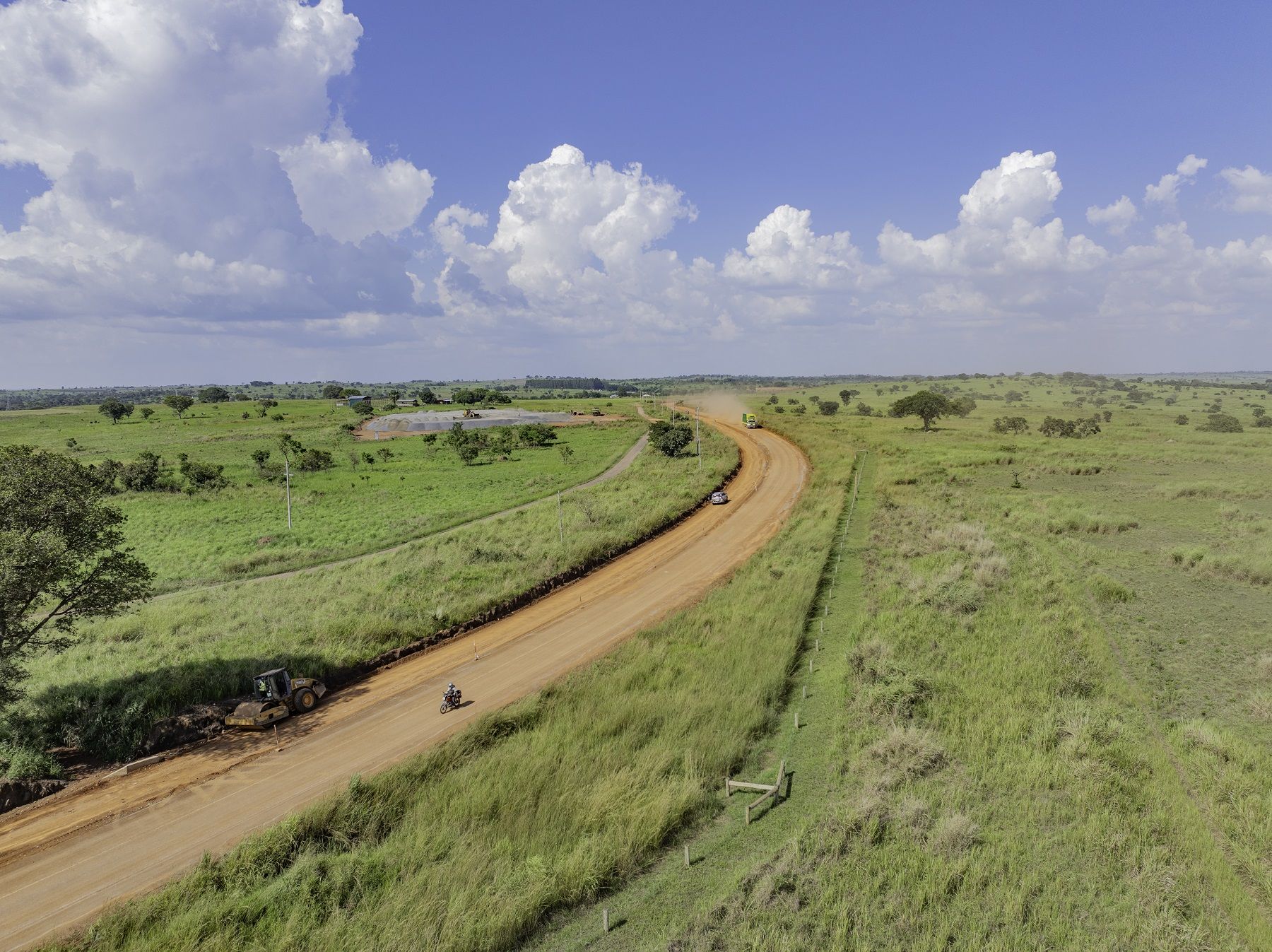
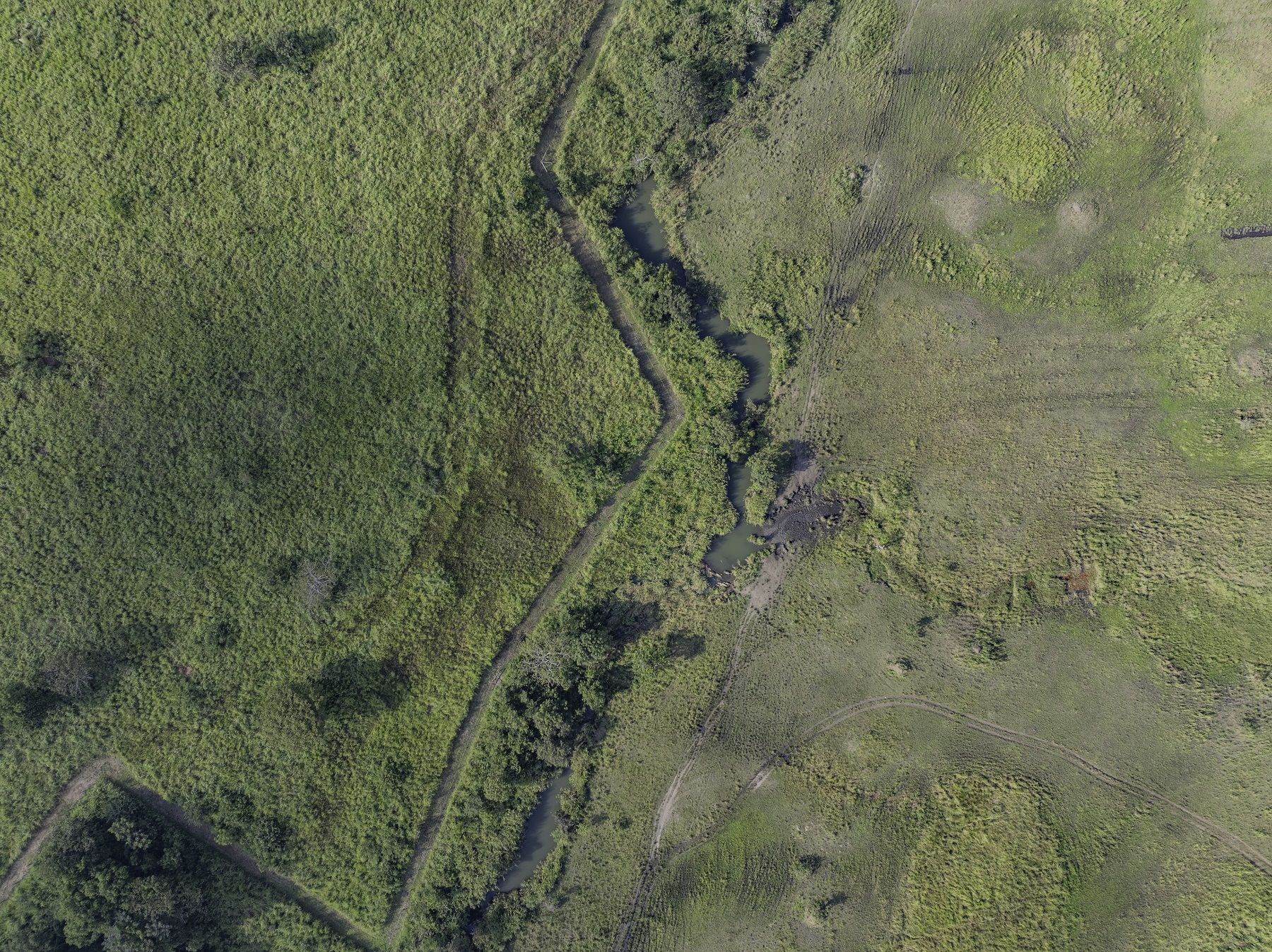
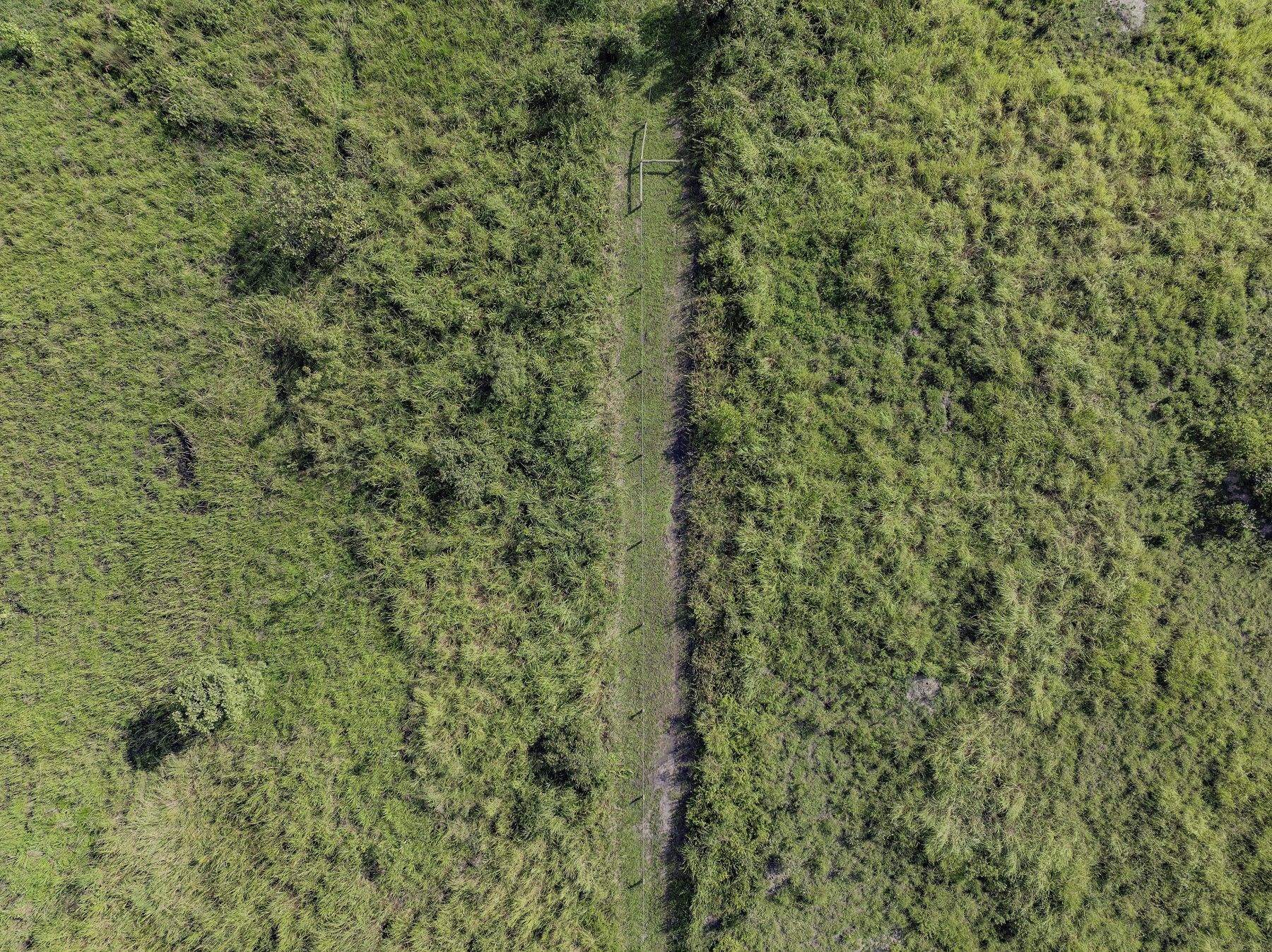
Using a combination of ground cinematography and aerial drone footage, our team captured the scale of both the landscape and the solution itself. Sweeping aerial views showcased the vast boundary between community land and the national park, helping viewers appreciate the complexity of managing human-wildlife interactions in such a unique environment. On the ground, intimate interviews and observational footage brought human voices to the forefront, ensuring the story remained rooted in the experiences of those most affected.

The electric fence initiative represents a collaborative effort between TotalEnergies, the Uganda Wildlife Authority, and local communities to create a safer and more sustainable future for people and wildlife alike.

Projects like these remind us that effective conservation extends beyond protected areas. Through visual storytelling, we aim to document these efforts and share the stories of communities, organizations, and initiatives working together to create lasting impact.

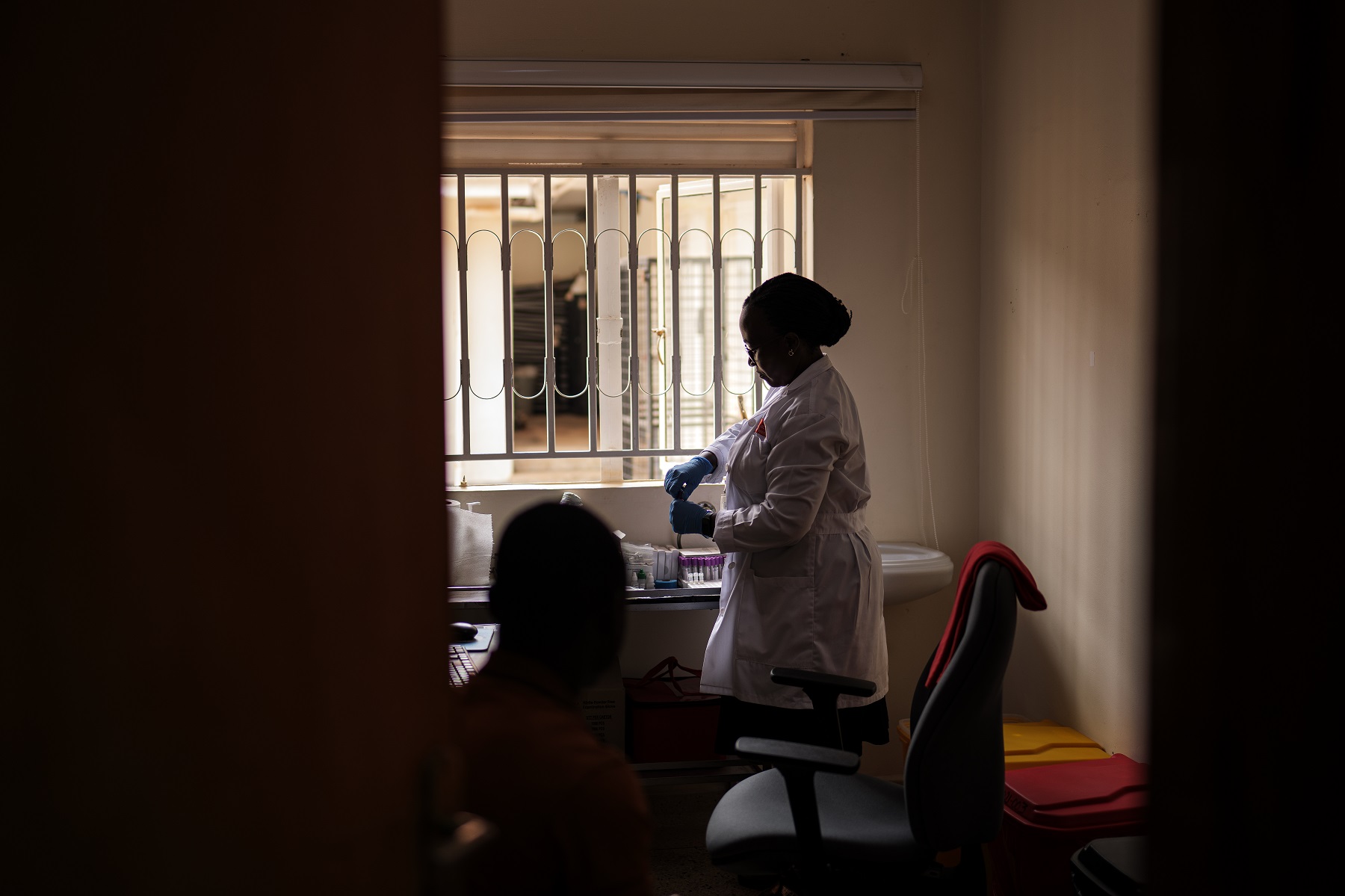
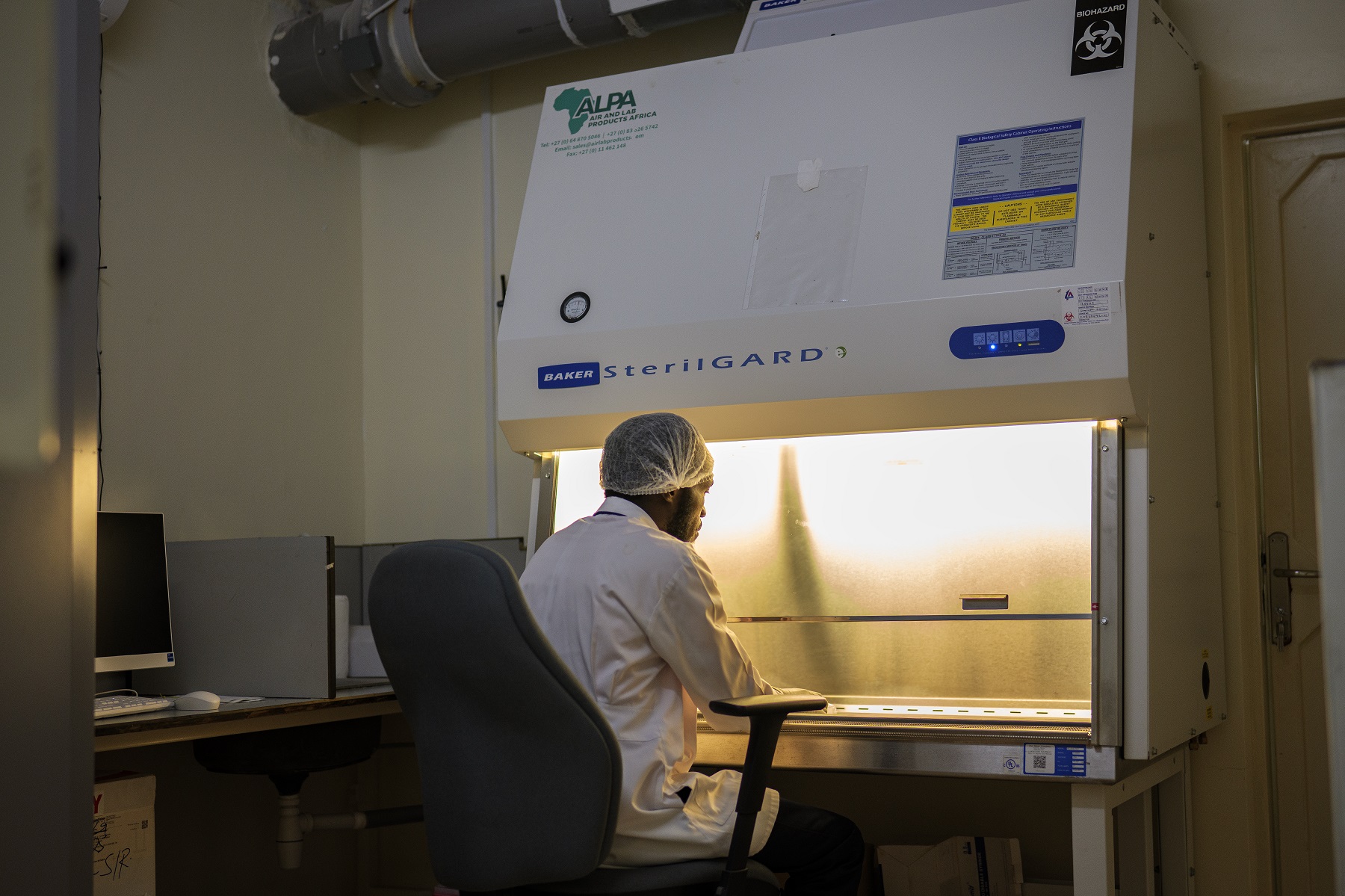
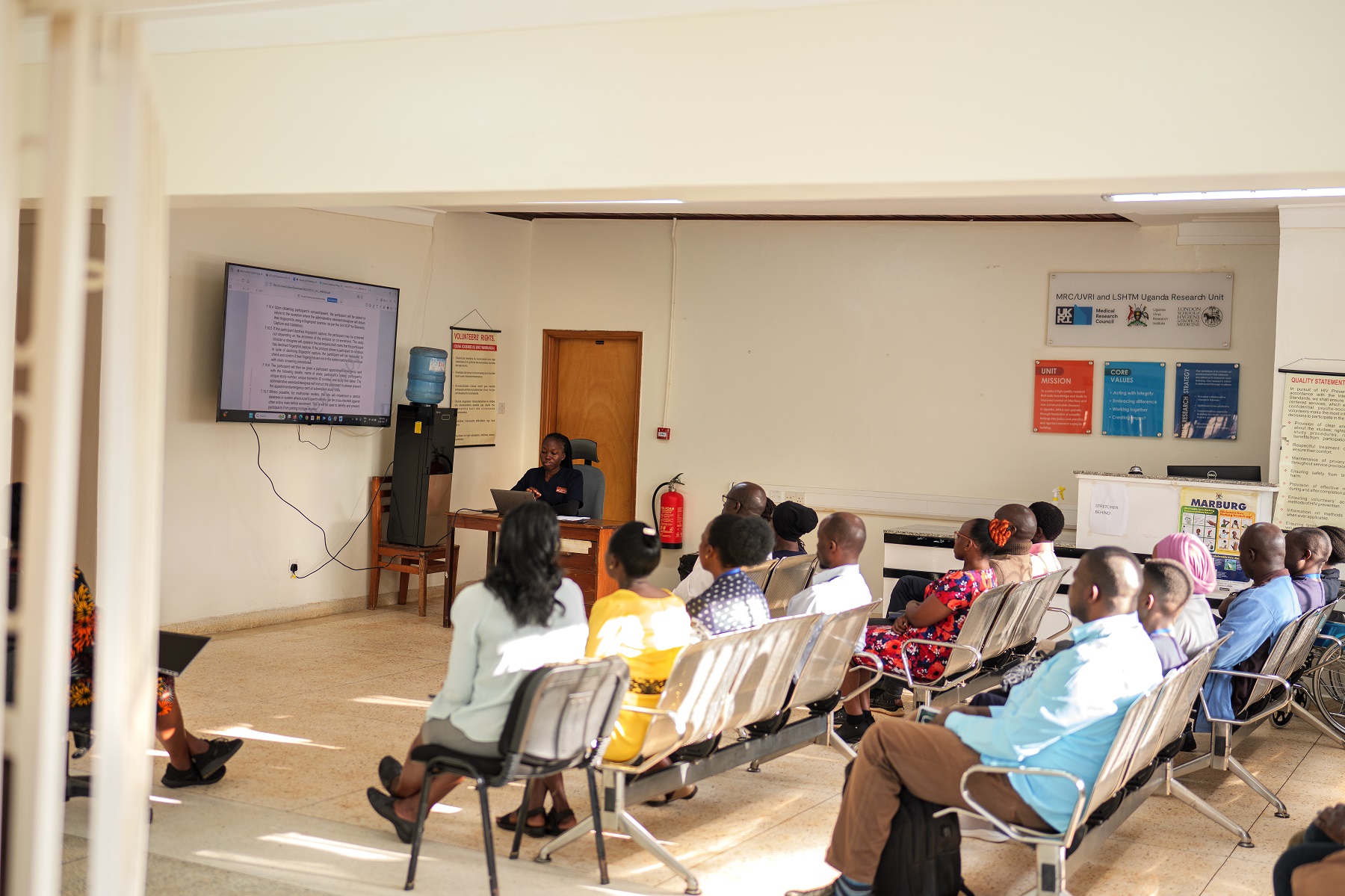
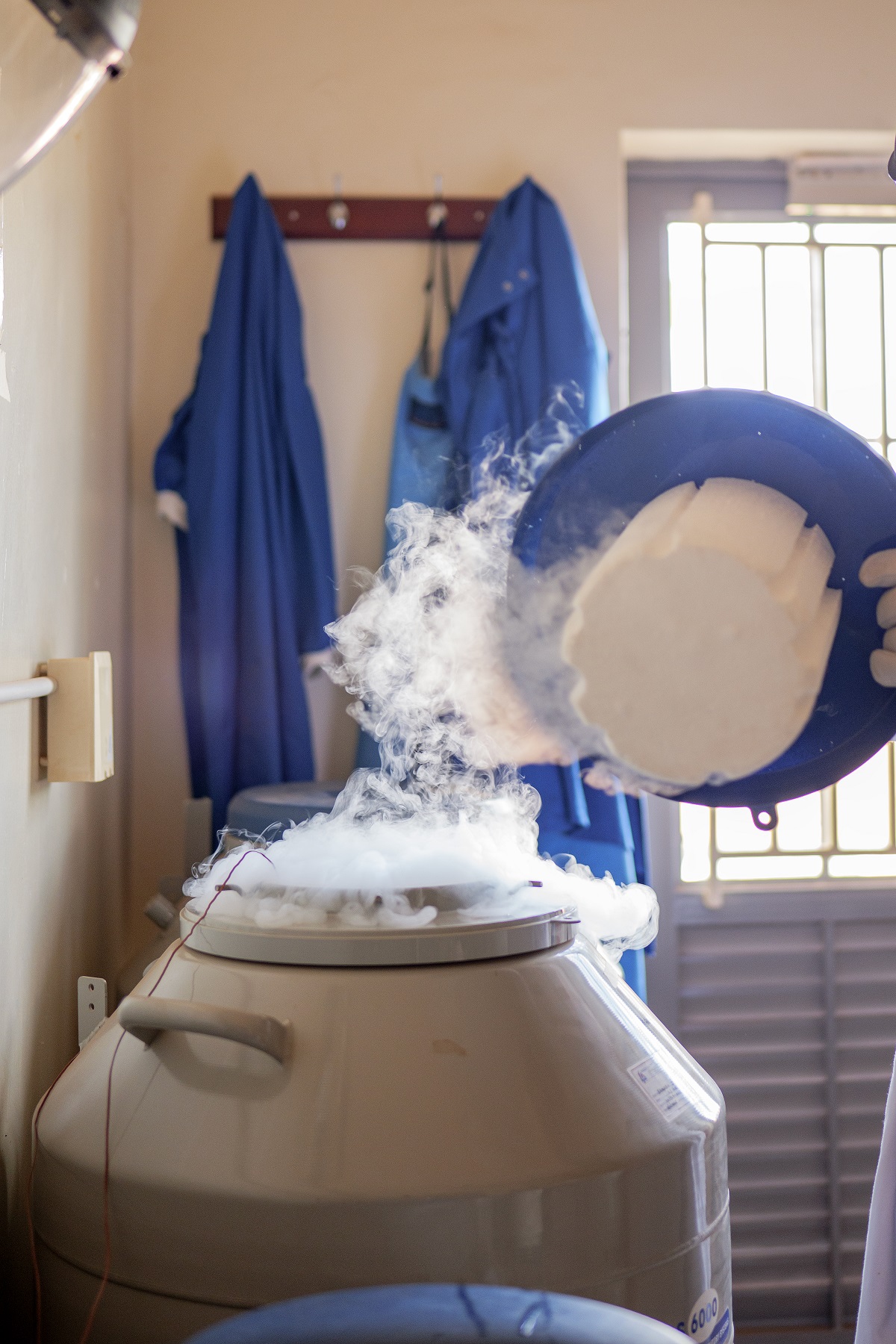
Documenting Uganda’s Future in Clinical Research: Filming the Clinical Research and Trials Platform

Client: MRC/UVRI

One of our strengths at Mara Mambo Media, is our vast knowledge on things, including science.

When our team was selected to document the Clinical Research and Trials Platform (CRTP) established by the Medical Research Council/Uganda Virus Research Institute (MRC/UVRI) and its partners, we were excited!

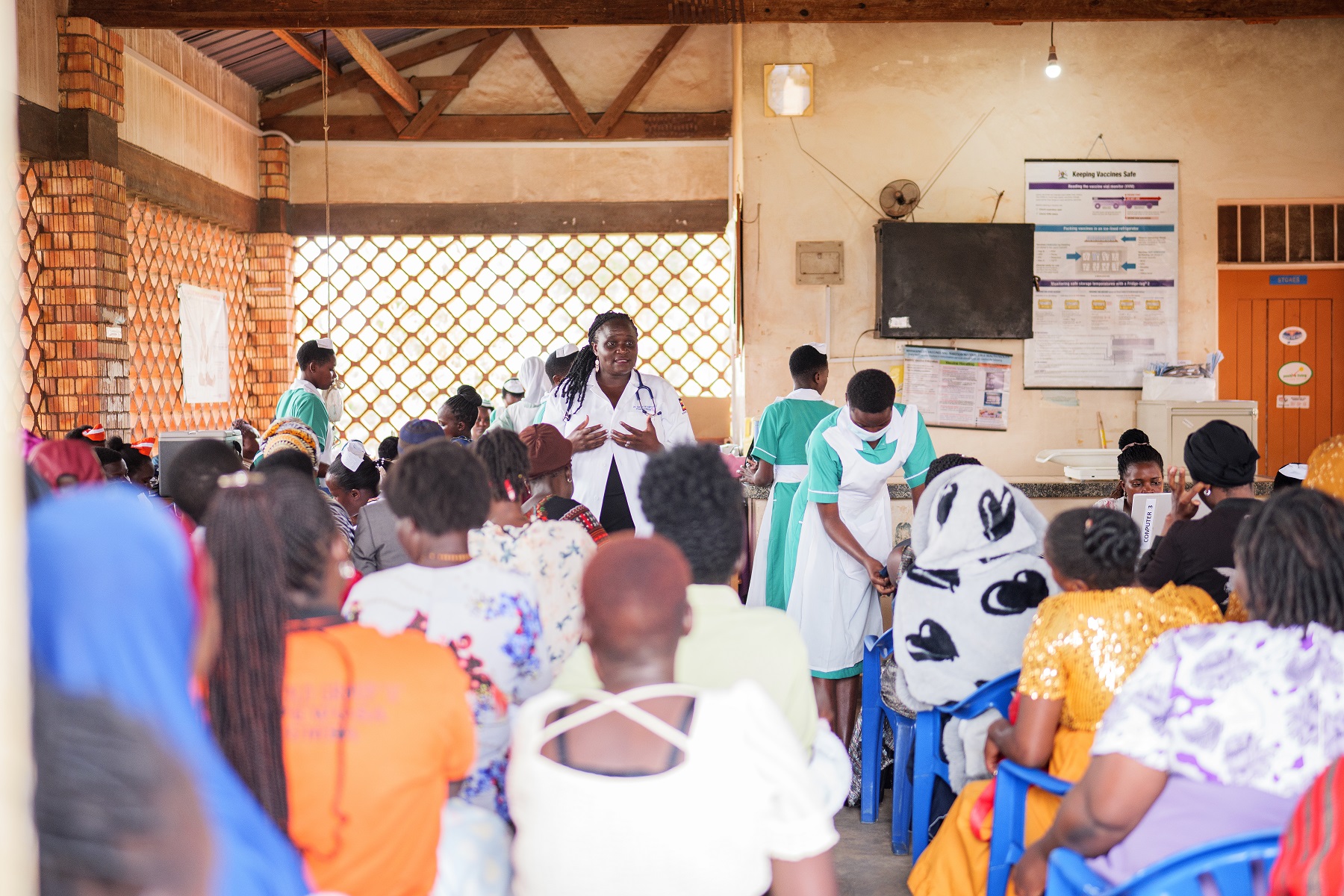
Our filming journey began in Masaka, where the platform conducts large-scale HIV prevention studies. Through a combination of community-based and clinical research approaches, teams in Masaka work closely with participants to generate evidence that informs prevention strategies and public health responses.

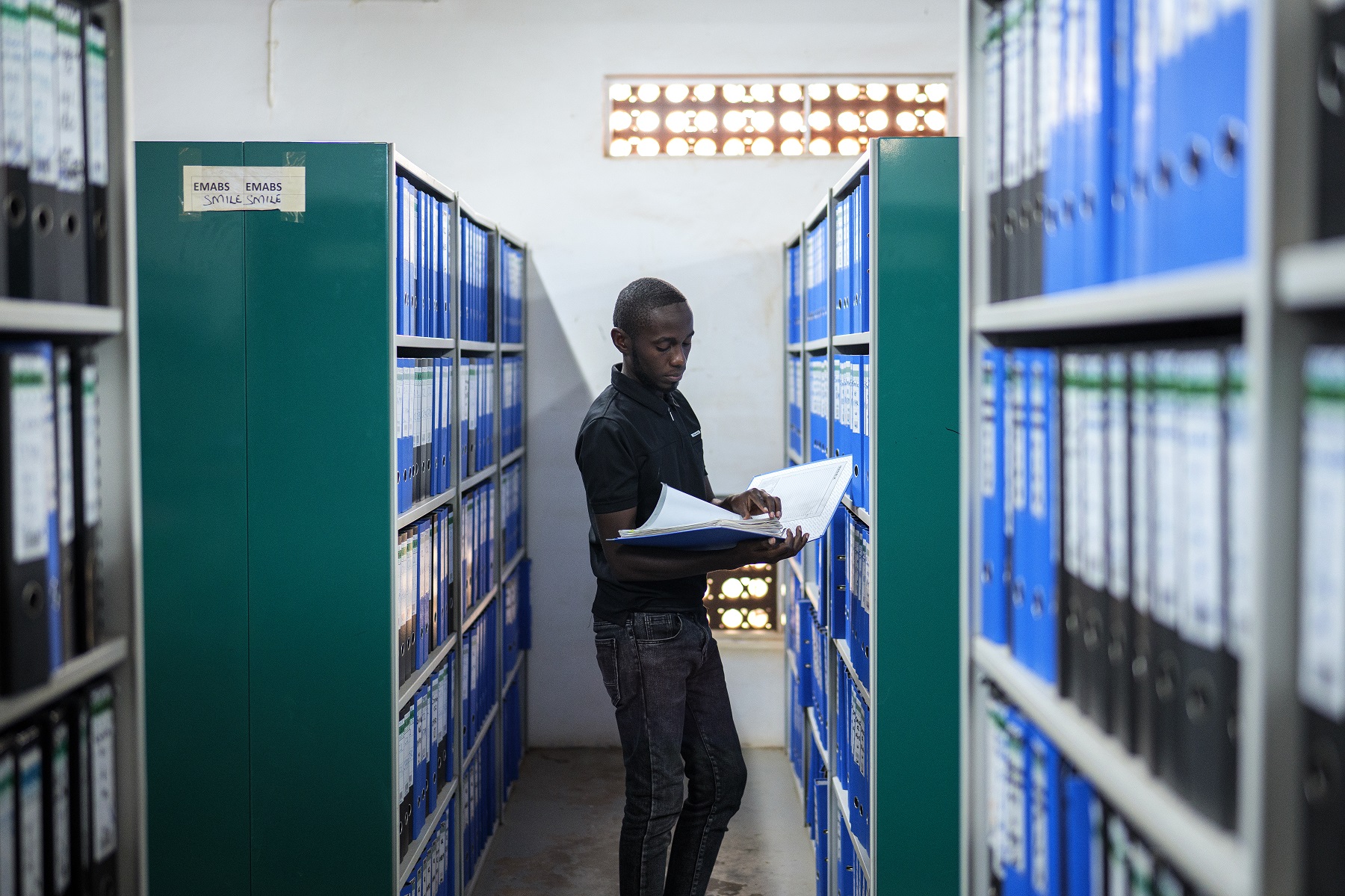
We then connected to Kyamulibwa, home to a long-running general population cohort that provides invaluable real-world evidence on the effectiveness of health interventions. This research environment allows scientists to evaluate how interventions perform in everyday community contexts, helping bridge the gap between research findings and practical implementation.

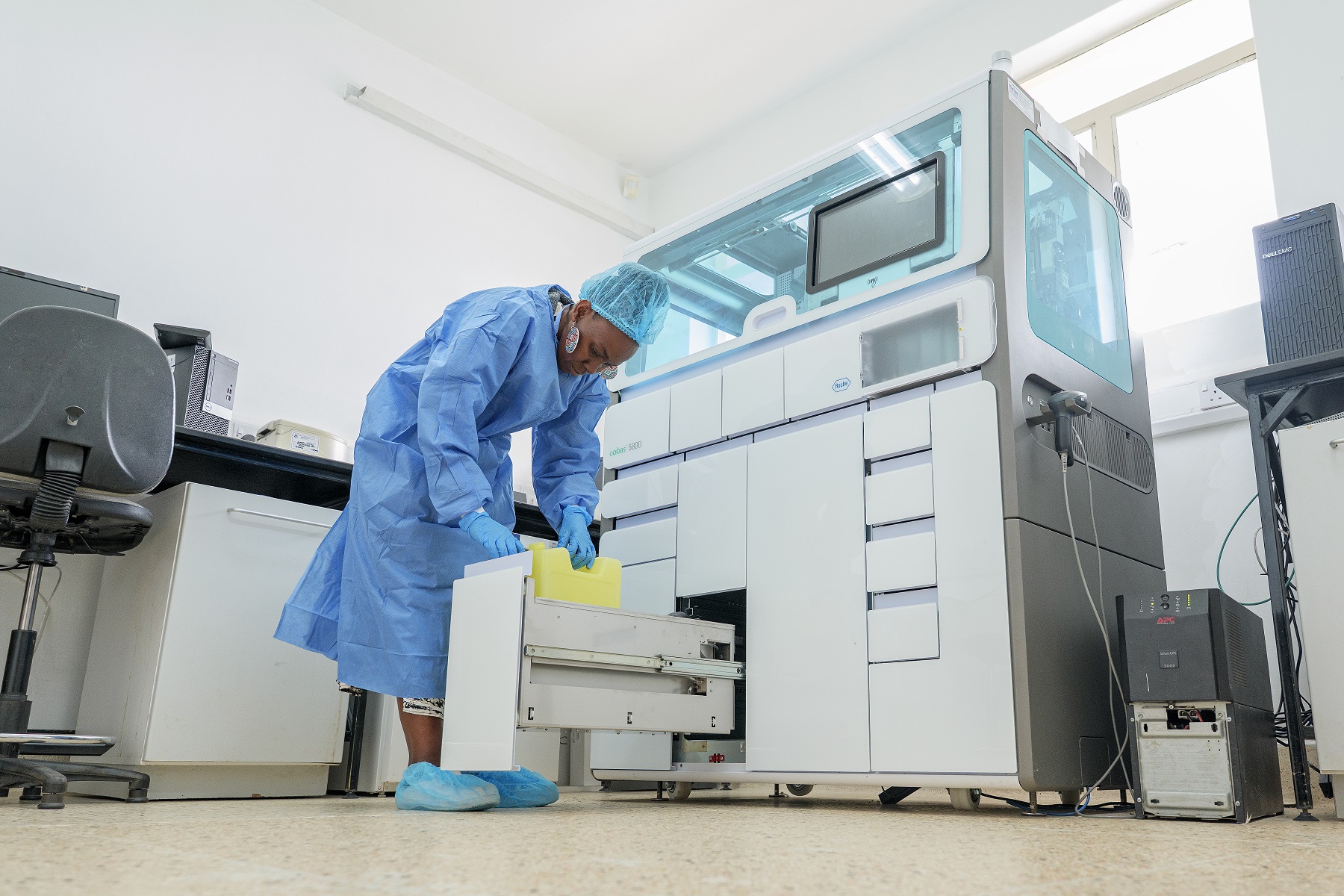
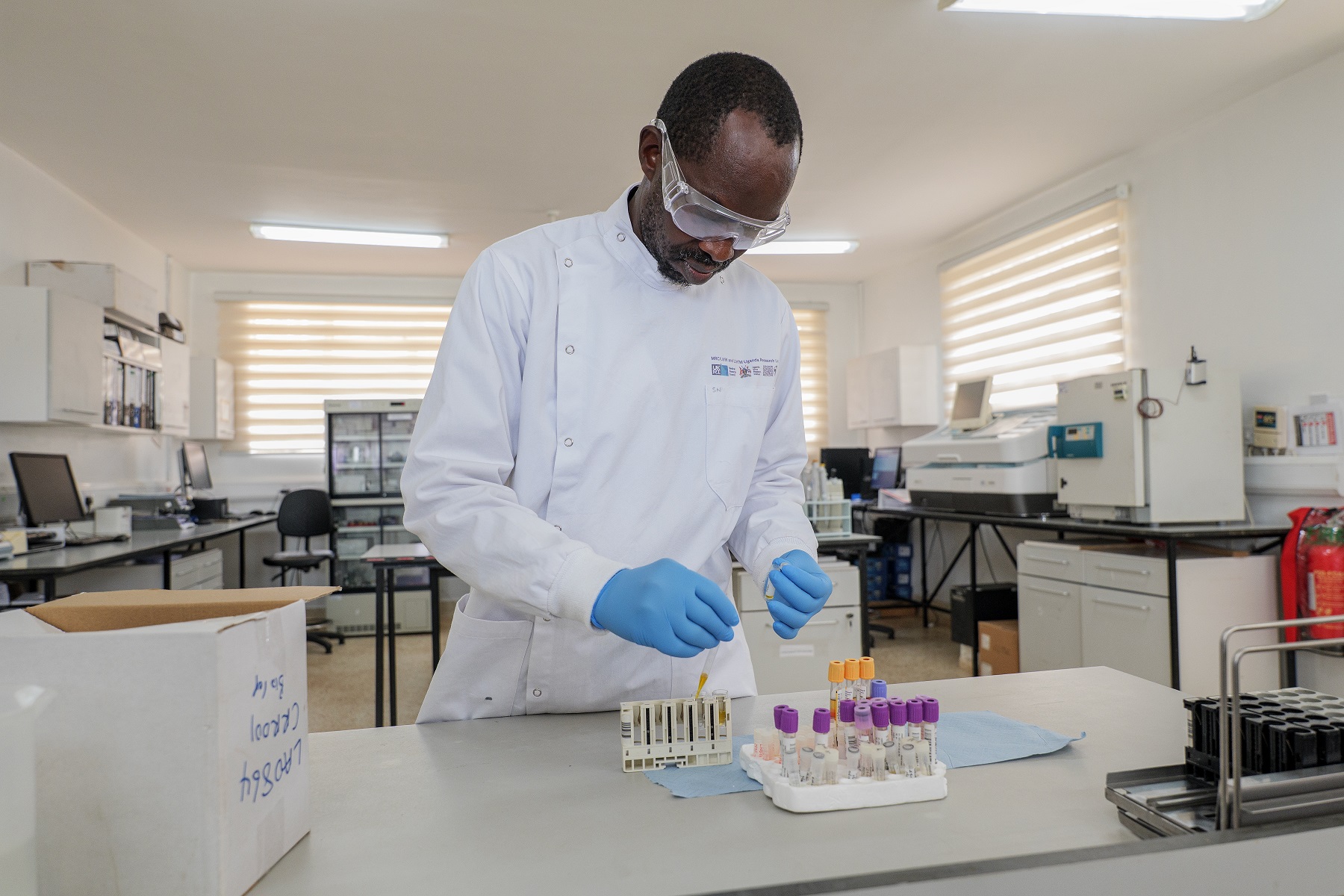
In Entebbe, we documented treatment-focused clinical trials that evaluate new HIV treatments, vaccines, and other health interventions. Within laboratories, clinical facilities, and research environments, we witnessed the precision, professionalism, and commitment that underpin every stage of the research process.

The CRTP platform was established to address a critical need: the shortage of highly skilled human resources and clinical research leadership necessary to support the growing demand for high-quality health research.

Through interviews, observational footage, and cinematic visuals, our team captured not only the scientific work taking place but also the human stories behind it. We met dedicated researchers committed to advancing knowledge, healthcare professionals supporting participants throughout the research process, and community members whose involvement helps make scientific progress possible.

Using both ground cinematography and drone technology, we documented the scale and diversity of the platform’s operations. Aerial footage provided wondrous views of research facilities and surrounding communities, while ground-level storytelling focused on the people whose dedication drives the platform’s success. One of the most rewarding aspects of this project was the opportunity to deepen our understanding of clinical research and the vital role it plays in improving public health. As storytellers, we believe that effective communication begins with understanding the subject matter.

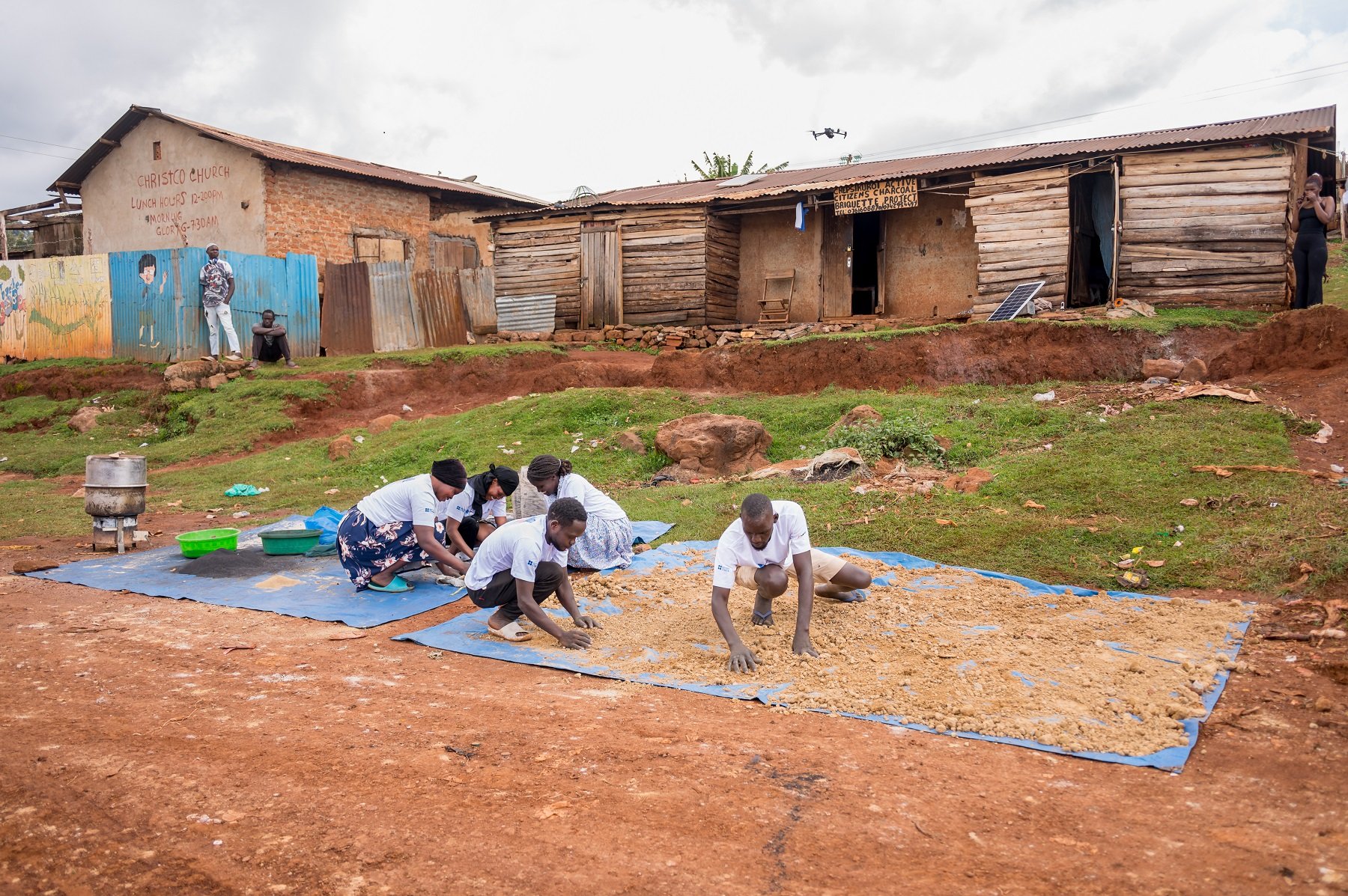
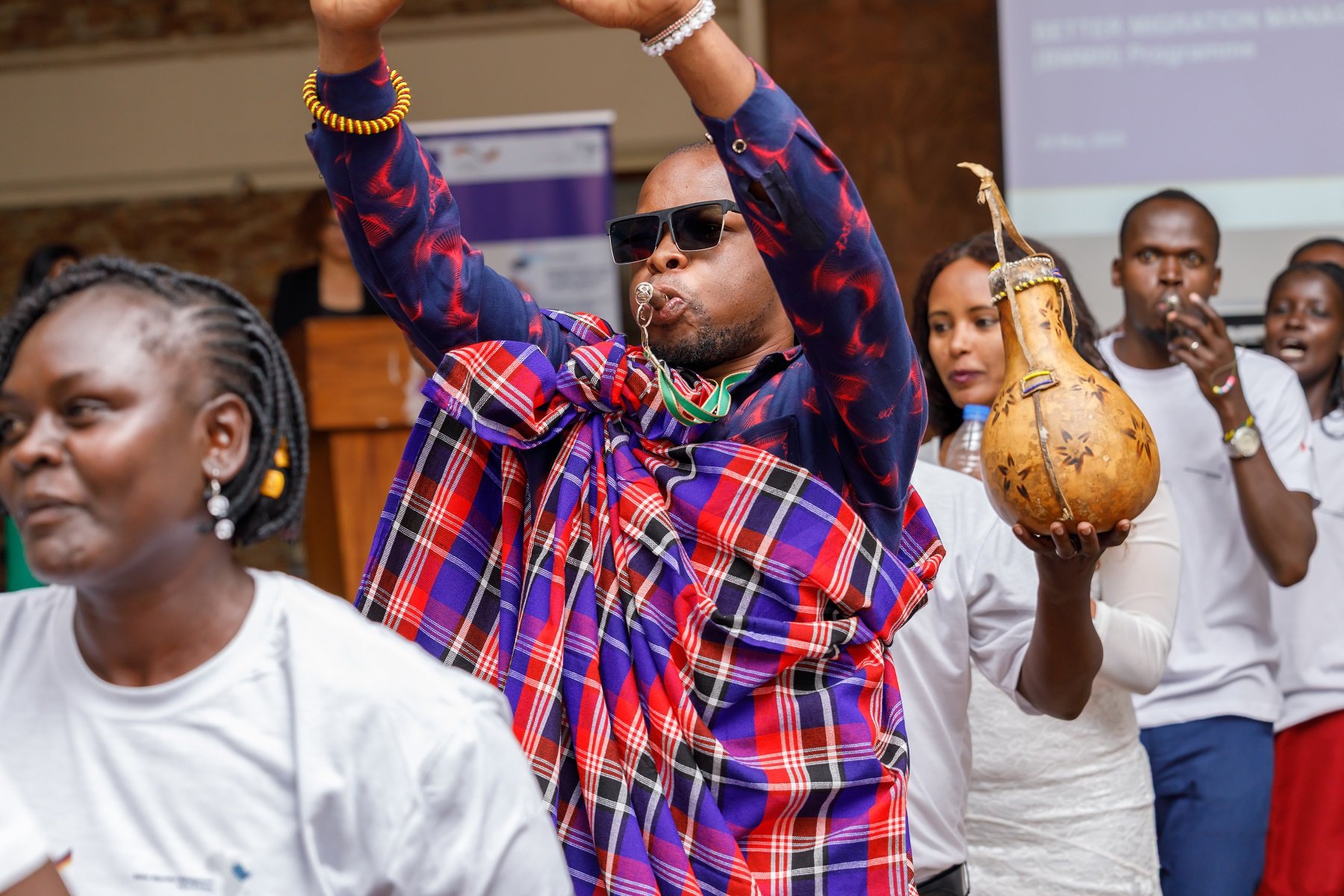
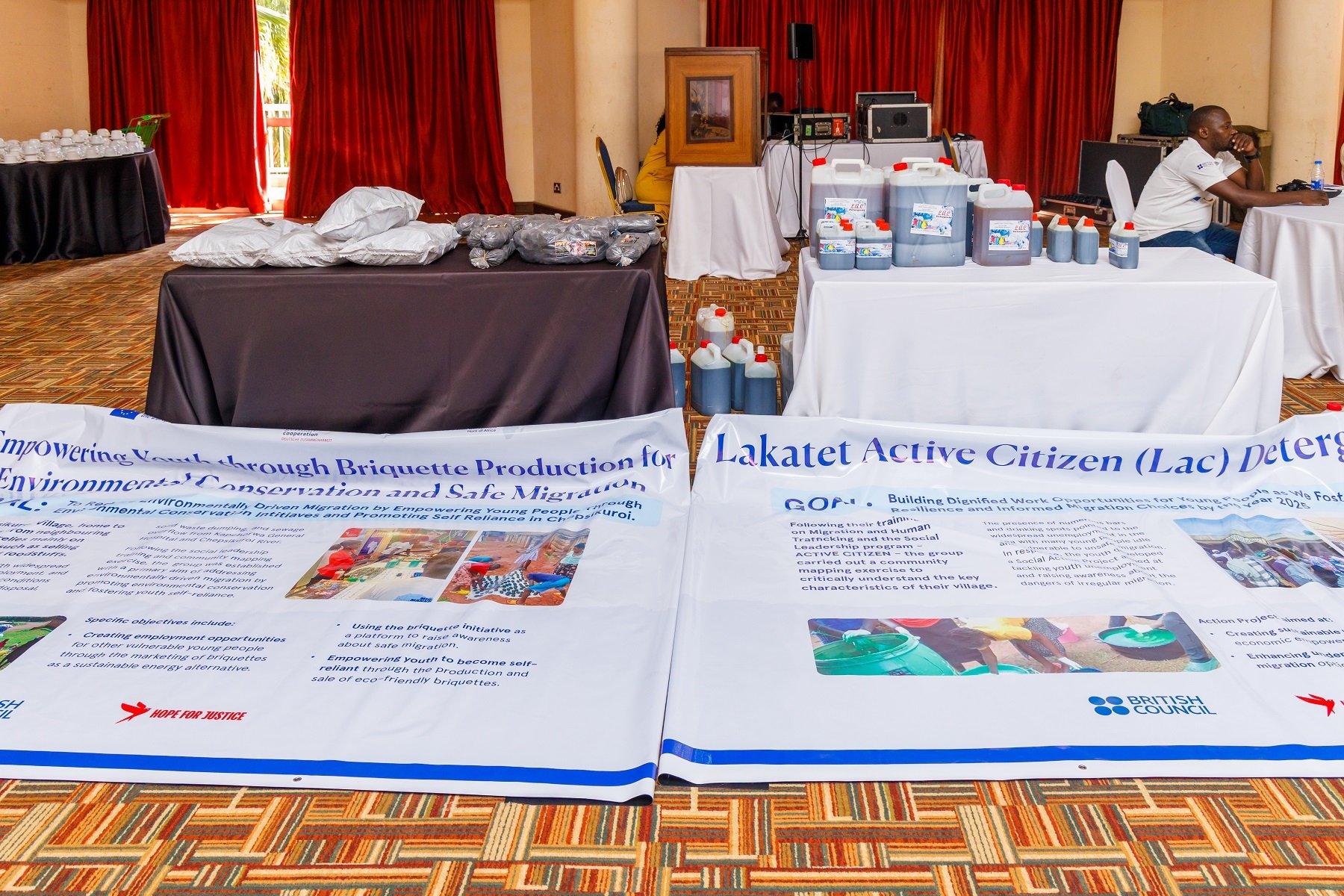
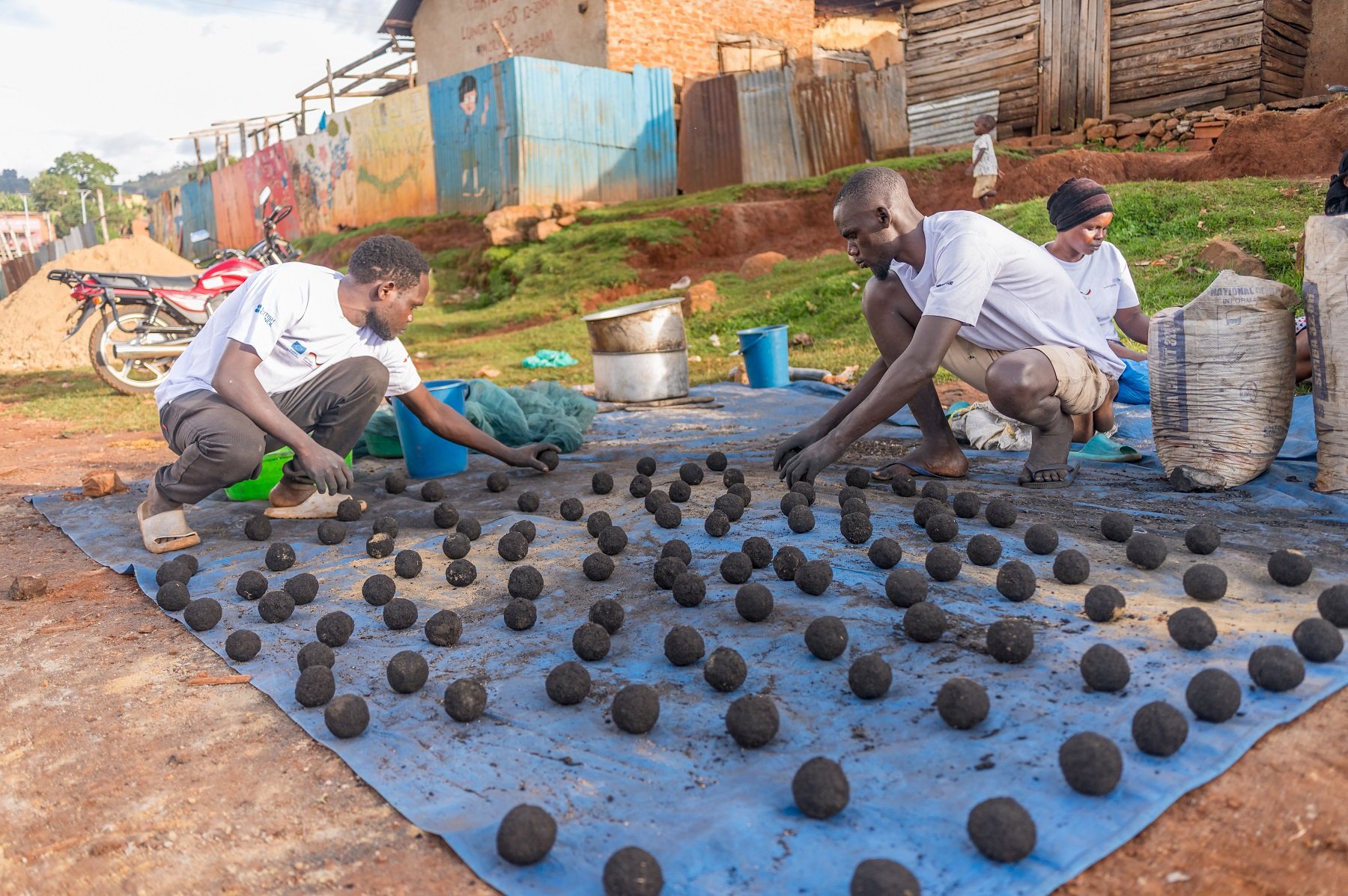
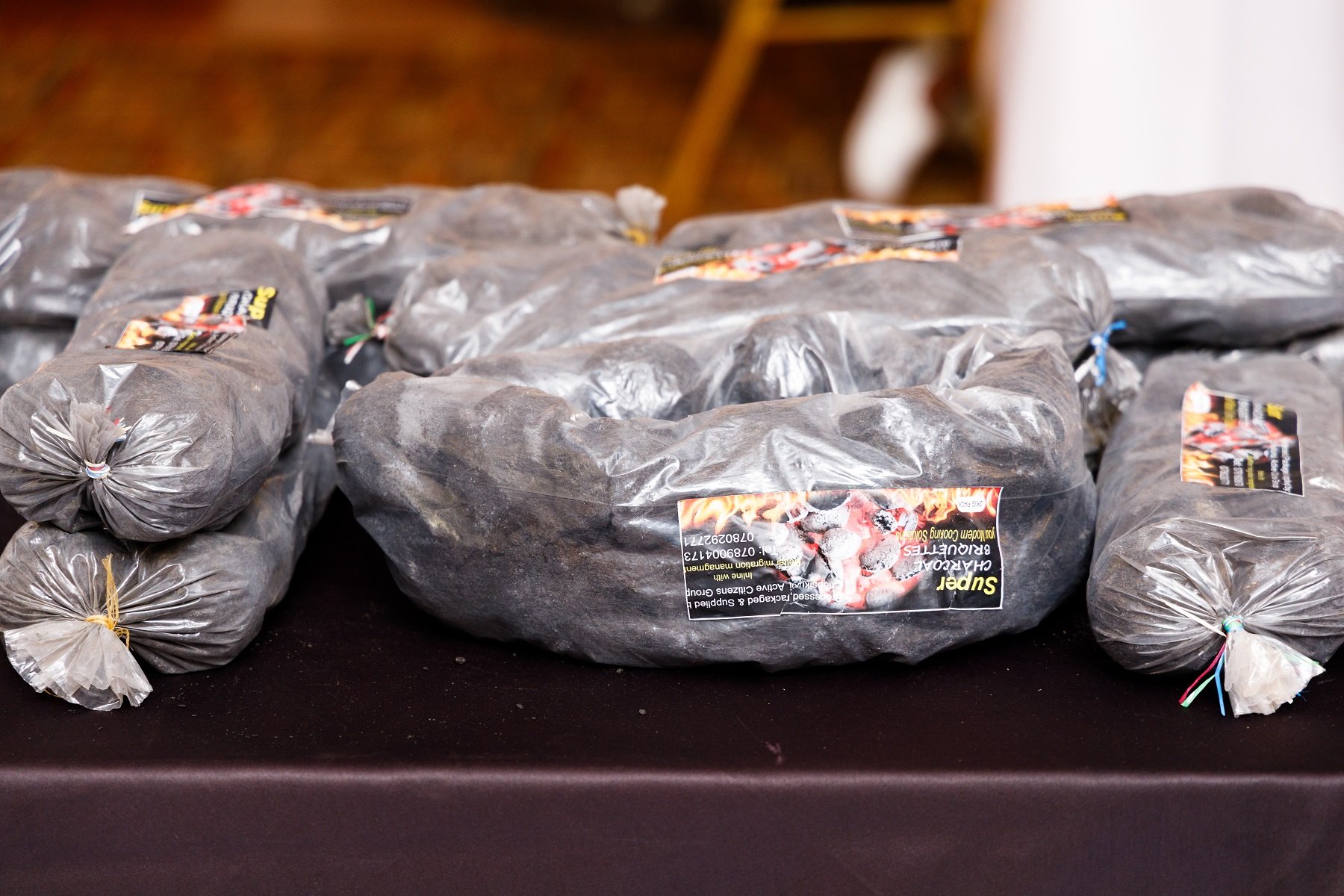
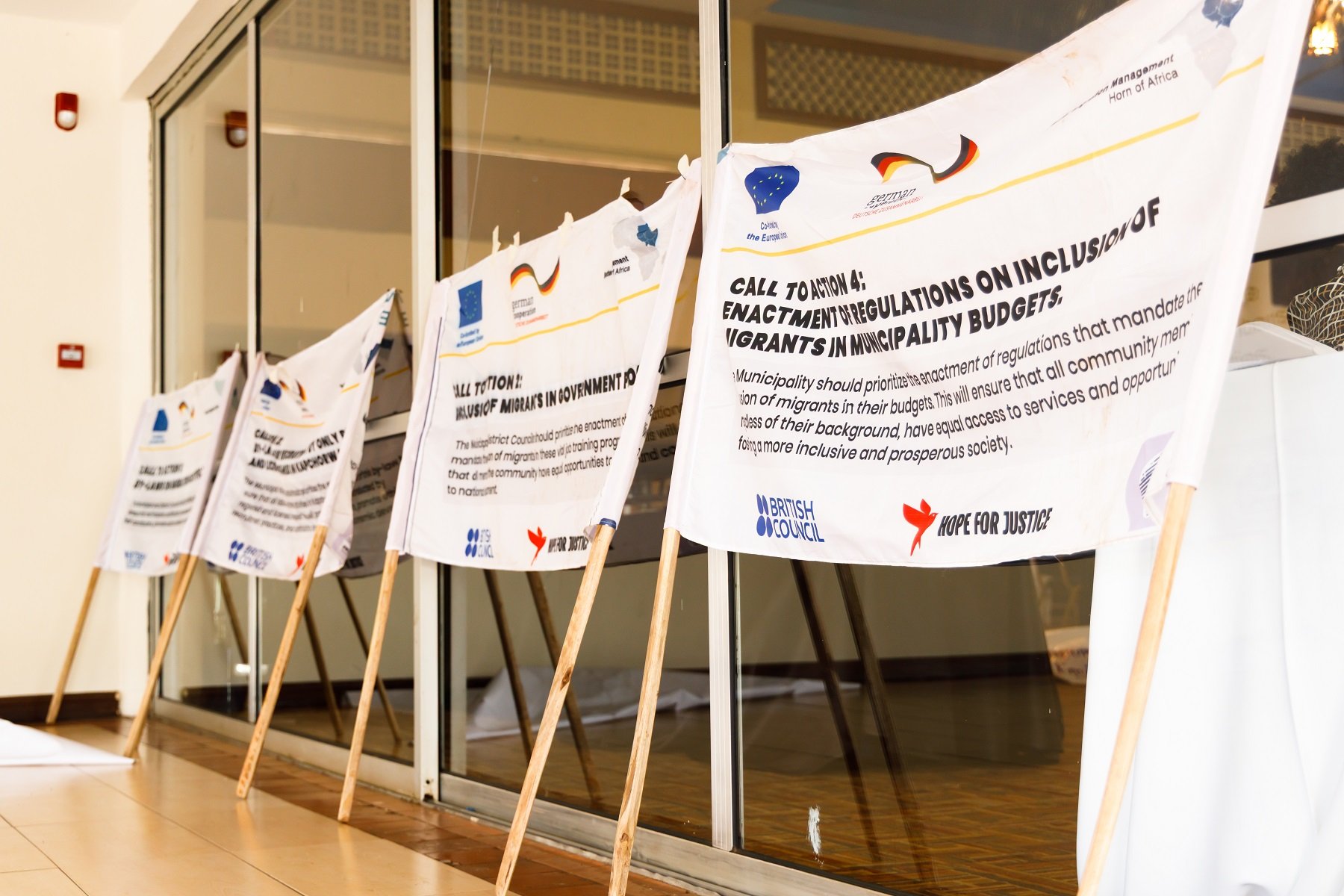
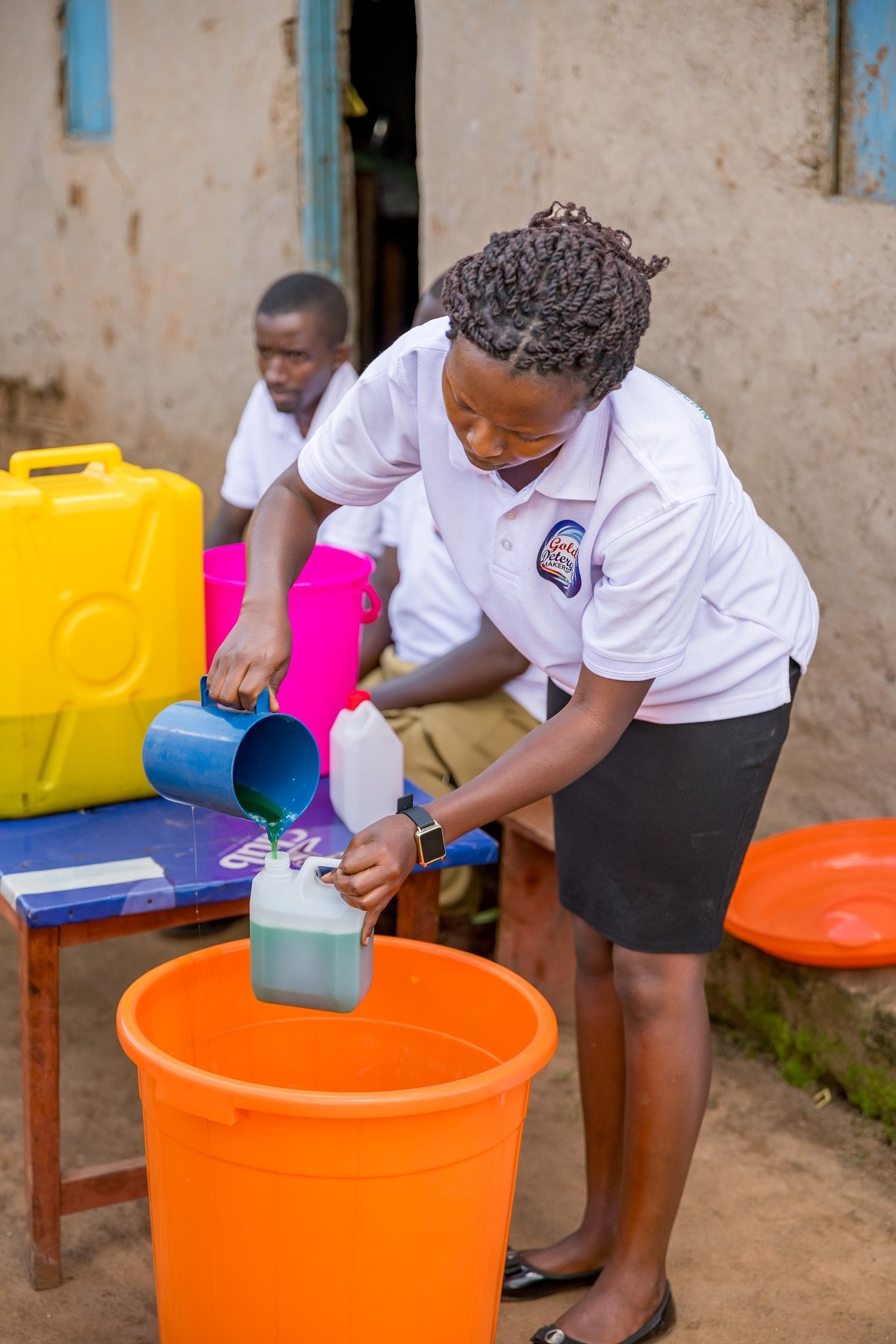
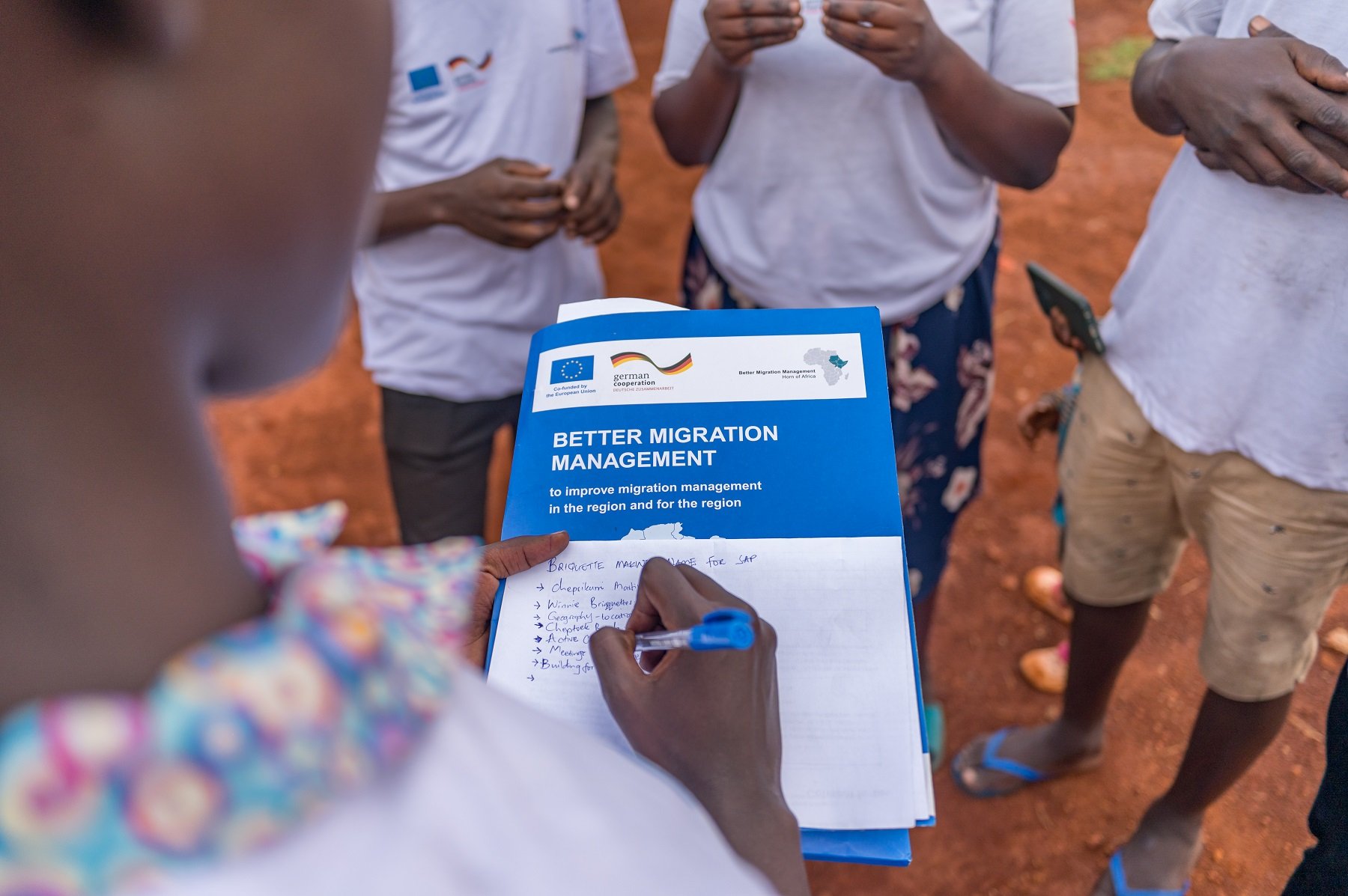
Mara Mambo Media Documents Better Migration Management in Uganda

Client: British Council in Uganda

Migration continues to shape the lives of millions of people across Africa, creating opportunities for economic growth, skills development, and cultural exchange.

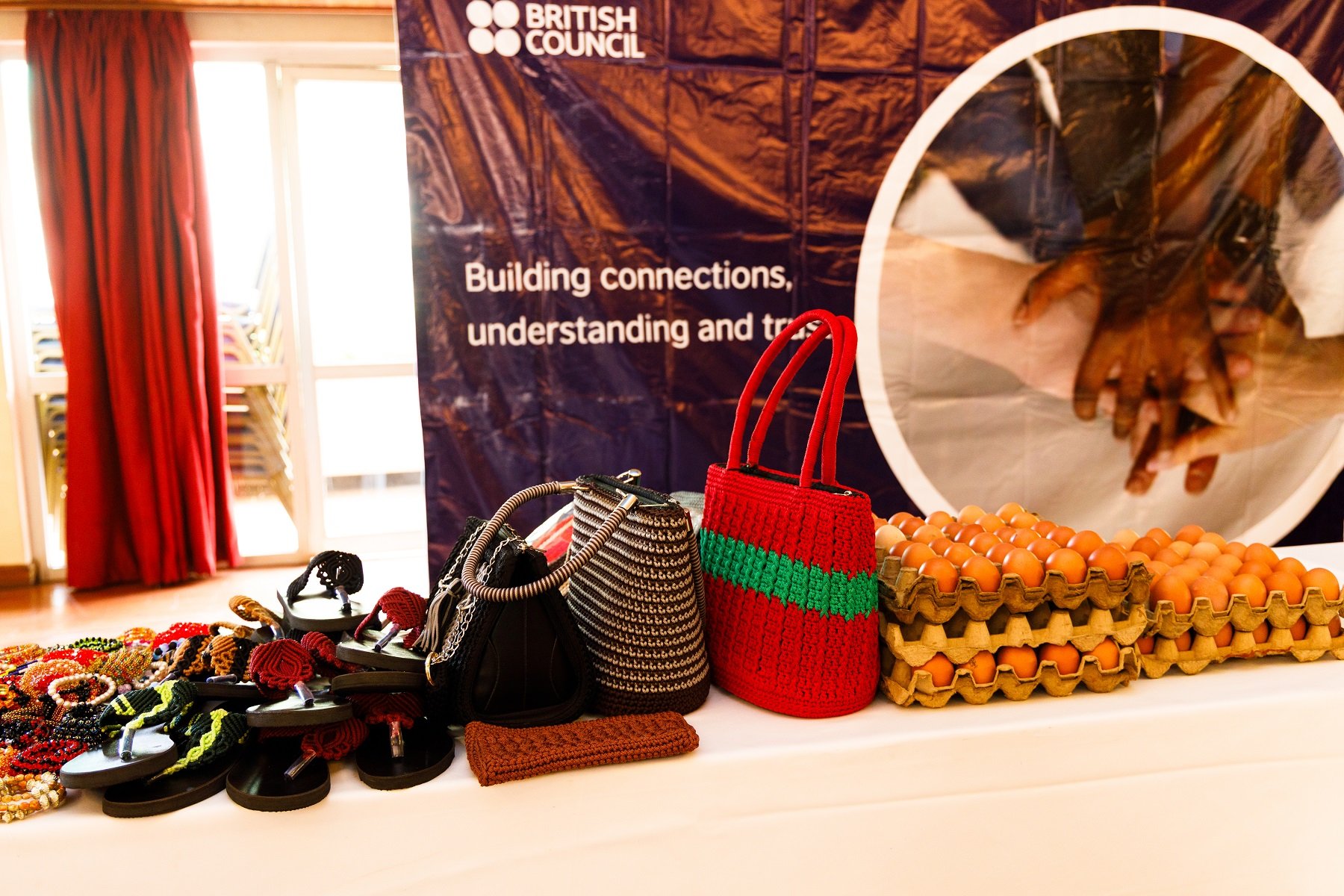
At the same time, migration journeys can present significant challenges when individuals lack access to reliable information and safe pathways. Through the power of documentary storytelling, Mara Mambo Media recently undertook an assignment to document the impact of the Better Migration Management (BMM) Programme, implemented by the British Council in Uganda, and the lives it touches.

One of our storytelling styles is letting those living the reality to tell their stories.

Our documentary production for the Better Migration Management Programme focused on capturing true and genuine voices and lived experiences, highlighting how migration affects individuals, families, and communities across Uganda.

Through interviews, observational footage, and community perspectives, the documentary explores the realities behind migration decisions while showcasing the importance of access to information, skills training, and support systems that help individuals make informed choices about their futures.

The Better Migration Management Programme is a regional initiative that seeks to promote safe, orderly, and regular migration while addressing the risks associated with irregular migration. Implemented by a consortium of partners, including the British Council, the programme supports efforts to improve migration governance, strengthen protection mechanisms, and expand opportunities for young people.

Our documentary highlights how these interventions are creating pathways for individuals to access information, develop skills, and pursue opportunities while reducing vulnerabilities associated with unsafe migration practices.

Every migration story is unique. Some individuals migrate in pursuit of education, employment, or entrepreneurship opportunities. Others seek to improve the wellbeing of their families or build new futures for themselves.

These personal accounts provide audiences with a deeper understanding of migration beyond statistics and policy discussions, placing human experiences at the center of the narrative.

Development programmes often generate meaningful impact that can be difficult to communicate through reports and data alone. Documentary film provides a powerful medium for translating programme outcomes into relatable human stories.

For organizations working in migration, education, livelihoods, governance, and community development, visual storytelling can:


      • Amplify beneficiary voices.

      • Demonstrate programme impact.

      • Increase public awareness.

      • Support advocacy and policy engagement.

      • Build trust among stakeholders and communities.

    Producing a documentary on migration requires more than technical expertise. It demands sensitivity, trust-building, and ethical storytelling practices.

    Our team worked closely with programme stakeholders and participants to ensure that stories were told accurately, respectfully, and authentically. From story development and filming to editing and post-production, every stage of the project was guided by a commitment to capturing experiences with dignity while maintaining high production standards. The final documentary serves as both a communication tool and a lasting record of the programme’s impact on the lives of Ugandans.

    Event and Conference Photography in Uganda: What to Expect

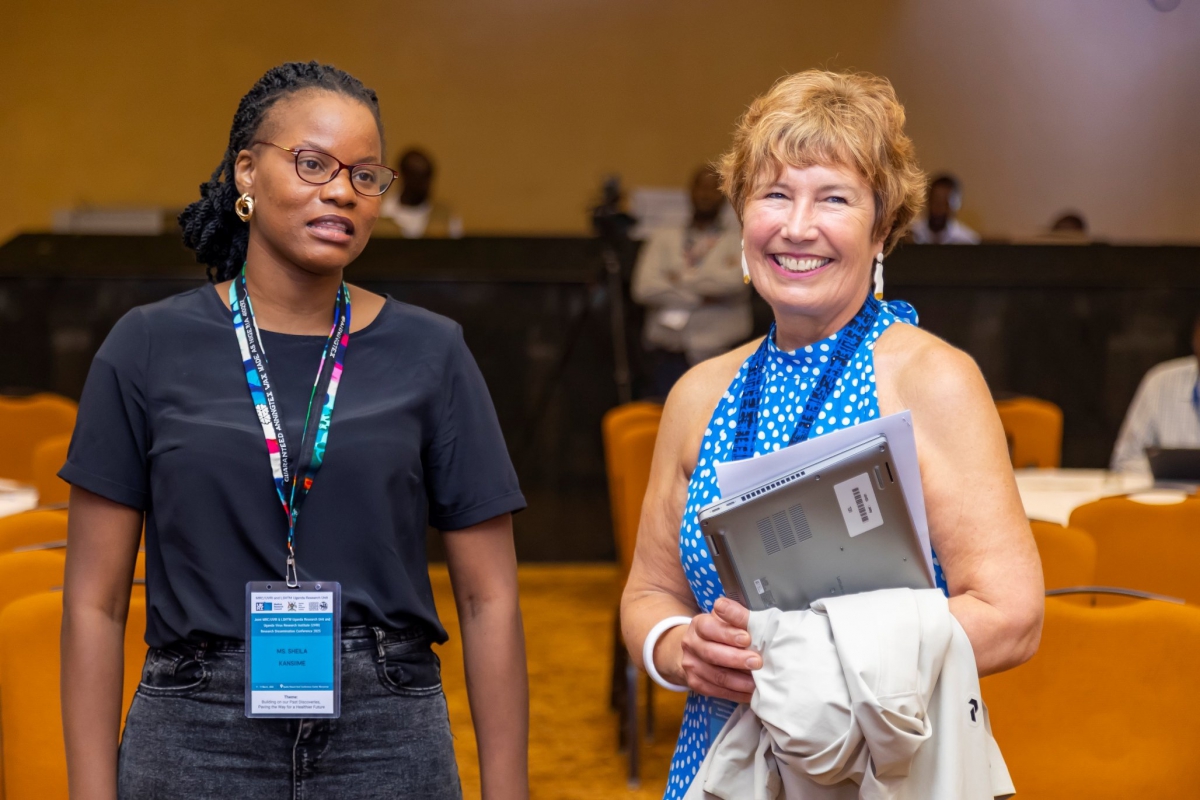
    Conference Photography photos

    Organising a conference or corporate gathering is a major undertaking, and the images that come out of it shape how your event is remembered long after the last delegate leaves. Strong photographs become your annual report visuals, social media content, donor updates and the foundation of next year’s marketing. If you are planning a corporate or development event, understanding how professional event photography in Uganda works will help you brief your photographer well and walk away with images that truly represent your organisation.

    This guide explains what to expect when you commission a professional photographer for a conference, summit, launch or corporate function, from the planning conversation through to final delivery.

    Start with Planning and a Clear Brief

    The best event coverage begins well before the doors open. A short planning conversation with your photographer makes an enormous difference to the quality and relevance of the final images. During this discussion, you should share the running order, the venue layout, the timing of major sessions and the names and roles of the people who must be photographed.

    It also helps to clarify your goals. Images destined for an annual report or donor presentation call for a different emphasis than content meant for quick social media posts. When you explain how the photographs will be used, your photographer can prioritise the right moments and frame them appropriately.

    Key details worth confirming in advance include:

    • The full schedule, including arrivals, keynotes, panels, breaks and any awards or signing ceremonies.
    • VIPs, guests of honour, executives and partners who must appear in the gallery.
    • Branding requirements, such as banners, backdrops and sponsor logos that need to be visible.
    • Any sensitive moments or individuals who should not be photographed.
    • Where and how the final images will be used.

    Key Moments to Capture

    A well-rounded set of event images tells the complete story of the day. Experienced photographers work to a mental checklist that balances formal coverage with the natural, human moments that make an event feel alive.

    Keynotes and Speakers

    Speakers on stage are the backbone of most conferences. Good coverage captures presenters mid-gesture, engaged and animated, rather than static or mid-blink. Clean shots of the podium, the screen content and the speaker in relation to the audience all help convey scale and authority.

    Panels and Discussions

    Panel sessions call for images that show interaction between participants, the moderator and the audience. Capturing a panellist making a point, alongside attentive listeners, communicates the depth of the conversation far better than a single posed line-up.

    Networking and Candids

    Some of the most valuable images come from the spaces between sessions. Delegates greeting one another, conversations over coffee and genuine laughter humanise your organisation and are often the most shared on social platforms. These candid moments require a patient, observant photographer who anticipates interactions before they happen.

    Branding and Signage

    For corporate and donor-funded events, visible branding matters. Photographs should deliberately feature banners, step-and-repeat backdrops, stage sets, sponsor logos and branded materials. These images demonstrate visibility to partners and sponsors and are frequently required for reporting and acquittals.

    The Venue and Atmosphere

    Wide establishing shots of a full hall, the registration desk, exhibition stands and decor set the scene and provide useful context. They are valuable for documenting attendance and the overall production quality of your event.

    Coverage Timing and Duration

    One of the most common questions organisers ask is how many hours of coverage they need. The honest answer is that it depends on your programme. A half-day workshop may need only a few hours, while a multi-day summit requires the photographer to be present from early setup through to the closing remarks.

    It is wise to include some buffer before the official start time. Early arrivals, registration and the calm before proceedings often yield clean, uncluttered shots of your branding and venue. Agreeing on clear start and finish times in advance avoids confusion on the day and ensures the moments that matter most to you are covered.

    Multiple Photographers for Large Events

    For large conferences with parallel sessions, breakout rooms or several hundred attendees, a single photographer cannot be everywhere at once. Engaging two or more photographers ensures simultaneous coverage of concurrent activities, so a keynote in the main hall and a workshop next door are both documented.

    Multiple shooters also allow one photographer to focus on formal stage coverage while another roams for candids and networking shots. For multi-day events, this approach maintains energy and consistency across the entire programme. Discuss the scale of your event early so the right team size can be planned.

    Discreet, Professional Shooting

    Professional event photographers understand that they are guests at your gathering, not the centre of attention. Discreet shooting means moving quietly, dressing appropriately for the setting and avoiding disruption during speeches, prayers or sensitive moments. The goal is to capture authentic scenes without delegates feeling watched or interrupted.

    This sensitivity is especially important at government, NGO and development partner events, where protocol and decorum carry real weight. A seasoned photographer reads the room, respects formal proceedings and knows when to step back.

    Same-Day and Highlight Edits

    Many organisations now want images while the event is still generating interest online. A selection of edited highlights delivered on the same day, or shortly after, allows your communications team to post in real time and sustain momentum across social media.

    These quick-turnaround highlights are typically a curated handful of the strongest frames, lightly edited and ready to share. The complete, fully edited gallery follows afterwards. If same-day delivery matters to you, raise it during planning so the workflow can be arranged in advance.

    Delivery of Final Images

    After the event, your photographer culls, edits and colour-corrects the images before delivering a complete gallery. Files are usually shared through a secure online gallery or cloud link, with high-resolution versions for print and reporting alongside web-optimised versions for digital use.

    When agreeing on delivery, it is worth clarifying the expected turnaround time, the approximate number of final images, the file formats provided and any usage rights. Clear expectations here prevent surprises and ensure your team receives exactly what it needs.

    Putting It All Together

    Excellent event coverage is the result of preparation, professionalism and clear communication. From the first planning call to the final gallery, a skilled photographer works to document your event in a way that reflects your organisation’s standards. Whether you are running an intimate corporate breakfast or a regional summit, the same principles apply: brief thoroughly, capture the full story, shoot discreetly and deliver on time.

    Mara Mambo Media provides professional photography services for organisations across Uganda and East Africa, with specialist experience in conference photography and corporate events. We understand the expectations of corporates, NGOs, government bodies and development partners, and we tailor our coverage to your programme and goals.

    If you are planning a conference, summit, launch or corporate function, get in touch to book event coverage and let us help you capture every important moment with clarity and care.

    How to Brief a Corporate Photographer for Better Results

    2O5A3189

    Great corporate images rarely happen by chance. The difference between a photo set you use for years and one that gathers dust on a shared drive usually comes down to one thing: the brief. A clear corporate photography brief tells your photographer exactly what you need, why you need it, and how it will be used — so the final images are on-brand, practical and ready to work across your website, reports and social channels. For organisations in Uganda and across East Africa, where time, budgets and stakeholder schedules are tight, a strong brief is the single most reliable way to protect your investment.

    This guide walks you through everything to include, in plain terms, so you can hand your corporate photography partner a document that leaves nothing to guesswork.

    Start With Purpose and Usage

    Before you discuss cameras or locations, answer one question: what are these photographs for? The intended use shapes almost every other decision — framing, orientation, resolution and even how people are styled.

    Be specific. “Photos for the company” is too vague. Instead, list the actual destinations:

    • Website banners and team pages
    • Annual reports or donor and investor documents
    • LinkedIn, Instagram and other social profiles
    • Press releases and media kits
    • Printed brochures, billboards or roll-up banners

    Each use has different requirements. A website hero needs wide, horizontal compositions with space for text. Social posts often need square or vertical crops. Print demands high resolution. When your photographer knows the destination, they can shoot with the right framing and leave deliberate negative space for headlines and logos.

    Share Your Brand Guidelines

    Your images should look like they belong to your organisation, not like generic stock. If you have a brand guide, share it. If you do not, summarise the essentials in a few lines.

    Useful details to include:

    • Colour palette — primary and secondary brand colours, so wardrobe, props and backdrops can complement rather than clash
    • Tone and mood — formal and polished, warm and human, energetic and modern
    • Reference images — three to five examples you admire, with a note on what you like about each
    • What to avoid — competitor styles, clichés, or visual treatments that feel off-brand

    Reference images are especially powerful. A photographer can match a look far more reliably from examples than from adjectives alone.

    Build a Shot List and Mark the Must-Haves

    A shot list is the backbone of any good brief. It turns intentions into a checklist everyone can work from on the day. Group your shots into categories so nothing is forgotten:

    1. Leadership and team portraits — individual headshots, plus group shots of departments or the whole organisation
    2. Candid working moments — people in meetings, on calls, collaborating, or out in the field
    3. Environment and premises — your offices, signage, reception and workspaces
    4. Products, services or programmes — whatever your organisation actually delivers
    5. Detail shots — hands at work, equipment, documents, textures that add depth to a layout

    Within that list, clearly flag the non-negotiables — the moments that absolutely must be captured, such as a CEO portrait, a signing ceremony, or a guest of honour. These are the shots that cannot be re-staged later, so they take priority if time runs short.

    Plan Location and Timing

    Location affects light, logistics and mood. Tell your photographer where the shoot will happen and what each space is like — indoors or outdoors, large or cramped, bright or dim. If a site visit is possible beforehand, it almost always pays off.

    Timing matters just as much:

    • Natural light changes through the day; morning and late afternoon are often kinder than harsh midday sun, which is worth remembering for outdoor shoots in Kampala and beyond
    • Staff availability — block calendars for portraits so people are not pulled away mid-session
    • Quiet windows — schedule disruptive shots for when offices are calmest
    • Travel time — factor in Kampala traffic and any movement between sites

    A realistic schedule with buffer time prevents the rushed, stressed feeling that shows up in people’s faces.

    Brief Wardrobe and Setup

    People want to know what to wear, and clear guidance saves everyone awkwardness. Share simple wardrobe notes ahead of time: whether the look is formal or smart-casual, which colours photograph well together, and what to avoid, such as busy patterns or logos from other brands.

    For setups, confirm practical points in advance — power outlets for lighting, a private room for headshots, a tidy backdrop, and someone on your side designated to coordinate people and answer questions during the shoot. A named point of contact keeps the day moving.

    Handle Consent Properly

    Anyone who is clearly identifiable in a photograph intended for marketing or publication should know how their image will be used and agree to it. This protects both your organisation and the people you work with.

    Good practice includes:

    • Informing staff in advance that a shoot is taking place and where images may appear
    • Using a simple written consent or model release form, particularly for community members, beneficiaries or event guests
    • Being especially careful with vulnerable groups and children, where written guardian consent and your own safeguarding policies should guide what is appropriate
    • Respecting anyone who prefers not to be photographed

    For NGOs and development partners especially, dignified, consent-led imagery is not just ethical — it strengthens trust with the communities you serve.

    Specify Deliverables and Turnaround

    Spell out exactly what you expect to receive so there are no surprises. A clear deliverables section covers:

    • Formats — high-resolution files for print and optimised, web-ready versions for digital use
    • Quantity — roughly how many final, edited images you expect
    • Editing level — colour correction and retouching versus light adjustments only
    • Crops and orientations — if you need both horizontal and square versions, say so
    • Delivery method — a download link, gallery or drive
    • Turnaround — agree a realistic deadline, and flag any urgent images you need first

    Agreeing these details in writing keeps expectations aligned and the project on schedule.

    Agree on Licensing and Usage Rights

    This is the detail most often overlooked, and the one that causes the most friction later. Clarify upfront who owns the images and how widely you are allowed to use them. Discuss whether your agreement covers unlimited internal and marketing use, how long the rights last, and whether the photographer may also use the work in their own portfolio.

    Putting usage rights in writing means you can confidently reuse your images across campaigns, reports and platforms for years without revisiting the question. A reputable provider of photography services will set this out clearly from the start.

    Bringing the Brief Together

    You do not need a long document — a single, well-organised page covering purpose, brand, shot list, location and timing, wardrobe, consent, deliverables and rights will transform your results. The clearer your brief, the more your photographer can focus on what they do best: capturing images that tell your organisation’s story with confidence and care.

    Ready to plan your next shoot? Share your goals with us and we will help you shape a brief that delivers exactly the images you need. Brief our team today and let us turn your vision into a polished, on-brand library of corporate imagery.

    Mara Mambo Media

    Mara Mambo Media is a team of young, creative, and versatile production professionals driven by passion and precision. We stand among Uganda’s leading media production companies, mastering the art and trade of videography, photography, and 3D animation.

    At our core, we are storytellers. We believe in the power of human narratives — stories that inform, entertain, educate, and inspire. Every idea we craft begins with your story. From that story, we design compelling visual experiences that move people and meet the unique purpose of your brand or audience.

    Mara Mambo Media was founded on a simple yet profound belief:
    that media — whether visual, audio, or artistic — needed a new lens, a fresh perspective, and a deeper purpose. We represent that shift. Our work embodies transformation, creativity, and authenticity.
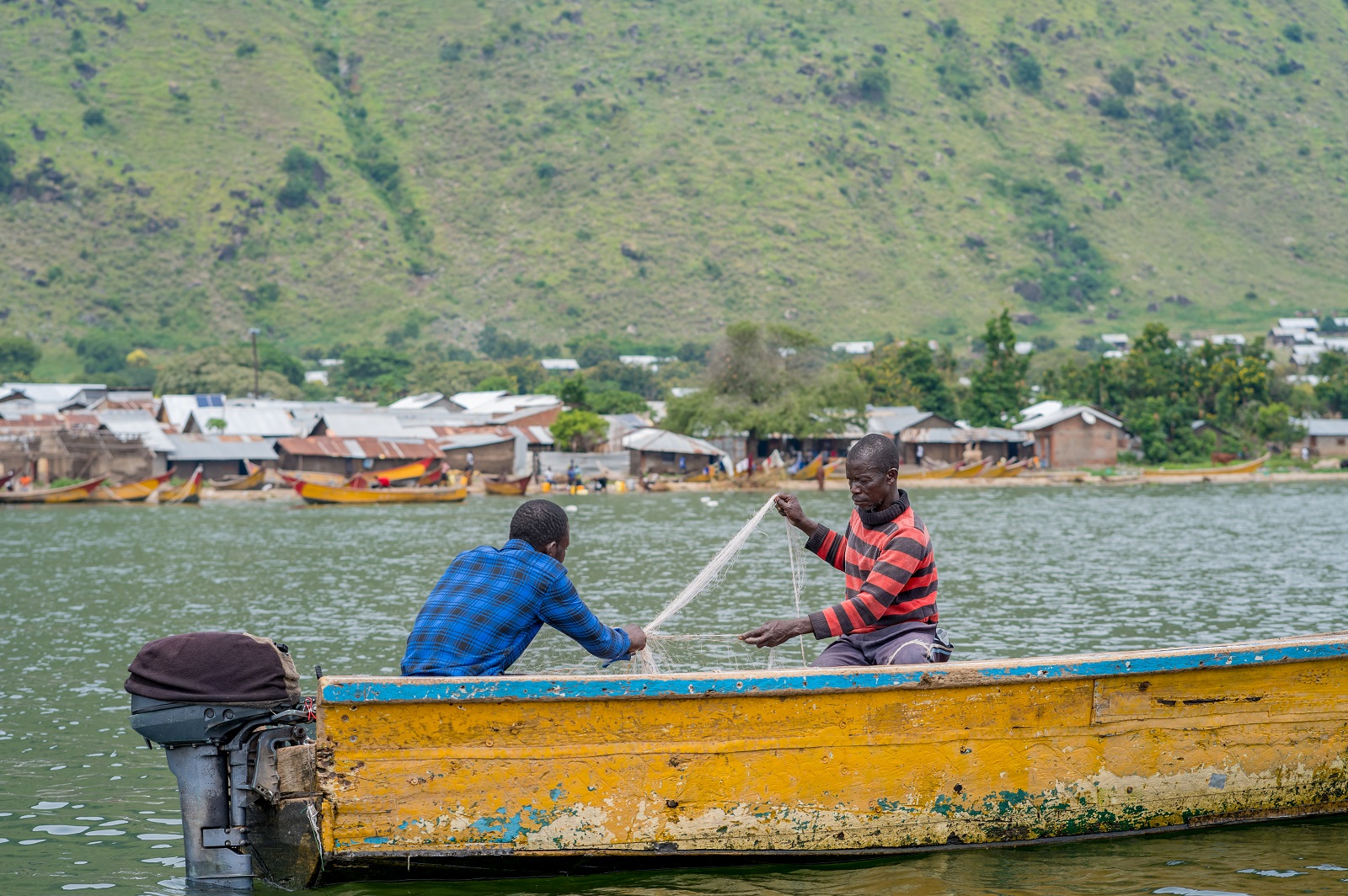
    Our name, Mara Mambo, draws inspiration from the breathtaking beauty of the Masai Mara — a place of color, wonder, and life. From that inspiration, we visualize stories that mirror the magic of our clients’ ambitions.
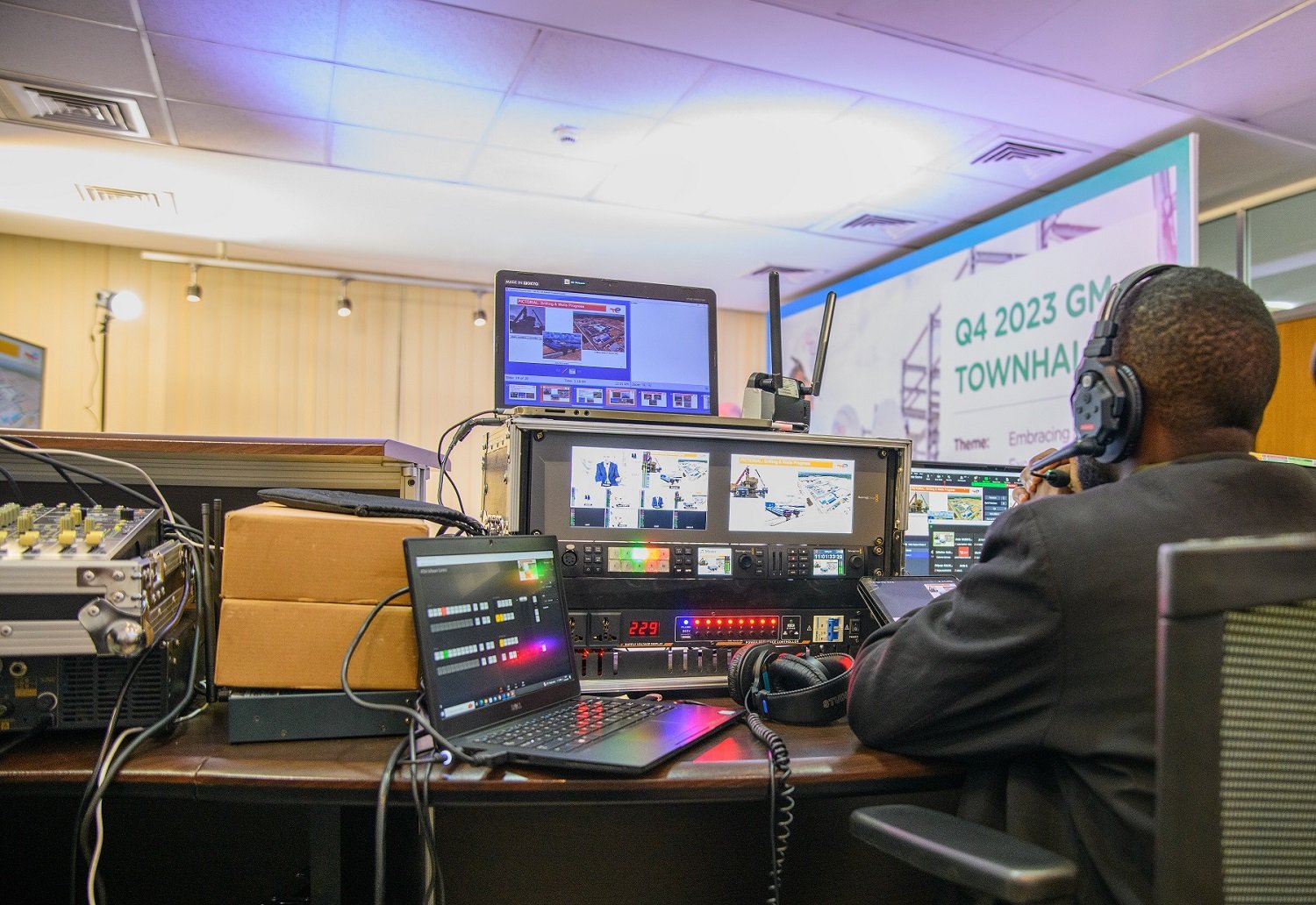
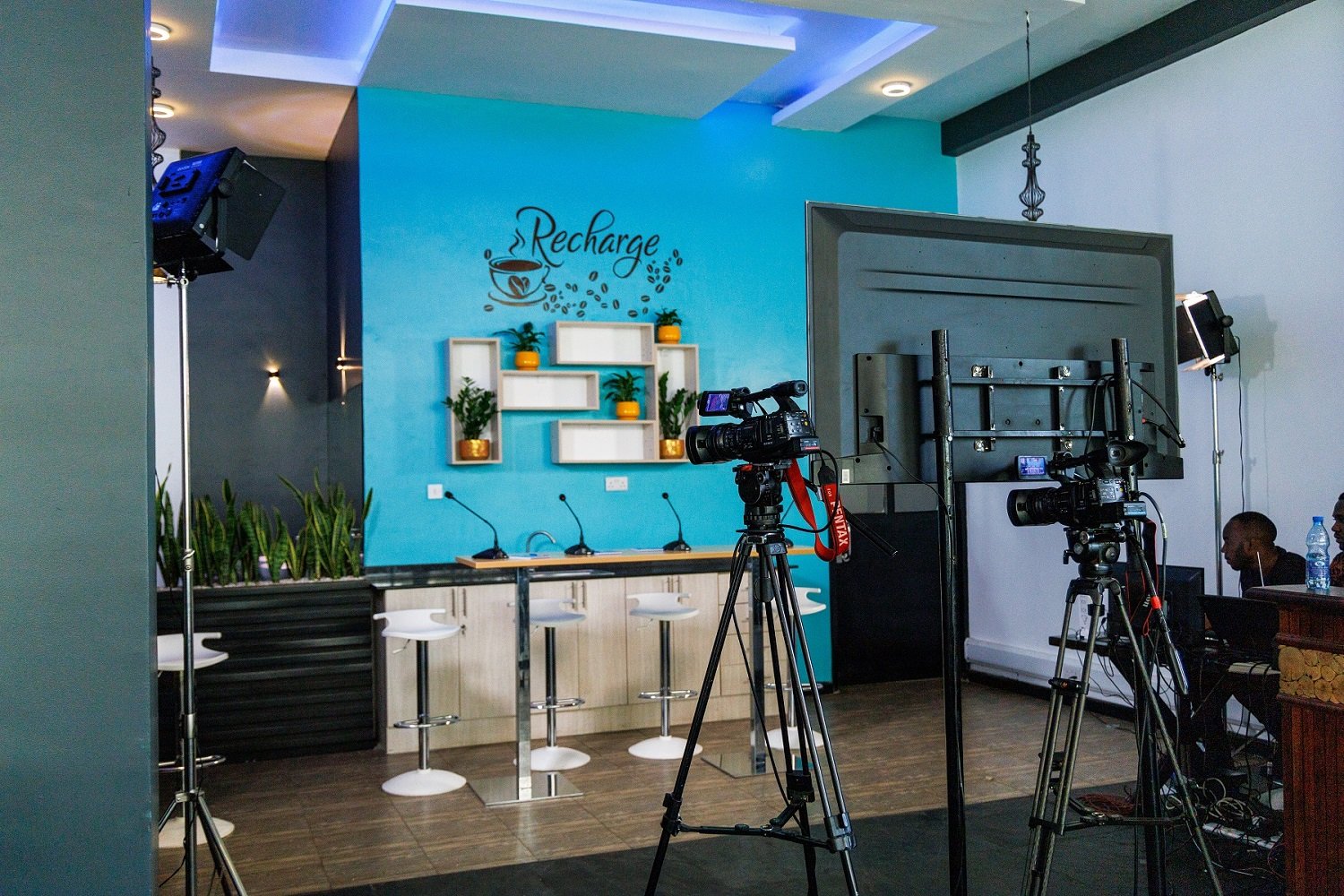
    Our team combines over eight years of professional experience across multiple disciplines. We bring together diverse talents — men and women who are qualified, imaginative, and relentlessly committed to quality. For every project, we invest time in strategic planning, detailed execution, and uncompromised standards. We never cut corners. We go beyond expectations.

    Through every production — big or small — we deliver value, creativity, and reliability. We work longer, think deeper, and move faster because we care about our clients’ stories and the impact they make.

    At Mara Mambo Media, we don’t just produce content — we craft experiences that change, transform, and connect.